
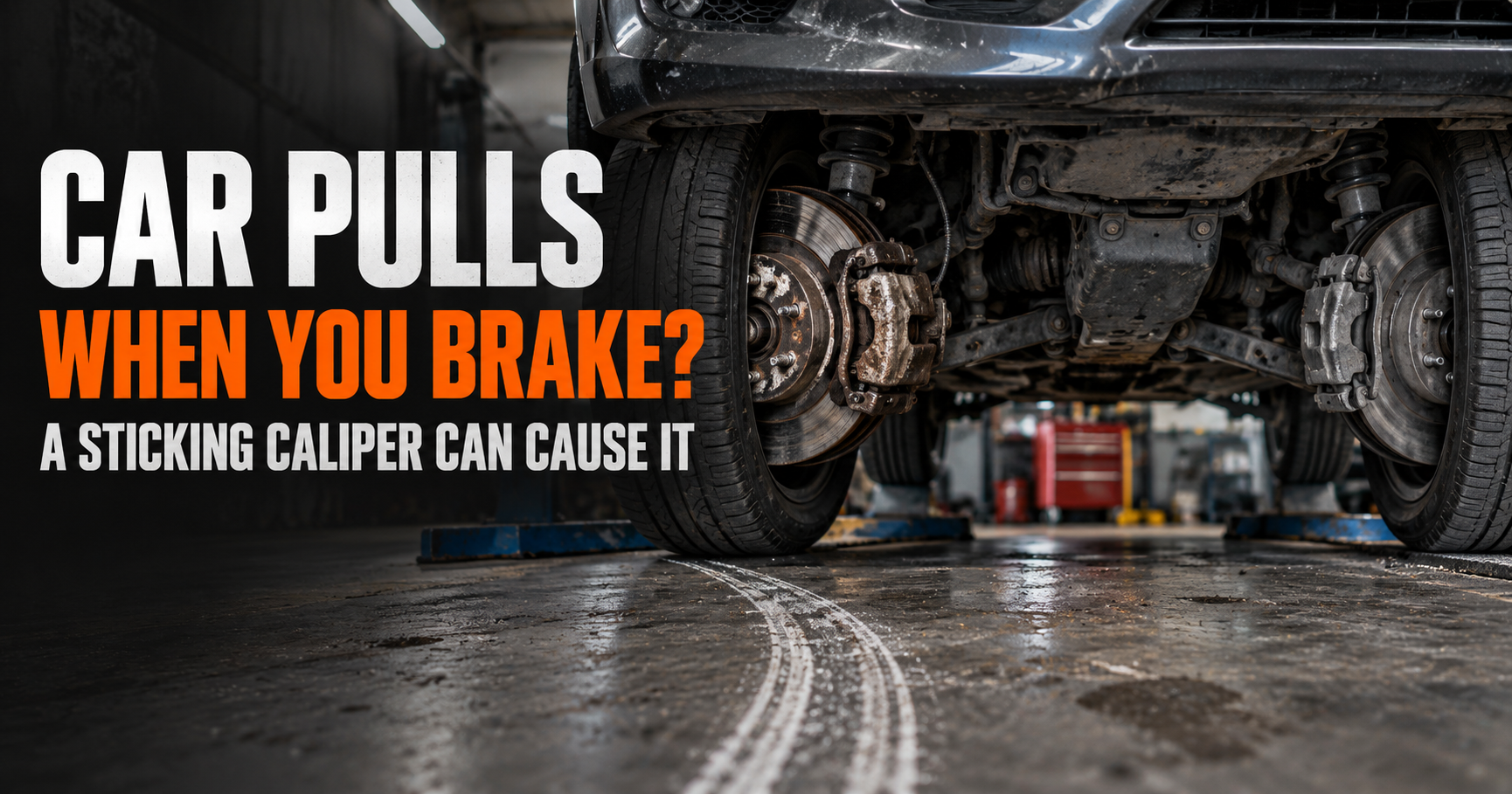
Your car travels straight until you press the brake pedal. Then the steering wheel turns slightly, or the whole car seems to head toward one side of the lane. You straighten it out, release the brake, and everything feels normal again.
That pattern is worth taking seriously. A car that pulls only when braking may have a brake on one side applying differently from the other. A sticking caliper, unevenly worn pads, or a brake hose problem are among the possibilities. Tires and worn steering parts can affect what you feel, too. You need an inspection to know which one is responsible.
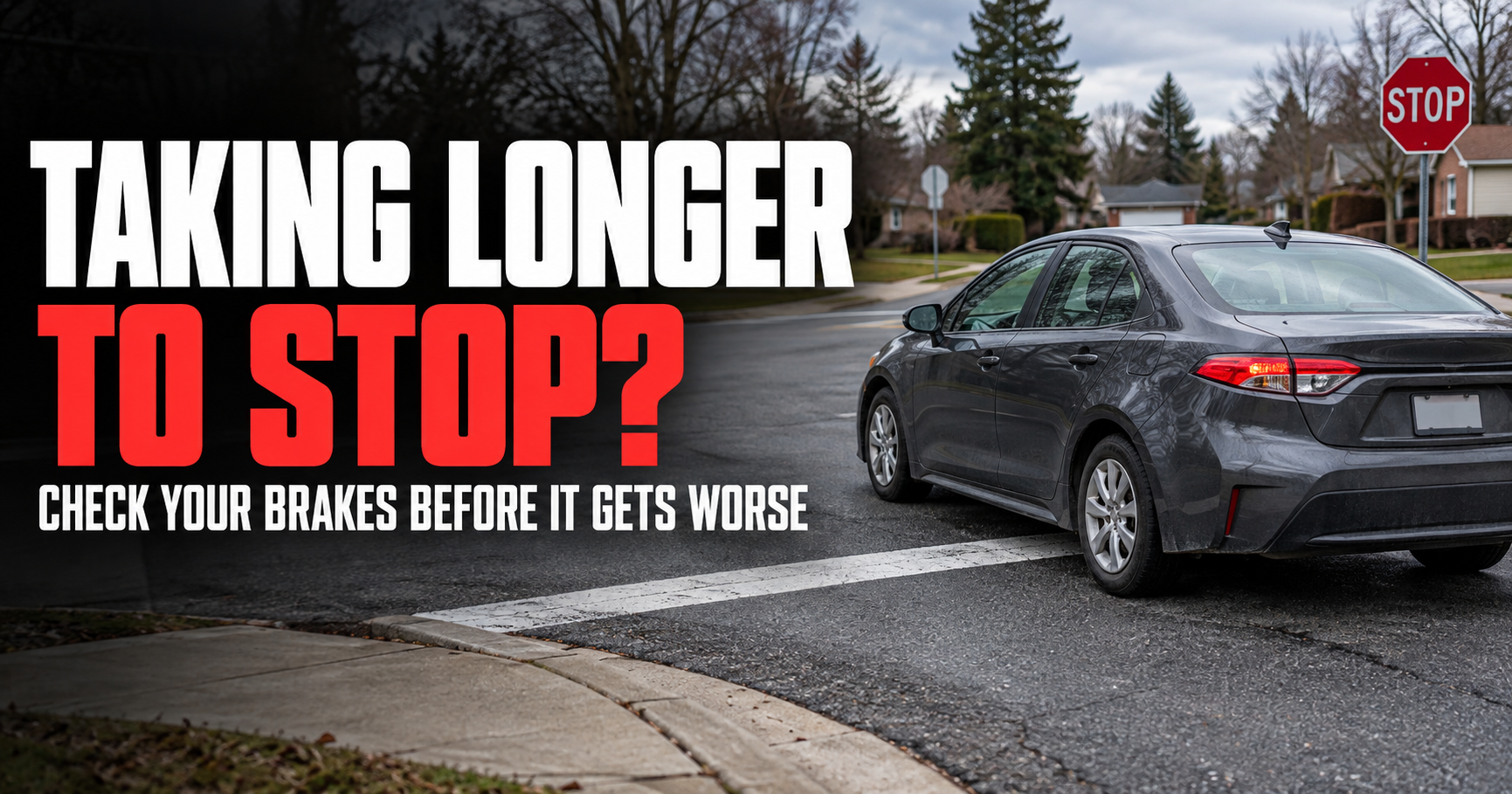
If the car suddenly veers hard, the pedal feels soft, braking takes longer than usual, or you smell something burning, pull over somewhere safe and arrange for help. A mild but repeatable pull still deserves a prompt brake inspection.
First, Notice Whether It Pulls Without Braking
This one detail can save a lot of guessing. On a normal drive, does the car drift to the same side while you hold a steady speed? Or does it track straight until you touch the brake pedal?
If it pulls while cruising, tire pressure, tire condition, alignment, and steering problems move higher on the list. Our broader guide to why a car pulls to one side covers that situation in more detail.
If the car stays straight until you brake, tell the mechanic exactly that. Uneven braking becomes an important possibility, although the tires and steering should still be checked. You do not have to decide which part failed before you make the appointment. Describing the timing clearly is already helpful.
How Uneven Braking Makes a Car Veer
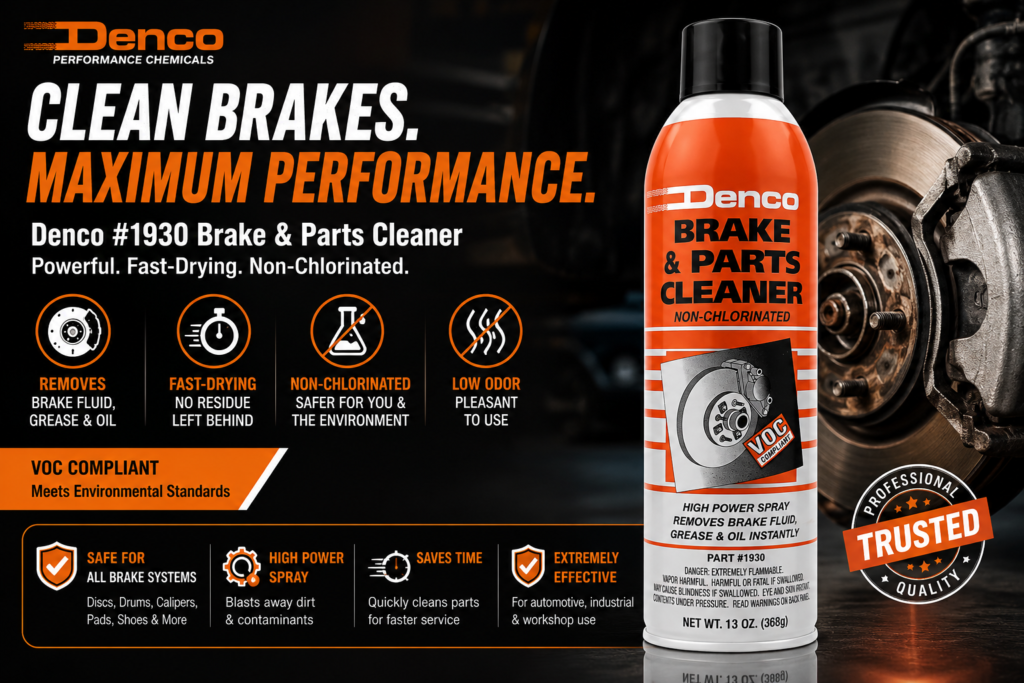
Your car needs the brakes on both sides to slow it in a controlled way. If one side grips more strongly, releases poorly, or cannot apply the expected braking force, the car may change direction as it slows.
The direction of the pull does not give you a reliable do-it-yourself diagnosis. A brake that drags and a brake that does not apply properly can affect the car differently. Road conditions and tire problems can complicate the sensation. Do not buy a left or right caliper based only on where the steering wheel goes.
Instead, note whether the car pulls left or right, how strong the pull is, and whether it happens during light braking, firm braking, or both. A technician can use those details while inspecting the brakes on each side.
A Sticking Caliper Can Cause a Pull
On a vehicle with disc brakes, the caliper presses the brake pads against the rotor. Its moving parts must also let the pads release when you stop braking.
A caliper that sticks may keep a pad dragging against the rotor. Another caliper problem may prevent the brake from applying as it should. Either way, braking can become uneven across the car.
You might notice that the pull gets stronger after several stops. There could be a burning smell, unusually heavy brake dust around one wheel, or uneven pad wear that a mechanic finds during inspection. Some cars pull while cruising as well as while braking when a brake continues to drag.
A hot wheel can be a clue, but do not touch the wheel or brake parts after driving to check the temperature. They can be hot enough to burn you. Tell the shop about the smell or worsening pull instead.
A Brake Hose or Hydraulic Problem May Limit One Brake
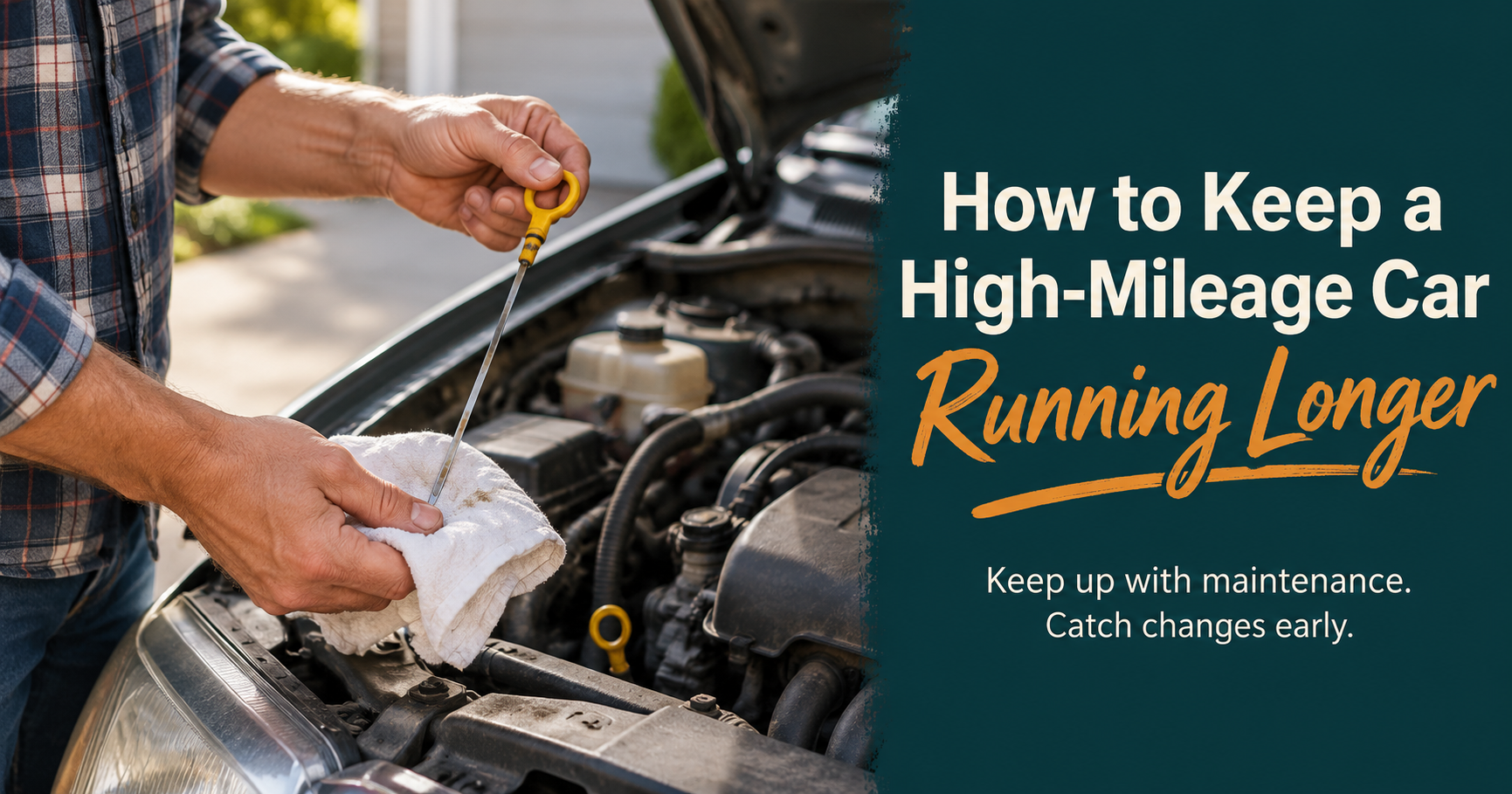
Brake fluid pressure helps apply the brakes. A damaged, restricted, or leaking component in that system can change how a brake responds. The car may pull because braking force is no longer even.
A soft or sinking brake pedal, visible fluid, a brake warning light, or reduced stopping ability makes this more urgent. Those signs need professional attention before you continue driving.
Do not treat a pulling car as an alignment problem first if its brake pedal has also changed. An alignment will not fix lost brake pressure or a brake that fails to apply correctly.

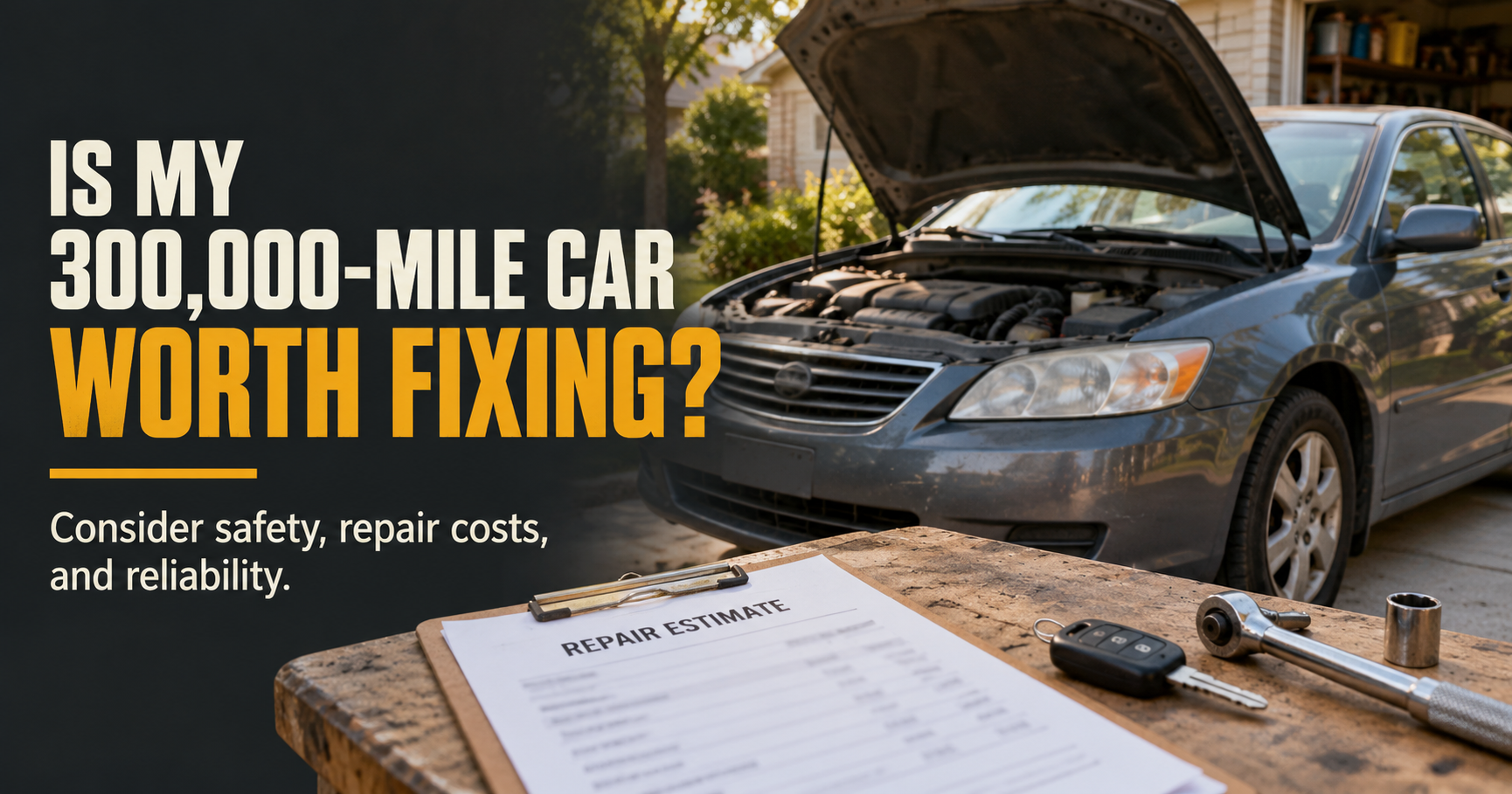
Uneven Pad Wear Can Point to a Bigger Issue
Brake pads do not always wear at the same rate. If one pad is much thinner than the pad across from it, the shop should find out why.
The pads themselves may be worn or damaged, but uneven wear can also be a sign that a caliper or its hardware is not moving freely. Replacing pads without addressing the reason for that wear may leave the car pulling again.

Listen for changes when you slow down. Squealing and grinding can provide additional clues, and grinding deserves prompt attention. Our guide to what different braking noises mean can help you describe the sound when you call a shop.
Tires Can Affect How the Car Brakes
It is easy to focus entirely on the brakes because the pull happens when you press the pedal. Tires still matter. They provide the grip that allows the car to slow and stay on course.
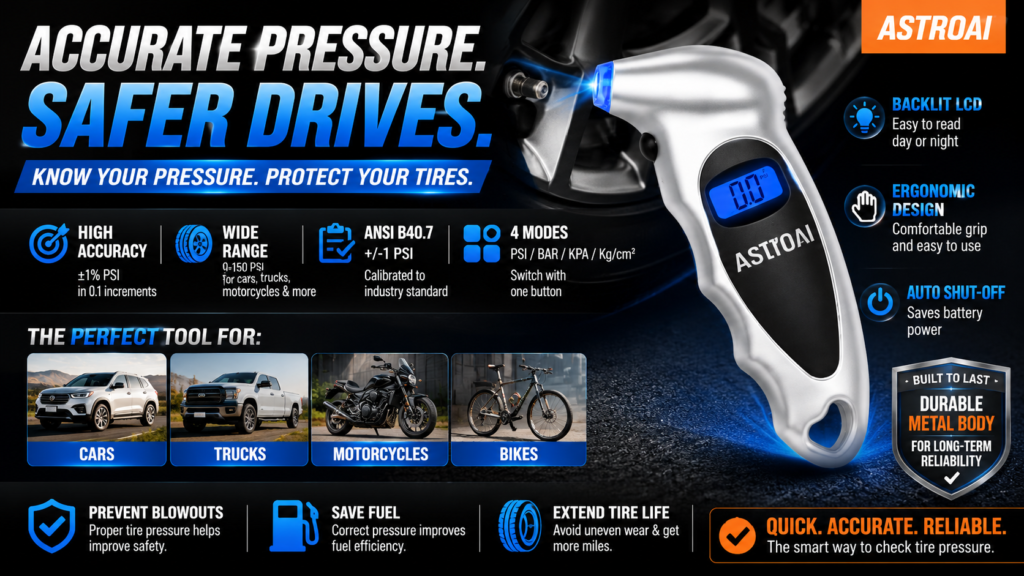
Start with a simple parked-car check. Does a tire look noticeably low or damaged? If you have a tire pressure gauge, compare the pressures with the vehicle’s recommended cold tire pressures on the driver’s door placard. Do not use the maximum pressure printed on a tire’s sidewall as the vehicle’s target.
Uneven tire wear or a tire problem can change how the car tracks, particularly during a stop. If correcting a low tire does not resolve the pull, or if you see damage, have the tires and brakes inspected. Do not assume tire pressure explains a strong or sudden braking pull.
Worn Steering and Suspension Parts Can Change Direction Under Braking
Braking shifts weight toward the front of the car. If a steering or suspension component has excessive looseness, the car may change direction more noticeably as it slows.
A clunk, wandering steering, uneven tire wear, or a steering wheel that does not feel steady can be useful clues. Tell the shop about those symptoms even if they seem unrelated to the brakes.
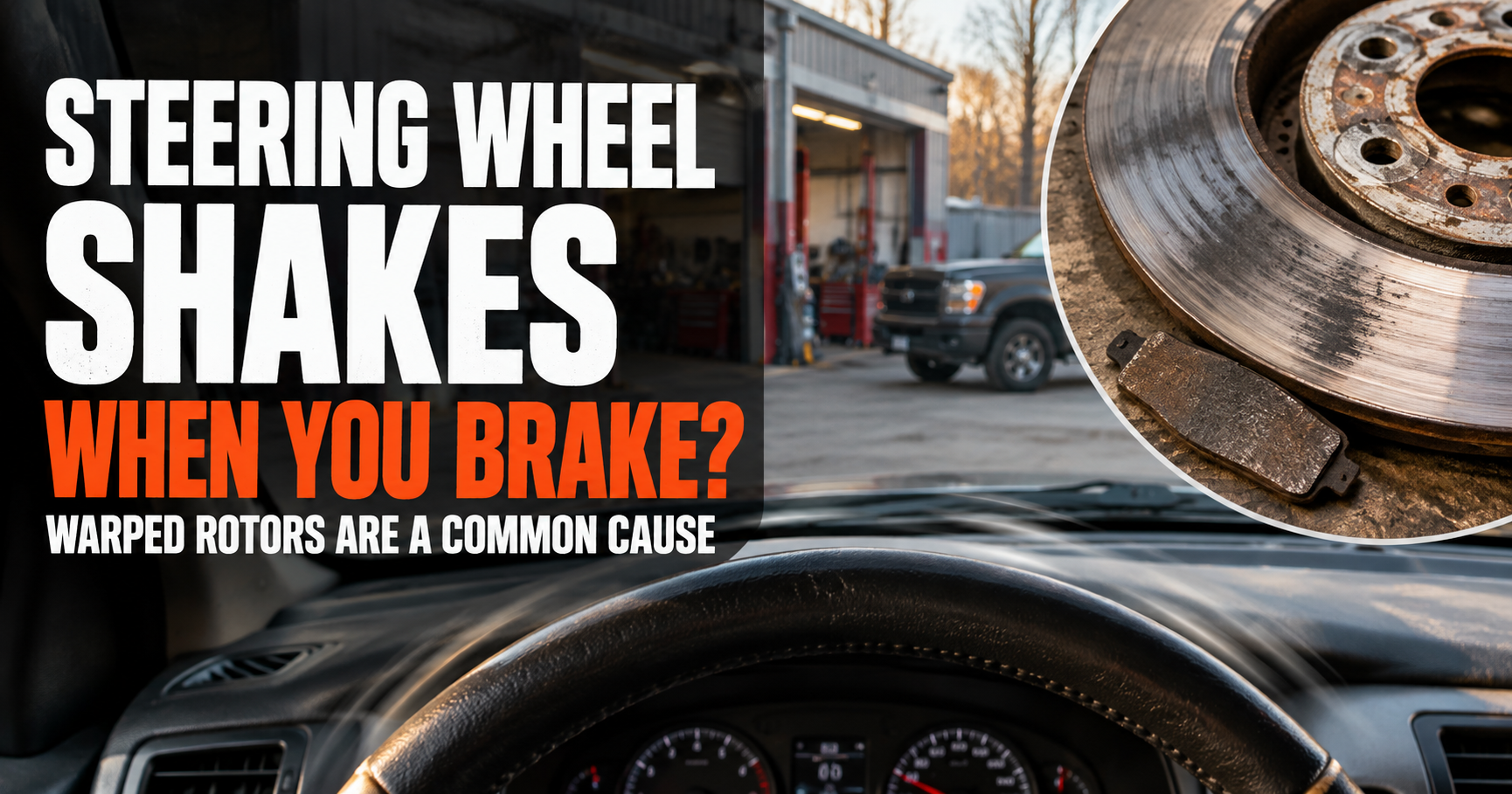
If the steering wheel also vibrates when you slow down, read our guide to why a steering wheel shakes when braking. A pull and a shake can happen together, but neither sensation alone proves you need rotors, calipers, or an alignment.
What If It Started After Recent Brake Work?
Tell the shop exactly when the pull began. If the car stopped straight before a brake job and pulled immediately afterward, it makes sense to return and have that work checked.
Bring the invoice so the technician can see which parts were replaced. The shop may need to check pad and caliper movement, installation, and whether a problem on the other side was missed. A new symptom after a repair does not automatically mean a new part is defective. It does give the shop a useful starting point.
The same advice applies after tire work. Mention which tires were changed or moved and whether the pull happens while cruising as well as while braking.
Could Road Slope Be Causing It?
Many roads slope slightly toward the shoulder so water can drain. You may notice a gentle tendency to drift right even when your car has no braking problem.
A repeatable, noticeable veer that begins when you press the brakes is different. If you feel it on multiple roads, mention that to the mechanic. You do not need to perform test stops in traffic to prove it. Observations from your normal driving are enough to justify an inspection.
Weather matters as well. A car can react differently on wet pavement, loose gravel, or snow. If it pulls sharply on a dry, ordinary road, do not write it off as the shape of the pavement.
Is It Safe to Keep Driving?
A slight pull can be the first sign of a problem that deserves repair. A strong pull can make an emergency stop much harder to control. Neither is something I would ignore until the next oil change.
Stop driving and get assistance if the vehicle veers sharply, the pedal feels soft or sinks, stopping distance increases, a brake warning light appears with a change in braking, you hear grinding, or you notice smoke or a strong burning smell. Move to a safe place without making sudden steering moves.
If the pull is mild and the car otherwise stops normally, arrange an inspection soon. Give yourself extra space from other vehicles on any necessary drive to the shop, and do not continue driving if the symptom worsens.
What to Tell the Mechanic
The most helpful description starts with what the car does, not the part you suspect. You could say:
“My car drives straight at a steady speed but pulls to the right when I press the brakes. It started three days ago. The pedal feels normal, and I haven’t heard grinding.”
Change that description to match your actual symptoms. Mention if the pull is stronger after a long drive, during firm stops, or after recent brake or tire work.
Ask the shop to inspect braking on both sides, along with tire condition and any steering or suspension looseness that could cause the vehicle to change direction. If the estimate recommends a caliper, pads, rotors, or an alignment, ask what the inspection showed and how that work addresses the pull.
Why an Alignment May Not Be the First Fix
Alignment can cause a car to drift or pull during ordinary driving. That makes it a reasonable thing to consider when the vehicle will not track straight.
But if it drives straight until you brake, ask for a brake inspection before paying for an alignment alone. A sticking caliper or uneven braking will not be corrected by adjusting the wheel angles.
The two issues can exist together. The point is to diagnose the symptom you actually have instead of starting with the repair that sounds most familiar.
Can You Tell Whether the Left or Right Brake Is Bad?
Not confidently from the direction of the pull alone. A dragging brake, a brake that applies weakly, a tire issue, and worn steering parts can produce different behavior.
You can tell the shop which way the car moves and under what conditions. That is useful evidence. Let the technician compare the brakes, tires, and steering components before naming the side that needs work.
Why does my car pull left when I brake?
Uneven braking is one possibility, including a caliper or hydraulic issue. Tires and steering parts can also affect the direction of the pull. A leftward pull identifies the symptom, but it does not prove the left brake is the failed part.
Why does my car pull right only when I brake hard?
Firm braking puts more demand on the brakes and changes the load on the front tires and steering parts. A problem that is hard to notice during a gentle stop may become obvious then. Have the brakes, tires, and steering inspected rather than testing it with repeated hard stops.
Can one bad brake pad make a car pull?
Uneven or badly worn pads can be part of the problem. If one pad is wearing differently, a mechanic should also check the caliper and related hardware to find out why.
Why does the pull get worse the longer I drive?
A brake that does not release properly may become more noticeable as you make repeated stops and heat builds. Other problems are possible, so describe that pattern to the shop and arrange an inspection promptly.
By Dana Callahan, an automotive troubleshooting writer for Why Is My Car. Dana’s guides focus on helping drivers identify exactly when a symptom happens, recognize signs that need prompt attention, and ask informed questions before approving a repair.
