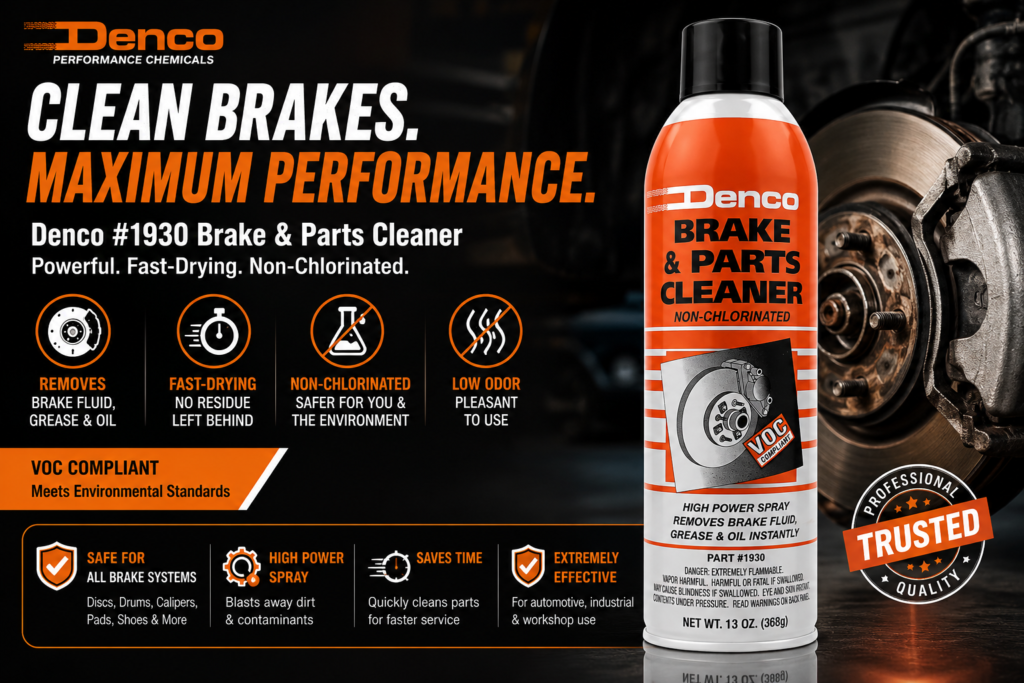
Brake cleaner removes grease, dust, and contamination from brake components instantly. Here’s what Denco Brake Cleaner does, when to use it, and what it’s safe on.
Brake noise, brake dust, glazed rotors, contaminated pads — most brake problems that don’t require new parts can be dramatically improved with one simple step: cleaning. Brake cleaner spray dissolves grease, oil, dust, and brake fluid from rotors, calipers, and pads almost instantly. It’s the first thing any mechanic reaches for when doing brake work, and it should be in every DIYer’s garage. For the removal side of the same brake job, a cordless impact wrench can quickly handle stubborn caliper and bracket fasteners.
If you’ve ever replaced brake pads and had them squeal from day one, contamination during installation is often the reason. A spray of brake cleaner on the rotor surface before reassembly prevents that. It’s a $10 solution that saves you from pulling the whole job apart again.
What Brake Cleaner Actually Does
Brake cleaner is a powerful degreasing solvent that evaporates almost instantly and leaves zero residue. It attacks oil, grease, brake fluid, and dust — all of which contaminate brake surfaces and reduce friction. On a rotor, contamination creates hot spots and uneven braking. On brake pads, it causes glazing and squealing. Brake cleaner removes all of it without scrubbing.
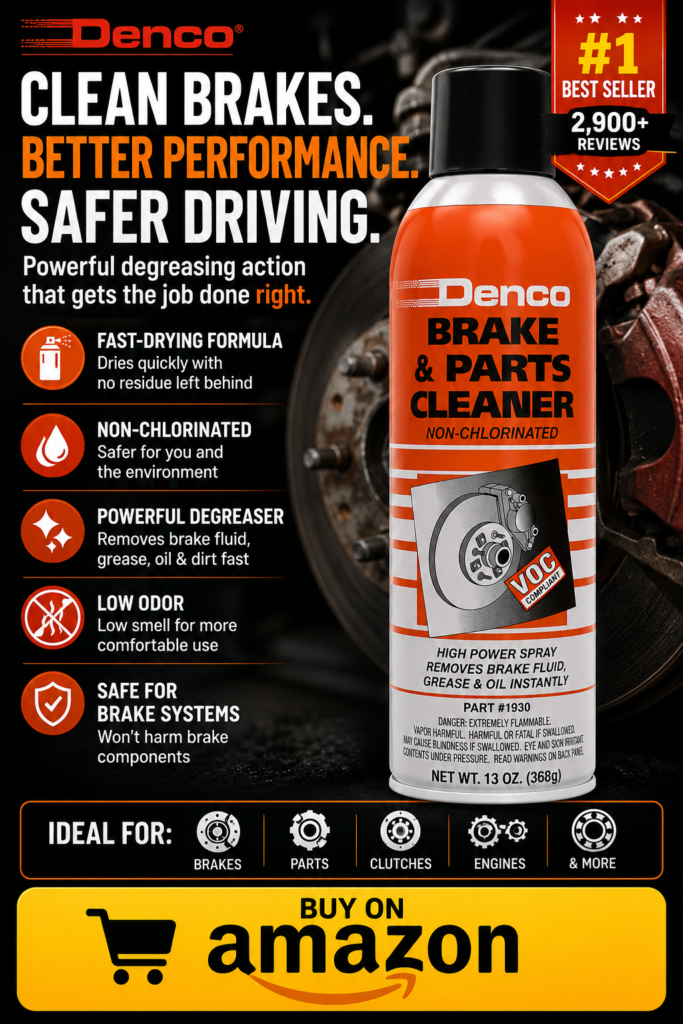
The non-chlorinated formula in the Denco cleaner is important for two reasons. It’s safer to use in enclosed spaces than chlorinated versions, and it’s legal in all states including California, where chlorinated brake cleaners are banned. Low odor compared to standard formulas is an added bonus when you’re working in a garage.
When to Use Brake Cleaner
During Brake Pad and Rotor Replacement
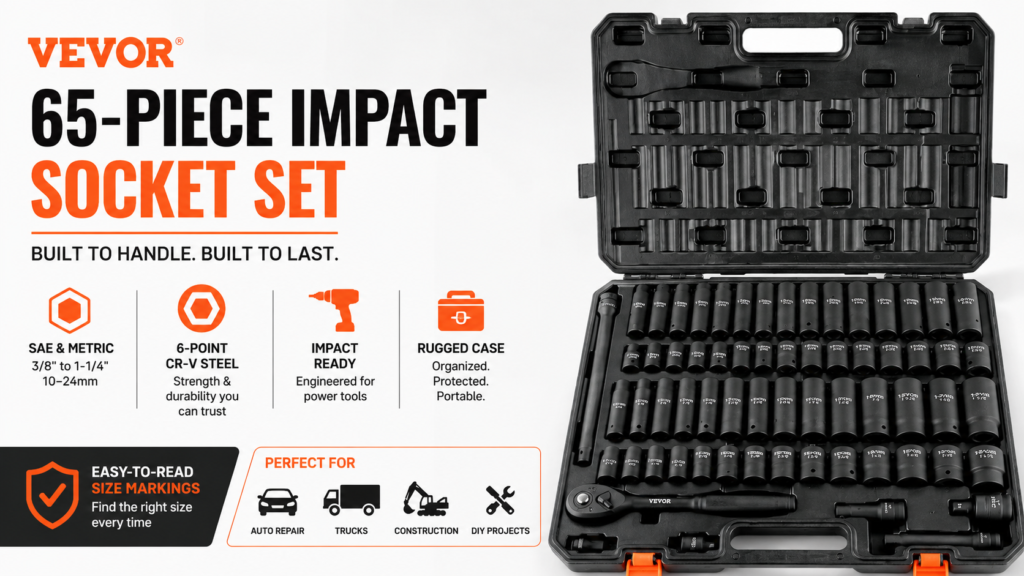
Before installing new pads, spray the rotor surfaces thoroughly and let dry completely. Spray the caliper brackets and hardware contact points. Wipe away any accumulated brake dust before reassembly. This prevents contamination from turning into a brake noise problem on brand new parts. A reliable VEVOR 65-Piece Impact Socket Set Review – Is It Worth It? can help you remove and reinstall the caliper hardware during this brake service.
When Brakes Start Squealing After Recent Service
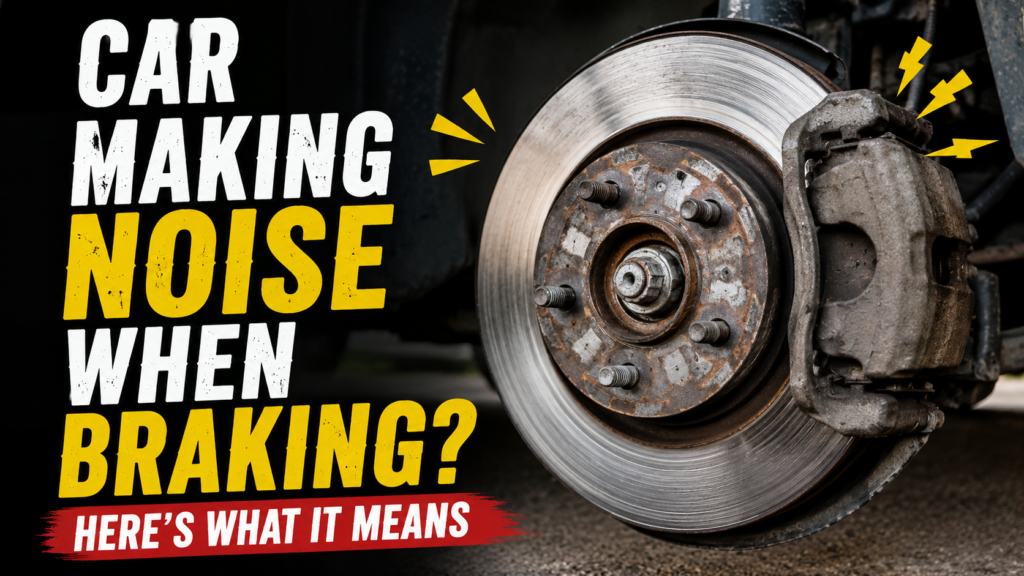
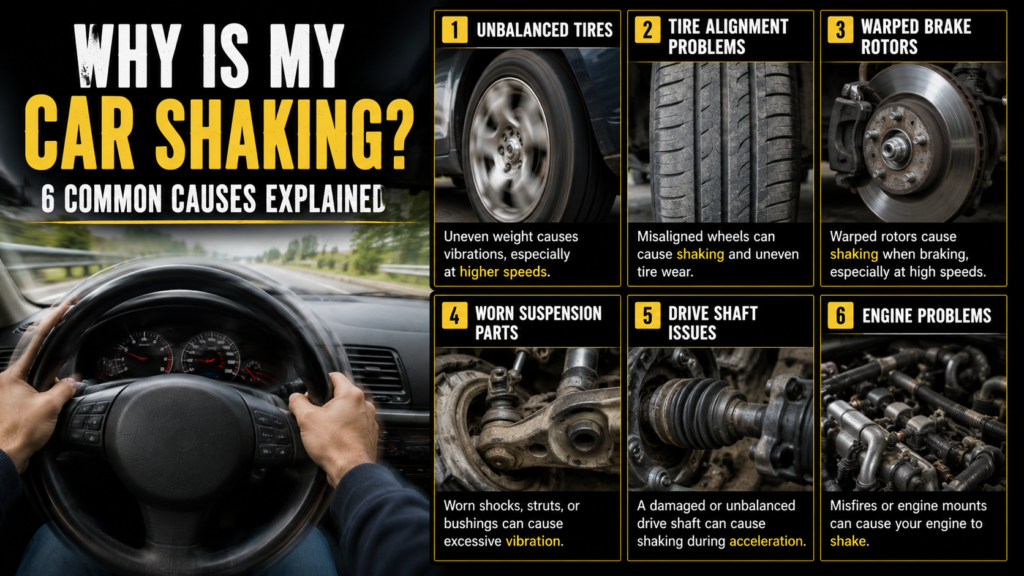
New pads that squeal right after installation are often contaminated with fingerprints, oil from the packaging, or assembly grease that got onto the rotor. Removing the wheel, spraying the rotor and pad surfaces with brake cleaner, and reinstalling is sometimes all it takes to fix post-service squealing. If the noise continues after cleaning, the Car Making Noise When Braking? Here’s What It Means explains how to distinguish contamination from worn pads and more serious faults.
Before Brake Inspections
Cleaning brake dust off the caliper and rotor surface gives you a clear view of what you’re actually looking at during an inspection. Brake dust obscures pad thickness, rotor condition, and caliper boot integrity.
Cleaning Brake Fluid Spills
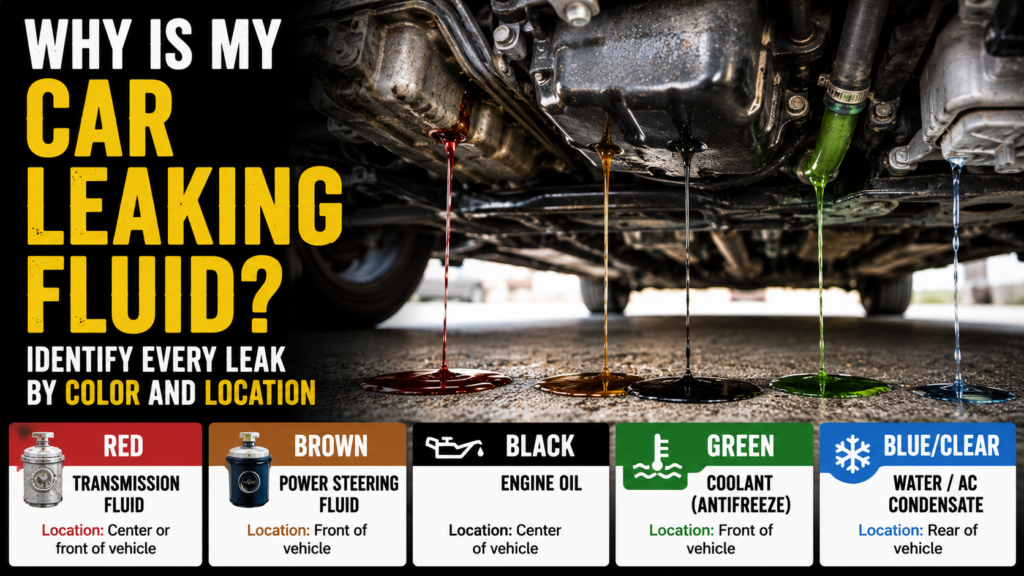
Brake fluid is corrosive and damages paint. If fluid spills during a bleed or line replacement, brake cleaner neutralizes and removes it quickly before it has time to cause damage. If the fluid loss continues or appears without recent brake work, brake fluid leaks may help identify the source and urgency.
What It’s Safe On
Brake cleaner is safe on metal brake components — rotors, calipers, drums, and hardware. It’s generally safe on rubber brake hoses for brief contact during cleaning. It should not be used on plastic components, painted surfaces you care about, or rubber seals you don’t want damaged — it’s a powerful solvent and will attack softer materials with prolonged contact.
Always use in a ventilated area. Even the low-odor non-chlorinated formula produces fumes that build up in an enclosed space.
How Much to Keep on Hand
A single 15oz can handles one full brake job with cleaner to spare. If you do your own brake work regularly, keeping two or three cans in the garage means you never run short mid-job. It has a long shelf life and is inexpensive enough that stocking up makes sense.
See Denco Brake Cleaner on Amazon →
Frequently Asked Questions
Is non-chlorinated brake cleaner as effective as chlorinated?
For most brake cleaning tasks, yes. Chlorinated formulas are slightly more aggressive on heavy grease, but non-chlorinated handles brake dust, light grease, and brake fluid contamination completely. The practical difference for typical brake maintenance is minimal.
Can brake cleaner damage my rotors?
No — it’s specifically designed for use on metal brake components. It evaporates without leaving residue and doesn’t affect the metallurgy of cast iron or steel rotors.
Can I use it to clean other engine parts?
Yes. Brake cleaner works as a general degreaser on metal engine components. It’s commonly used to clean throttle bodies, valve covers, and engine exterior surfaces. Avoid contact with plastic, painted surfaces, and rubber seals.
Will brake cleaner fix squealing brakes?
If the squeal is caused by surface contamination — grease, oil, or brake dust — yes. If the squeal is from worn pads hitting the wear indicator, contamination isn’t the cause and new pads are the fix. Cleaning is always worth trying first since it takes two minutes and costs almost nothing.
How long does it take to dry?
Most brake cleaner evaporates completely within 30–60 seconds at room temperature. In cold conditions it takes slightly longer. You can speed drying with compressed air if needed.
Dana has been diagnosing car problems for over a decade — first out of necessity (three kids, one income, no money for shop rates) and eventually out of genuine passion. She’s the person her whole neighborhood texts when a warning light comes on. Dana writes for WhyIsMyCar.com to give everyday drivers the kind of straight talk she wishes she’d had when she first started figuring this stuff out on her own. Based in Ohio.