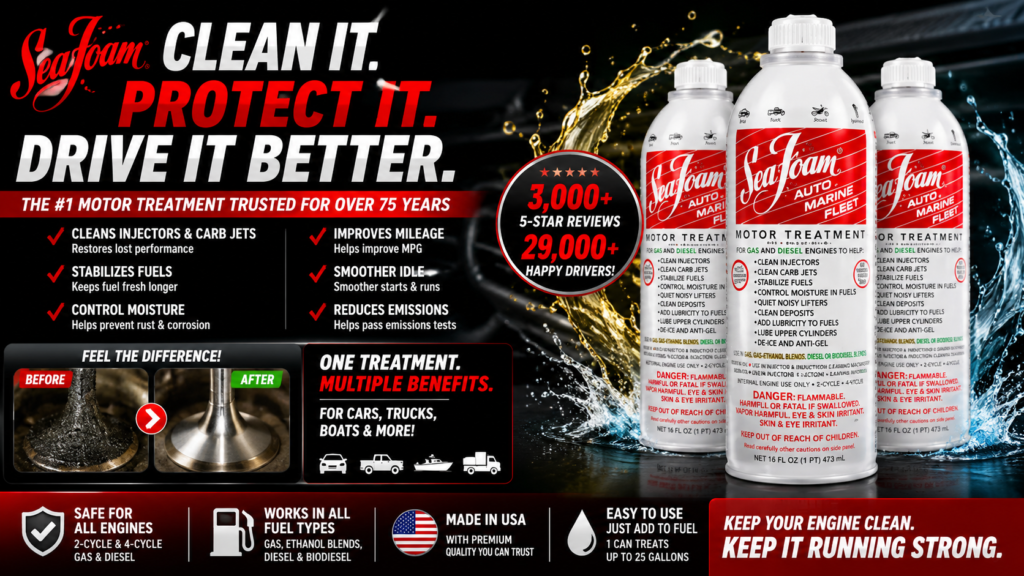
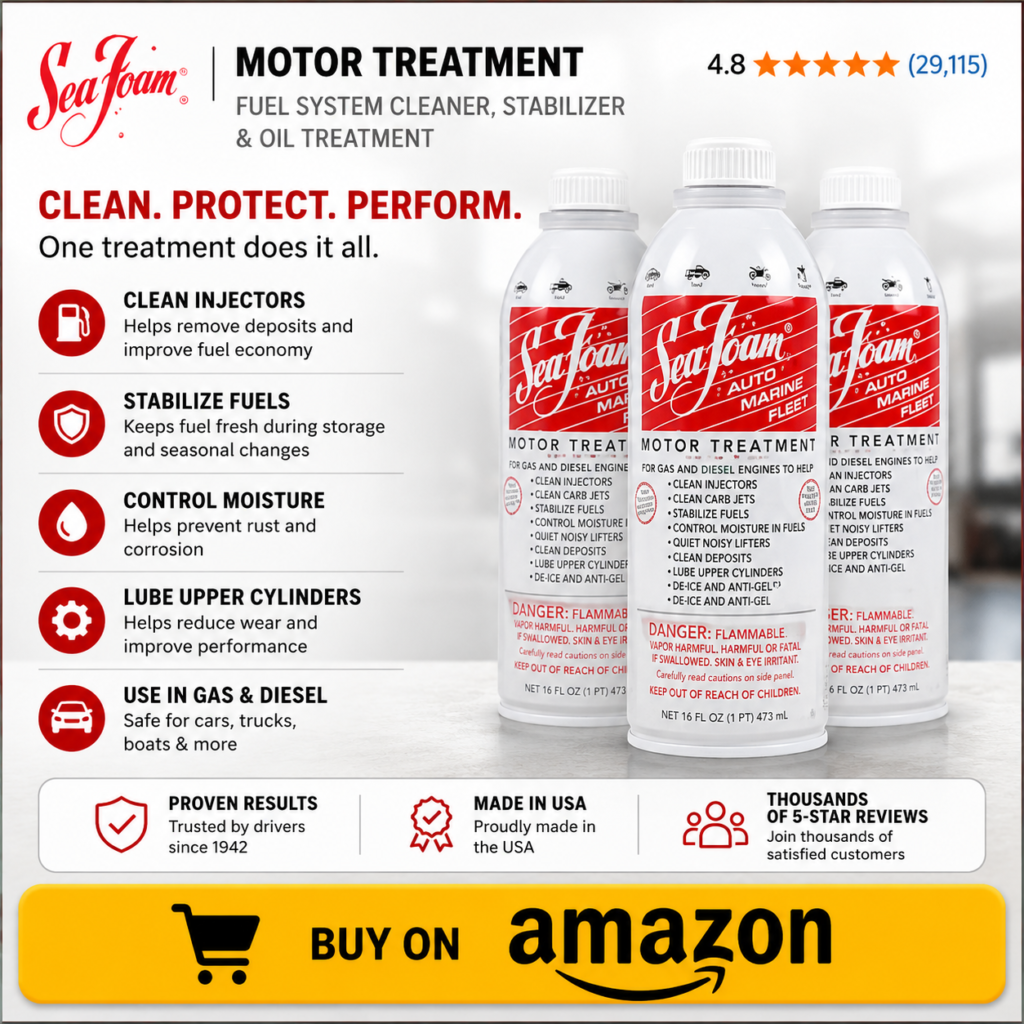
Sea Foam Motor Treatment cleans fuel systems, quiets noisy lifters, and stabilizes stored fuel. Here’s the honest breakdown of all three uses and whether it’s worth it. Readers comparing the treatment can also see how product links are disclosed on the site.
Sea Foam has been around since 1942 and has one of the most loyal followings of any automotive product on the market. Mechanics who’ve been turning wrenches for decades swear by it. Car forums light up every time someone mentions it. And there’s a reason for that — it works. Sea Foam Motor Treatment cleans fuel injectors, stabilizes fuel, cleans crankcase deposits, and quiets noisy lifters. It’s the Swiss Army knife of automotive additives, and the 3-pack makes stocking up genuinely economical.
The 3-pack format here is the smart buy. Sea Foam has multiple uses — fuel tank, oil crankcase, and intake manifold — and having multiple cans means you can treat the whole system at once rather than running out after one application.
The Three Ways to Use Sea Foam
In the Fuel Tank
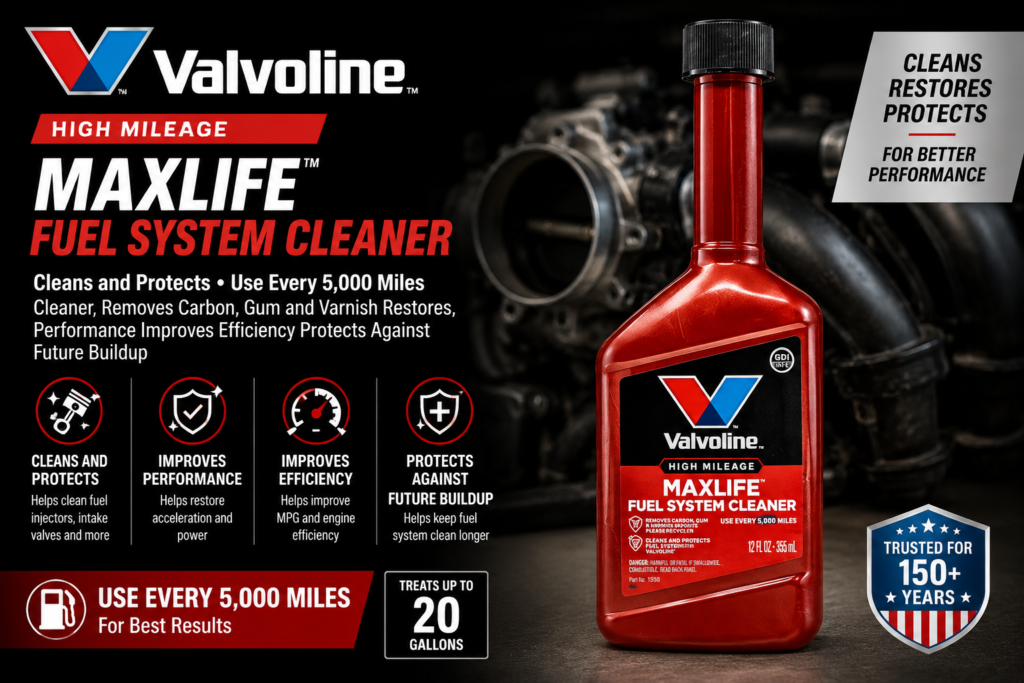
Add Sea Foam to gasoline to clean fuel injectors and intake valves, remove varnish and gum deposits from the fuel system, and stabilize the fuel against oxidation. The standard dosage is 1 oz per gallon of fuel for cleaning, or a higher concentration for vehicles with significant deposit buildup. For fuel stabilization in stored vehicles, use a higher ratio and fill the tank full before storage. For another gasoline-based approach to injector and deposit cleaning, compare it with the Valvoline MaxLife Fuel System Cleaner Review – Does It Work?.

This is the most common use and the one that covers the widest range of benefits — cleaner injectors, better combustion, smoother idle, and improved fuel economy in deposits-affected engines. If the engine still runs poorly afterward, check engine fault codes can help separate a fuel-related symptom from a stored electronic fault.
In the Engine Oil
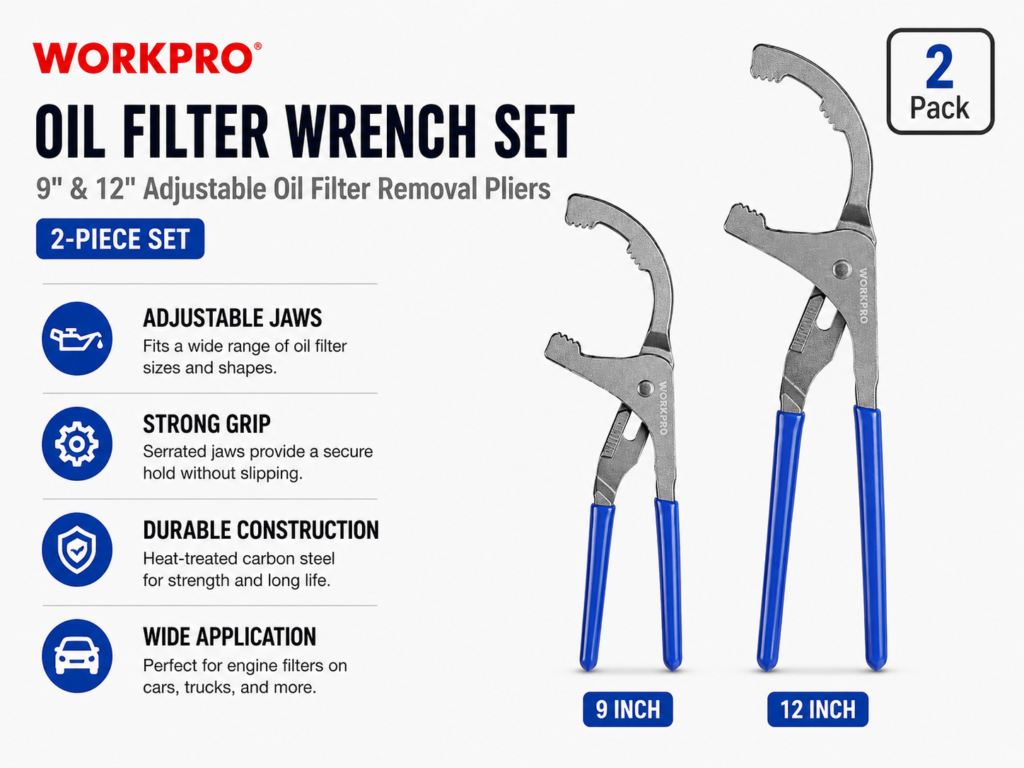
Adding Sea Foam to the crankcase — through the oil fill — dissolves sludge, varnish, and carbon deposits from internal engine surfaces. It also lubricates and quiets noisy lifters and valvetrain components. Add 1 oz per quart of oil capacity approximately 100–300 miles before an oil change, then drain the oil to remove the dissolved deposits along with the old oil. When that treatment is followed by an oil change, an oil filter removal tool can make removing the old filter much easier.
This is particularly useful for engines that tick or clatter on cold startup, engines that have been neglected on oil changes, or any high-mileage engine showing signs of internal buildup.
Through the Intake Manifold
The most aggressive cleaning method — and the one that produces the famous “Sea Foam smoke show” videos online. With the engine warm and running, slowly pour Sea Foam into a vacuum line or the brake booster hose to feed it directly into the intake. It dissolves heavy carbon deposits from intake valves and combustion chamber surfaces almost immediately. The result is a massive cloud of white smoke from the exhaust — that’s the dissolved carbon burning off. Let the engine idle for 10–15 minutes after treatment before driving hard.
This method is particularly effective on direct injection engines with significant intake valve carbon buildup — a problem that fuel-added treatments alone can’t fully address since DI injectors don’t spray past the intake valves.
Fuel Stabilization for Stored Vehicles
Modern ethanol-blended gasoline starts breaking down in as little as 30 days in storage. The ethanol absorbs moisture, the light fractions evaporate, and what’s left turns to varnish that gums up carburetors and fuel injectors. Sea Foam stabilizes stored fuel for up to 2 years — making it the go-to treatment for seasonal vehicles like motorcycles, lawn equipment, boats, and classic cars that sit for extended periods.
For winter storage, add Sea Foam to a full tank, run the engine for 10 minutes to circulate it through the system, then shut down for storage. Spring startup will be as smooth as if the car sat for a week rather than 6 months.



Safe for All Engines
Sea Foam is petroleum-based — compatible with gasoline and diesel engines, all oil types including synthetic, and all standard fuel system materials including rubber seals and plastic components. It does not contain alcohol, harsh solvents, or anything that attacks modern fuel system components.
See Sea Foam Motor Treatment on Amazon →
Frequently Asked Questions
How often should I use Sea Foam in my fuel tank?
For maintenance, once every 3,000 miles or at every oil change interval. For an initial cleaning on a vehicle with significant deposits, two consecutive tanks at the cleaning concentration, then switch to maintenance dosing.
Will Sea Foam hurt my catalytic converter?
No. Sea Foam burns clean and doesn’t damage catalytic converters. The white smoke produced during intake manifold treatment is water vapor and vaporized carbon — not harmful to the converter.
Can I add too much Sea Foam to my oil?
Yes. Exceeding the recommended 1 oz per quart of oil dilutes the oil’s viscosity and lubricating properties. Stick to the recommended ratio and change the oil promptly after treatment — don’t leave Sea Foam-treated oil in the engine beyond the recommended 100–300 mile window.
Will it quiet lifter noise?
Often yes, when the ticking is caused by sludge or varnish restricting oil flow to the lifters. If the noise is from worn or mechanically damaged lifters, Sea Foam won’t fix the mechanical wear but may reduce the noise from restriction-related starvation.
Is Sea Foam the same as adding acetone to fuel?
No. Sea Foam is a refined petroleum product specifically formulated for internal engine cleaning. Acetone is a harsh solvent not safe for rubber fuel system components. They are not interchangeable.
Jake spent eight years as a service advisor at a regional auto dealership before going independent. He’s owned everything from a ’98 Civic with 240,000 miles to a diesel truck that taught him more than any training course. He started writing for WhyIsMyCar.com because he was tired of watching people get talked into repairs they didn’t need — or ignore problems that were genuinely serious. Jake lives in Tennessee with his wife, two kids, and a garage that’s never quite organized enough.