
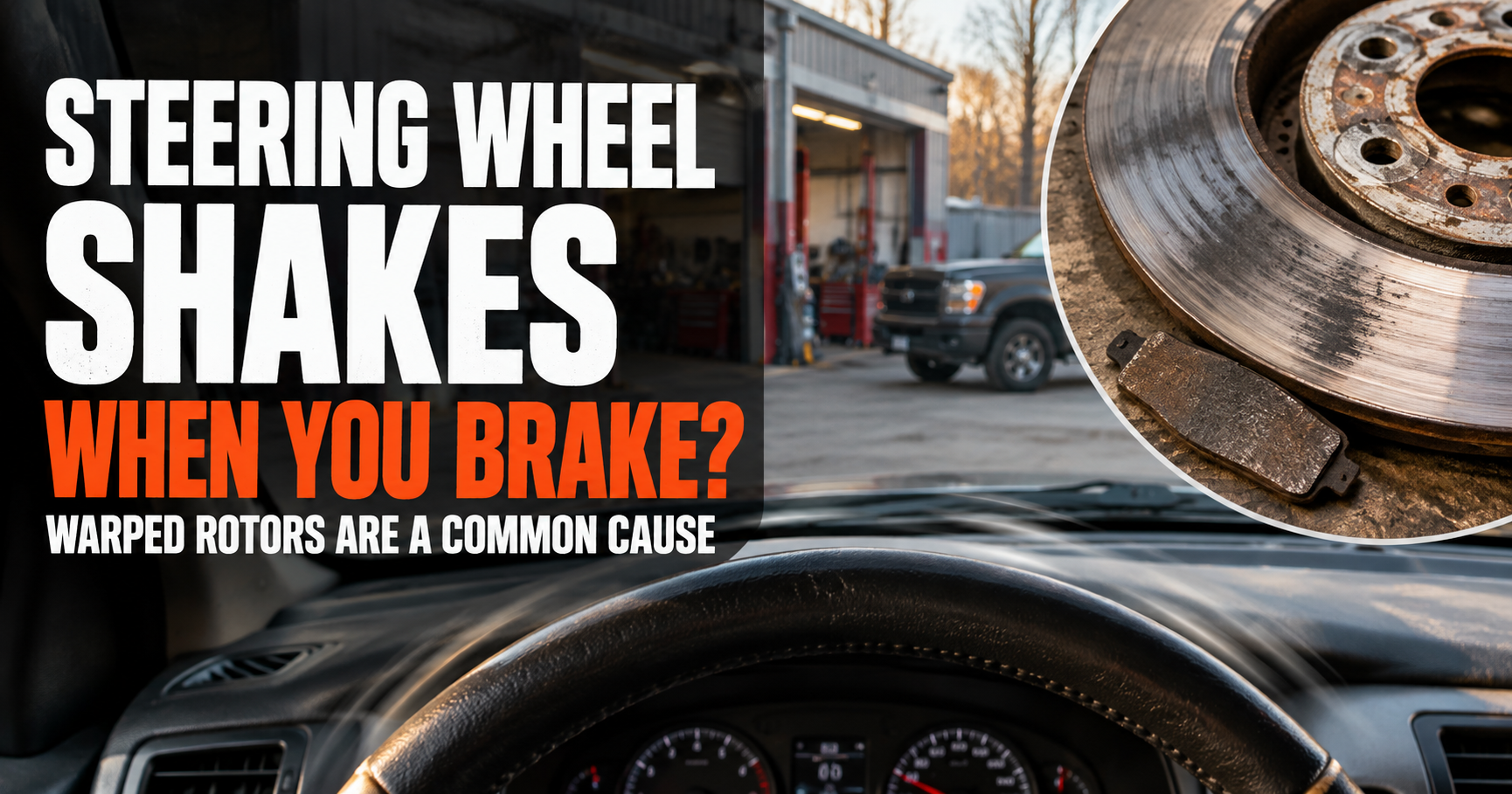
Your steering wheel feels fine while you’re driving. Then you press the brake pedal, and it starts shaking in your hands. The vibration might be slight on an ordinary street but much stronger when you slow down from highway speed.
That timing matters. When the shake starts only while braking, the brake system deserves a close look. Uneven contact between a brake pad and rotor is a common reason, but a sticking caliper or worn steering part can also be involved. You cannot tell which part needs repair from the vibration alone.
If the car is pulling hard, making a grinding sound, taking longer to stop, or shaking so badly that it is difficult to control, find a safe place to stop and arrange for an inspection. If it still brakes normally and the vibration is mild, schedule a brake inspection soon instead of waiting for the shake to get worse.
Why the Timing of the Shake Matters
Before you think about parts, notice exactly when the steering wheel moves.
Does it shake while you cruise at a steady speed, before you touch the brakes? Does it begin the instant you press the pedal? Does it happen only after you have been driving and braking for a while?
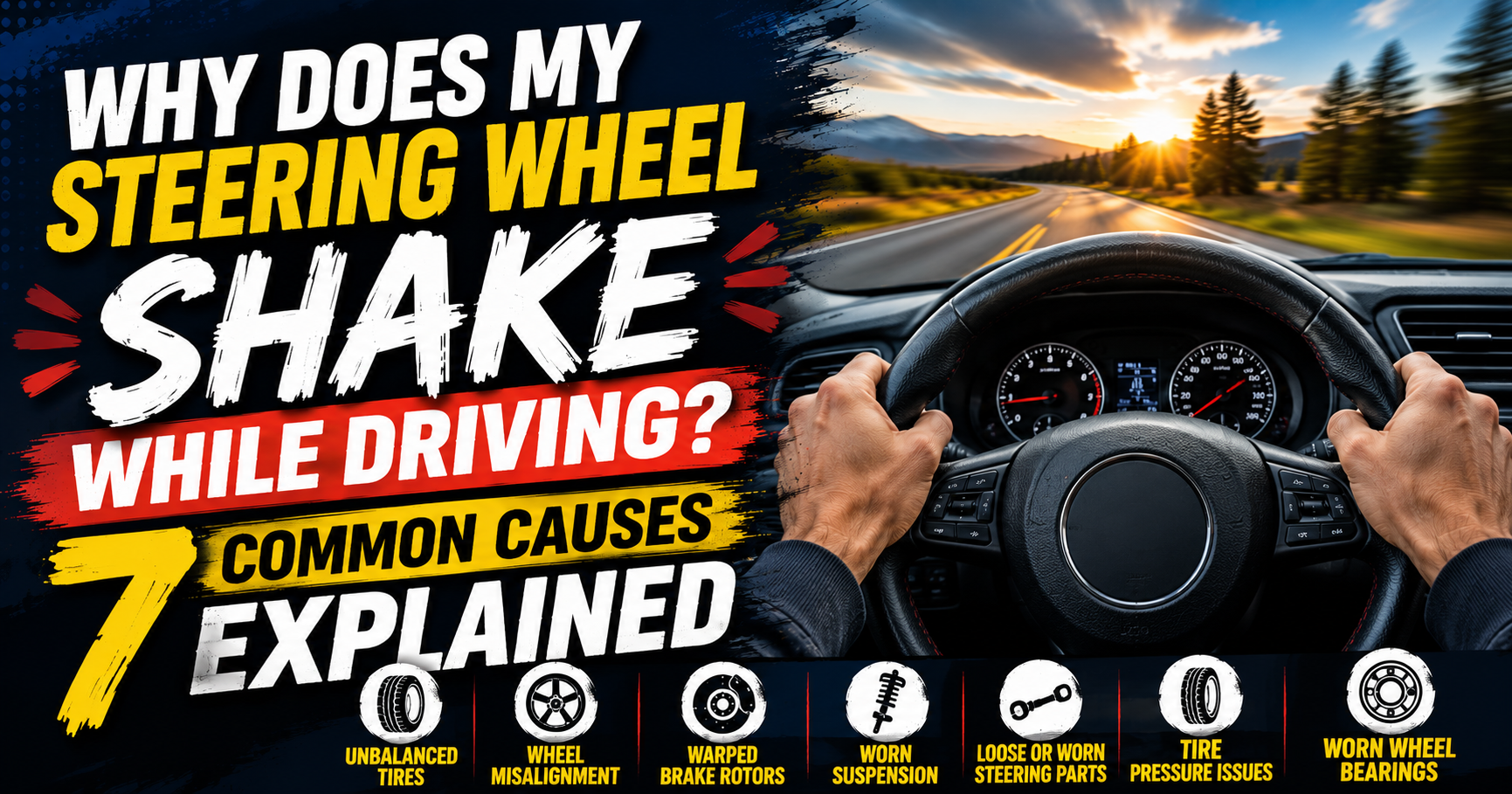
A vibration that happens at a steady speed can point toward a tire, wheel, or steering problem. We cover those possibilities in our guide to why a steering wheel shakes while driving.
A vibration that appears when you brake gives a mechanic a more specific clue. Pressing the pedal causes the brake pads to grip the rotating brake discs, also called rotors. If that contact is uneven, you may feel a repeating pulse through the pedal, the steering wheel, or the body of the car.
The location of the shake is another clue, although it does not prove which part has failed. A vibration concentrated in the steering wheel often leads an inspection toward the front of the car. A pulse mainly through the pedal or seat may call for checking other brakes as well. The entire system still needs to be examined before anyone decides what to replace.


Uneven Brake Rotors Are a Common Cause
A brake rotor spins with the wheel. Each time you apply the brakes, the pads press against its surfaces to slow the car.
If the rotor has uneven thickness or does not turn evenly, braking force can rise and fall as the wheel rotates. That repeated change can feel like a steering wheel shake or a pulsing brake pedal. You may notice it most when slowing from a higher speed because the vibration has more time to build before the car stops.
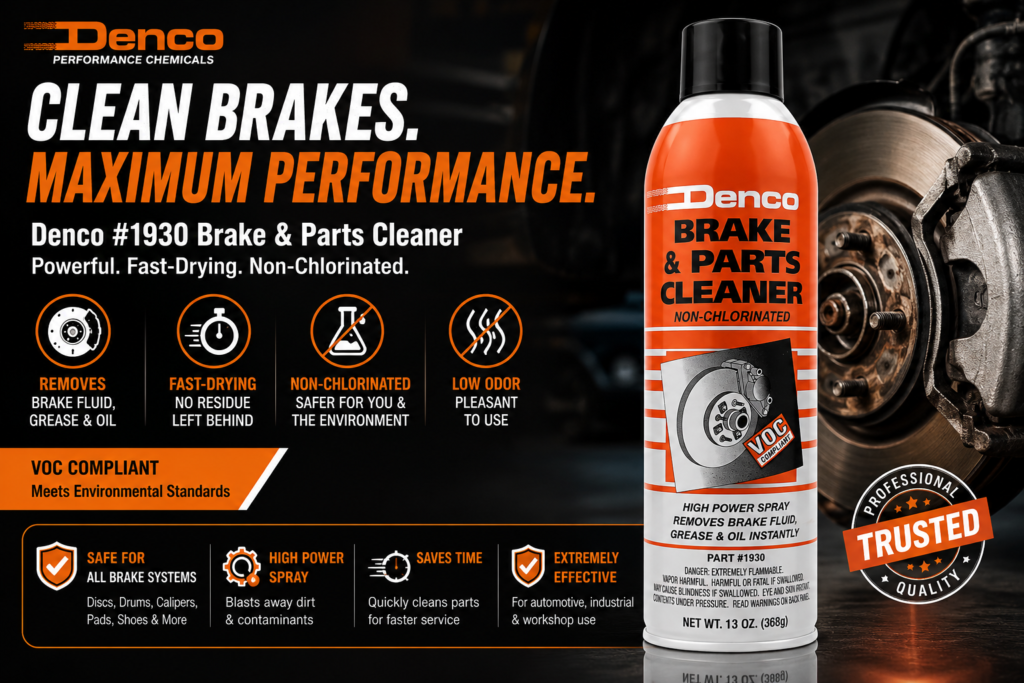
People often call this a “warped rotor,” but that phrase can make the problem sound simpler than it is. Uneven rotor thickness, surface deposits, corrosion, and installation issues can produce a similar symptom. A mechanic can measure the rotor and inspect the surrounding brake parts to find out what is actually happening. When surface contamination is suspected, cleaning brake surfaces outlines what brake cleaner can and cannot safely remove.
This is why I would not buy new rotors based on a symptom alone. If something else caused the uneven wear, replacing the rotors without addressing that cause may leave you with the same shake later.


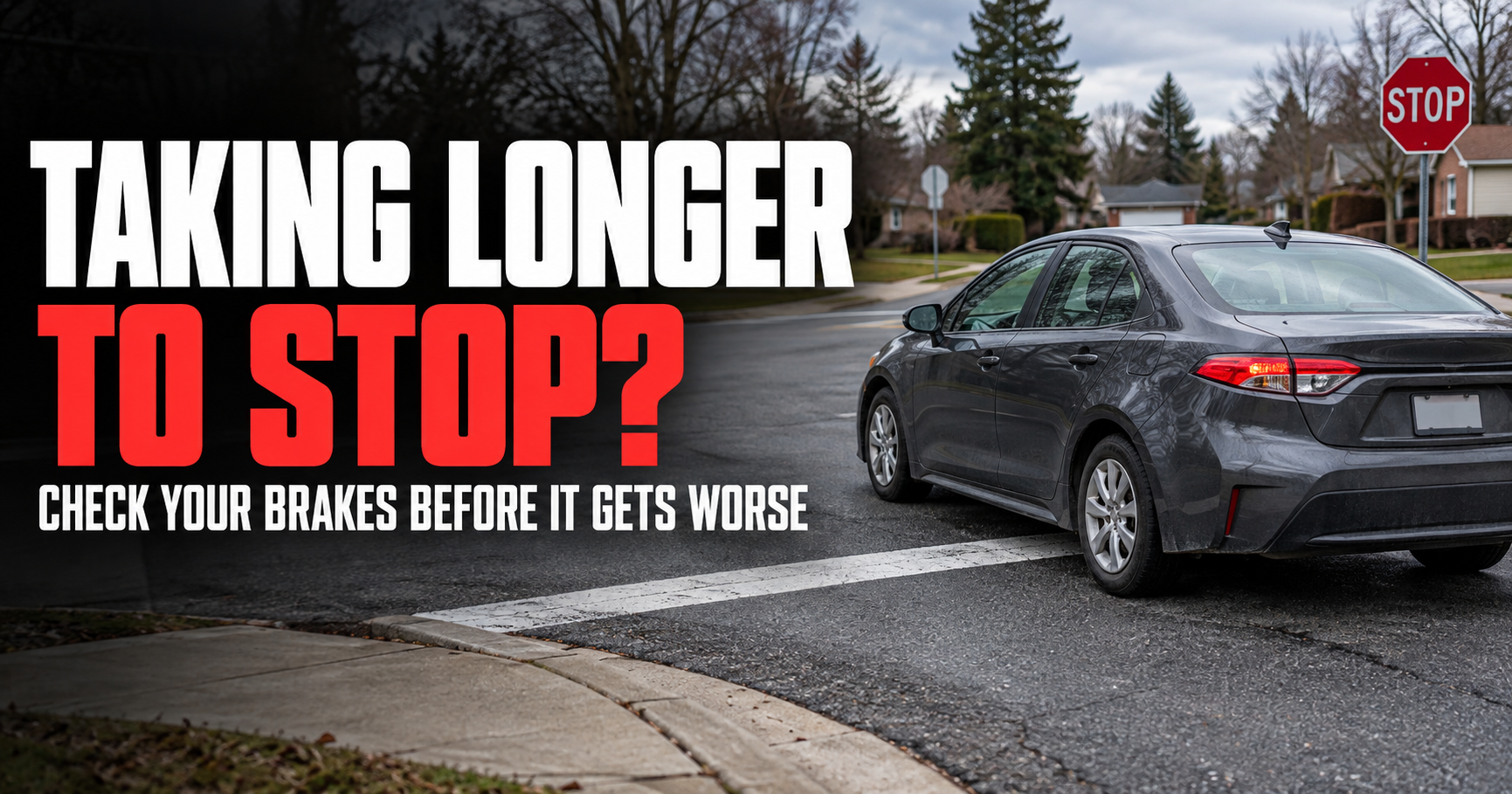
A Sticking Brake Caliper Can Make the Problem Come Back
The brake caliper helps squeeze the pads against the rotor. Its moving parts must also allow the pads to release properly when you take your foot off the pedal.
If a caliper or its guide pins stick, one pad may drag or press unevenly. That can create heat and uneven wear. In some cases, the car may pull toward one side when braking, or you may notice that the vibration grows worse after several stops.
A mechanic should check pad wear on both sides, caliper movement, and the condition of the rotor. If one brake has been running unusually hot, it is especially important to identify why before fitting new pads and rotors.
Do not touch a wheel, rotor, or caliper right after driving to see whether it is hot. Brake parts can cause a serious burn.
Worn Pads May Be Part of the Problem
Brake pads wear down with use. A pad that is badly worn, damaged, contaminated, or wearing unevenly may contribute to rough braking. Severely worn pads can also damage the rotor they are supposed to grip.

Pay attention to sounds along with the shake. A squeal can have several causes, while grinding deserves prompt attention because metal parts may be contacting each other. Our guide to car noises when braking can help you describe what you hear.
Sound alone cannot confirm that you only need pads. The pads, rotors, calipers, and hardware should be inspected together, especially if the steering wheel is already vibrating.
Steering or Suspension Wear Can Add to the Shake
The brakes may start a vibration that becomes more noticeable because another part has looseness. Tie rods, ball joints, control arm components, and wheel bearings are among the parts a technician may check when the steering wheel moves under braking.
That does not mean every braking vibration calls for a suspension rebuild. It means a good diagnosis should look beyond the rotor if the car also feels loose, wanders, clunks over bumps, or pulls to one side.
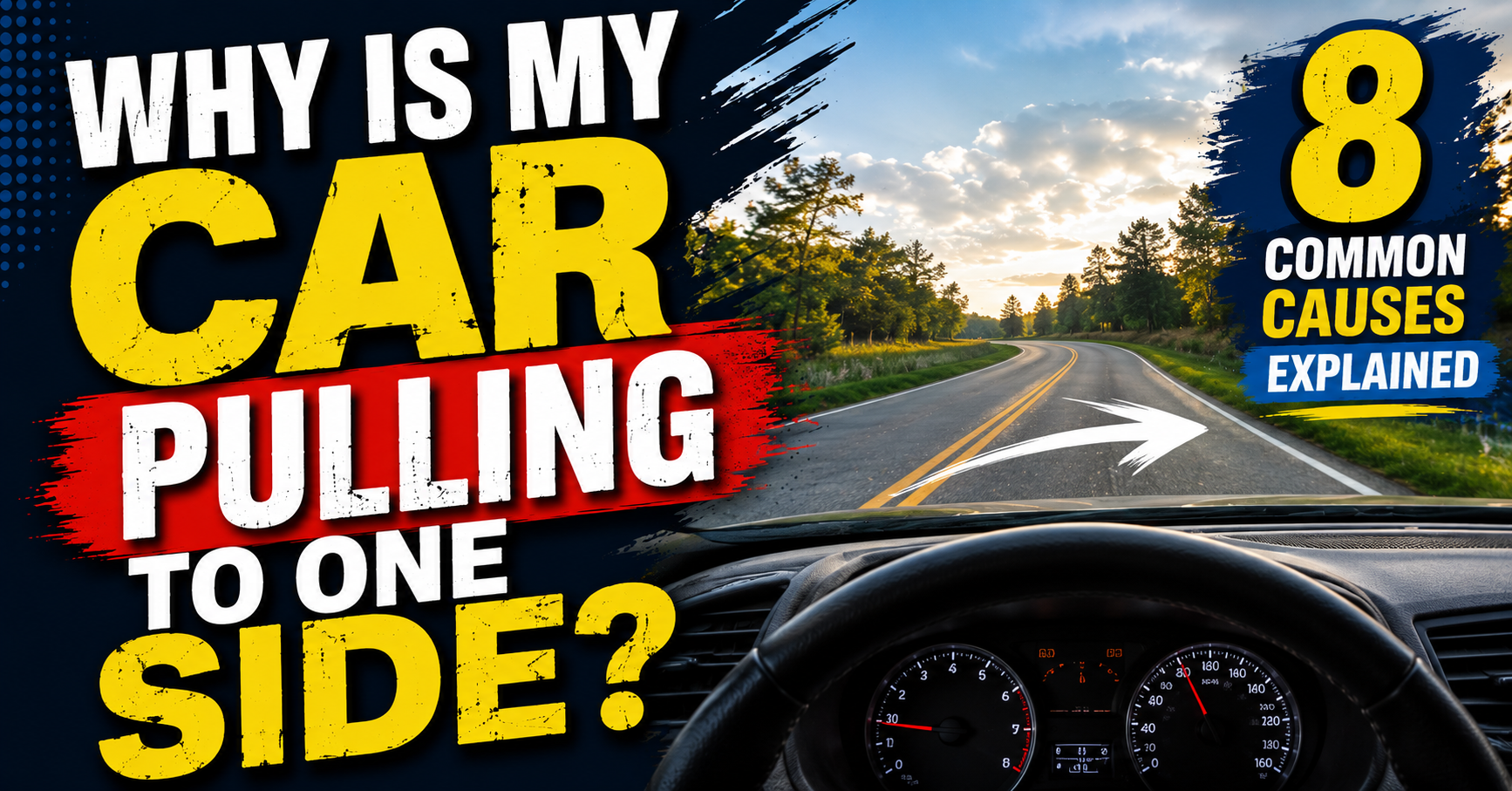
If your car pulls even when you are not braking, our article on why a car pulls to one side covers the tire, alignment, and steering clues to watch for. Tell the mechanic whether the pulling happens all the time or only as you slow down. That distinction can save time during the inspection.
What If the Whole Car Shakes When You Brake?
Sometimes the steering wheel is only part of what you feel. The brake pedal pulses, the seat vibrates, or the whole car shudders as it slows.
Those symptoms can still come from uneven braking, but they make it especially useful to tell the mechanic where you feel the movement. A front brake problem may be more obvious through the steering wheel. Vibration felt through the seat or body can draw attention to the rear of the car, although it is not a reliable diagnosis by itself.
Try to describe the pattern without guessing at the repair: “The steering wheel shakes when I brake from 50 mph, and I also feel a pulse in the pedal” is much more useful than “I need new rotors.”

If you are unsure whether the vibration is tied to braking at all, our broader guide to why a car shakes separates shaking at idle, while accelerating, at speed, and while stopping.
Why It Can Feel Worse at Highway Speed
A mild brake vibration may be difficult to notice at 20 mph. Slow down from 65 mph, though, and the same problem can become hard to miss.
Higher speed does not automatically mean the brakes are more damaged than they were yesterday. It gives the vibration a different feel and can make a repeated pulse through the steering wheel more obvious. Heat can also change how a brake problem feels over the course of a drive.
Notice whether it happens on the first stop of the day, only after repeated braking, or mainly during long downhill stretches. Share that detail when you book the inspection. It may help the technician reproduce the problem under appropriate conditions.
Do not deliberately make repeated high-speed stops to test it yourself. If normal driving has already made the symptom clear, you have enough information to report.
Could It Be the ABS Working?
An antilock braking system, or ABS, can cause a rapid pulsing sensation during a hard stop when it activates. You are more likely to notice that on a slippery surface or during emergency braking.
That is different from a steering wheel that shakes during ordinary stops on dry pavement. If you feel the vibration every time you gently slow down, do not assume it is normal ABS activity.
An ABS warning light also deserves attention. The light and the vibration might be related, or they might be separate issues. Have the warning diagnosed instead of using it to guess which brake part to replace.
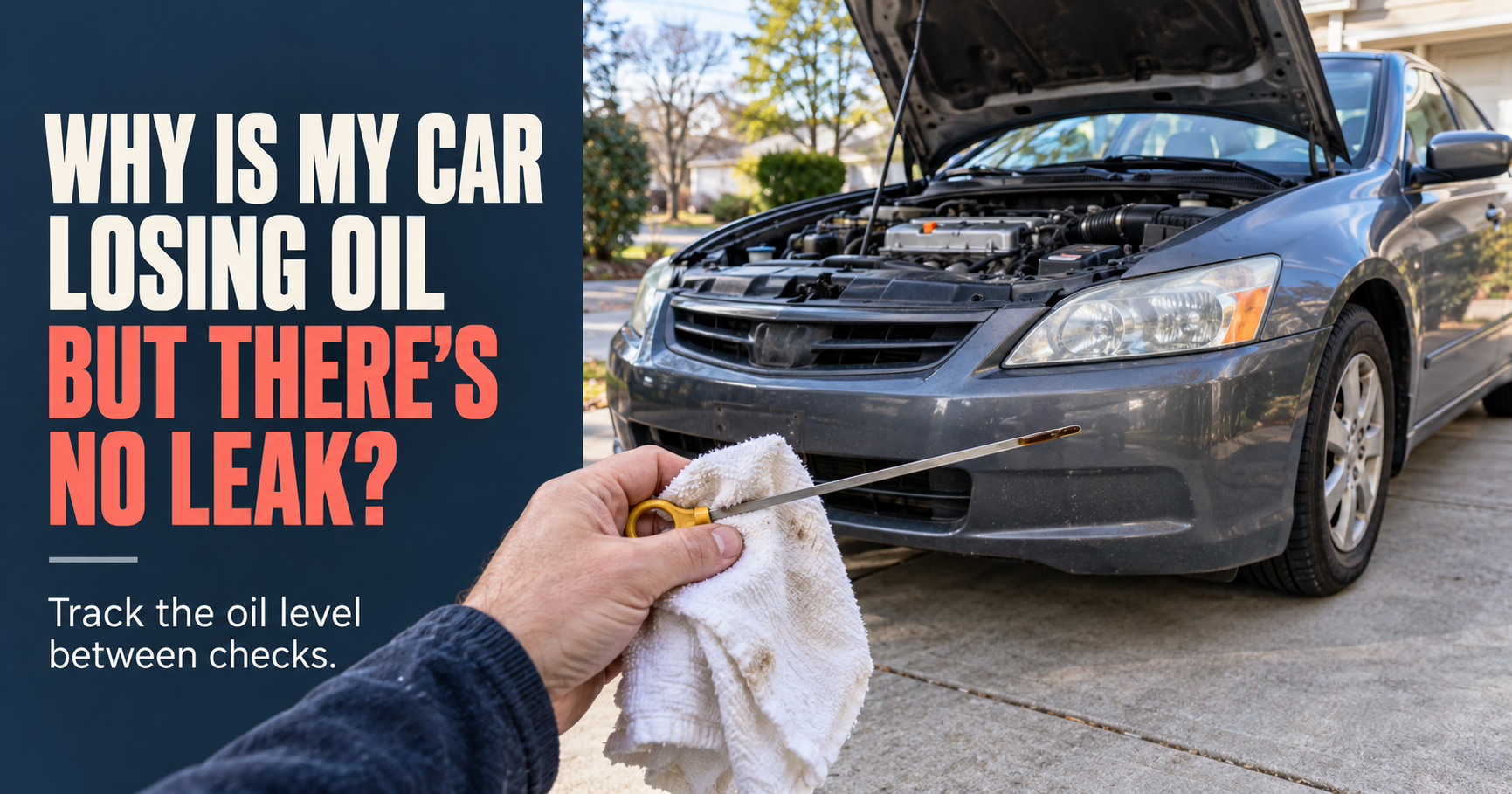
Is It Safe to Drive With a Shaking Steering Wheel?
I would treat a new braking vibration as a reason to arrange an inspection soon. Even when the car seems to stop normally, you do not yet know whether the cause is uneven rotor wear, a brake that is dragging, or looseness in the steering.
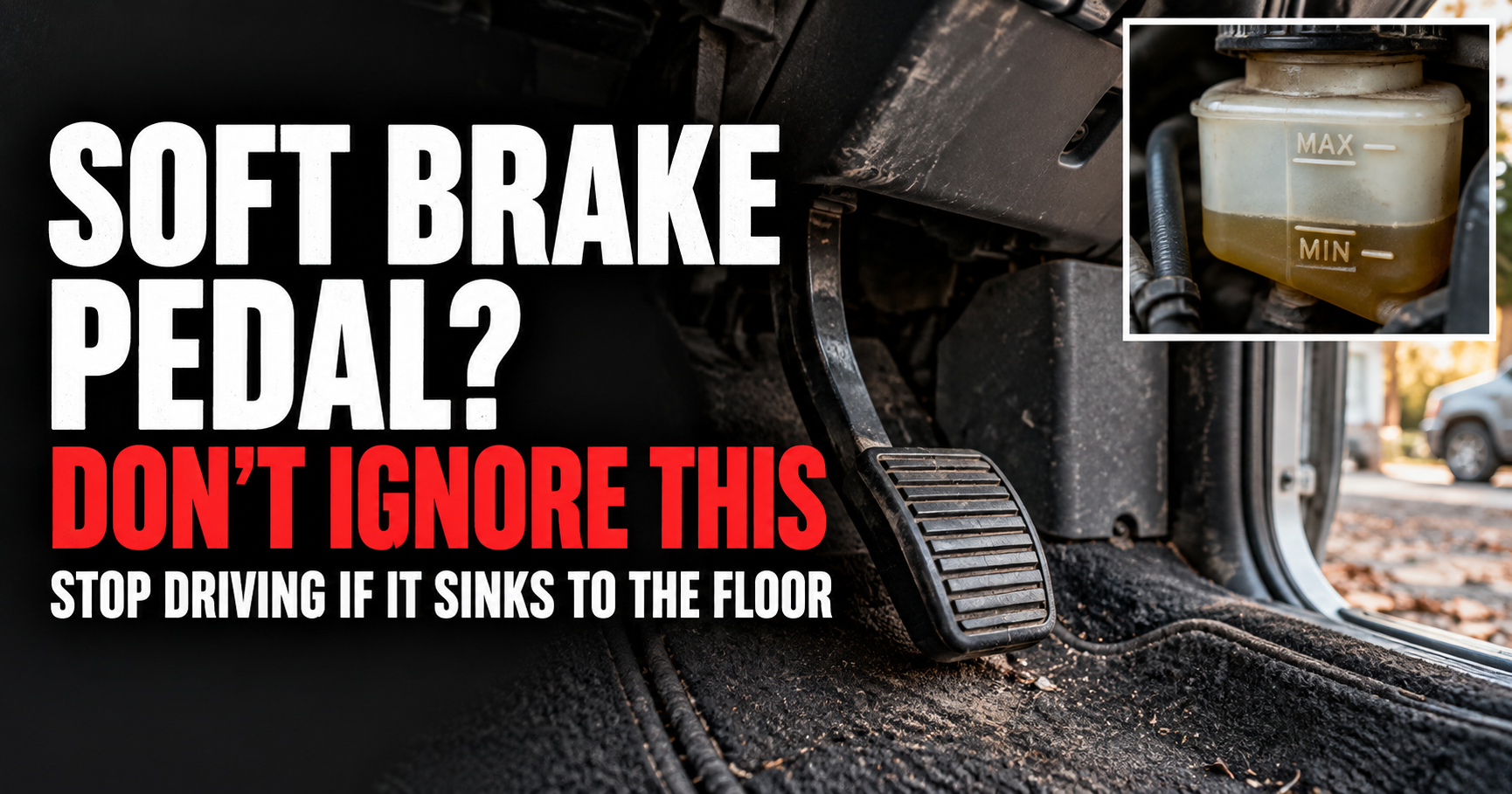
Stop driving and get help if braking performance changes, the pedal feels unusually soft, the car pulls sharply, you hear grinding, you smell something burning, you see smoke near a wheel, or the shaking makes steering difficult. Do not drive farther just to see whether the problem clears up.
If the vibration is mild and the brakes otherwise feel normal, avoid putting off the inspection for weeks. Brake and steering problems are easier to deal with when you find the cause before additional parts wear.
What You Can Check Without Taking the Brakes Apart
You can gather useful clues while the car is parked and during the ordinary driving that first revealed the problem. You do not need to remove a wheel or take a brake apart to prepare for an appointment.
First, note whether the steering wheel shakes only under braking or also while cruising. Then note the approximate speed, whether the pedal pulses, and whether the car pulls left or right. Pay attention to grinding, squealing, or a burning smell.
Look through the wheel openings, if you can do so safely while parked, for an obvious difference in how the brake parts appear on the left and right. A visible mark or rust patch does not by itself diagnose the problem, and much of the braking surface may be hidden. Treat what you see as information to pass along, not a reason to order parts.
If a tire looks low or damaged, have that checked too. A tire problem may cause a separate vibration that becomes easier to notice as the car slows.

What to Ask the Mechanic to Inspect
You can be specific without telling the shop what repair to perform. Describe the symptom and ask for an inspection of the brake and steering parts that could cause it.
For example, you could say: “The steering wheel shakes when I brake from about 45 mph or faster. It does not shake when I cruise at that speed. Please check the pads, rotors, calipers, and front steering components before recommending a repair.”
A useful inspection may include checking pad wear, rotor condition and measurements, caliper operation, brake hardware, and any looseness in the wheel or steering components. The exact checks depend on the vehicle and what the technician finds.
If the estimate says “pads and rotors,” ask what the inspection showed. Were the rotors measured? Were the pads wearing evenly? Did the calipers move and release properly? Those questions help you understand whether the proposed work addresses the cause of the shake.
Will New Brake Rotors Fix It?
They might, if the rotors are the confirmed source of the vibration and the rest of the system is working correctly. But a rotor replacement is not a universal fix for a shaking steering wheel.
A sticking caliper can wear a new rotor unevenly. A loose steering part can leave you with vibration after the brake job. Even an issue with how a wheel or rotor is mounted can matter. That is why the inspection should come before the parts order.
The best result is not simply a steering wheel that feels smooth on the first drive home. It is knowing what caused the shake, fixing that cause, and confirming that the car brakes steadily afterward.
Questions Drivers Often Have
Why does my steering wheel shake only when I press the brakes?
Braking puts the pads in contact with the rotors. If that contact is uneven, or a related brake or steering part has a problem, you may feel a vibration that does not appear while cruising. A brake inspection is needed to identify the cause.
Why does the steering wheel shake when braking from high speed but not at low speed?
A brake vibration can be much more noticeable while slowing from highway speed. Tell the shop the speeds where it happens and whether it changes after repeated stops. Do not assume that feeling fine at neighborhood speeds means the brakes are fine.
Can bad tires cause shaking when braking?
A tire or wheel problem can cause vibration, but it commonly appears while driving at a certain speed even without braking. If you notice shaking both while cruising and while slowing down, mention both symptoms so the shop checks the tires and wheels along with the brakes. You can compare related symptoms in other car symptom guides before describing them to a shop.
Does a pulsing brake pedal mean the rotors are bad?
Rotor thickness variation is one possible cause of brake pulsation, but the pedal sensation alone does not prove the rotors need replacement. The shop should inspect and measure the brake parts before recommending a repair.
Should I replace the brake pads and rotors myself?

Brake work affects how the car stops. If you do not have the correct equipment, vehicle-specific instructions, and experience to inspect and complete the job safely, have a qualified technician do it. Even if you plan to handle the repair yourself, identify the actual cause before buying parts. If you have the experience to do the repair safely, an impact socket set for brake work can provide the common sizes needed for automotive fasteners.
What If the Shake Started Right After a Brake Job?
Tell the shop when the brake work was done and whether the shake began immediately or appeared weeks later. That timeline can help narrow down the cause.

A technician may need to check whether the rotor sits properly against the hub, whether the wheel was installed correctly, and whether the new pads and rotors are wearing evenly. A sticking caliper or an issue that was present before the repair may also have been missed. The fact that the vibration followed a brake job does not prove the new parts are defective, but it is a good reason to return to the shop and have the work checked. Correctly torque lug nuts after brake work is also part of reinstalling a wheel after brake service.
Bring the invoice if you have it. It tells the technician which parts were replaced and which were left in place. If the same shop performed the repair, ask them to reproduce the shake and explain what they find before agreeing to another set of parts.
Why the Shake May Come and Go
An intermittent shake can still be a real brake problem. You may notice it during a longer drive, after several stops, or while slowing down a hill, then struggle to feel it the next morning.
Brake temperature and driving conditions can change how strongly a vibration comes through the steering wheel. Rust that forms while a car sits may also affect how the brakes feel during the first few stops. A brief sensation that disappears is different from a recurring shake, but repeated braking vibration deserves an inspection even if it is not present on every trip.
Write down the conditions while they are fresh in your mind. “It happens after 20 minutes of driving, mostly when slowing from 55 mph” gives a shop more to work with than “sometimes the wheel shakes.”
Why One New Rotor Might Not Solve the Problem
It is tempting to replace whichever rotor looks worst and see whether the steering wheel smooths out. The risk is missing the reason that rotor developed a problem.
For instance, if one caliper is not releasing properly, a new rotor on that corner may face the same excess heat and wear. If there is looseness in a steering component, the brake repair may improve one symptom while leaving another. A proper inspection should check the condition of the brakes on both sides of the axle and look for an underlying cause.
Ask the shop what they found on the opposite side, too. You do not have to diagnose the car yourself to understand why they recommend the work shown on an estimate.
Can You Tell Which Side Is Causing It?
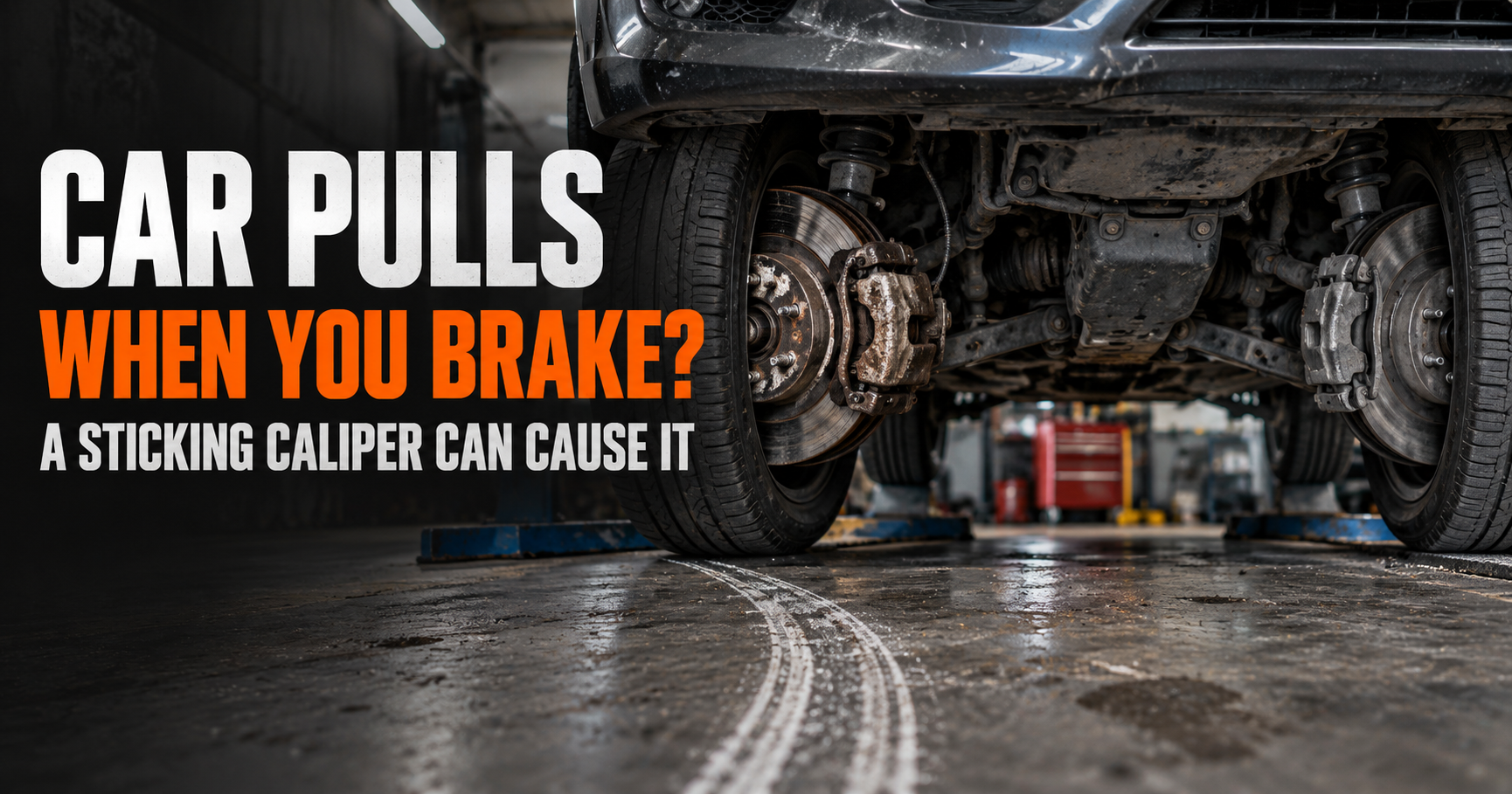
A pull to the left or right while braking is useful information, but it is not a dependable way to name the failed part yourself. Tire condition, road slope, brake force, and steering wear can all affect what you feel through the wheel.
Avoid using repeated hard stops to figure out which side is at fault. Tell the mechanic which direction the car pulls, whether the steering wheel shakes at the same time, and whether either symptom appears without braking. Let the inspection determine which parts need attention.
What About a Shake With No Grinding or Squealing?
Brakes can vibrate without making an obvious noise. No squeal does not rule out uneven rotor thickness, a sticking component, or another problem.
It is equally possible to have a braking noise without a steering wheel shake. That is why it helps to describe each symptom separately. Note the sound, the vibration, the speed, and what the brake pedal feels like. Together, those details tell a more useful story than any one symptom alone.
A Simple Way to Describe the Problem at the Shop
Before your appointment, put the symptoms into one or two sentences. You might say:
“The steering wheel stays steady while I’m cruising, but it shakes when I brake from around 50 mph. I feel a slight pulse in the pedal. It started last week, and I haven’t noticed any grinding.”
Change that description to match what actually happens in your car. Include any recent brake or tire work, pulling, warning lights, or changes in stopping distance.
Then ask the shop to show you what the inspection found. If a rotor needs replacement, ask what measurement or condition led to that recommendation and whether the caliper and pads are operating normally. That conversation is more useful than trying to guess the repair from the driver’s seat.
Why the Brake Pedal May Pulse at the Same Time
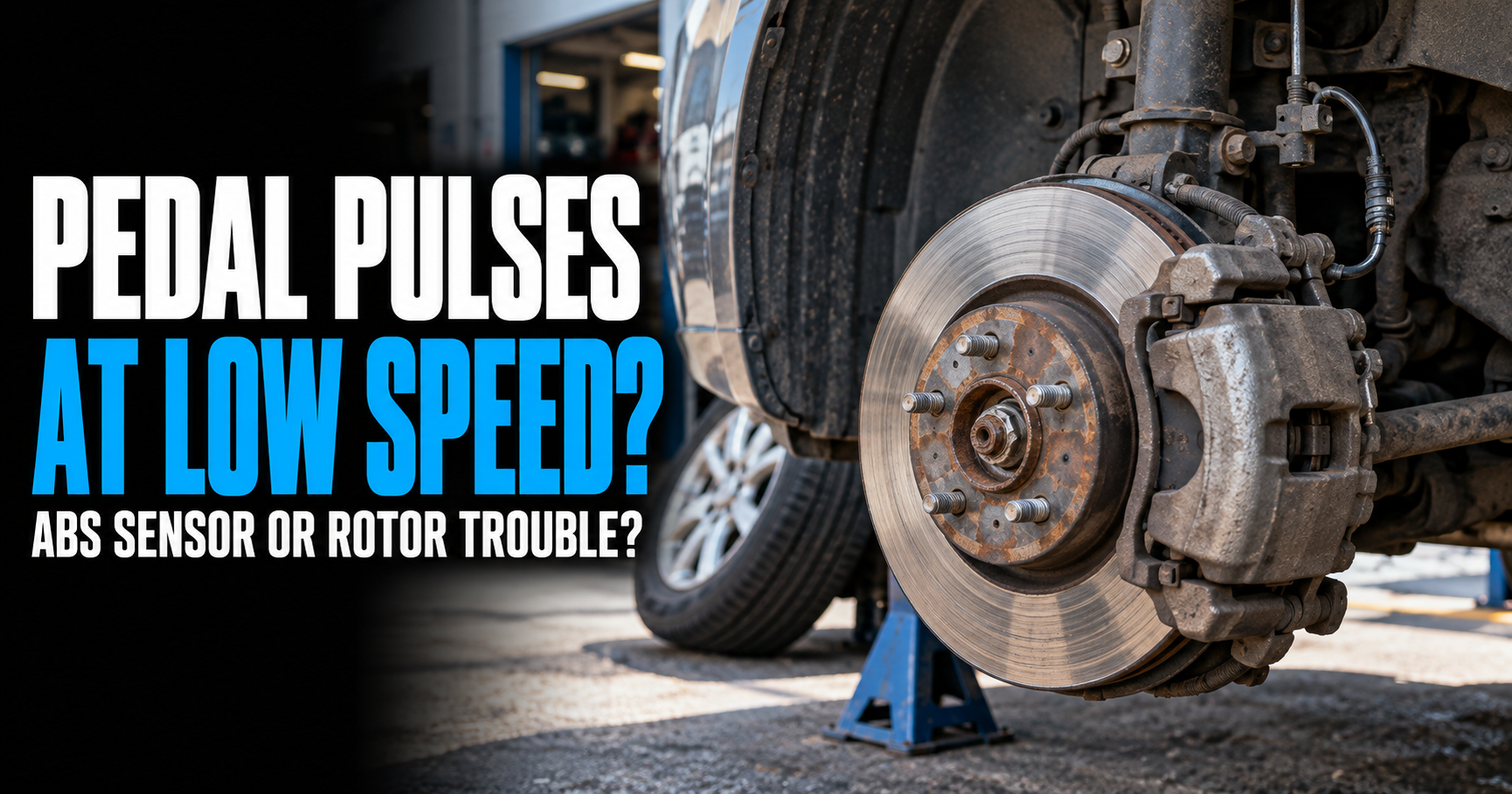
When the brake pedal pulses along with the steering wheel, tell the mechanic about both sensations. A repeated change in braking force can travel through more than one part of the car. Where you feel it helps describe the problem, but it does not identify a particular rotor on its own.
Try to notice whether the pulse matches the shake. Does it speed up or slow down as the car does? Does it happen during every ordinary stop, or only when you brake firmly? Those are useful details for a technician trying to reproduce the symptom.
A rapid pedal pulse during a hard stop on a slippery road may be ABS working as intended. A recurring pulse during gentle stops on dry pavement calls for a brake inspection.
Can a Loose Wheel Cause Similar Symptoms?
A wheel that was not installed securely is a serious possibility, particularly if the shaking began right after tire or brake work. The vibration may occur outside braking, too, and it may get worse quickly.
If you suspect a wheel is loose, stop in a safe place and do not keep driving to test it. Arrange for the wheel and its mounting hardware to be checked. This is one reason a new, severe vibration after shop work should be addressed right away rather than added to a list for the next routine service.
For a milder shake that appears only under braking, still mention any recent wheel removal. The timeline may help the technician check how the wheel, rotor, and hub are seated.
How Rotor Corrosion Can Change the Feel of Braking
A car that has sat for a while may develop surface rust on its brake rotors. You might feel or hear roughness during the first few stops. Light surface rust can wear away as the brakes are used, but that is not a reason to dismiss a shake that persists or returns.
Corrosion may also be uneven. If the car sat for an extended period and the steering wheel now vibrates whenever you brake, let the mechanic know how long it was parked. That history can help them inspect the rotor surfaces and measure their condition.
Avoid assuming that one drive will “clean up” a strong vibration. If braking feels rough, the car pulls, or the symptom continues, have it checked.
What Happens During a Brake Vibration Inspection?
A useful inspection starts with your description of the problem. The technician may confirm when the vibration occurs, then examine the tires, wheels, steering components, and brakes.
On the brake side, they may look for uneven pad wear, damaged or corroded rotors, parts that do not move freely, and differences between the left and right sides. They may also measure rotor condition instead of judging it by appearance alone.
The repair depends on those findings. One car may need brake work; another may need attention to a sticking caliper or worn steering part. If a shop recommends a repair without checking the cause of the vibration, ask what they observed and how the proposed work addresses it.
How to Tell Whether the Repair Worked
After the repair, the car should slow down smoothly during the same kinds of ordinary stops that previously caused the shake. The steering wheel should stay steady, the brake pedal should feel normal for your car, and the vehicle should not pull unexpectedly.
Follow any driving instructions the shop gives you for newly installed brake parts. Then pay attention over the next several drives, including the speed and conditions where the problem used to appear.
If the shake returns, contact the shop and describe when it came back. A recurring vibration does not automatically mean the replacement parts failed. It does mean the car needs another look at the brake system and anything that could have caused the uneven braking in the first place.
The Detail I Would Pay Attention to First
If I were trying to describe this problem clearly, I would start with one observation: Does the steering wheel shake before I touch the brakes, or only after I press the pedal?
From there, I would note the speed, whether the pedal pulses, whether the car pulls, and whether the symptom changes after several stops. Those details will not replace an inspection, but they give the mechanic a much better starting point and make it easier to tell whether the eventual repair solved the problem.
By Dana Callahan, Why Is My Car.