
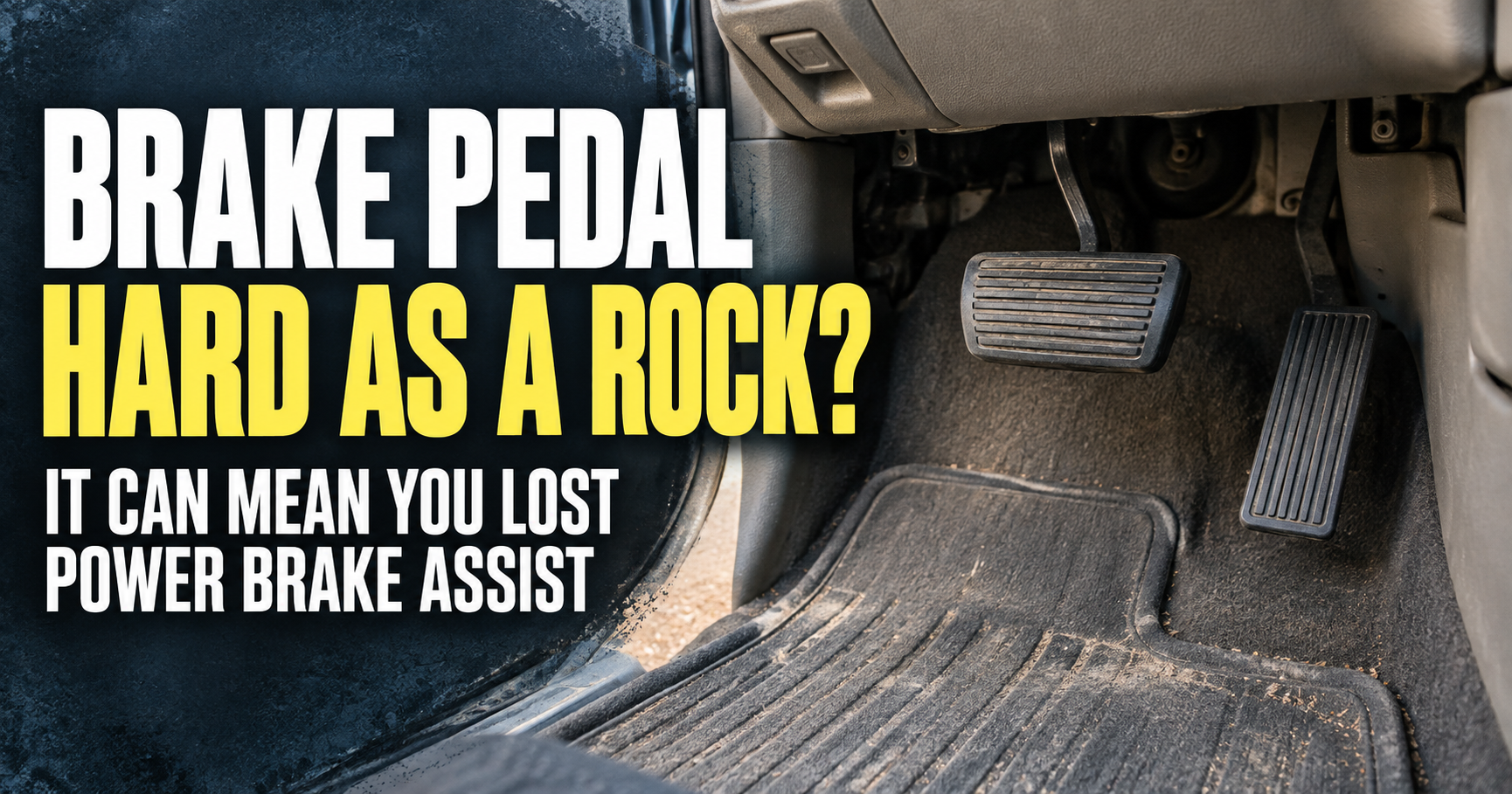
You press the brake pedal and it barely moves. The car may still slow down, but it takes much more force from your leg than it did before.
A suddenly hard brake pedal can mean the power assistance that helps you brake is not working properly. Depending on the vehicle, the problem may involve a brake booster, its vacuum supply, a pump, or another part of the assist system. A hard pedal while the engine is off can be normal after the remaining assist is used up. A hard pedal while the car is running and moving is a different matter.
If the change happens while driving, leave extra room, slow down carefully, and find a safe place to stop. If it takes unusual force to brake or the car does not slow as expected, do not drive it to a repair shop. Arrange a tow and have the braking system inspected.
Is the Pedal Hard Only When the Engine Is Off?
This is the first detail I would sort out. In many cars, power brake assistance is available while the engine is running. After the engine is shut off, a limited amount of assistance may remain. Press the pedal several times with the engine off, and it can become noticeably firmer.
That alone does not mean something has broken. What matters is whether the pedal returns to its usual feel when the car is started and whether braking feels normal during ordinary driving.
Do not use this observation as a reason to dismiss a change you felt on the road. If the pedal became hard while the engine was running, if the engine stalled, or if the car required more distance to stop, tell a technician exactly when it happened.


What the Brake Booster Does
Most drivers do not need to know the names of brake parts to recognize that something feels wrong. The brake booster is useful to understand because it helps reduce the effort needed to press the pedal and stop the car.
Many vehicles use engine vacuum to provide that assistance. Others use a vacuum pump or a different power assist design. The details vary by vehicle, so a mechanic needs to check how your braking system is equipped before deciding what failed.
When assist is lost or reduced, the pedal can feel high and stiff. You may still have some braking ability, but it can take considerably more force. That difference is a safety problem, especially if you need to stop quickly.
If the pedal suddenly became hard during a drive, arrange an inspection before using the car again.

A Vacuum Leak Can Reduce Brake Assistance
On a vehicle with a vacuum assisted brake booster, a hose and related components help supply the vacuum the booster needs. A leak, disconnected hose, or other fault in that supply can leave the pedal harder to press.
Sometimes a driver notices a hissing sound when pressing or releasing the brake. The engine may also run differently if there is a significant vacuum leak. Those are clues to tell the shop, not proof that a particular hose is bad.
You do not need to pull hoses apart to investigate. Describe the pedal change and any sound you heard. A technician can check the vacuum supply and booster using the procedure for your vehicle.
The Brake Booster Itself May Have a Problem
A brake booster can fail internally or stop providing its normal assistance. When that happens, the most obvious symptom may be that familiar, easy pedal effort is gone.
The pedal might seem normal one day and unusually stiff the next. Or the change could happen during a trip. Either way, the shop should check the booster and the parts that supply it before recommending replacement.
A hard pedal does not automatically mean you need a new booster. A problem elsewhere in the assist system can produce a similar feeling. Ask what the technician tested and what result led to the diagnosis.
A Vacuum Pump or Other Assist System Can Fail
Some vehicles depend on a separate pump or another design to provide brake assistance. A technician should identify the specific system before applying advice intended for a different car.
This matters if you read an article or watch a video that says every hard pedal comes from an engine vacuum hose. That may be a useful place to check on one vehicle and the wrong place to begin on another.
When you call the shop, give them the vehicle’s year, make, model, and engine or trim if you know it. Tell them whether any warning appeared on the dash. That gives them a better starting point for checking the system fitted to your car.
What If the Engine Stalled Right Before the Pedal Became Hard?
That sequence is important. If the engine shuts off while the car is moving, brake assistance may become limited after the remaining reserve is used. Steering assistance may also change, depending on the vehicle.
Concentrate on guiding the car to a safe place and stopping it. Once parked, do not assume the only issue is a brake booster. The engine stall itself needs diagnosis.
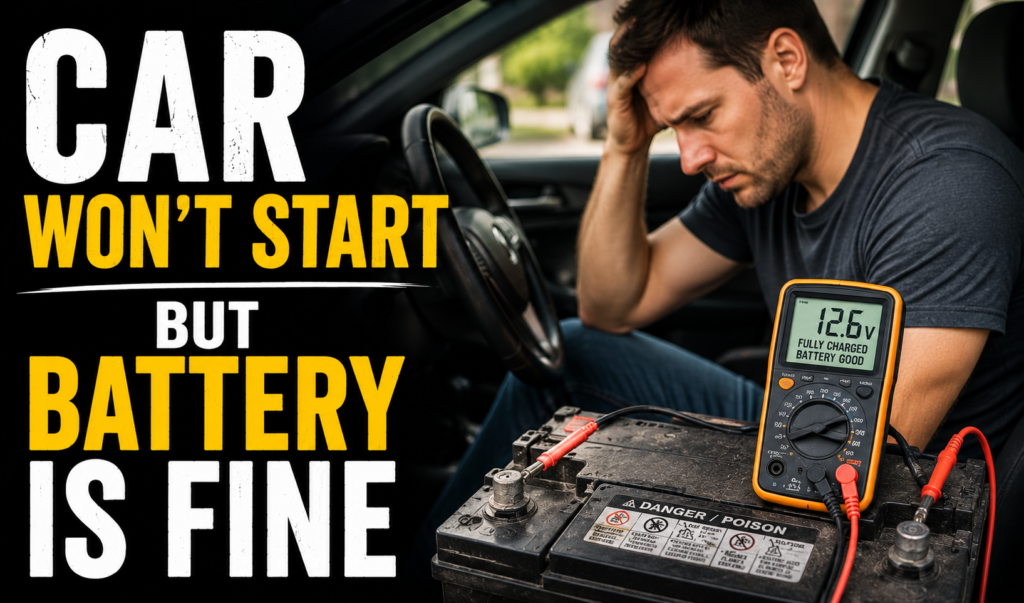
Our guide to why a car will not start even when the battery seems fine covers a different starting problem. If your engine stalled while driving, make that timing clear to the repair shop instead of describing the situation simply as a no-start.

Hard and Soft Brake Pedals Point to Different Clues
A hard pedal resists your foot and takes unusual force to press. A soft or spongy pedal travels too easily or farther than normal. Either change deserves attention, but they do not point to exactly the same starting checks.
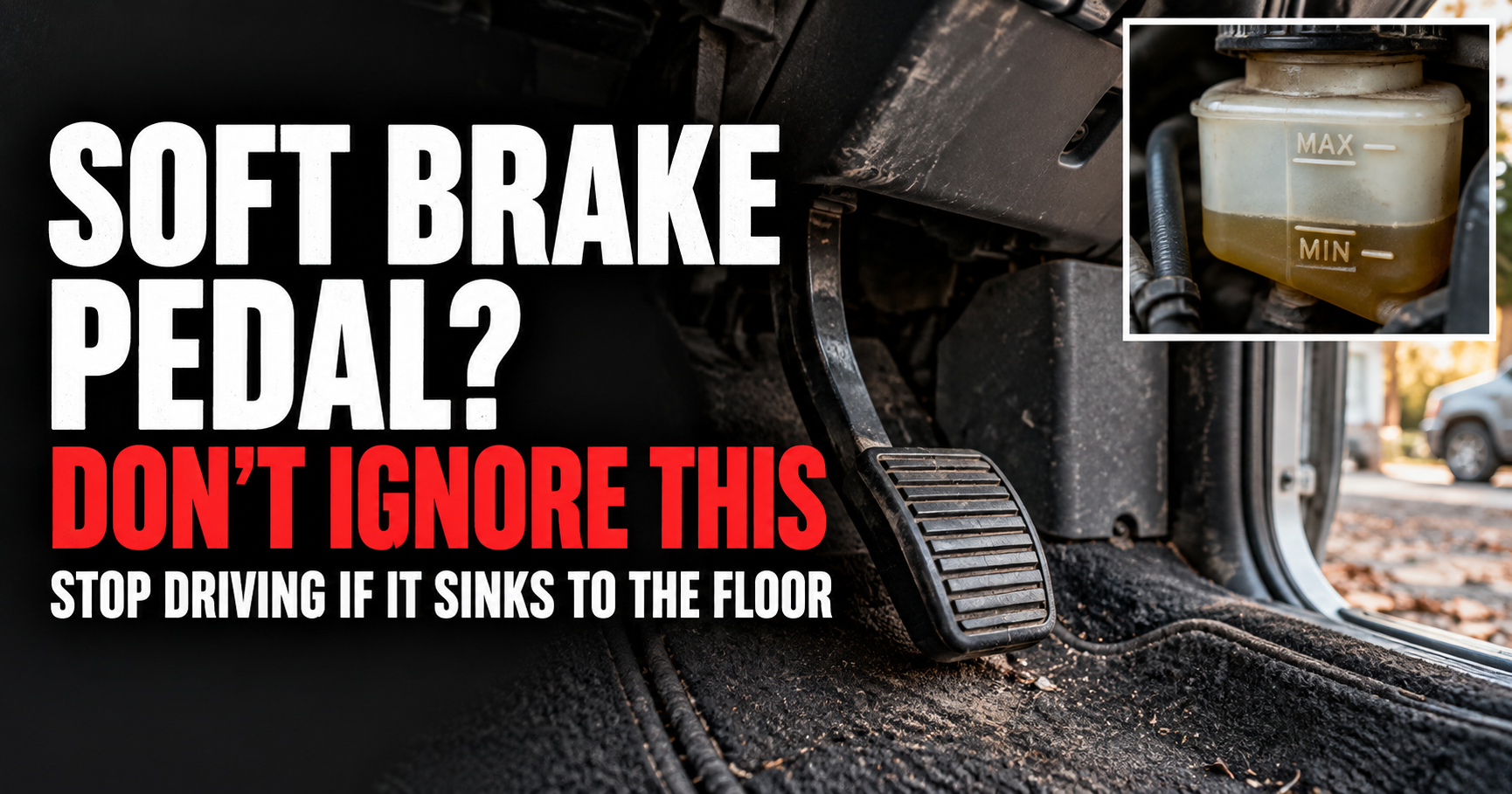
Our guide to a soft brake pedal covers air in the hydraulic system, leaks, and a pedal that sinks under steady pressure.
Be precise when you describe yours. “I need to press much harder, and the pedal barely moves” is different from “the pedal goes almost to the floor.” That distinction helps the shop choose the right diagnostic path.
Could It Just Be Worn Brake Pads?
Worn pads are important to inspect, especially if you hear grinding or the car takes longer to stop. But pads alone are not the first explanation I would assume for a pedal that suddenly requires far more force to push.

Tell the shop if the pedal feel changed quickly. Mention any noise separately. Our article on what car noises during braking can mean can help you put the sound into words.
A full brake inspection can check pad condition while the technician investigates why pedal assistance has changed.
What If the Pedal Is Hard and the Car Pulls?
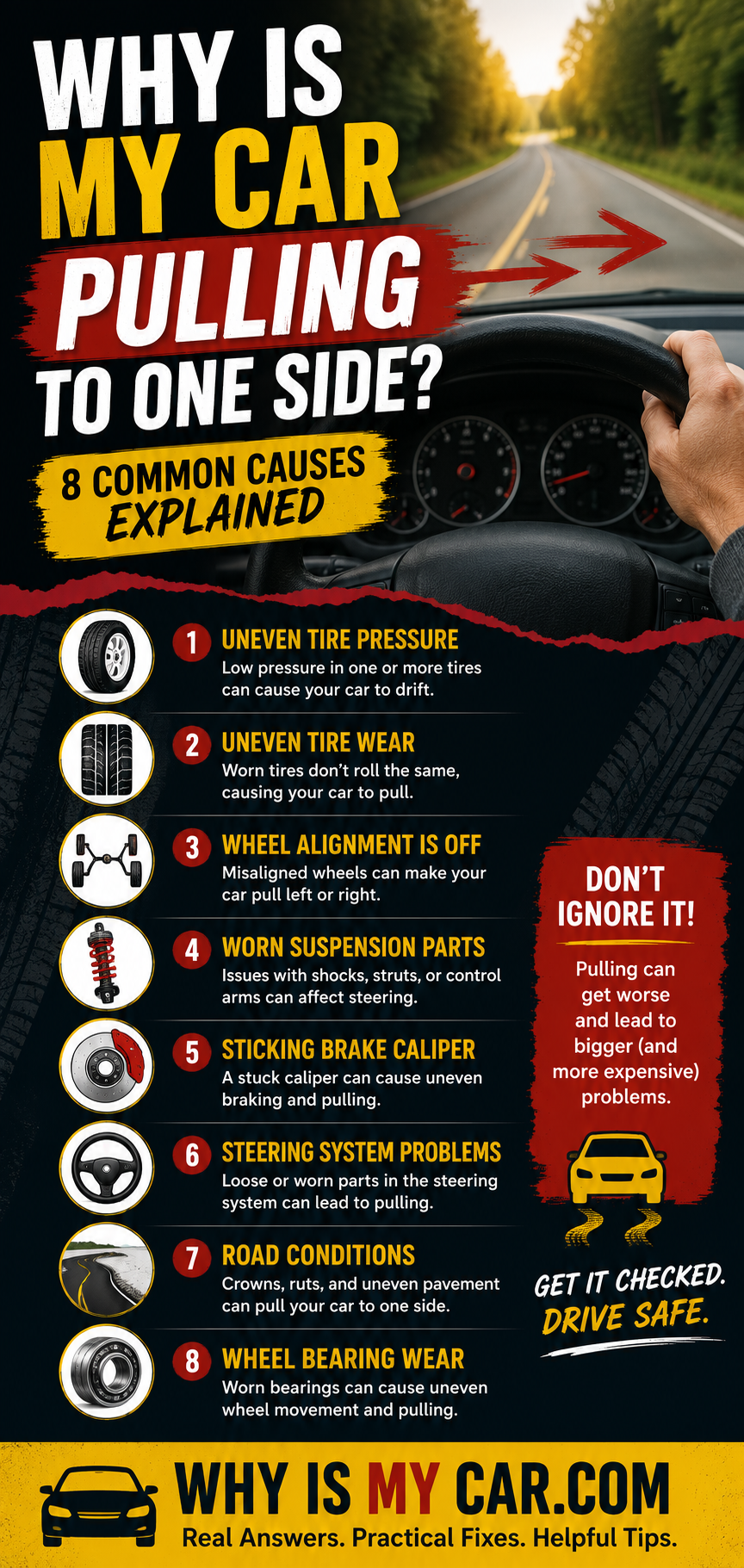
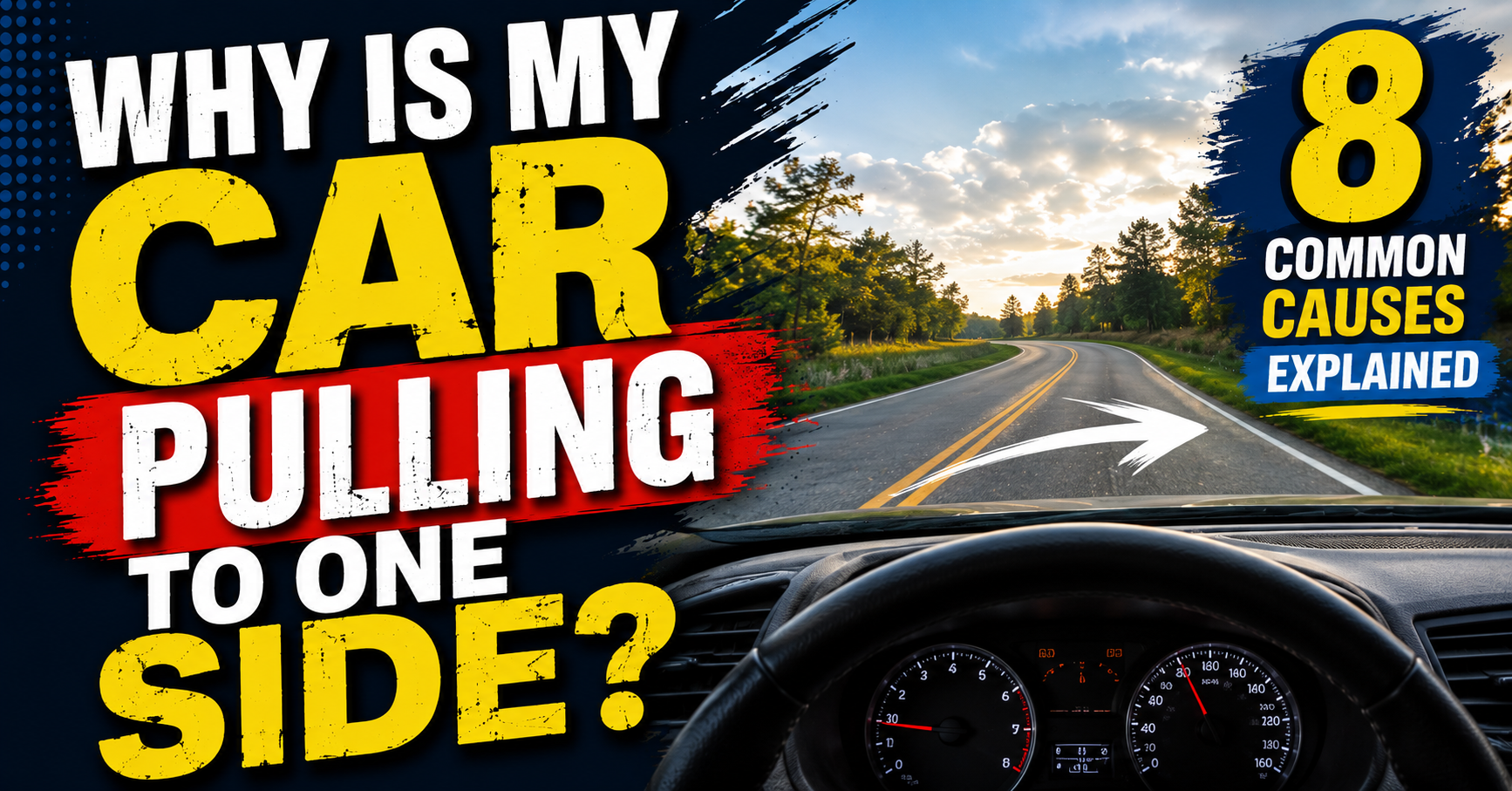
Those are two symptoms the shop needs to hear about. A pull while braking may involve uneven braking, tires, or steering parts. A stiff pedal raises a separate concern about how the brake system is responding.
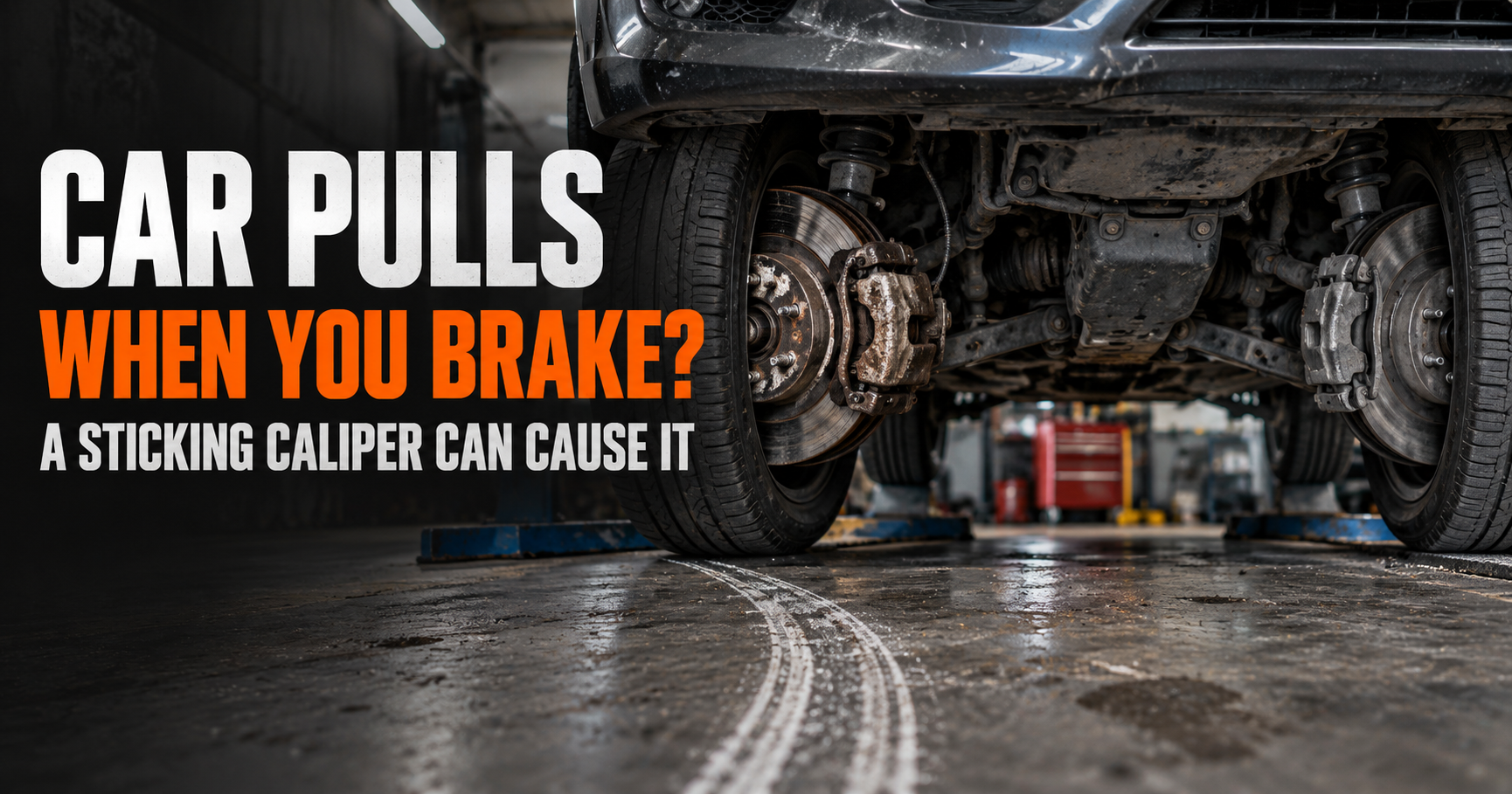
Our guide to why a car pulls to one side when braking explains why the direction of the pull does not identify the failed part.
If you are fighting the steering wheel and pressing unusually hard just to slow down, stop driving once you reach a safe place. Do not try to sort out which symptom is the “real” problem from the driver’s seat.
Can Overheated Brakes Feel Hard to Press?
Drivers sometimes describe several different braking problems as “hard brakes.” If the car recently smelled hot, smoked near a wheel, or seemed reluctant to move, report those details too. A dragging or overheated brake needs its own inspection.
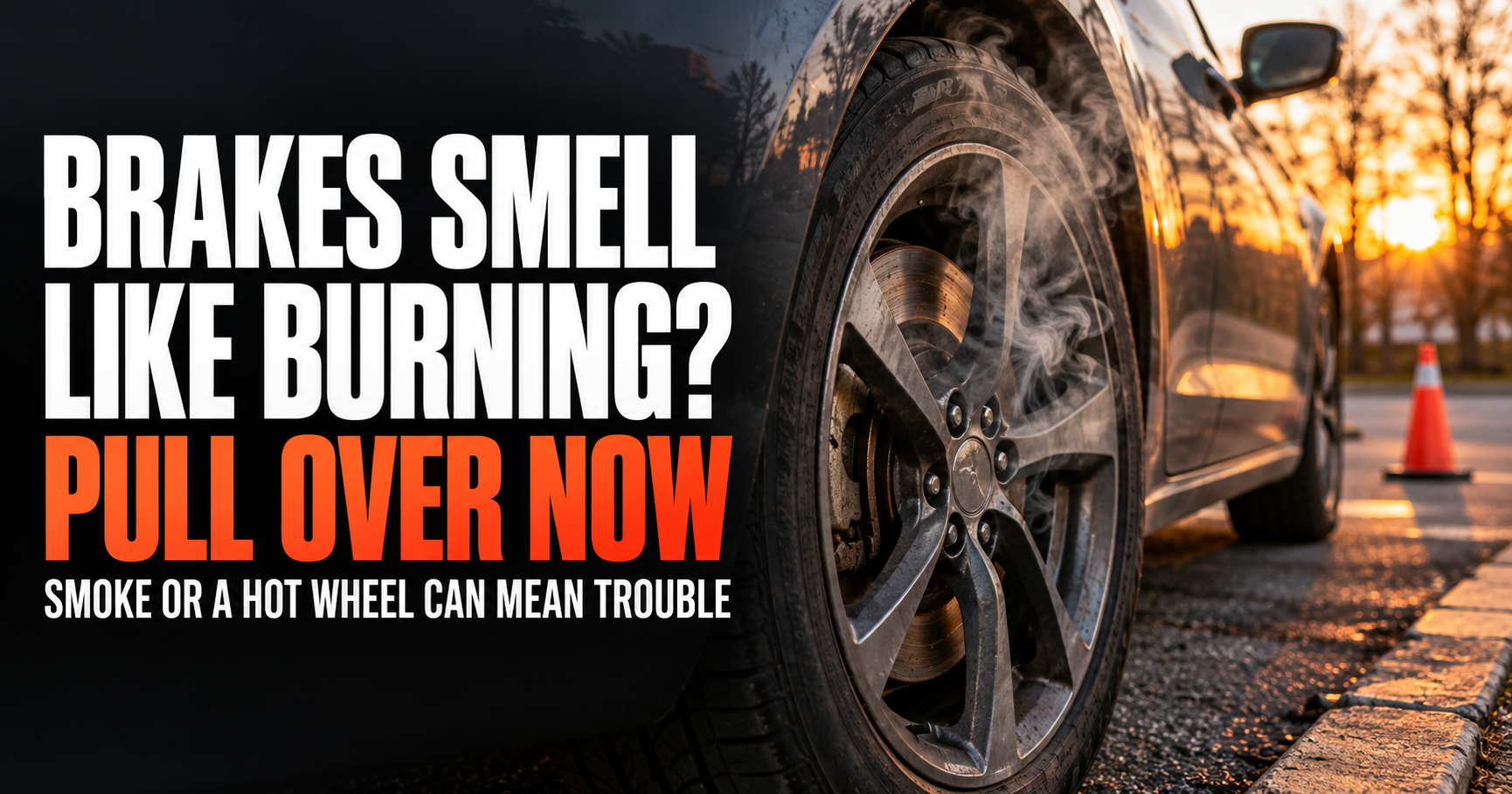
Read our guide to brakes that smell like burning if the odor was part of what you noticed. A hot brake and a loss of pedal assistance can have different causes, and either one can affect how safely the car stops.
Do not touch the wheel or brake parts to check their temperature after driving. Tell the mechanic where you noticed the smell.

Is It Safe to Drive With a Hard Brake Pedal?
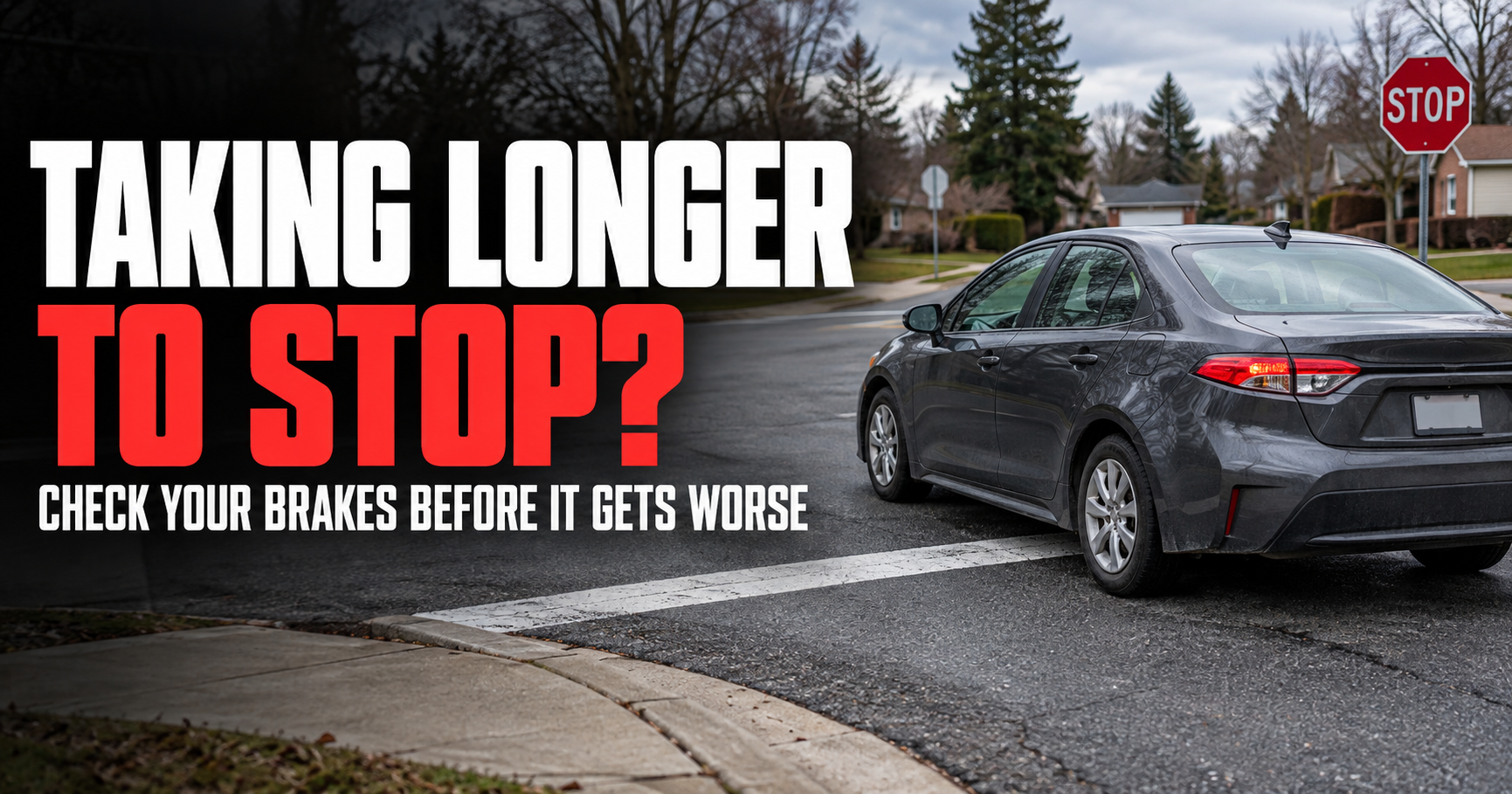
A suddenly hard pedal while the car is running can make stopping require much more force. I would treat that as a reason to stop in a safe place and arrange an inspection rather than continuing a normal trip.
If the car is already parked, avoid taking it onto the road to see whether the problem returns. If the pedal remains unusually stiff with the vehicle running, call a repair shop and arrange a tow.
If the only time it feels firm is after you have pressed it several times with the engine off, and it feels and brakes normally once the vehicle is running, describe that difference if you still have concerns. The condition under which the pedal becomes hard matters.
What to Tell the Mechanic
A clear description is more useful than guessing that the booster needs replacement. You could say:
“The brake pedal became much harder to press while I was driving. The engine was still running, and I had to push harder than usual to slow down. I also heard a faint hiss when I pressed the pedal.”
Only include details that actually happened. If the engine stalled, say so. If a warning light appeared, note which one. Tell the shop whether the pedal became hard suddenly or gradually and whether it happens every time.
Ask the technician what they checked in the brake assist system and how they confirmed the fault. If the estimate calls for a booster, pump, hose, or another part, the shop should be able to explain why that part addresses your car’s symptom.
Questions About a Stiff Brake Pedal
Why is my brake pedal hard when the car is off?
Many vehicles have a limited reserve of brake assistance after the engine is turned off. Once that reserve is used, the pedal can feel much firmer. If the pedal remains unusually hard while the car is running or braking has changed, have it inspected.
Can a bad brake booster make the pedal hard?
Yes. A brake booster that is not providing normal assistance is one possible cause. The vacuum supply, pump, and other parts of the assist system should also be checked before replacing it.
Why did the pedal get hard after my engine stalled?
An engine stall can affect the assistance available to the brakes. Getting the vehicle stopped safely comes first. The cause of the stall and the braking behavior both need to be reported when you arrange service.
What if I hear a hiss when pressing the brake?
A hiss along with a hard pedal can be a useful clue to a problem in a vacuum assisted system. It does not identify the exact failed part. Tell the shop when you hear it and whether braking effort has changed.
Can I keep driving if the brakes still work?
A car may still slow down with a hard pedal, but requiring unusual force makes emergency stopping less predictable. If the change happened while the vehicle was running, stop safely and arrange for the system to be checked before driving again.
By Dana Callahan, an automotive troubleshooting writer for Why Is My Car. Dana’s guides help drivers describe when a problem happens, recognize changes that need immediate attention, and ask clear questions about a proposed repair.

