
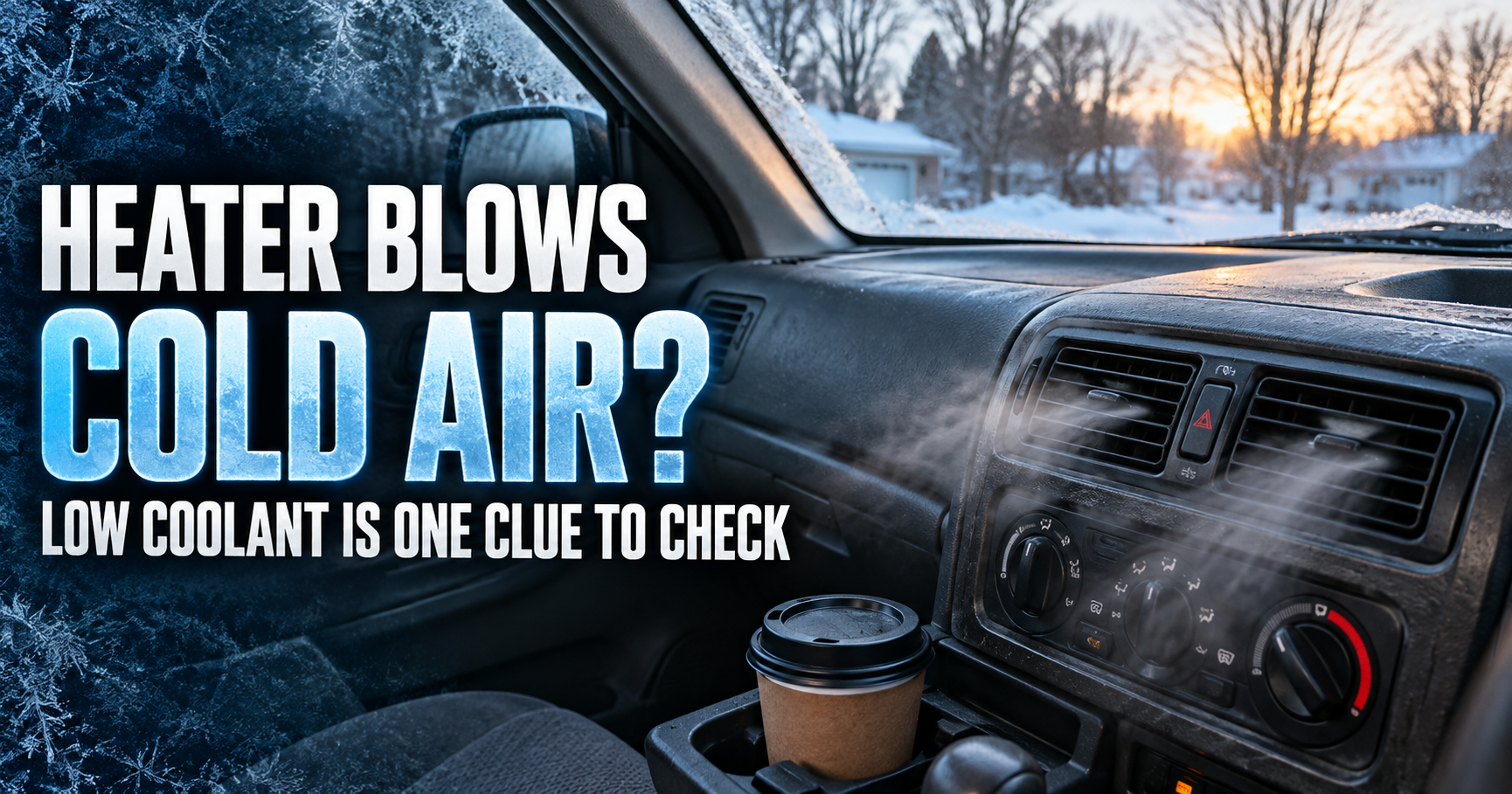
Your heater is set to hot, the fan is running, and cold air keeps coming out. The first clue is whether the engine has warmed up yet. Most car heaters use heat carried by engine coolant, so a cold engine cannot provide much cabin heat. But if you have driven long enough for the engine to warm up and the vents still blow cold, it is time to look more closely.
Low coolant, a thermostat stuck open, restricted coolant flow through the heater core, or a temperature door stuck on cold can all cause this symptom. They do not call for the same repair. What the temperature gauge does, whether heat improves while driving, and whether you smell coolant can help separate them.
First, check the engine temperature
Start with a normal drive and watch the temperature display or gauge. Do not sit in a closed garage to test the heater.
If the gauge starts cold and gradually settles into its usual range, the engine is warming up. Give the heater a few more minutes, especially on a very cold day. An engine that has only idled briefly may still be too cool to deliver strong heat.
If the gauge stays unusually low after a normal drive, a thermostat stuck open becomes more likely. The thermostat helps the engine reach and maintain its operating temperature. When it allows too much coolant to flow through the radiator too soon, the engine may warm slowly or run cooler than intended. The heater then has less heat to use.
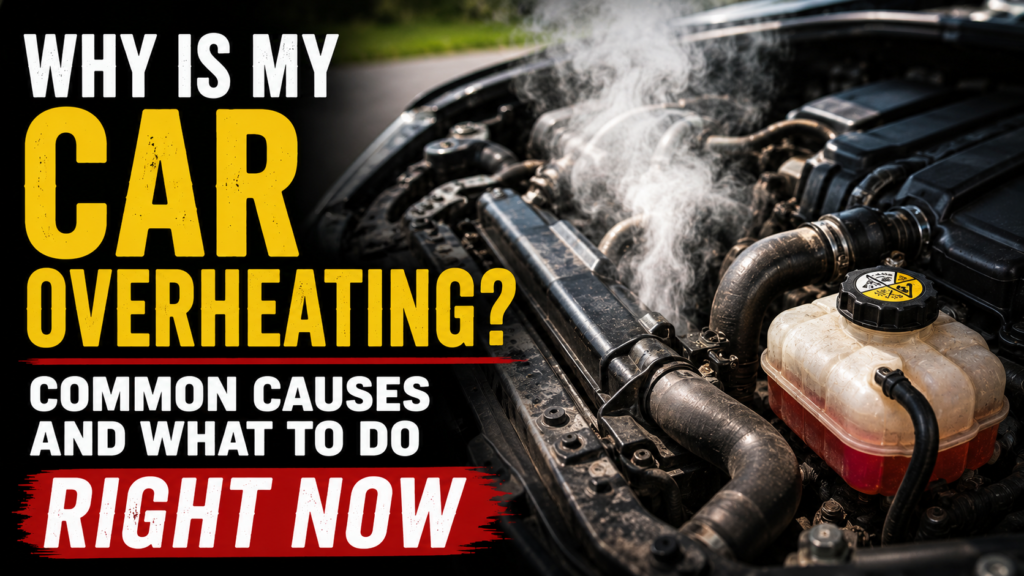
A rising gauge calls for a different response. Cold cabin air alongside an overheating engine can mean coolant is low or is not circulating properly. Safely pull over and shut the engine off if the temperature warning appears, the gauge enters the hot range, or you see steam. Do not keep driving to see whether the heater starts working. Our guide to what to do when your car is overheating covers those immediate steps in more detail.
Notice exactly when the heat changes
“I have no heat” is a useful starting description. “It gets warm on the highway, then cold at a stoplight” gives a shop much more to work with.
Warm while driving, cold at idle: A coolant level or circulation problem is worth checking. Engine speed changes when you drive, and a marginal flow problem can become more noticeable at idle. This pattern does not prove the water pump is bad.
Warm at first, then suddenly cold: Check the temperature gauge and any coolant warning. A sudden loss of heat can accompany a coolant leak. If the engine is getting hotter at the same time, stop driving.
Never warm, even though the engine temperature looks normal: The engine may be making heat that is not reaching the cabin air. A temperature blend door, its actuator, or coolant flow through the heater core could be involved.
Heat on one side, cold air on the other: If your car has separate driver and passenger temperature controls, check that both are set to hot. If the settings match and the difference persists, a problem with one of the air-mixing doors becomes more plausible than an engine-wide coolant problem.
Weak air from every vent: That is an airflow complaint as well as a heat complaint. A clogged cabin air filter or blower problem may be involved. A cabin filter cannot usually explain a strong stream of air that is simply the wrong temperature.
Make a note of the pattern before anyone replaces a part. A heater that changes with engine temperature calls for a different inspection than one that clicks behind the dashboard every time you adjust the controls.

Low coolant is one of the first things to rule out
The heater core is a small heat exchanger inside the dashboard. Hot engine coolant passes through it while the blower moves cabin air across it. If there is too little coolant, the heater core may not receive a steady supply of hot fluid.
Wait until the engine is completely cold, then check the coolant level using the procedure in your owner’s manual. Many cars have a translucent reservoir with cold-level markings. Others have different filling arrangements, so identify the correct reservoir before opening anything. Never remove a radiator or pressurized coolant cap while the engine is hot.
If the level is low, do not treat topping it off as the whole repair. The cooling system normally retains its coolant. Look for a wet area, dried residue around hose connections, or a puddle after parking. A leak may be small enough to escape notice while driving but still cause the heater to lose heat.
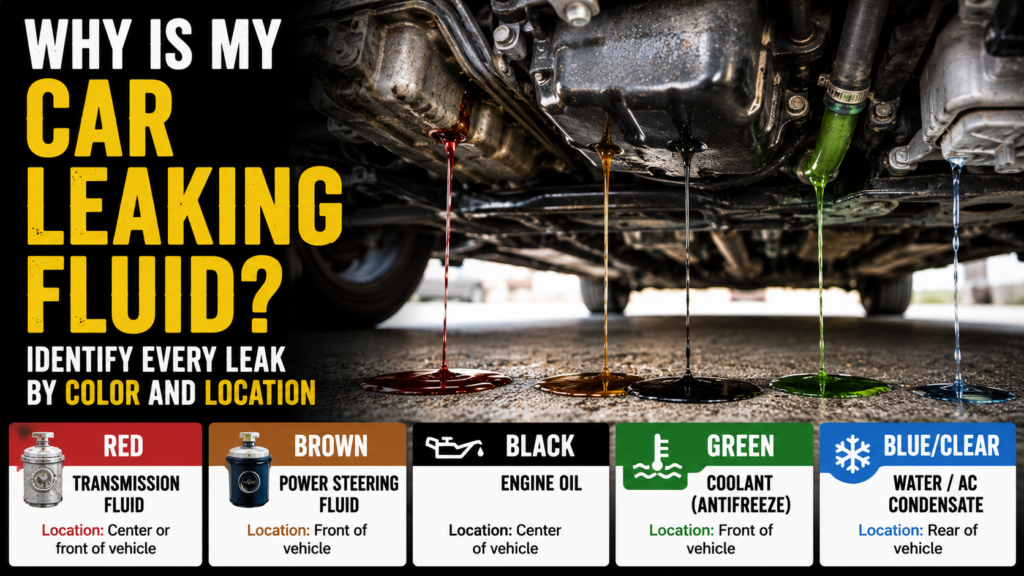
Our guide to identifying a fluid leak by its location and appearance can help you describe what you found. Coolant comes in several colors, so color alone cannot identify it or tell you which replacement coolant your vehicle needs. Use the specification in the owner’s manual.
If the reservoir is empty, you see an active leak, or the engine temperature is rising, arrange an inspection before driving farther. A heater that blows cold because coolant is escaping can be the early warning before an overheating event.
A thermostat stuck open can leave the cabin cold
A stuck-open thermostat often creates a gradual problem rather than an abrupt failure. The engine takes longer than usual to warm up, the temperature gauge stays lower than its normal position, and the heat feels lukewarm during a drive. Cold weather can make the symptom more obvious.
That combination makes the thermostat worth testing. It does not mean every heater with weak output needs a thermostat. If the engine reaches its normal temperature and stays there, replacing the thermostat without checking coolant flow and cabin air controls may miss the cause.
A shop can compare the engine’s actual temperature with the gauge or sensor reading and observe how the cooling system warms up. That matters because a gauge or temperature sensor can also give a misleading picture. The goal is to confirm that the engine is running too cool before paying for a thermostat replacement.


The heater core may have poor flow
The heater core can lose effectiveness when coolant flow through it is restricted. One possible clue is an engine that reaches normal temperature while the cabin remains cool, especially after the basic control settings and coolant level have been checked.
A technician may compare the temperatures of the heater hoses where they enter and leave the firewall. That can help show whether hot coolant is reaching the core and whether it appears to be flowing through. It takes care to interpret the result: hose temperatures change with the vehicle’s design, heater settings, and how long the engine has been running. Hot hoses also present a burn risk, so this is a shop check rather than a reason to reach around a running engine.
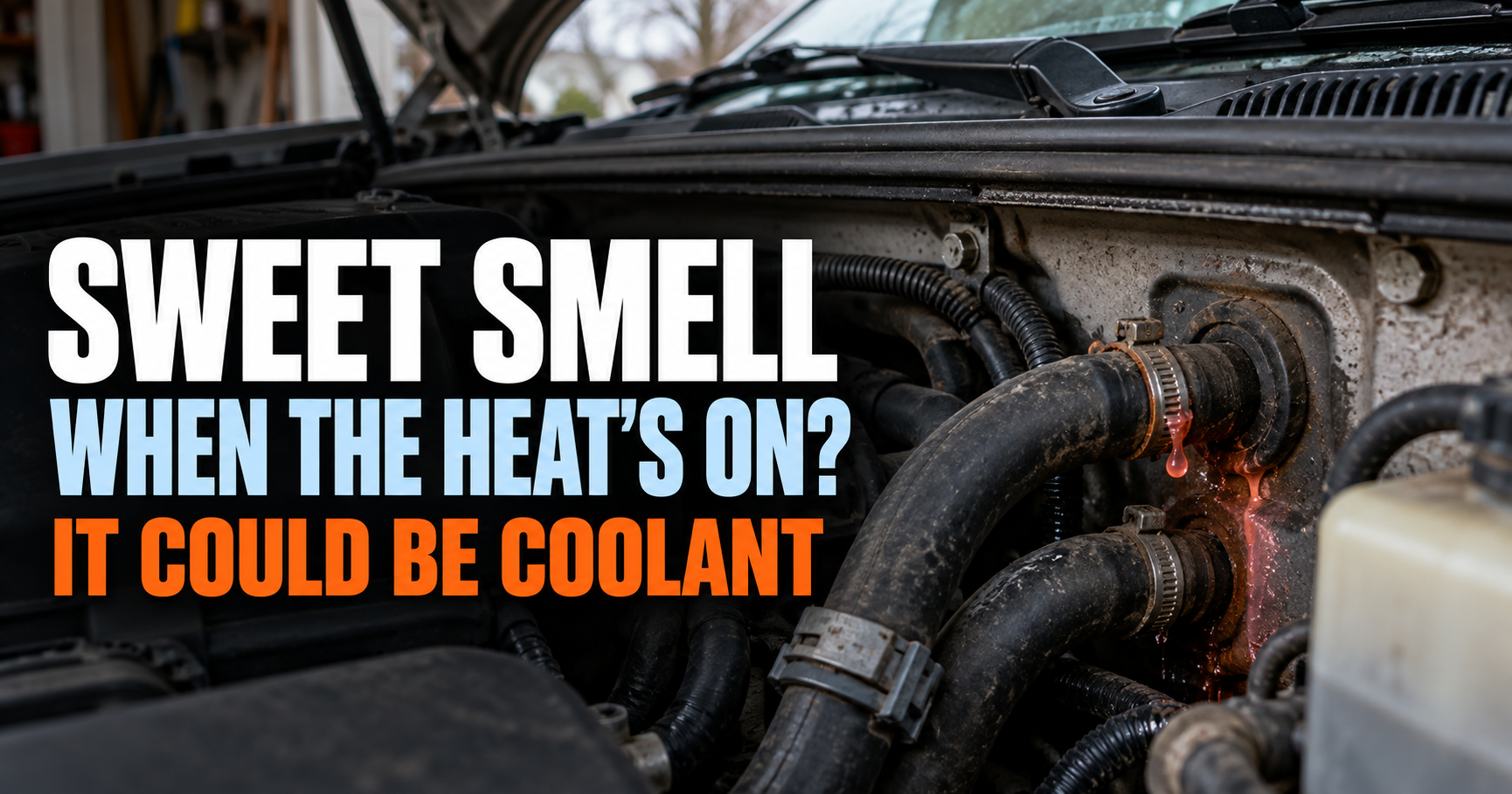
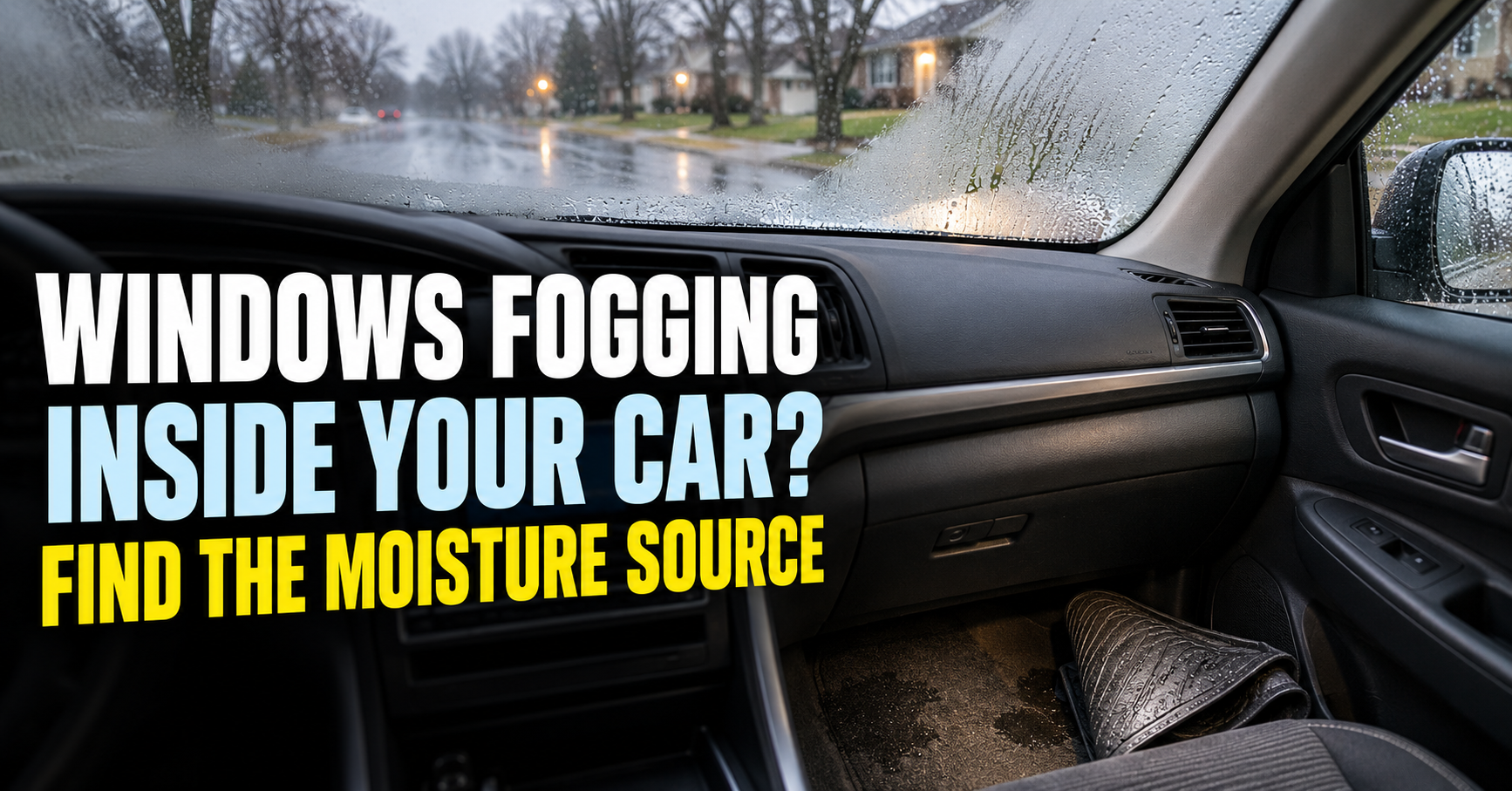
A restricted heater core is different from a leaking one. If you notice a sweet chemical smell in the cabin, a damp passenger-side carpet, or a stubborn film on the inside of the windshield, mention those details when booking an inspection. They can point toward a coolant leak inside the heating system.
Do not assume a heater-core flush or replacement is needed solely because the vents blow cold. The shop should establish that coolant flow is the problem first.
A stuck temperature door can make hot coolant useless
Inside the heating and air conditioning system, doors direct air through or around the heater core. A blend door or its actuator may fail to move when you turn the temperature control. The engine can be fully warm and the heater core can be hot, yet the vents continue to deliver cool air.
Try changing the setting from full cold to full hot and listen for a response. Repeated clicking behind the dash, a temperature that never changes, or one side behaving differently from the other can help a technician locate the issue. None of those sounds identifies a specific part by itself.
Check simple settings first. On a car with automatic climate control, turn off any unusual mode and deliberately set the requested temperature high. If the car has dual-zone controls, set both sides the same way. Also confirm you are judging the air from a vent that should provide heat in that mode. Those checks take a minute and make your description of the fault more reliable.
A shop can then test whether the control is requesting heat and whether the relevant door actually moves. Replacing an actuator based only on a guess can leave the real problem untouched if the door itself is jammed or the fault lies elsewhere in the controls.


What if the fan runs but little air comes out?
Temperature and airflow are separate questions. If you hear the fan but get only a faint stream from the vents, check whether the air changes direction when you switch between floor, dashboard, and defrost modes. A dirty cabin air filter can reduce airflow, while a mode-door problem can send air somewhere other than the vent you are checking. The same filter-and-airflow distinction is discussed in this truck heater airflow guide: truck heater airflow guide
If the fan does not run at all, or works only at certain speeds, the blower circuit needs attention. If it blows strongly but stays cold, focus first on the coolant, engine temperature, and air-mixing clues above. Calling both symptoms “the heater stopped working” can lead to the wrong starting point.
Defrost performance also matters. If you cannot keep the windshield clear enough to see, stop in a safe place rather than continuing with impaired visibility.
Should you keep driving with no heat?
It depends on what accompanies the cold air.
If the engine temperature is normal, coolant is at the proper cold level, visibility is clear, and the only symptom is a lack of cabin heat, the car may still be mechanically drivable while you arrange a repair. You still need a working way to keep the windows clear and yourself comfortable enough to drive safely.
Stop driving and have the car assessed if the temperature warning comes on, the gauge climbs into the hot range, steam appears, or coolant is leaking heavily. Loss of heat together with any of those signs can be a cooling-system emergency. Pull over safely, shut the engine off, and let it cool. Do not open a hot cooling system.
A sweet smell inside, wet carpet, or recurring windshield film also deserves prompt attention, even if the gauge currently reads normal. Explain those symptoms when you call the shop so they know to check for a cabin-side coolant leak.


What to tell the repair shop
A useful description includes how long you drove before checking, what the engine temperature gauge did, whether the blower produced strong airflow, and whether changing the temperature setting changed the vent temperature. Mention if the heat improves on the highway, disappears at idle, or works on only one side.
Also report any coolant you have added, visible leaks, sweet smell, damp carpet, warning lights, or recent cooling-system work. Recent work matters because trapped air or an unresolved leak may affect heater performance, but the shop still needs to verify the cause.
Ask the shop what observation points to the proposed repair. For example, was the engine actually running too cool? Was the coolant low, and where did it go? Was flow through the heater core restricted? Did the temperature door fail to move? A clear answer is more useful than replacing the part most commonly associated with “no heat.”
Frequently asked questions
Why does my heater blow cold air when I first start the car?
On a conventional gasoline vehicle, the engine usually needs time to warm the coolant before the heater can deliver strong heat. If warm air arrives after a normal drive, that initial cold air may be normal. If it never warms up, watch the engine temperature and work through the other clues in this guide. Hybrid and electric vehicles can use different heating designs, so check the owner’s manual for your model.
Can low coolant cause no heat without an overheating warning?
Yes. Poor heater output can be an early clue that the heater core is not receiving a steady supply of hot coolant. Do not wait for an overheating warning before checking the coolant level with the engine completely cold and looking for a leak.
Why does the heat work only when I accelerate?
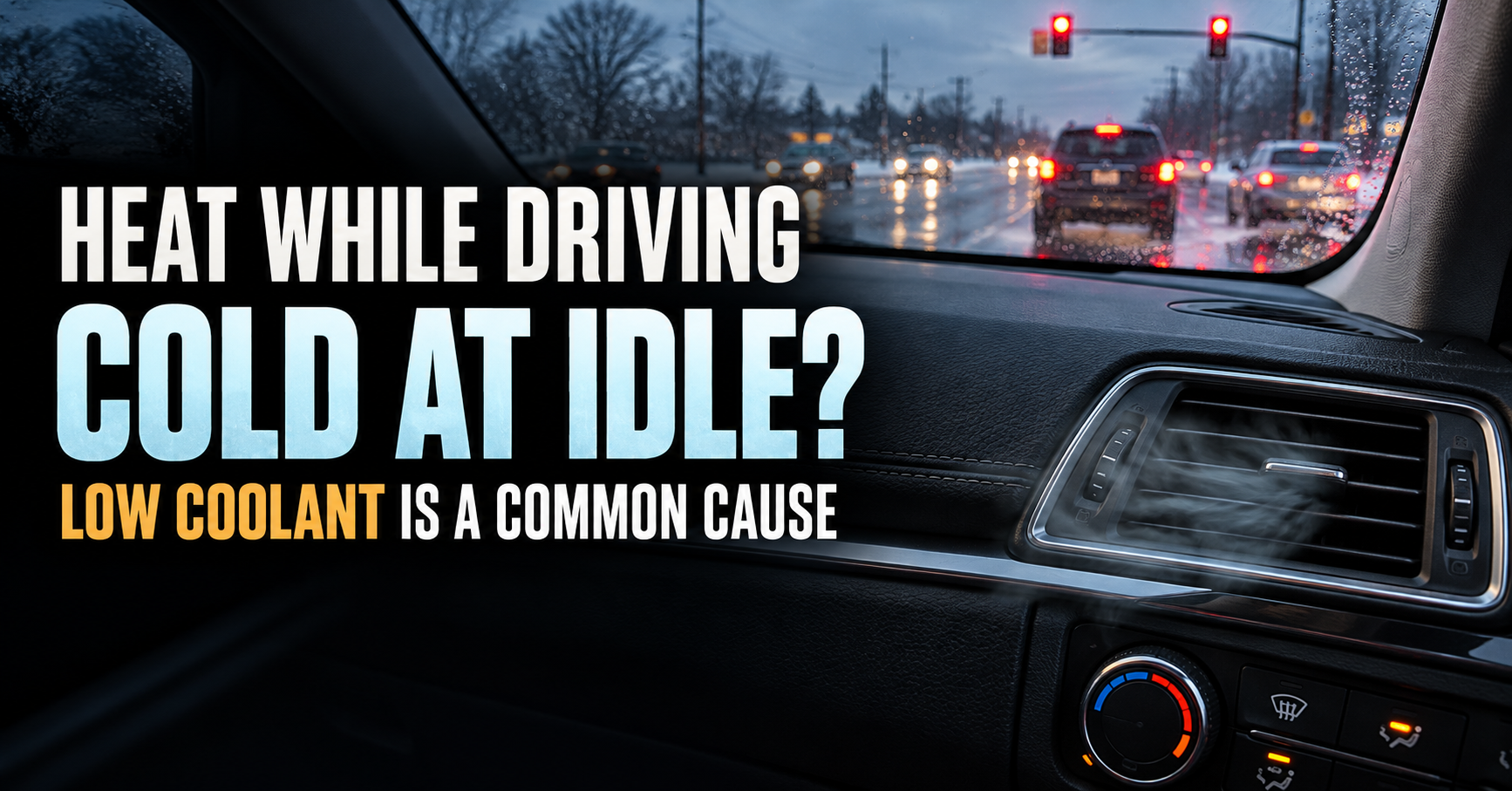
A change tied to engine speed can point toward a coolant level or circulation issue, but the symptom alone does not identify a failed water pump. Tell the shop whether the temperature gauge changes too, and have the level and cooling system checked before authorizing a specific part. If the heater turns cold at idle but warms again while driving, this more specific pattern can help narrow the coolant-flow clues: heater turns cold at idle.
Will replacing the cabin air filter fix cold air?
A clogged filter can reduce how much air reaches the cabin. It generally will not turn a strong stream of air from hot to cold. If airflow is strong but the temperature is wrong, the filter is unlikely to be the main answer.
Is a heater-core leak the same as a clogged heater core?
No. A restriction limits coolant flow and can reduce heat. A leak lets coolant escape. A sweet smell, damp carpet, or persistent interior windshield film makes a leak more concerning. Both need a diagnosis, but they call for different repairs.
About the Author: Morgan Ellis writes practical troubleshooting guides for Why Is My Car, helping drivers connect the symptoms they notice with the right safety decision and the questions to ask before approving a repair.


