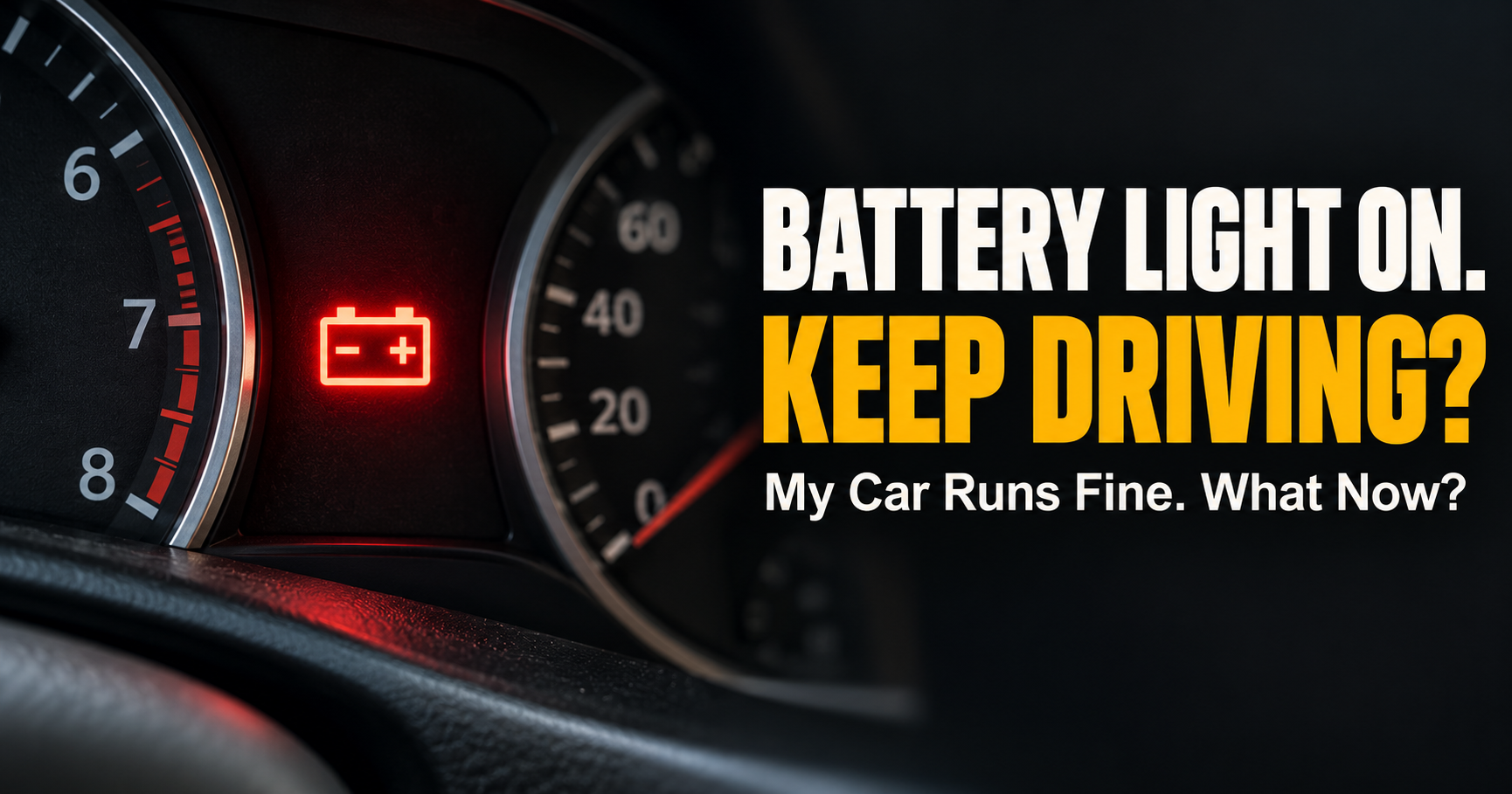
The battery-shaped light comes on while I’m driving, but the car still starts, accelerates, and feels normal. It would be easy to think the warning can wait.
I wouldn’t count on that.
The light usually means there may be a charging-system problem. The engine can keep running for a while using power stored in the battery, even if that power isn’t being replaced. The car feeling fine right now doesn’t tell me how much time I have before it stops.
I’d find a safe place to pull over, look for any other warnings, and arrange to have the charging system checked. I wouldn’t buy a new battery just because the dashboard symbol looks like one.
What does the battery light actually mean?
When the engine is running, the alternator supplies electricity to the vehicle and recharges the battery. The battery light, often called the charging-system light, comes on when the vehicle detects a problem with that system.
It could be the alternator. It could also involve the belt that drives it, wiring, a loose connection, or another charging-system fault. The light doesn’t identify which part needs replacing.
That’s the distinction I’d keep in mind: a battery-shaped light is a warning about charging, not a diagnosis of the battery.
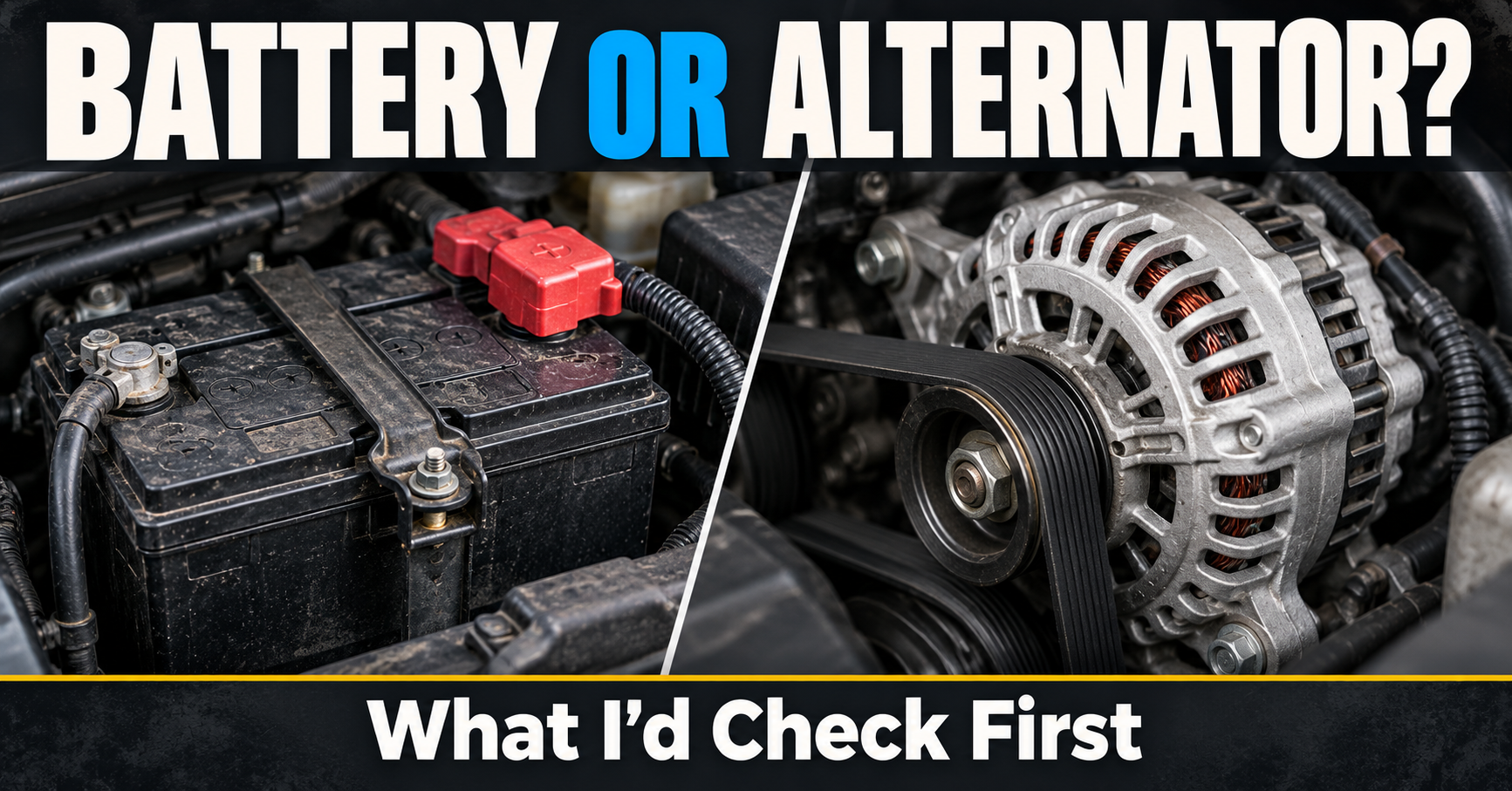
If I needed help sorting out the parts themselves, I’d start with how I tell battery trouble from alternator trouble. With the warning light on while driving, though, I’d deal with the immediate situation before doing driveway tests.

Why does the car still run normally?
Because the battery has stored power.
If the alternator isn’t charging, that stored power may keep the engine and electrical systems running for a while. The truck or car can feel completely ordinary at first. Later, lights may dim, warning messages may appear, accessories may shut off, or the engine may stall.
I wouldn’t try to calculate how many miles I have left from the warning light alone. The answer depends on how much charge was in the battery, its condition, and how much electricity the vehicle is using.
A weak battery on a cold night with headlights, wipers, and the heater running is a different situation from a fully charged battery on a clear day. Neither gives me a distance I’d be comfortable promising.
Should I pull over immediately?
I’d head for a safe place to stop as soon as I reasonably can. I wouldn’t make a sudden maneuver in traffic or stop on an unsafe shoulder just because the light appeared.
Once safely stopped, I’d look at the dashboard for other warnings and note whether the steering, engine, or electrical equipment is behaving differently.
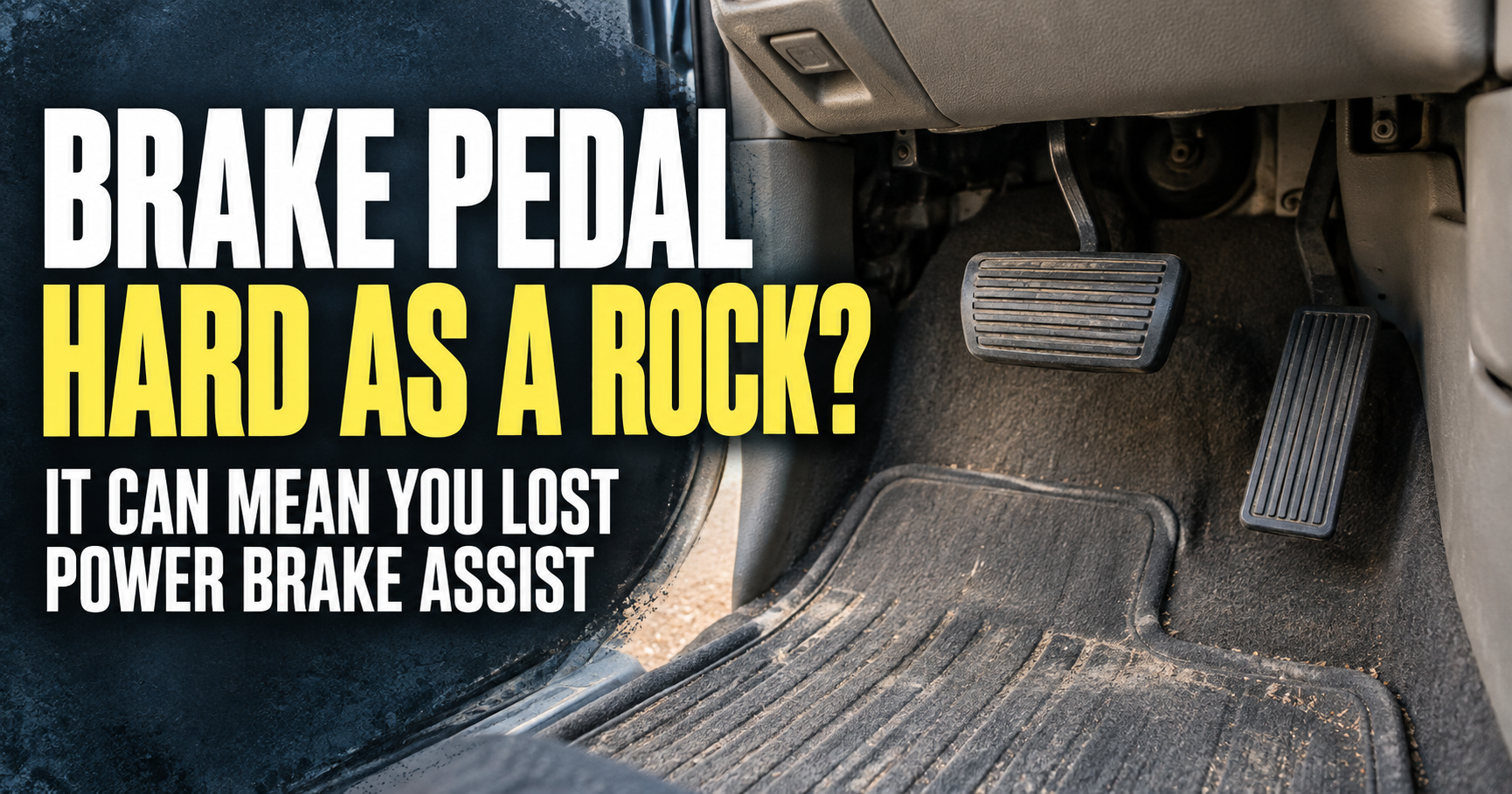
If the car is losing power, lights are fading, the temperature gauge is rising, or steering suddenly becomes unusually heavy, I wouldn’t keep driving it to a shop. I’d arrange a tow.
Even if everything still feels normal, I wouldn’t turn it into a long drive to “see if the light goes away.” AAA advises drivers to pull over safely and get the vehicle checked when the battery light appears while driving. Its guidance on alternator warning signs explains why the car can stall after it uses the battery’s remaining charge.
What if I absolutely have to drive a short distance?
That’s a decision I’d make based on where I am and whether the vehicle is still operating normally. Getting off a dangerous stretch of road may be necessary. Choosing to finish a long trip is another matter.
GMC’s 2015 Sierra owner’s manual says a charging-system light that stays on or comes on while driving calls for a check. It warns that continued driving could drain the battery. If a short distance must be driven, GMC says to turn off accessories such as the radio and air conditioner.
I’d turn off electrical items I don’t need, but I would not turn off headlights or wipers when conditions require them. Staying visible and being able to see the road matter more than stretching the battery’s remaining charge.
I also wouldn’t shut off the engine while moving. Once I reach a safe stopping place, I’d expect that it might not restart.
Could the alternator belt be the problem?
Yes. The alternator needs to be driven by a belt. If that belt slips, breaks, or comes off, the alternator may stop charging even though the alternator itself is fine.
This is one reason I’d pay attention to other symptoms at the same time. A squealing sound before the light appeared could point toward a belt problem. Heavy steering or a rising engine temperature, depending on the vehicle’s belt arrangement, would make me particularly reluctant to keep driving.
With the engine off and the vehicle safely parked, I could look for an obviously missing or damaged belt if I know where it runs. I wouldn’t put my hands near belts, pulleys, or fans while the engine is running. A visual glance won’t rule out a slipping belt or a charging fault, but an obviously broken belt is useful information to give the repair shop.
Could it be a loose battery connection?
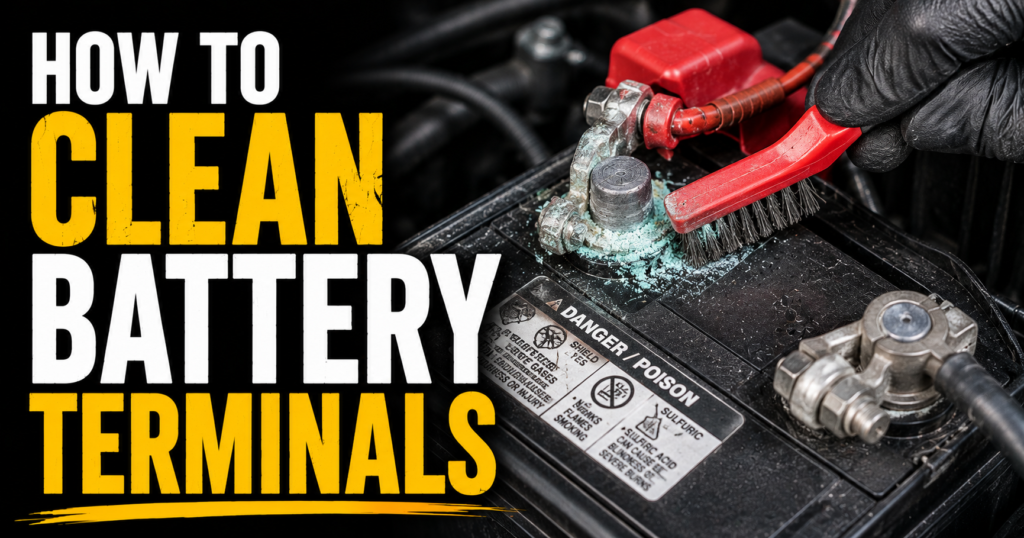
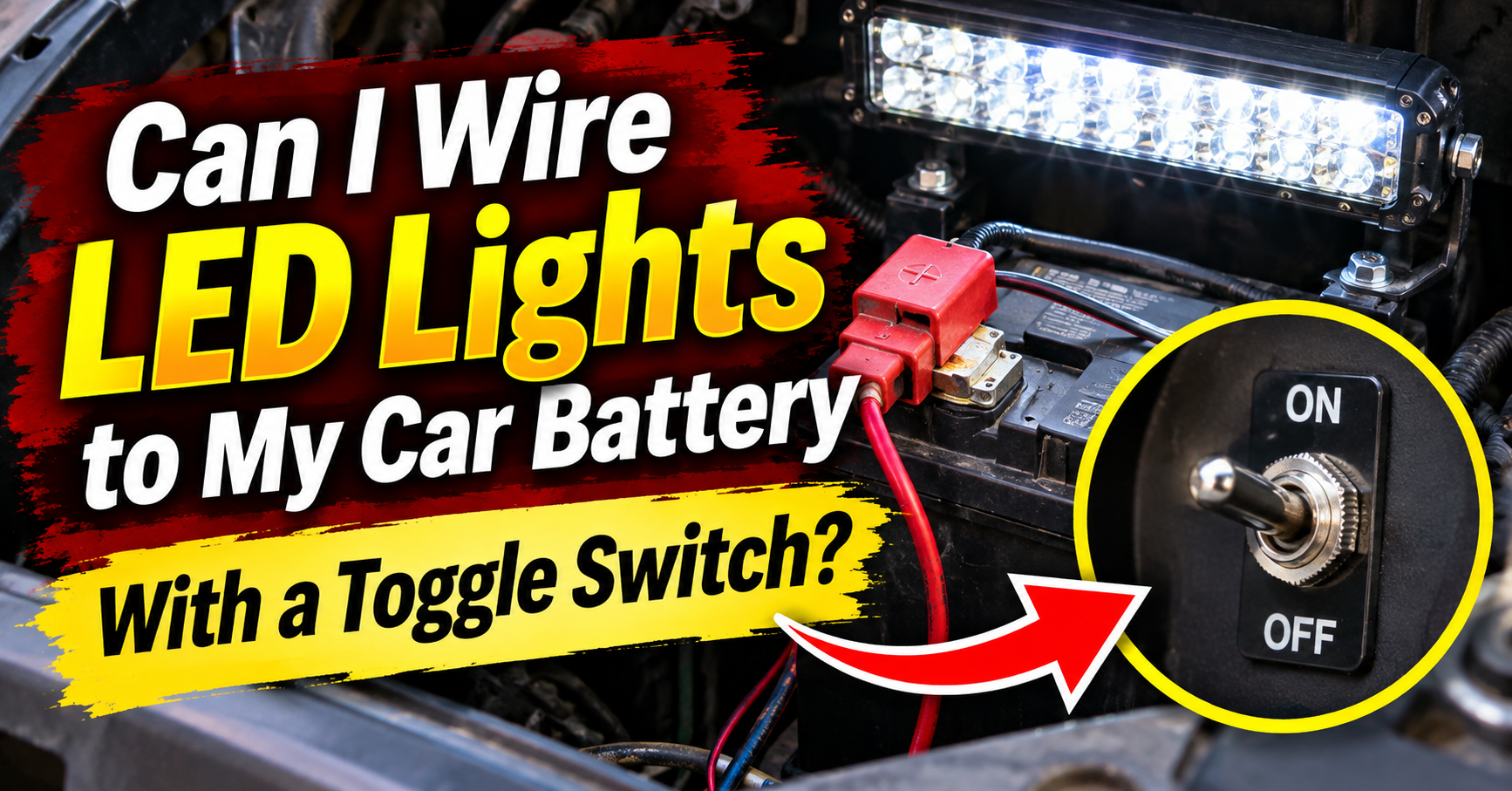
It could. The battery, alternator, and vehicle electrical system depend on cables and connections that can loosen, corrode, or become damaged.
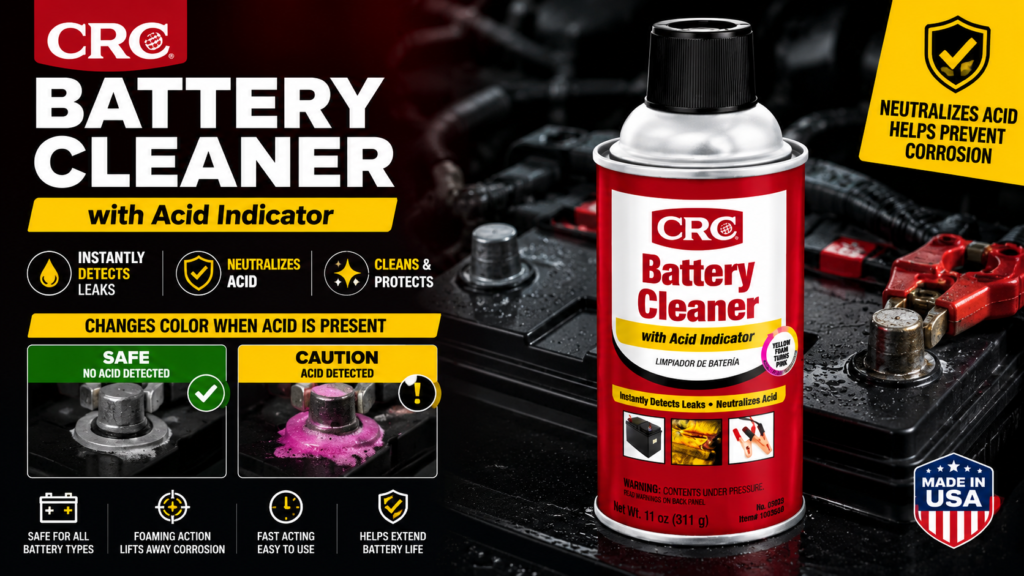
If it’s safe to inspect the battery with the engine off, I’d look for a loose clamp, obvious corrosion, or a damaged cable. I wouldn’t assume a clean-looking battery means every connection farther down the circuit is good.
A poor connection can also make the warning intermittent. I’d tell the technician whether the light appeared after a bump, during a turn, or when I switched on another electrical load. That observation might help, though it wouldn’t prove the cause.

What if the battery light comes on and off?
I wouldn’t ignore it just because it went back out.
An intermittent warning could mean the charging problem is intermittent. A belt may slip under certain conditions, a connection may lose contact, or the charging system may be struggling only with particular loads. A light that goes out gives me a chance to get it checked before I end up stranded.
I’d record what was happening each time: Was the engine idling? Was I accelerating? Were the headlights and blower on? Did I hear a squeal? Did any other warning appear?
AAA notes that a charging light that switches on and off while the engine runs can still signal a charging-system problem. I’d ask for a test rather than wait for the warning to become permanent.
The light comes on at idle but goes out when I drive
That pattern is worth describing exactly, not shortening to “sometimes the battery light comes on.”
An alternator can produce different amounts of power at different engine speeds. Heavy electrical demand at idle can also affect the system. GMC notes in the Sierra manual that its voltage gauge can move between higher and lower readings during normal operation, and that extended idling with many accessories on can produce a lower reading.
But a battery warning light illuminating repeatedly is still something I’d have diagnosed. I wouldn’t decide it was normal solely because it goes out when I press the gas. A technician can check charging output, belt condition, wiring, and the warning history under the conditions that make the light appear.
That distinction matters for owners of a Sierra like mine: a moving voltage gauge is not automatically the same thing as an illuminated charging-system warning light.
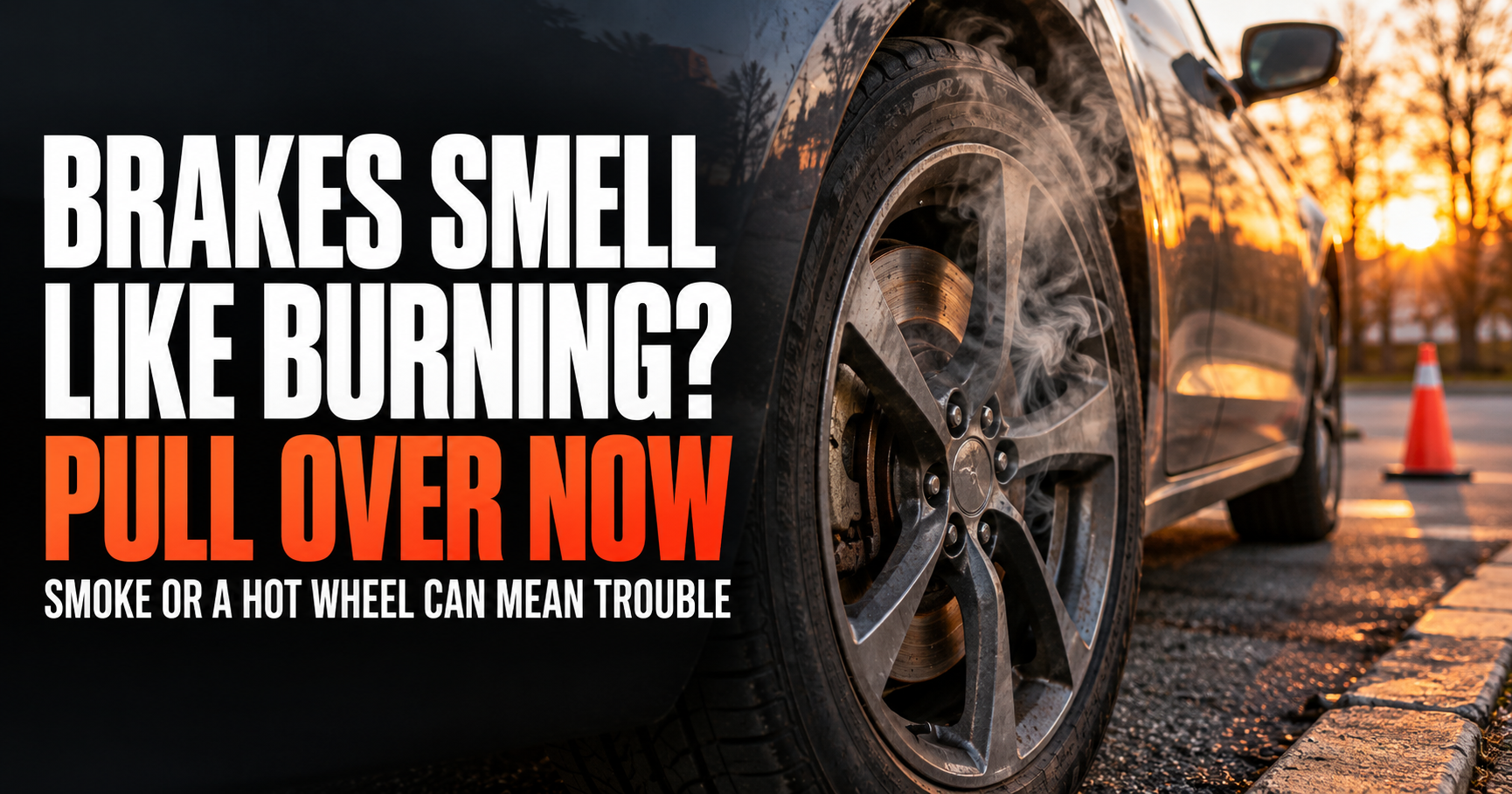
What if the battery light appears when I turn the key but goes out after starting?
That can be normal.
The warning light comes on briefly with the ignition on and the engine not running so I can see that it works. GMC says it should go out after the engine starts.
I’m concerned about a light that stays on after starting, returns while driving, or repeatedly flickers while the engine runs. I wouldn’t diagnose a fault from the normal startup check alone.
Is this the same as a check engine light?
No. I’d look closely at which symbol is illuminated.
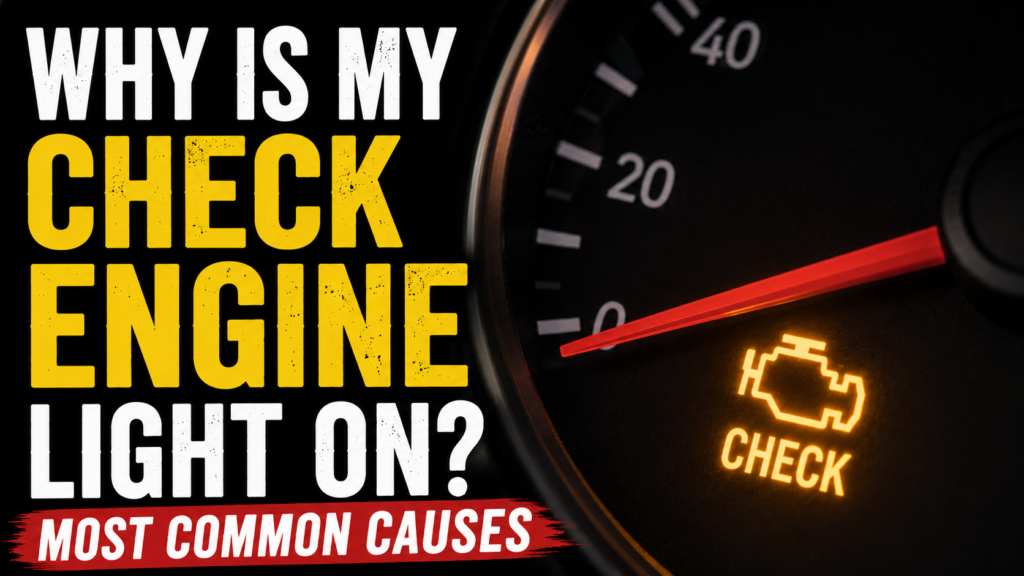
A battery-shaped light points me toward the charging system. The engine-shaped check engine light means the vehicle’s diagnostic system detected a different kind of fault that needs its code read.
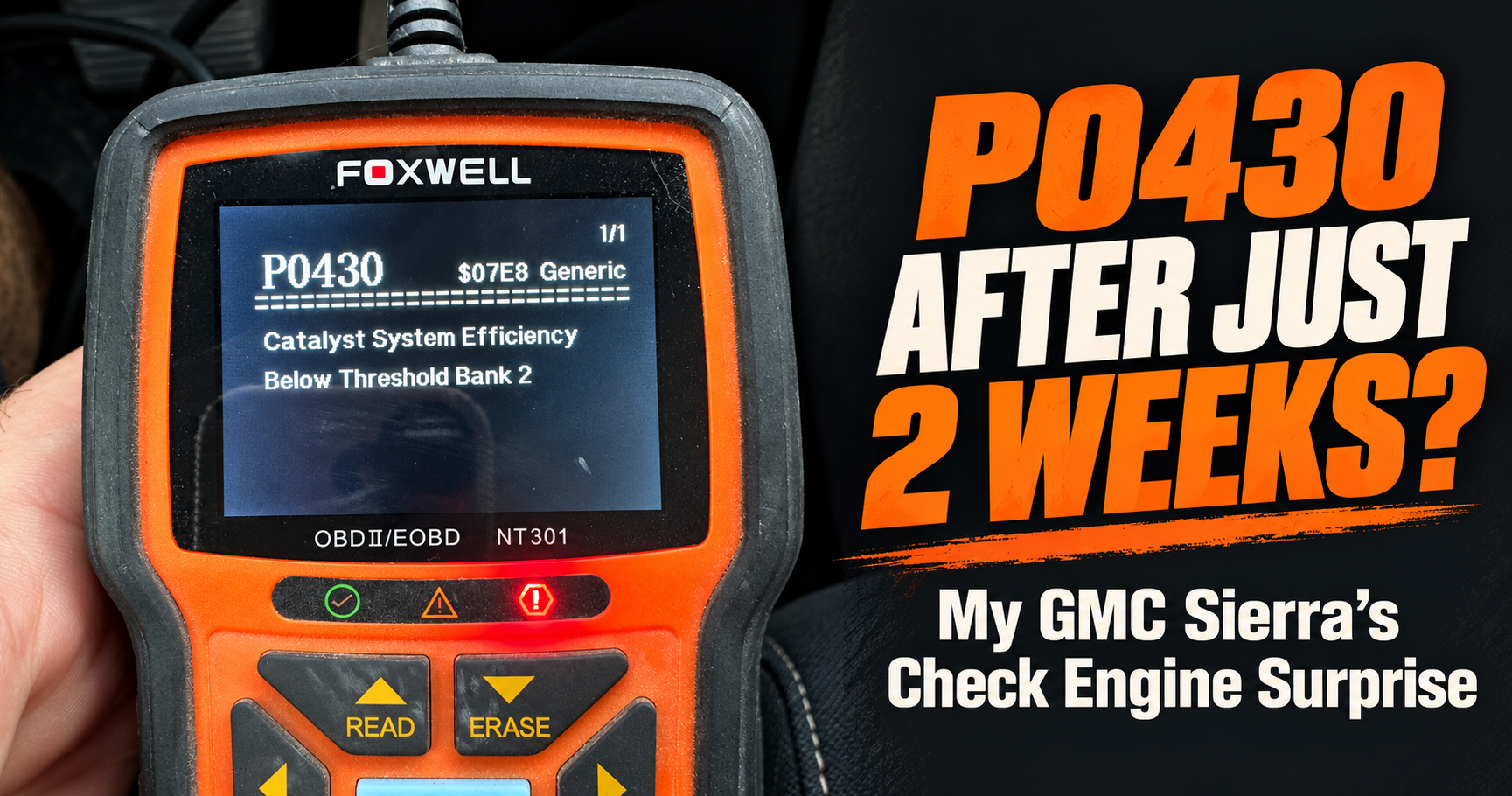
I recently dealt with the second situation on my Sierra. My check engine light came on about two weeks after I bought it, and my code reader showed P0430. That code concerned the catalyst system. It wasn’t the battery-shaped charging warning discussed here.
If both lights appeared together, I’d report both to the shop. Low electrical voltage can sometimes cause other systems to act up, but I wouldn’t assume one light explains the other without diagnosis.

Can a new battery make the light go away?
It might appear to help temporarily if the old battery was badly discharged, but I wouldn’t treat that as proof of a repair.
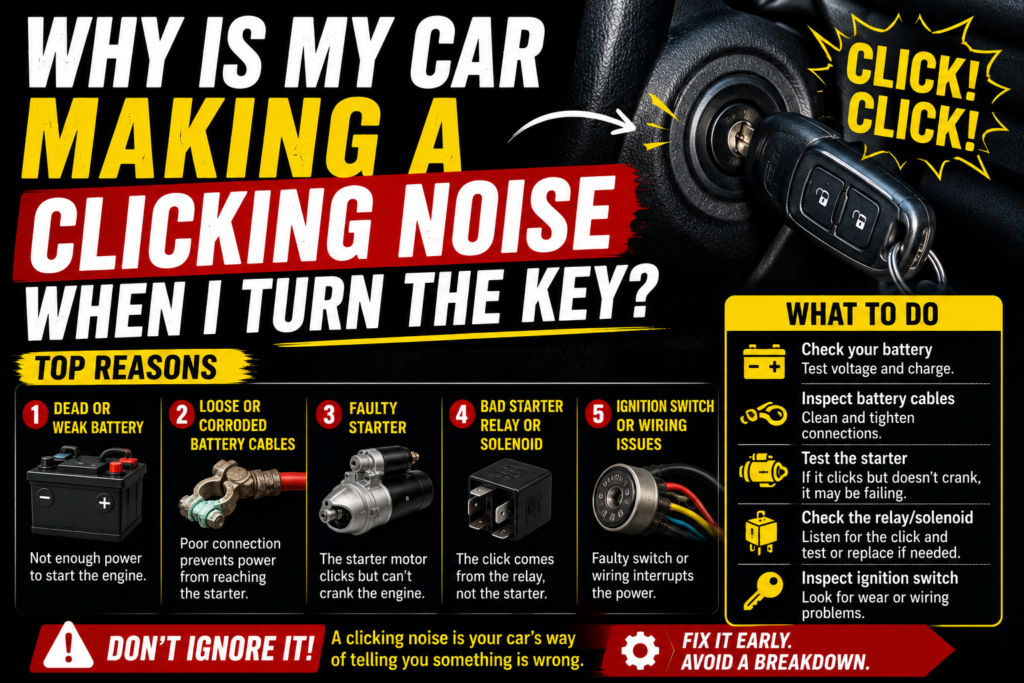
If the alternator isn’t charging, the new battery can also run down. If a cable or belt is the problem, buying a battery doesn’t fix that either.
I’d ask for a charging-system test and a battery test. If the battery needs replacing, I’d want to know that from its test result. If the charging system has failed, I’d want that fixed so the replacement battery can actually stay charged.
The same goes for replacing an alternator just because the battery light is on. The belt and electrical connections should be checked before I approve an expensive part.
Would a jump-start get me home?
It might start the engine if the battery has run down, but I wouldn’t count on the car continuing to run.
If the charging system has stopped working, the vehicle can use up the extra charge and stall again. A jump-start adds power for a start; it doesn’t repair the reason the battery ran down.
If the charging light returned after a jump, or the car began losing electrical power, I’d arrange a tow instead of trying repeated jumps.
What should I ask the shop to test?
I’d give them the timeline first:
“The battery light came on while I was driving. The car kept running normally for about five minutes. The light stayed on, and I pulled over.”
If it flickered, I’d say when it flickered. If there was a squeal, dimming lights, a warning message, or a change in steering or engine temperature, I’d mention that too.
Then I’d ask them to check the battery’s condition, charging-system output, belt, cables, and connections. I’d want to know what their tests showed before buying a battery or alternator.
That leaves room for the actual cause to be found. The useful question isn’t “Which part usually causes a battery light?” It’s “Why did this vehicle turn the light on while its engine was running?”
What if the light went out before the shop could see it?
I’d still tell them it happened and bring any photo I managed to take while safely parked.
An intermittent fault can be difficult to reproduce. Details about engine speed, outside temperature, accessories in use, and how long the light stayed on may help the technician test under similar conditions.
I wouldn’t reset anything or disconnect the battery just to make the dashboard look normal before the visit. If the car has stored information about the event, I want the shop to have a chance to use it.
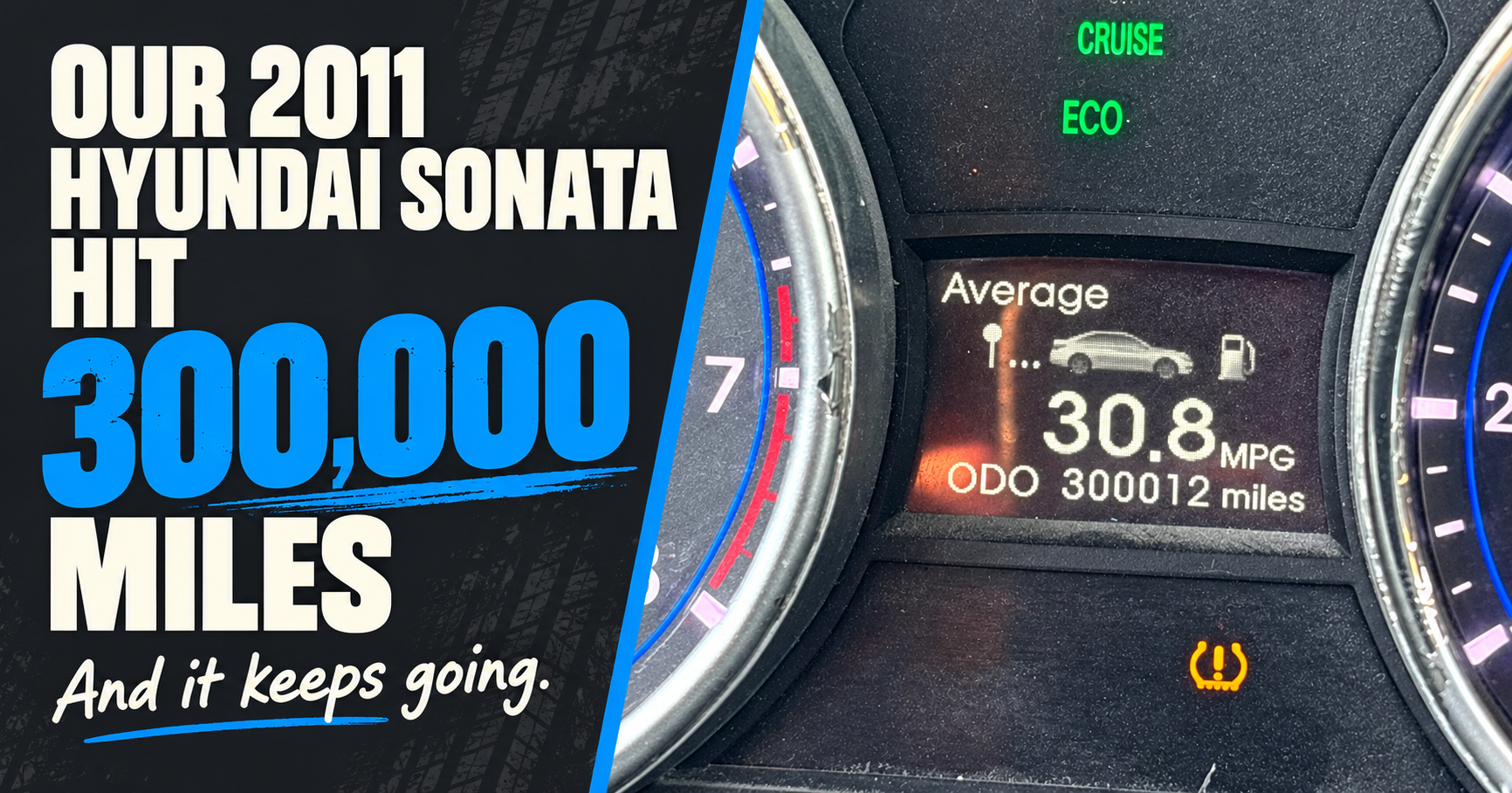
About the author: Daxon Weaver owns a 2015 GMC Sierra 4×4 and a 2011 Hyundai Sonata that passed 300,000 miles. He writes about the vehicle problems he encounters and the checks he’d make before paying for a repair.