
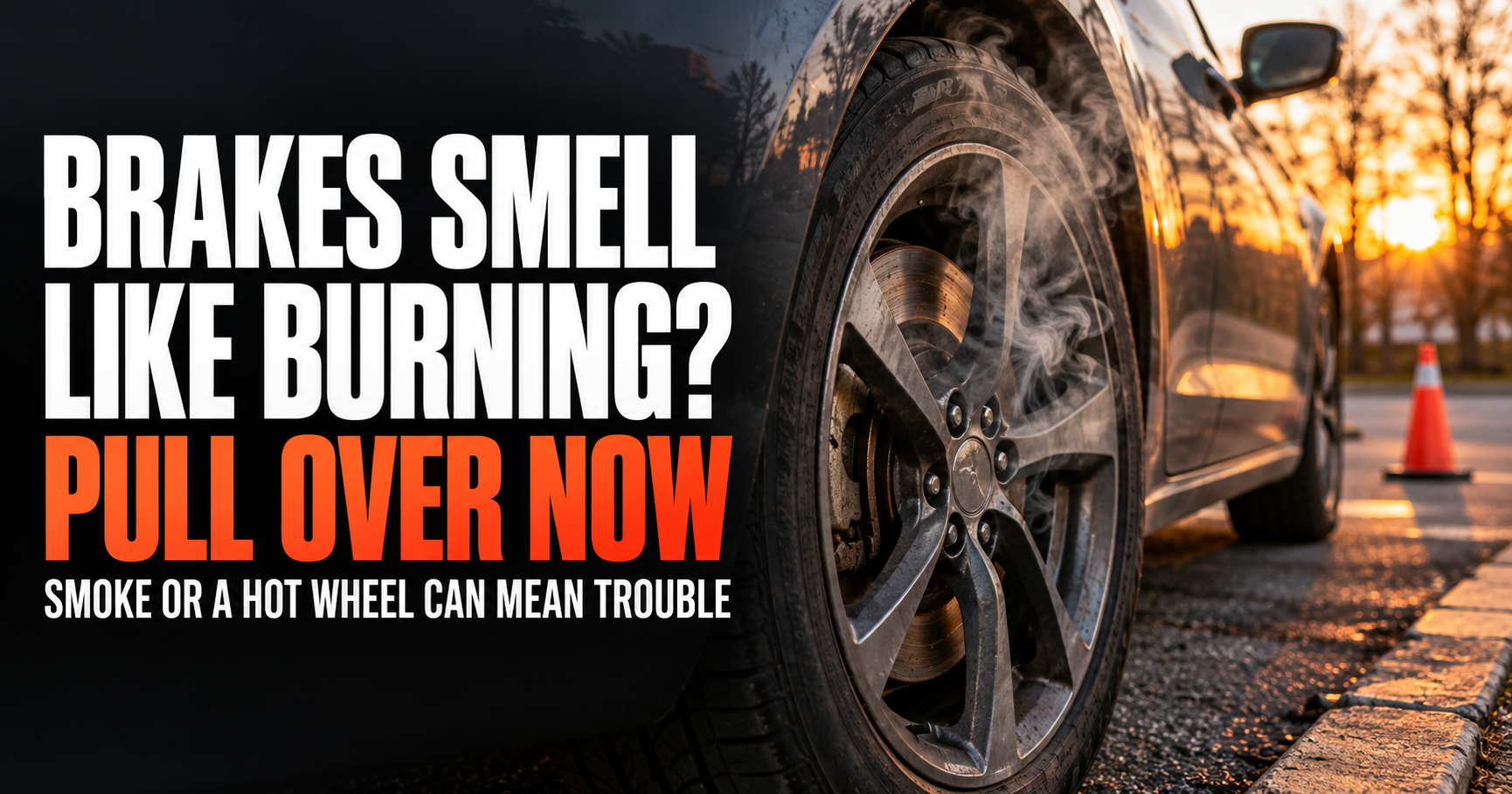
You get out of the car after a normal drive and notice a sharp burning smell near one wheel. Or maybe the smell reaches you through an open window each time you slow down.
Brakes make heat every time they stop a car. A strong or recurring burning smell, though, can mean they are getting too hot. Repeated hard braking can cause it, but so can a brake that stays partly applied after you release the pedal. The smell alone cannot tell you which is happening.
If you see smoke, the car pulls strongly, the brake pedal feels different, or stopping takes more distance than usual, pull over safely and do not continue driving. Let the brakes cool without touching them, then arrange for the car to be inspected.
Is a Burning Brake Smell Ever Normal?
A faint, temporary odor after unusually heavy braking can happen because the brakes have generated a lot of heat. For example, you might notice it after descending a long hill or making repeated hard stops.
The situation is different when a strong smell appears during an ordinary trip, comes from one wheel, or returns every time you drive. A brake may be dragging, meaning its pad continues rubbing the rotor when you are no longer pressing the pedal.
Recent brake work can also change what you notice during the first drives afterward. Still, do not dismiss smoke, a strong smell, pulling, or reduced braking as something new parts are simply supposed to do. Call the shop that performed the work and describe what happened.
The question I would ask first is: What were the brakes doing before the smell appeared? One long downhill drive suggests a different starting point from a short, easy trip that leaves one wheel smelling hot.

What to Do When You Notice the Smell
Ease off the accelerator and find a safe place to stop. Avoid a sudden stop unless traffic requires it. Once parked, keep people away from the wheels and give the brakes time to cool.
Do not touch the wheel, rotor, caliper, or surrounding metal to see how hot it is. Brake parts can cause a serious burn. If you see smoke, do not pour water on the brakes to cool them. Rapid cooling can damage hot components, and it does nothing to fix whatever caused the overheating.
Notice whether the smell seems strongest near one wheel or more general around the car. Also note any smoke, pulling, grinding, warning lights, or change in the brake pedal. You can pass those details to a repair shop without taking anything apart.
If the smell is strong, keeps returning, or comes with any change in braking or handling, arrange a tow or professional advice before driving again. A brake that is dragging can continue heating up even when you are trying to drive gently. For the risks and limitations involved in diagnosing brake problems, see the site’s professional repair advice.
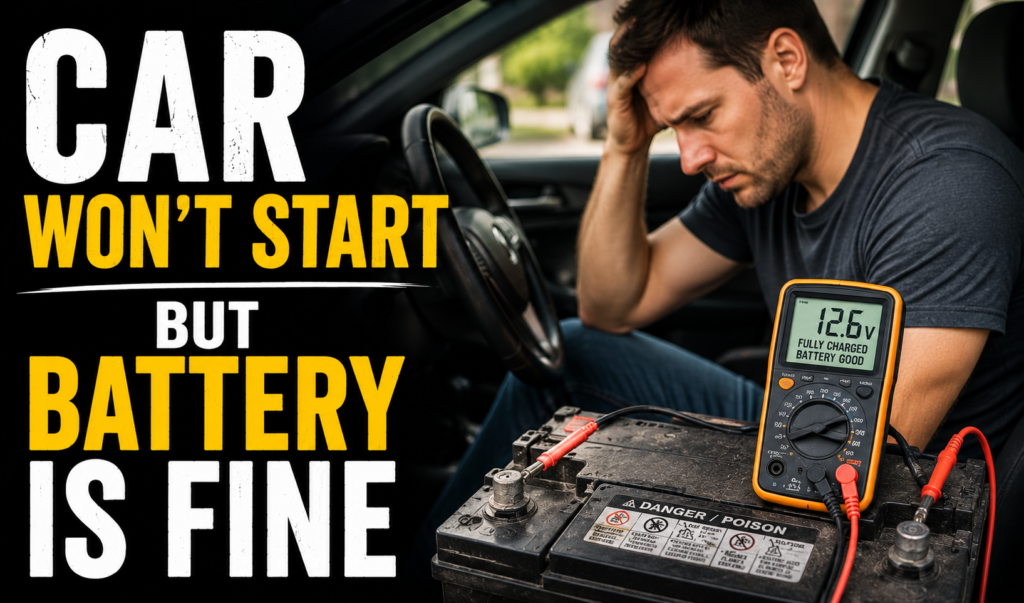
A Sticking Brake Caliper
The brake caliper presses the pads against the rotor when you brake. When you release the pedal, those parts need to move freely enough for the wheel to turn without excessive brake drag.
A caliper that sticks may leave a pad rubbing the rotor. Friction builds heat, and heat can produce a sharp burning odor. You might also notice that the car feels sluggish, pulls to one side, or develops a vibration when you brake.
Sometimes the smell becomes obvious only after several miles. The car may seem fine when you first leave home, then smell hot when you park. Tell the mechanic about that timing.
A sticking caliper is not something to diagnose by smelling a wheel and ordering a replacement. Caliper hardware, a brake hose, and other brake parts may need to be checked to learn why the brake is not releasing properly.
Why One Wheel May Smell Worse Than the Others
If the smell is concentrated near one wheel after an ordinary drive, that is useful information. The shop may pay particular attention to whether that brake is dragging or wearing differently from the brake on the opposite side.
You may also see more brake dust around one wheel, or the car may pull as you slow down. Neither clue proves that wheel has a bad caliper. It tells the technician where to begin comparing parts.
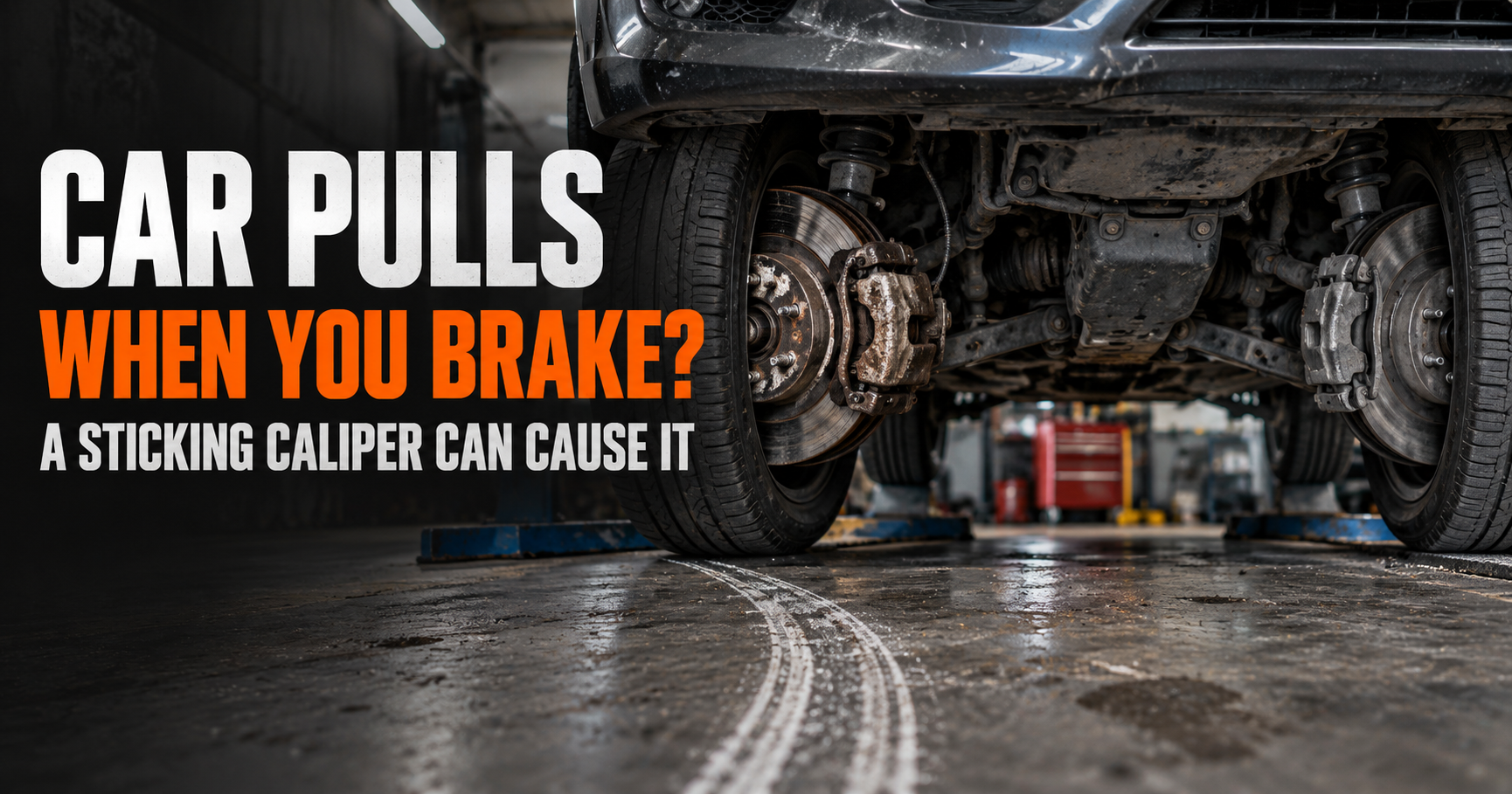
Our guide to a car pulling to one side when braking explains why the direction of a pull cannot reliably identify the failed component. Report the direction and when it occurs rather than guessing which part needs replacement.
Repeated Hard Braking and Long Downhills
On a long descent, each application of the brakes turns some of the car’s motion into heat. Repeated heavy braking can build more heat than the system can shed quickly. That can produce a burning odor and, in serious cases, reduce braking performance.
If your brakes start smelling hot on a hill, find a safe place to stop and let them cool. Do not keep descending at the same pace while hoping the odor will fade. If the pedal feels soft, the car is not slowing normally, or smoke appears, arrange assistance.
Your owner’s manual can tell you how to use a lower gear or a vehicle-specific downhill driving mode when appropriate. That helps manage speed on future descents, but it does not replace an inspection if the brakes overheated or now feel different.
A Parking Brake That Did Not Release
A parking brake that remains engaged or does not release fully can cause brake drag and heat. The driver may notice that the car feels reluctant to move, followed by a burning smell after a short drive.
Check whether the parking brake is fully released and whether a parking brake warning remains on. If the control appears released but the car still feels held back or smells hot, stop driving and have it inspected. The mechanism may not be releasing at the wheel.
Do not force the car to keep moving against a brake that appears stuck. That can make the overheating worse.

A Soft Pedal Makes the Situation More Urgent
Heat can affect how brakes perform. A pedal that suddenly feels soft or travels farther than normal is an important warning, especially when it appears alongside a burning odor.
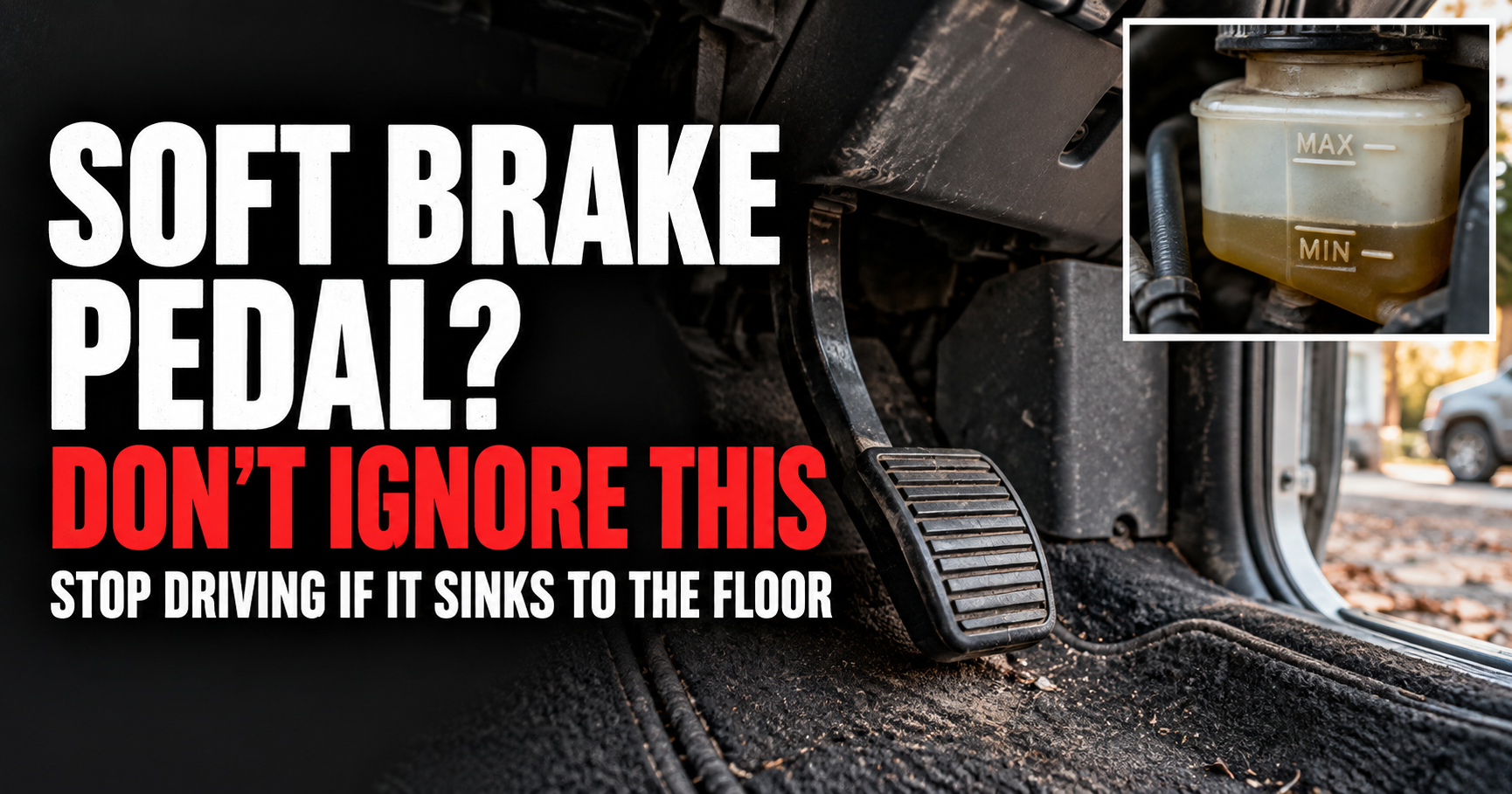
Our guide to what a soft brake pedal means covers the difference between a spongy pedal, a sinking pedal, and one that needs a second push. If any of those changes happen while the brakes smell hot, do not continue the drive after the car has cooled. Have the system checked before using it again.
Tell the shop whether the pedal changed before or after the smell began. That timeline may help them understand what happened during the drive.
Can New Brakes Smell Like Burning?
A light odor after recent brake work does not always mean a part has failed. New friction materials and work performed around the brakes may produce a temporary smell. The shop that installed the parts is in the best position to tell you what is expected for that particular repair.
Pay attention to the rest of the car’s behavior. Smoke, a strong odor, one wheel smelling much hotter than the others, pulling, or a change in stopping ability needs inspection. Do not assume those symptoms are part of a normal break-in period.
If the smell began immediately after service, call the shop, give them your invoice number if you have it, and describe the drive on which it happened. Ask them to check that the brakes apply and release correctly.
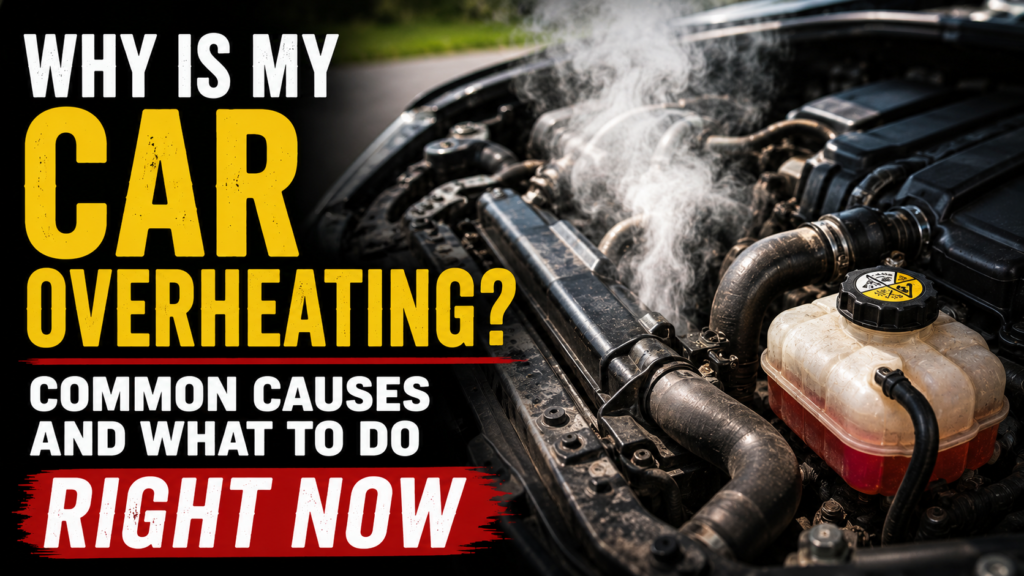

Could the Smell Be Coming From Something Else?
Yes. A burning smell near the front of a car could come from a fluid contacting a hot component, an electrical problem, or another source. Smell by itself is not a reliable way to name the faulty part.
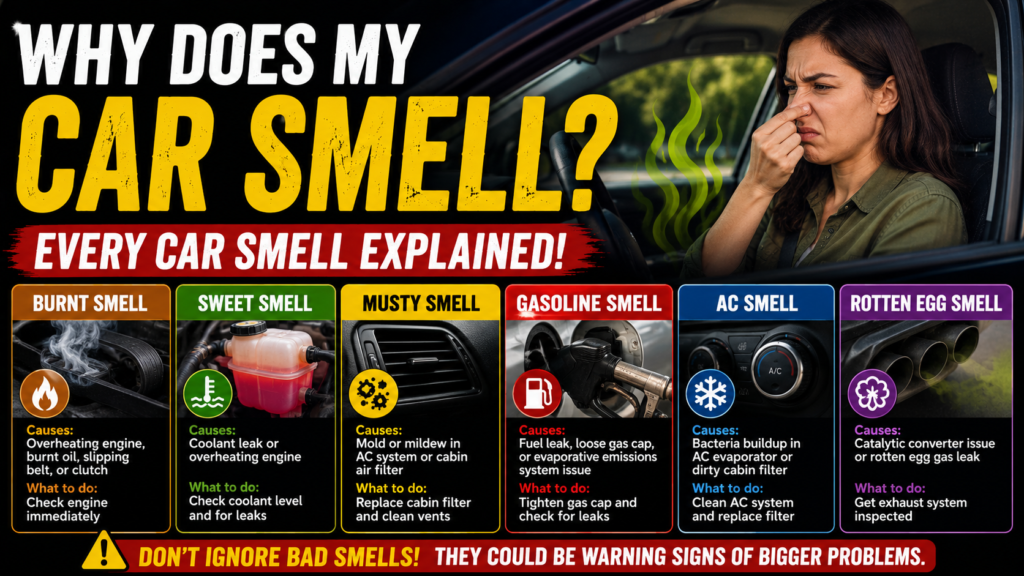
Location and timing help. Does it seem strongest near a wheel after braking? Does it appear when the heater runs, when you accelerate, or while the car sits idling? Our broader guide to different car smells helps separate some of those possibilities.
If you cannot locate the source, do not keep driving to gather more evidence when the odor is strong or persistent. A technician can inspect the brakes and other likely areas safely.
What If the Brakes Smell Hot but There Is No Smoke?
No visible smoke does not mean the temperature is normal. A dragging brake may produce an odor before you can see anything unusual.
Think about how the car drove. Was this a short, gentle trip? Did the vehicle pull, feel slow to accelerate, or make a scraping sound? Did the smell return after the car cooled and you drove it again?
A recurring odor after normal driving deserves an inspection. Describe whether it comes from one corner of the car and whether it happens even when you have hardly used the brakes.
What If the Steering Wheel Shakes Too?

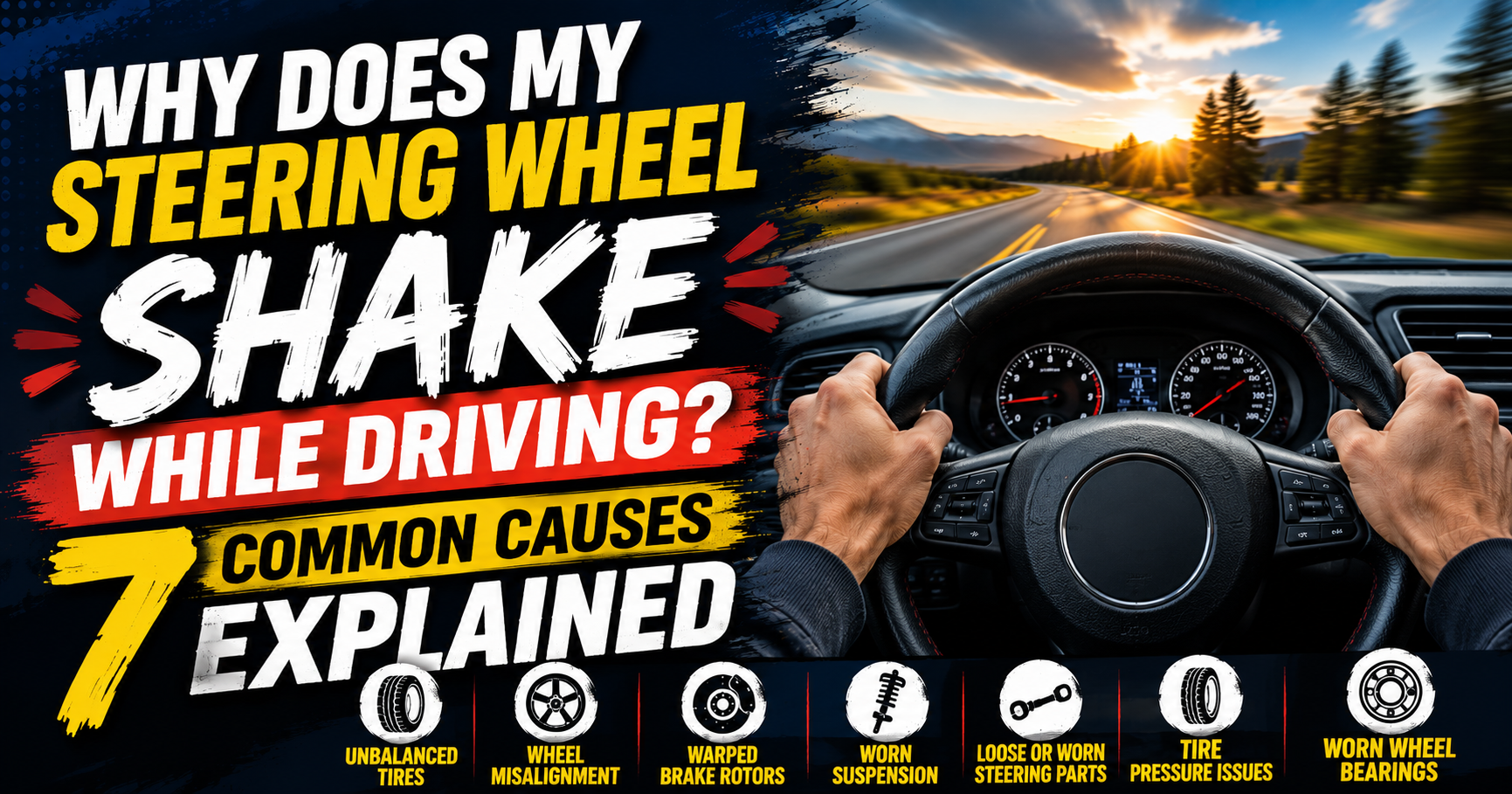
A steering wheel that vibrates when you brake is another clue to report. Heat and uneven brake contact may contribute to a shake, but steering and suspension problems can also affect what you feel. For help narrowing down the possible causes, see shaking when you brake.
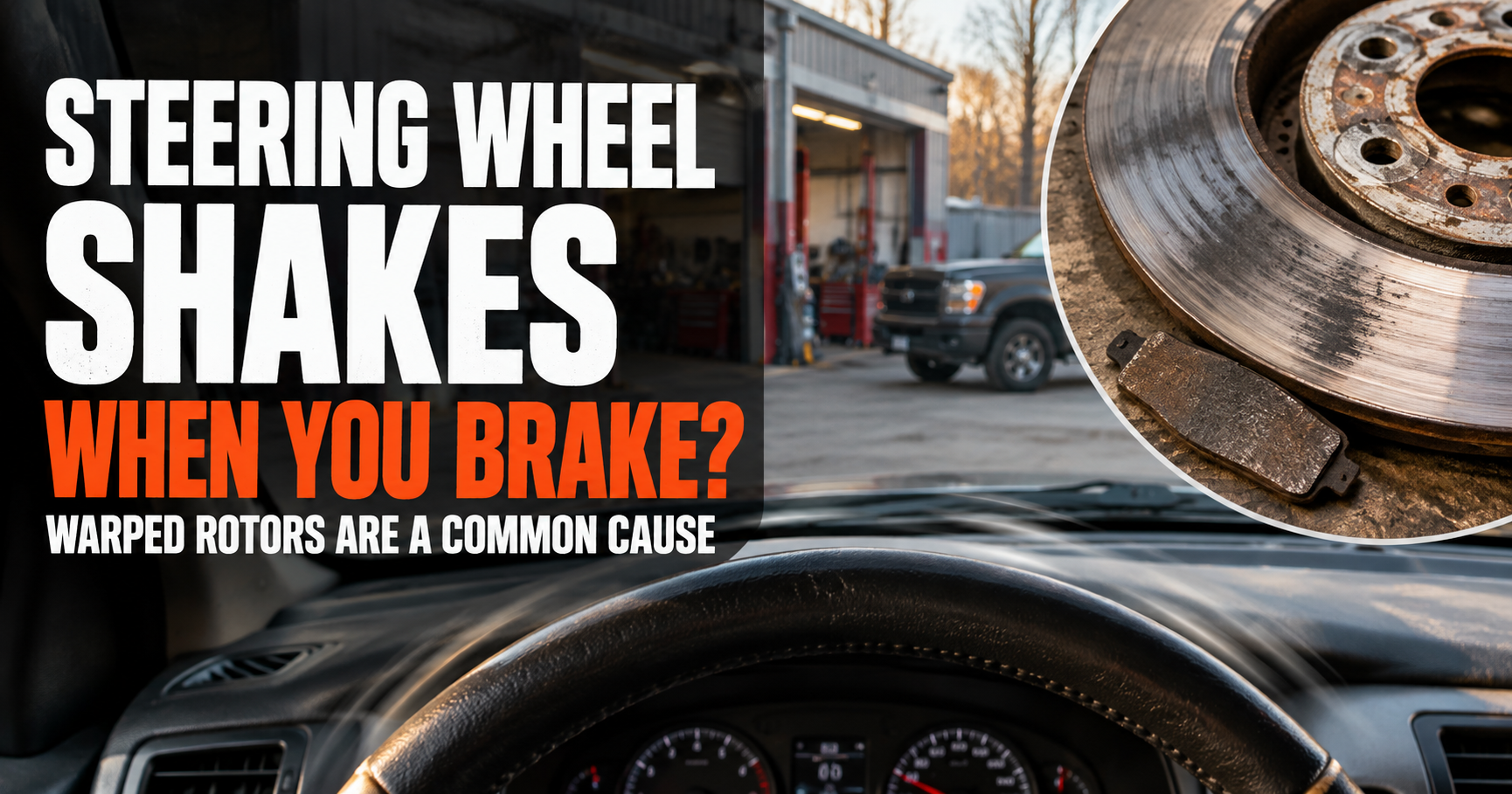
We cover the diagnostic clues in why a steering wheel shakes when braking. If the wheel shakes and you notice a strong burning smell, stop treating it as a simple vibration you can schedule for later. Have the brakes inspected promptly.
Tell the mechanic whether the shake started before the smell or appeared on the same drive.
What a Mechanic Should Check
Explain the conditions that produced the odor before asking for a particular repair. A technician may inspect pad and rotor condition, caliper movement, brake hardware, hoses, and whether a wheel turns freely once the brake is released.
They may also look for signs of excessive heat and compare wear on opposite sides of the car. If the smell started after a repair, tell them exactly which work was done and when.
You can ask, “Did you find a brake that was not releasing, and what caused it?” That question matters because replacing heat-damaged pads without correcting brake drag could allow the problem to return.
Can You Drive After the Smell Goes Away?
The odor fading as the car cools does not prove the brakes are fixed. A sticking component may seem normal when cold and drag again later in the drive.
If you know the brakes were worked hard on a long descent, they have cooled, and the car now stops normally, you still need to watch for any returning odor or change in pedal feel. If the odor was strong, there was smoke, or braking changed, arrange an inspection before driving again.
If it happened after an easy drive, especially near one wheel, I would not take another long trip just to see if it repeats. Have the cause checked.
Questions Drivers Ask About Burning Brakes
Why do my brakes smell like burning after a short drive?
A strong smell after a short, easy drive may mean a brake is dragging instead of releasing fully. A sticking caliper or parking brake problem is possible, but the car needs an inspection to identify the cause.
Is it normal for brakes to smell after driving downhill?
Heavy braking on a long downhill stretch can overheat the brakes and create an odor. Stop somewhere safe and let them cool. If braking feels weaker, the pedal changes, smoke appears, or the smell persists, do not continue driving until the system is checked.
Why does only one wheel smell like burning?
One brake may be overheating or dragging more than the others. Tell the shop which wheel seemed to be the source, but do not touch it or assume a particular part has failed.
Should I pour water on smoking brakes?
No. Stop safely, keep clear of the hot parts, and let them cool. Water does not correct the cause and can damage hot brake components. Arrange help if the brakes smoked or their performance changed.
Could new brake pads cause the smell?
A mild temporary odor can occur after brake work, but a strong recurring smell, smoke, pulling, or reduced stopping ability is a reason to contact the shop and have the installation and brake operation checked.
NBy Dana Callahan, an automotive troubleshooting writer for Why Is My Car. Dana’s guides focus on the details drivers can actually observe, the symptoms that call for immediate attention, and the questions that help them understand a proposed repair.
