
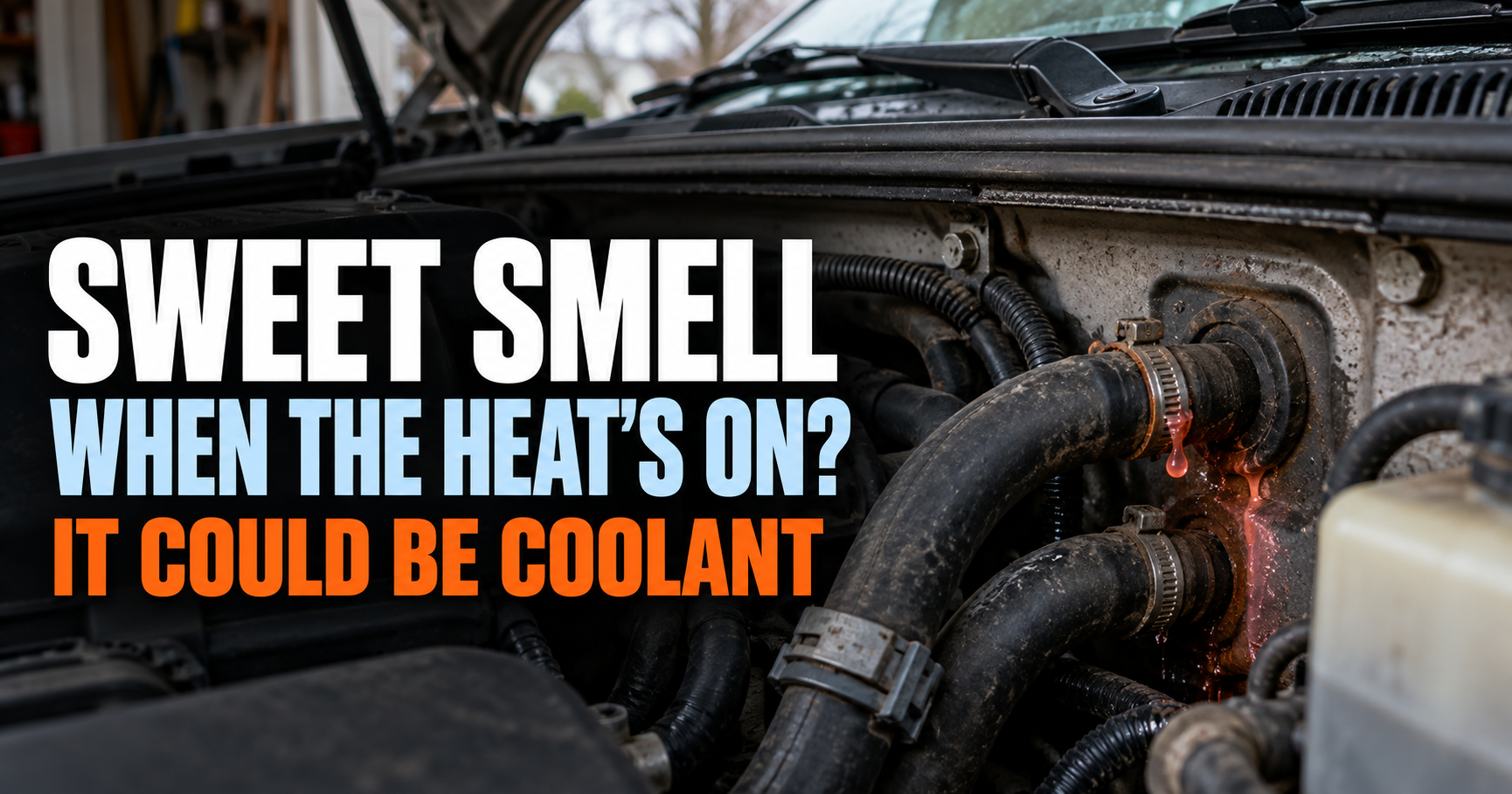
You turn on the heat and notice a sweet smell coming through the vents. Maybe it fades after a minute. Maybe it gets stronger every time the fan runs.
I would take that smell seriously, especially if it reminds you of syrup or sweet chemicals. Engine coolant has a distinctive sweet odor. It might be leaking inside the heating system, or it might be leaking under the hood and getting drawn into the cabin through the outside-air intake.
The smell alone cannot tell you which one. The clues I’d check next are the inside of the windshield, the passenger-side carpet, the coolant level, and whether the engine is running hotter than usual.
First, check whether the car is overheating
Look at the temperature gauge or warning display. If the gauge is climbing toward hot, a coolant-temperature warning appears, or you see steam, pull over safely and shut off the engine. Do not keep driving because the heater still blows warm air.
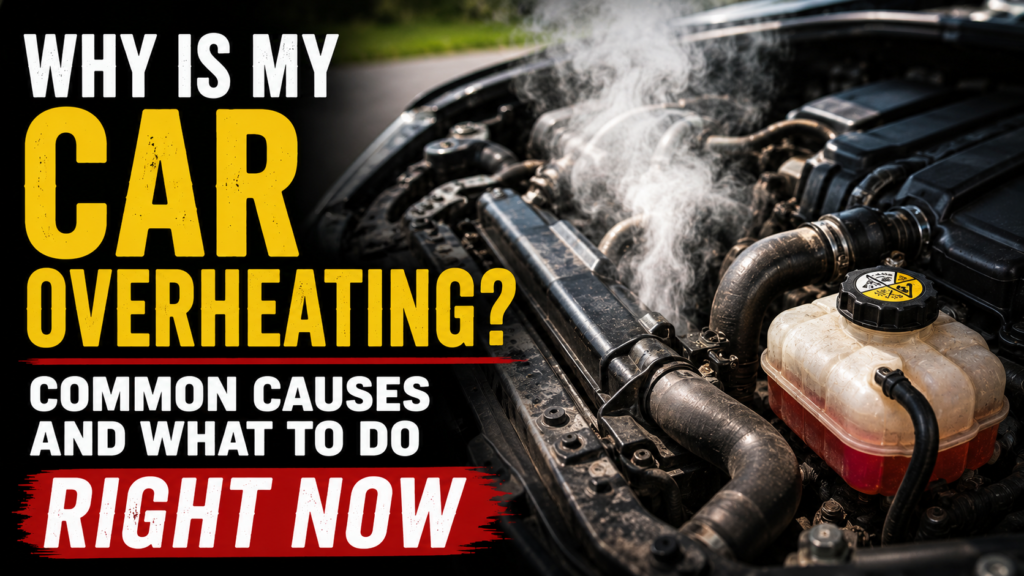
A coolant leak can start small and become large enough to overheat the engine. Our guide to what to do when your car overheats covers the immediate steps if the temperature rises.
If the gauge looks normal, you have time to observe a few more details. It does not mean the smell can be ignored. A small leak may produce an odor before the temperature gauge shows a problem.

Is there a film on the inside of the windshield?
Look at the windshield from an angle in good light. Does it have a hazy film that smears when you wipe it? Does the film come back soon after you clean the glass?
A coolant leak at the heater core, the small heat exchanger behind the dashboard, is one possible cause. Air moving through the heater housing can carry the smell into the cabin, and a small leak may leave a recurring film on the interior glass.
Ordinary dirt and interior products can leave glass hazy too. I would not call the heater core bad based on a smudge alone. But a sweet smell plus a recurring film gives a shop a useful reason to inspect it.
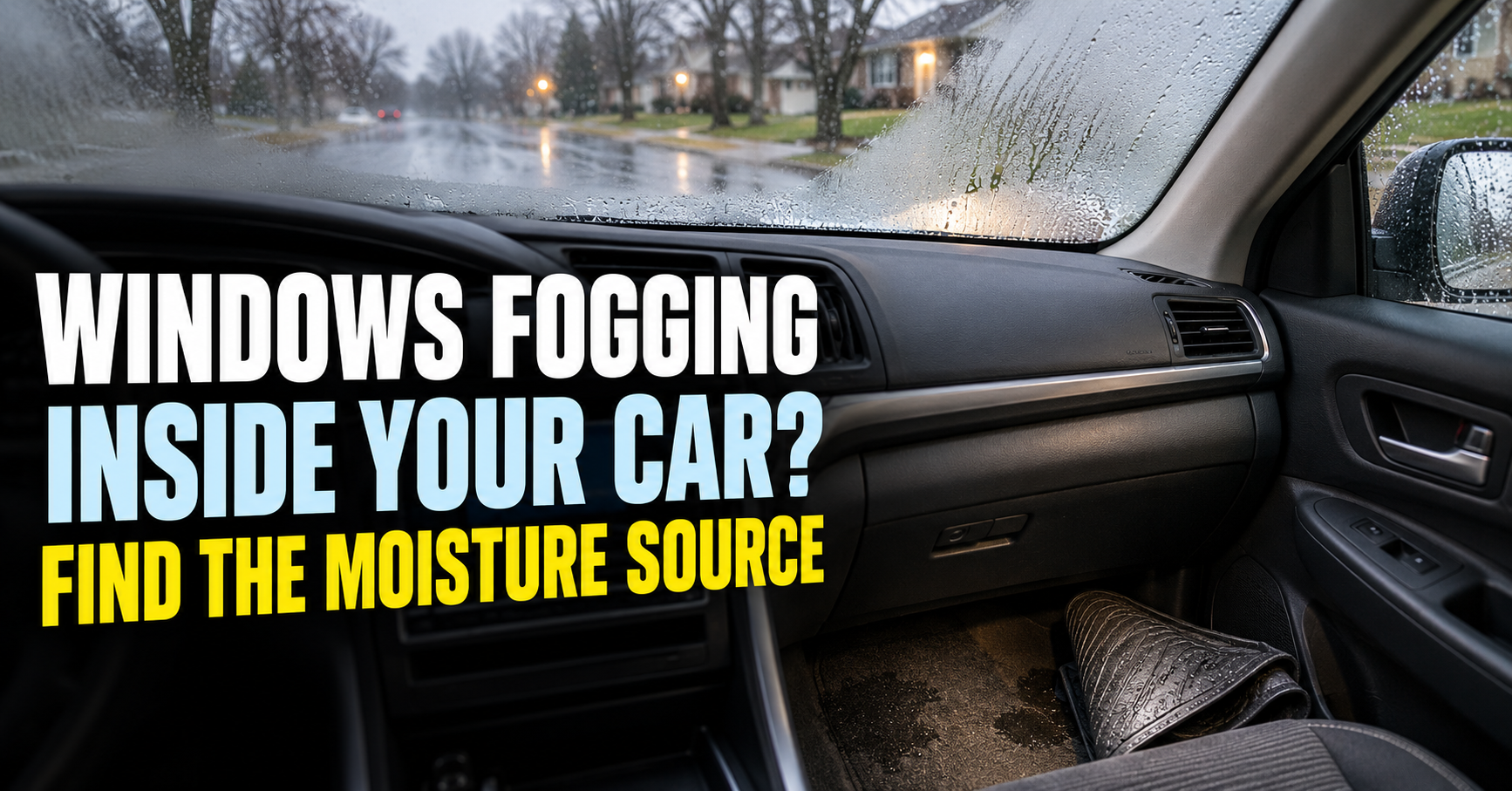
If the glass will not stay clear enough to see through, stop somewhere safe. For other causes of stubborn interior fog, see our guide to car windows that keep fogging up inside.


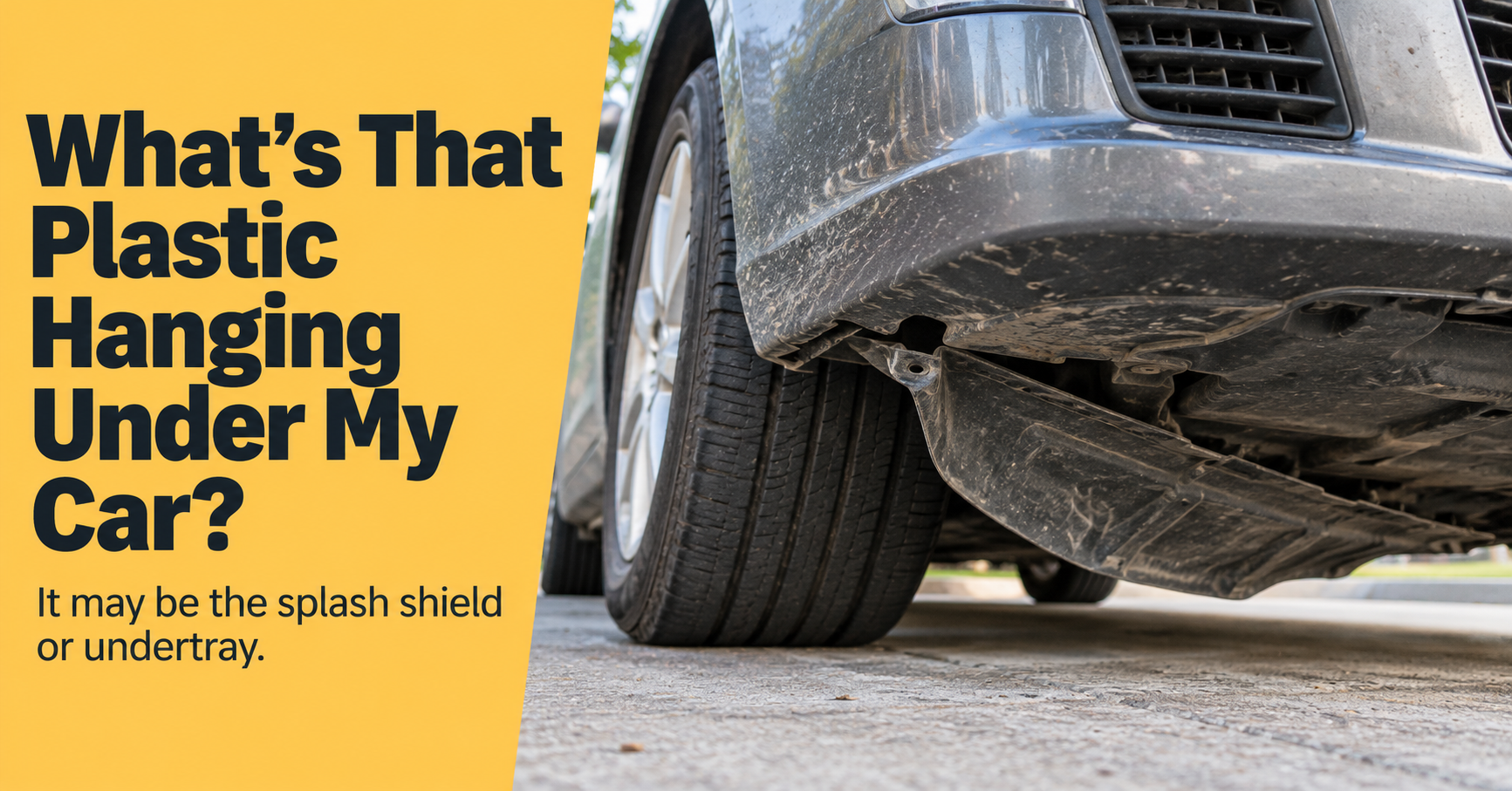
Check the passenger-side floor
With the car parked, lift the passenger-side floor mat and press a dry paper towel against the carpet. Check along the front edge of the footwell as well as the area your feet normally touch.
Damp carpet and a sweet smell can point toward coolant leaking inside the dashboard. The leak may be hidden behind trim, so the wet spot does not always appear directly beneath the part that failed.
Be careful about assuming every damp floor is coolant. Rainwater can enter through a door seal or drain and soak the same area. Rainwater usually smells different, and it will not explain a falling coolant level. Tell the shop whether the carpet gets wet after rain, after you run the heater, or regardless of the weather.
If you find liquid, avoid touching it more than necessary and keep children and pets away from it. Clean up and repair will depend on identifying what leaked.
A leak under the hood can smell strongest through the vents
The heater core is not the only possibility.
Outside air for the cabin often enters near the base of the windshield. Coolant leaking in the engine compartment can create an odor that the ventilation system pulls inside. That may happen even when the heater core itself is fine.
Notice when the smell is strongest. Does it appear when the fan is on fresh air but fade when you briefly switch to recirculation? That pattern can suggest an odor being drawn from outside the cabin. It is a clue, not a reliable test of where the leak is.
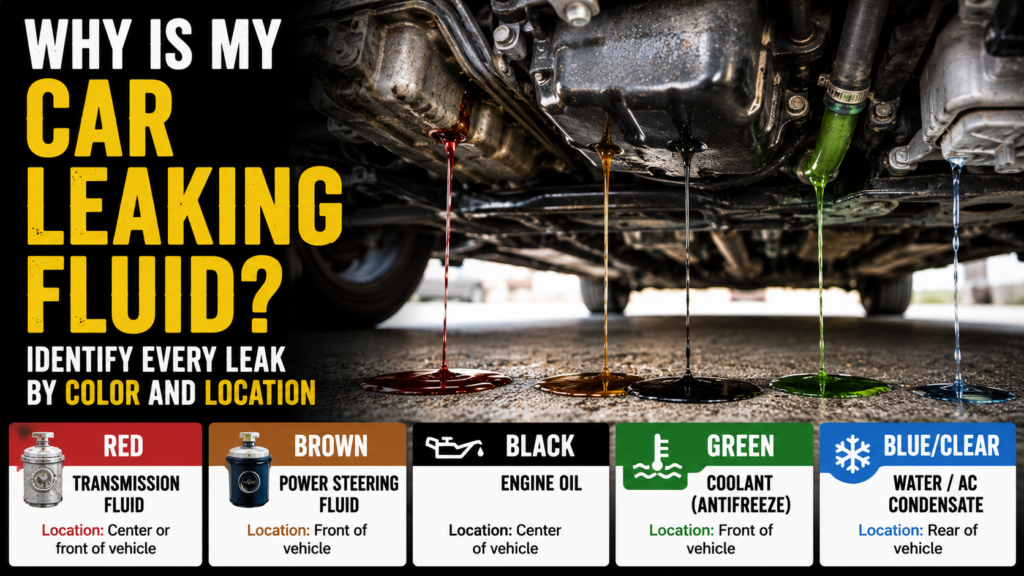
After the engine has cooled, look for dried residue or wetness around visible coolant hoses, the reservoir, and the area beneath the car. You do not need to reach past hot parts or dismantle anything. If you see a puddle and are unsure what it is, our fluid-leak identification guide can help you describe it.
A shop can pressure-test the cooling system to find a leak that is too small or too hidden to spot from above.


Check the coolant level, but wait until the engine is cold
This is the check I would make before the next drive, after the car has cooled completely. Follow your owner’s manual to find the correct coolant reservoir and read its cold-level markings.
Never remove a radiator cap or pressurized coolant-reservoir cap while the engine is hot. Hot coolant can spray out and cause serious burns.
If the level is below the specified range, tell the shop. If you recently topped it off and it is low again, that is especially important. The level and smell together strengthen the case for a leak, though they still do not identify its exact location.
Use only the coolant specified for your vehicle if you need to add any. Coolant comes in different formulations, and its color is not a dependable way to choose the right replacement. Adding coolant may restore the level temporarily, but it does not repair the place it escaped.
What if the smell happens only when I first turn on the fan?
That timing can still fit a coolant leak. Odor may collect while the car is parked, then blow out of the vents when the fan starts. If the smell repeats each time you use the heater, I would check the coolant level and look for the other clues rather than dismissing it because it fades.
Also describe the smell as accurately as you can. Sweet and chemical is different from musty and damp or burning and sharp. A musty odor may point toward moisture in the ventilation system or cabin. A burning smell calls for a different inspection.
Do not try to cover a recurring odor with an air freshener. Knowing when and where it appears is useful diagnostic information.

Does turning the heat off make the leak go away?
Usually, no. In many vehicles, hot coolant circulates through the heater core regardless of the temperature setting; doors inside the dashboard control how much cabin air passes over it. Other vehicles control coolant flow differently.
That means an odor that changes when you adjust the heat does not prove coolant stops leaking when the heat is off. Changing the fan speed or air setting may simply change how much of the odor reaches you.
For the same reason, “it only smells when I use the heater” does not prove the heater core is the failed part. A leak under the hood can be drawn into the cabin when the ventilation system runs.
When should you stop driving?
Stop and get help if the engine temperature rises into the hot range, a coolant-temperature warning appears, steam is visible, coolant is escaping rapidly, or you cannot keep the windshield clear. Shut off the engine after pulling over safely and let it cool. Do not open the cooling system while it is hot.
If the temperature remains normal and the smell is faint, arrange an inspection promptly. Check the coolant level only when cold and keep an eye on the temperature gauge until the cause is found. If the level is very low or continues to fall, I would avoid driving it to a shop without first discussing the symptoms with them.
The cabin itself matters too. If fumes or a strong odor make you feel unwell, get out into fresh air and have the vehicle assessed rather than continuing the drive.

What to ask the repair shop
Give the shop the pattern rather than naming the part you think failed. Tell them whether the smell occurs with heat, A/C, or any fan setting; whether it is stronger with fresh air; and whether the windows develop a film.
Mention wet carpet, visible coolant residue, a falling coolant level, or a temperature warning. If the smell started just after cooling-system work, include that timing.
Then ask where the coolant is escaping and how they confirmed it. A cooling-system pressure test, inspection around the engine, and a check for moisture in the heater housing can help separate an under-hood leak from a heater-core leak. That distinction matters because the repairs can be very different. For other symptoms that require separating possible causes, see these car warning sign guides.
Frequently asked questions
Is a sweet smell from the heater always a bad heater core?
No. A heater-core leak is one possibility, especially with damp passenger-side carpet or a film on the inside glass. Coolant leaking under the hood can also be drawn through the cabin air intake. The leak location needs to be confirmed.
Can coolant leak without leaving a puddle under the car?
Yes. A small leak can leave dried residue, evaporate on a hot component, or collect inside the vehicle. Check the cold coolant level and report whether it has dropped between checks.
Why does my windshield look greasy when the heater is on?
A recurring interior film paired with a sweet smell may point toward coolant entering the heater housing. Interior-cleaning products can also leave residue, so the film alone is not a diagnosis. Have the cooling system checked if the smell or film keeps returning.
Can I drive if the temperature gauge is normal?
A normal gauge is reassuring for the moment, but it does not rule out a small leak. Arrange an inspection promptly. Stop driving if the engine runs hot, coolant loss becomes significant, steam appears, or visibility is affected.
Will a coolant top-off get rid of the smell?

It may correct a low level for a short time, but it will not seal a leak. If coolant is escaping, the smell may return and the level may fall again. Find the leak before it turns into an overheating problem. Once the leak is identified as minor, radiator stop-leak treatment explains when a chemical repair may be appropriate and when it cannot replace a physical repair.
About the Author: Morgan Ellis writes practical troubleshooting guides for Why Is My Car, focusing on the details drivers can observe, the warning signs that change what to do next, and the questions that help a shop confirm the right repair.


