
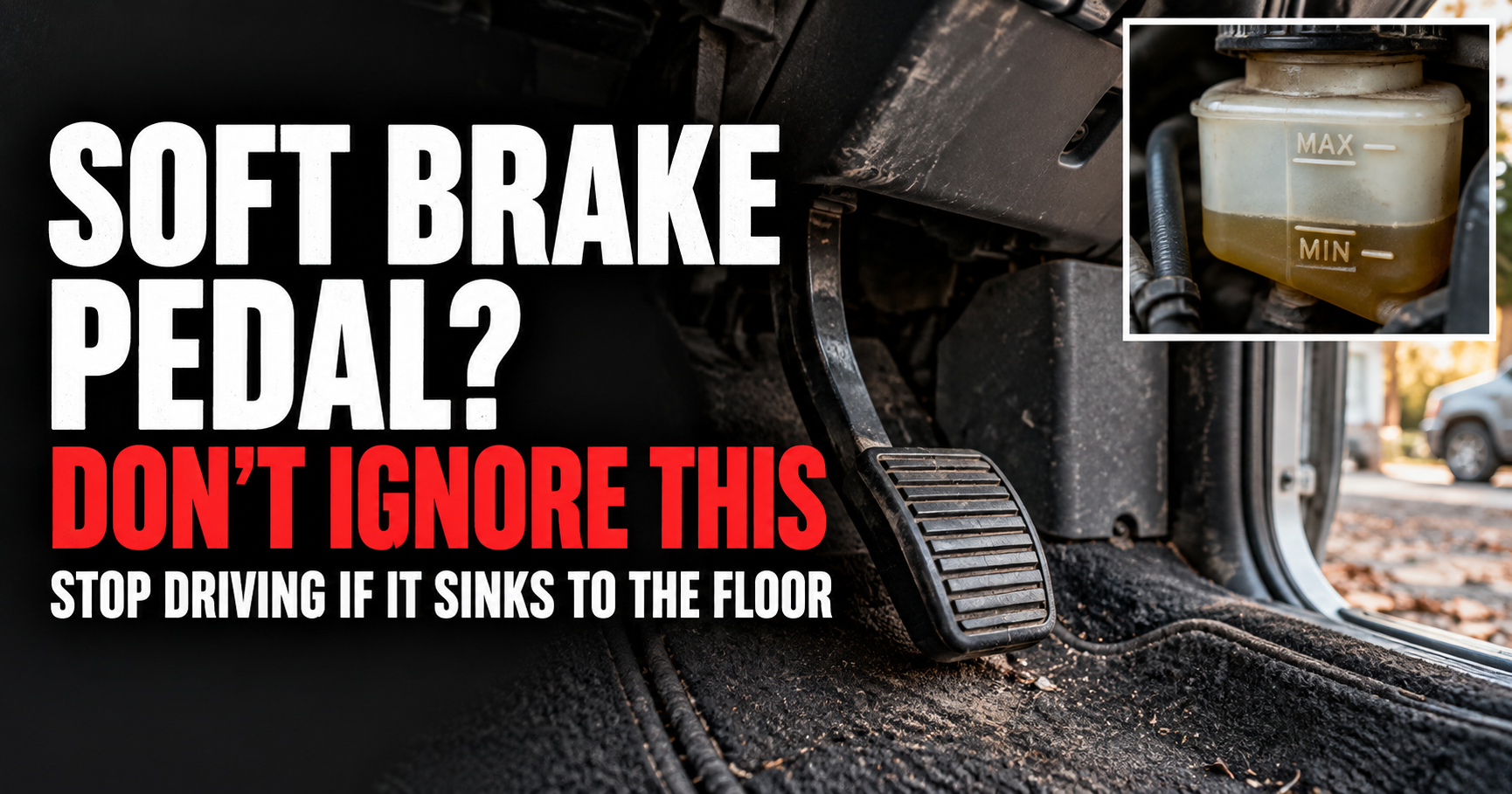
You press the brake pedal and expect firm resistance. Instead, it feels squishy, travels farther than usual, or seems to need a second push before the car slows down.
A change in pedal feel deserves immediate attention. Air in the brake lines, a fluid leak, a problem with the master cylinder, or an issue following recent brake work can all leave the pedal feeling soft. You cannot safely identify the cause by pumping the pedal a few times and seeing whether it improves.
If the pedal suddenly goes much farther down than normal, the car takes longer to stop, or you see a brake warning light along with the change, pull over safely and arrange for a tow. Even when the car still stops, a newly soft pedal needs a prompt brake inspection. For the wider set of causes, see a car that takes longer to stop.
What a Soft Brake Pedal Actually Feels Like
Drivers use “soft” to describe a few different sensations. One pedal feels springy or spongy as you press it. Another feels normal at first but slowly sinks while you keep steady pressure on it. Sometimes the pedal travels much closer to the floor before the brakes respond.
Those differences are worth noting. A spongy feel can happen when air is trapped in the hydraulic brake system. A pedal that sinks under steady pressure may point toward a leak or trouble maintaining hydraulic pressure. Neither sensation gives you a certain diagnosis from the driver’s seat.
Compare it with how your car normally feels, not with another vehicle. Brake pedals vary among models. A clear change in the same car matters more than whether its pedal feels softer than a friend’s.


Why Brakes Need Fluid Pressure
When you press the brake pedal, the brake system uses hydraulic pressure to apply the brakes at the wheels. Brake fluid is a key part of transferring that force.
Air behaves differently from brake fluid. If air enters the system, it can compress when you press the pedal, giving it a spongy feel. A leak can reduce the fluid available to maintain pressure. A problem inside the master cylinder can also keep the system from responding as it should.
That is why a soft pedal is more than an annoyance. It can affect how much pedal travel and time it takes to stop.
If your brakes feel different today, arrange an inspection now. Do not wait for grinding or another symptom to appear before taking the pedal change seriously.

Air in the Brake Lines
Air in the hydraulic system is a common reason a brake pedal feels spongy. You may press the pedal and feel it give more than it used to, even though the car still slows down.
Air can enter after certain brake repairs if the system was opened and not bled completely. It can also be associated with a leak or a fluid level that became too low. The important question is how the air got there.
Bleeding the brakes removes trapped air, but it does not repair a leaking line or another part that allowed the problem to develop. If a shop recommends bleeding, ask whether it also checked for leaks and confirmed that the system holds pressure.
A Brake Fluid Leak
Brake fluid can leak from a line, hose, caliper, wheel cylinder, master cylinder, or another part of the hydraulic system. A leak may leave a wet area near a wheel or beneath the car, but you might not see anything obvious from where the car is parked.
Watch for a brake warning light, a pedal that travels farther than usual, or braking that becomes less effective. A fluid leak can worsen, so do not keep driving because the car still stopped at the last intersection.
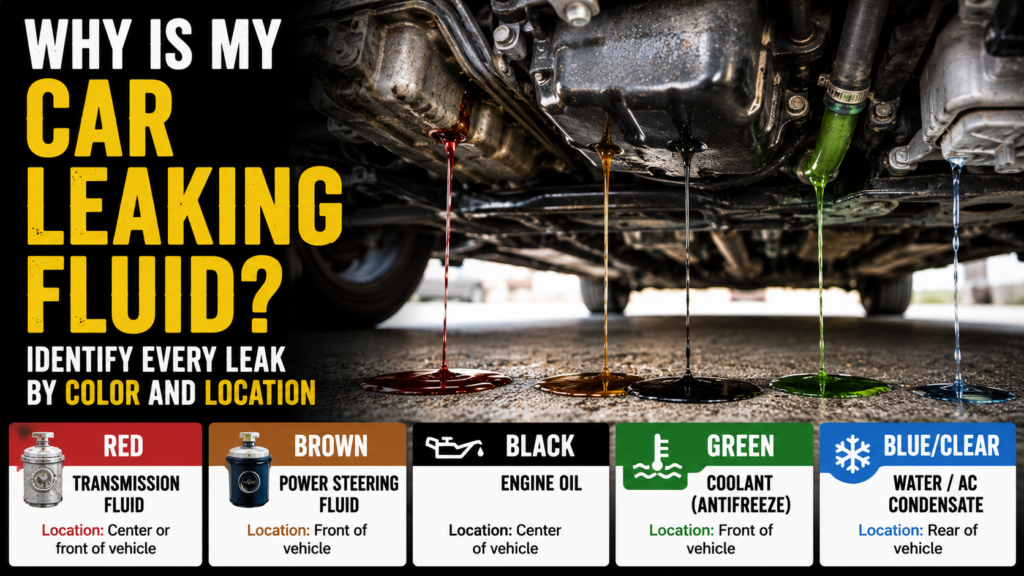
If you spot fluid under the car but cannot identify it, our guide to identifying car leaks by color and location may help you describe what you found. Do not assume the leak is harmless if the brake pedal has changed.

Trouble With the Master Cylinder
The brake master cylinder helps create hydraulic pressure when you press the pedal. Internal seals that are no longer holding pressure can affect pedal feel, sometimes without an obvious puddle beneath the car.
One clue to report is a pedal that gradually sinks while your foot holds steady pressure. That is not proof that the master cylinder is bad. The technician needs to inspect the system and rule out other causes, including external leaks.
Replacing a master cylinder without a proper diagnosis can be an expensive guess. Give the shop the symptom and let it check where pressure is being lost.
Why the Pedal May Feel Better After You Pump It
You press the brake pedal once and it feels low. Press it again, and it seems firmer. It is tempting to think you solved the problem.
You have not established that the brakes are safe. A pedal that changes noticeably between presses is information a mechanic needs, whether the cause involves air, brake adjustment, or another fault. The fact that it feels better temporarily does not tell you how it will behave during the next stop.
If the first press gives you less braking than expected, stop driving and arrange for an inspection. Do not rely on repeatedly pumping the pedal as a way to make normal trips.


A Soft Pedal After Brake Work
If the pedal changed immediately after pads, calipers, brake lines, or another brake component was repaired, call the shop that performed the work. Tell them exactly when you first noticed the difference.
Some repairs require the hydraulic system to be opened and properly bled. There may also be another issue that needs inspection. A pedal that feels different after service is not something you should accept simply because the car can still stop.
Bring the repair invoice if possible. It tells the technician what was replaced and helps them check the parts and work most relevant to the new symptom. If the pedal is very low or stopping performance has changed, arrange a tow instead of driving back.
Could Worn Brake Pads Make the Pedal Feel Soft?
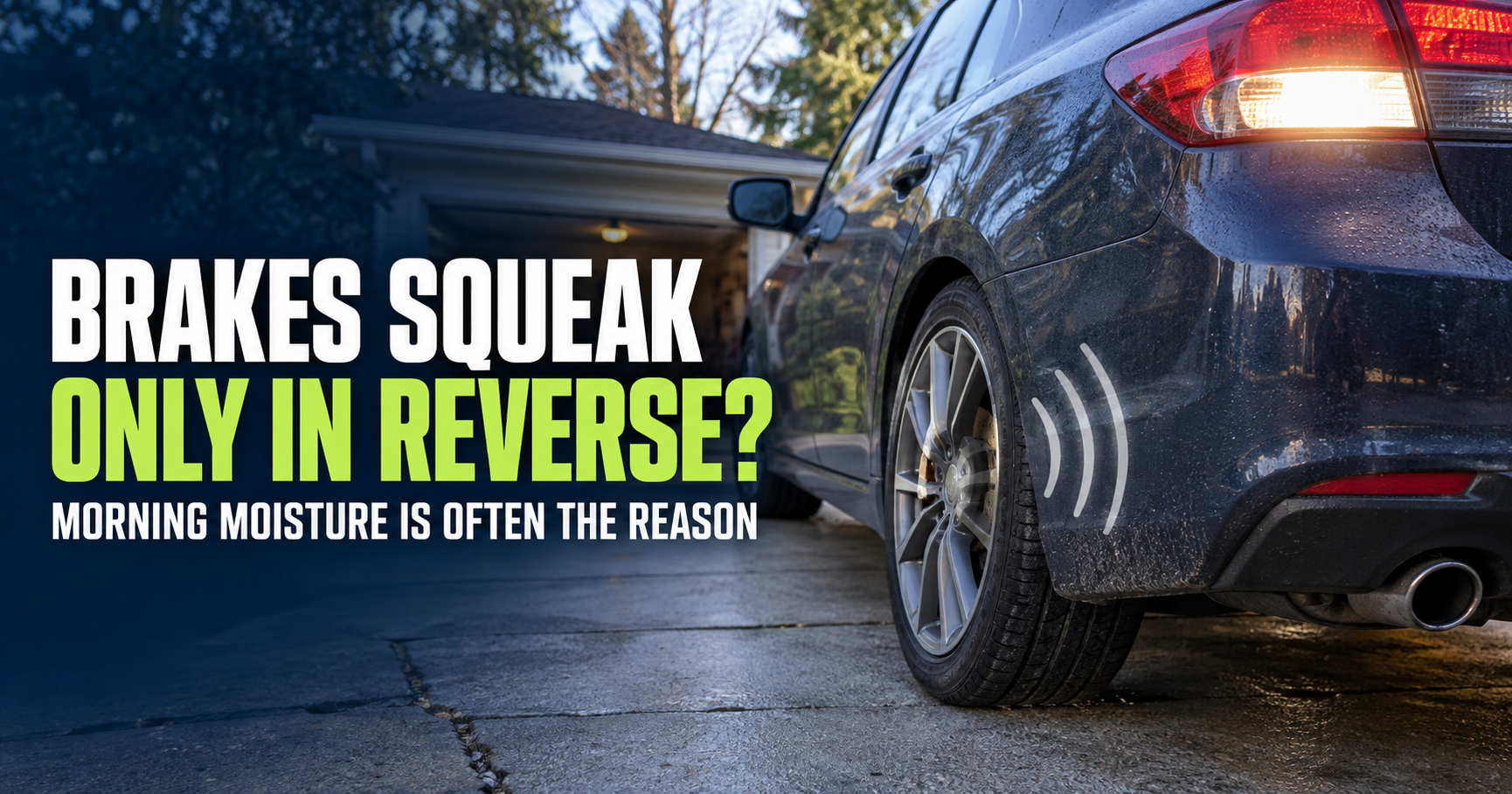
Brake pad wear can change how a brake system behaves, and very worn pads deserve prompt attention. But a newly spongy pedal should not be diagnosed as “just pads” without inspecting the hydraulic system. If pad wear is accompanied by a recurring noise rather than a soft pedal, the reverse-squeak guide explains what to observe next: brake pad wear.

A shop can check pad thickness and look for uneven wear while also checking fluid level, leaks, and pedal response. If you hear scraping or grinding when you stop, mention that separately. Our article on car noises when braking explains what those sounds may indicate.
Replacing pads alone will not fix air in a brake line or a fluid leak.
Is a Soft Pedal the Same as a Pulsing Pedal?
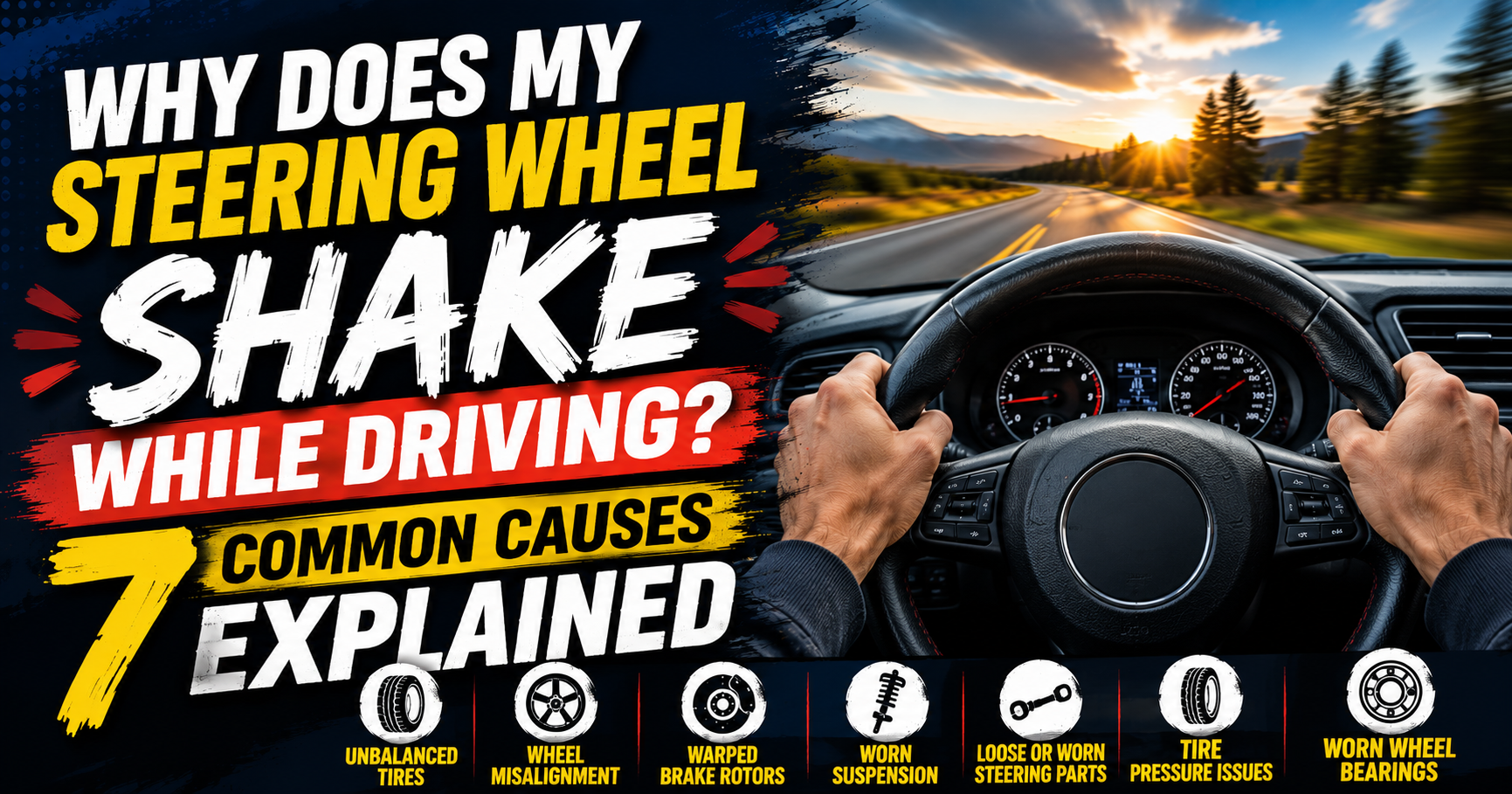
No. A soft pedal feels unusually easy to push or travels farther than normal. A pulsing pedal pushes back in a repeated rhythm as you slow down.
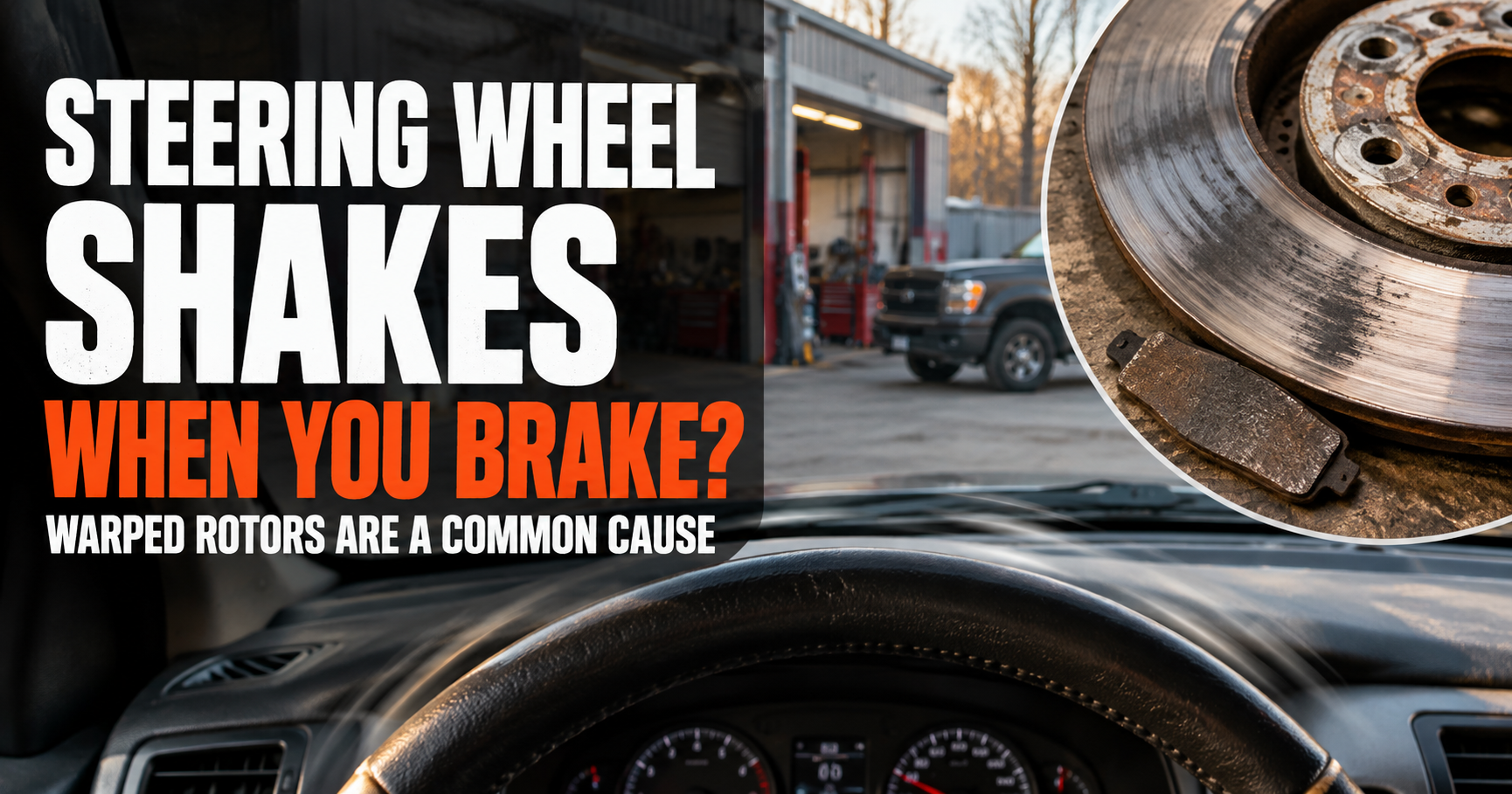
A pulse during ordinary braking may occur alongside a steering wheel vibration. We cover that pattern in why a steering wheel shakes when braking.
You can have more than one symptom. If your pedal feels soft and pulses, tell the shop about both. Do not let a familiar vibration distract from a loss of normal pedal firmness.
What If the Car Pulls to One Side Too?
A car that veers while you brake may have uneven braking or another problem affecting its tires or steering. When that happens along with a soft pedal, a thorough brake inspection is especially important.
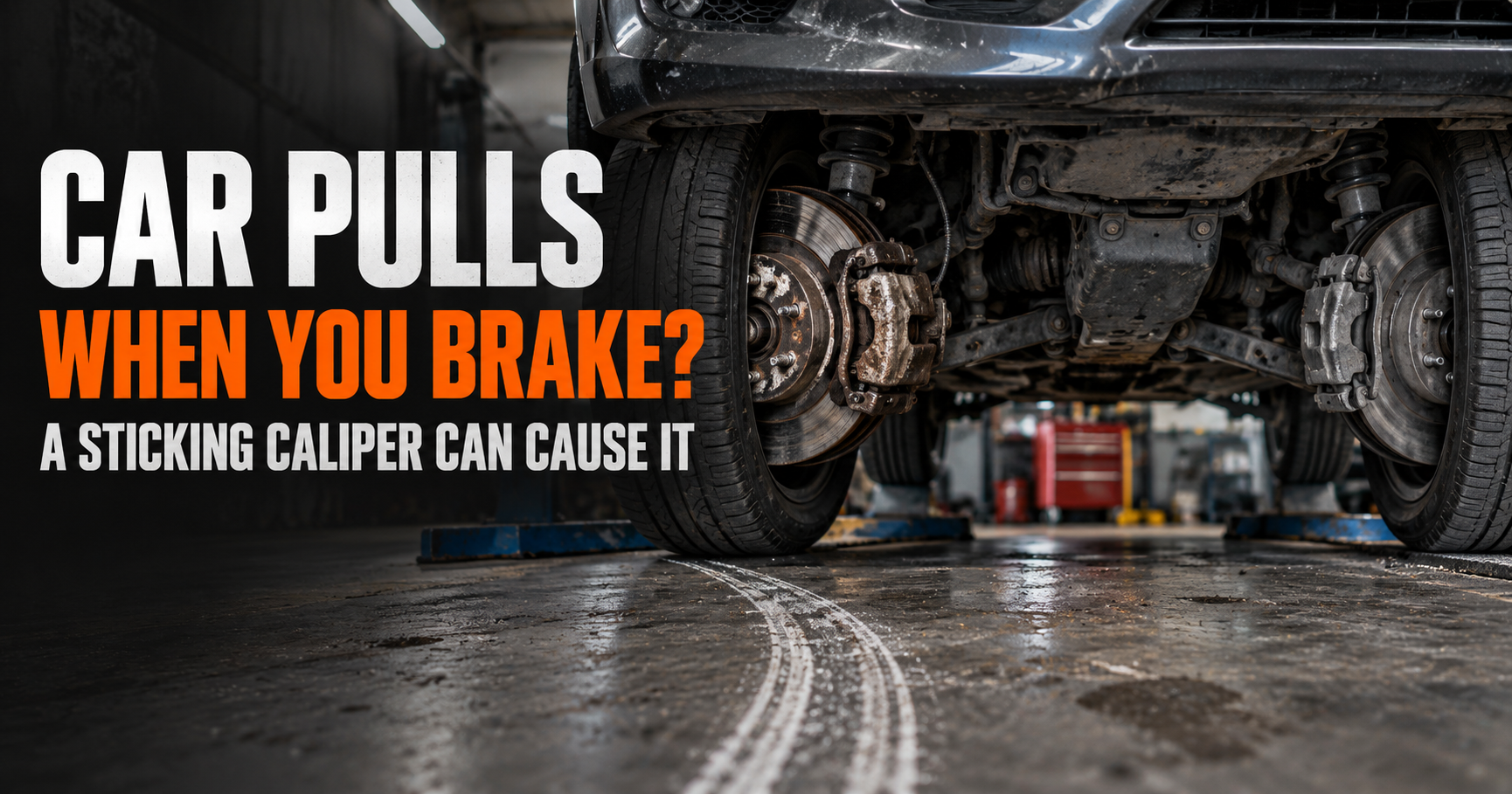
Tell the technician which direction the car pulls and whether it happens only when you press the pedal. Our guide to a car pulling to one side when braking explains why the direction alone cannot identify the failed part.
If the pull is strong or stopping feels less effective, do not continue driving to see whether it goes away.

Should You Check the Brake Fluid Reservoir?
With the vehicle parked, you may be able to see the brake fluid level through the reservoir. Your owner’s manual can help you locate it and understand the markings.
A low level is useful information to give the shop, but do not simply add fluid and assume the problem is fixed. Brake fluid level can change as pads wear, and a leak can also lower it. The brake system needs to be inspected to find out why the level changed.
Do not open the reservoir unnecessarily or put in a fluid based on a guess. Vehicles specify a particular brake fluid, and contamination can create additional problems. If the pedal has become soft, checking the level is a way to gather information, not a substitute for repair.
When You Should Stop Driving
If your brake pedal drops close to the floor, sinks while you hold it, suddenly requires pumping, or comes with noticeably longer stops, get the car to a safe place and arrange a tow. The same applies if you see a brake fluid leak or a warning light appears with a change in braking.
Make your movements smooth and leave room around the car as you reach a safe stopping place. Once stopped, do not set off again to see whether the pedal has recovered.
Even a milder change should be checked promptly. You depend on the brakes at every intersection, and a symptom that comes and goes does not guarantee the next stop will feel normal.
What to Tell the Repair Shop
Describe the change rather than naming a part you want replaced. For example:
“The brake pedal started feeling spongy yesterday. It goes farther down than it used to, and the first press feels lower than the second. I haven’t noticed a puddle, but I want the brake system checked for leaks and air.”
Use your own observations in place of those details. Mention recent repairs, a warning light, a pull to one side, unusual sounds, and whether the car takes longer to stop.
Ask what the inspection found before approving the repair. If the recommendation is to bleed the brakes, ask how the shop determined why the pedal became soft. If it recommends a hydraulic part, ask where it found the leak or pressure problem. Clear answers help you understand the repair and whether it addresses the symptom that brought you in.
Questions About a Spongy Brake Pedal
Can I drive to the shop if the pedal is soft?
A newly soft pedal can indicate reduced or unpredictable braking. If it is low, sinking, needs pumping, or the car does not stop normally, arrange a tow. Even if the change seems mild, call a repair shop promptly and explain exactly how the pedal feels before deciding how to get the vehicle there.
Will bleeding the brakes fix a soft pedal?
Bleeding can remove air from the brake lines. It will not fix a leak or another fault that lets air enter or prevents the system from holding pressure. The cause needs to be identified along with removing the air.
Why does my brake pedal sink at a stoplight?
A pedal that slowly sinks while you hold steady pressure may mean the brake system is not maintaining hydraulic pressure. A master cylinder problem is one possibility, but a technician should inspect for other causes, including leaks. Have the car checked rather than waiting for the symptom to become constant.
Why are my brakes soft when the fluid reservoir looks full?
A reservoir that appears full does not rule out air in the system or an internal pressure problem. Fluid level is only one clue. The pedal change still needs diagnosis.
By Dana Callahan, an automotive troubleshooting writer for Why Is My Car. Dana’s guides help drivers describe symptoms clearly, recognize when a vehicle needs immediate attention, and understand the questions to ask before approving a repair.

