
There’s a kind of car noise that gets your attention fast: something scraping along the road underneath you.
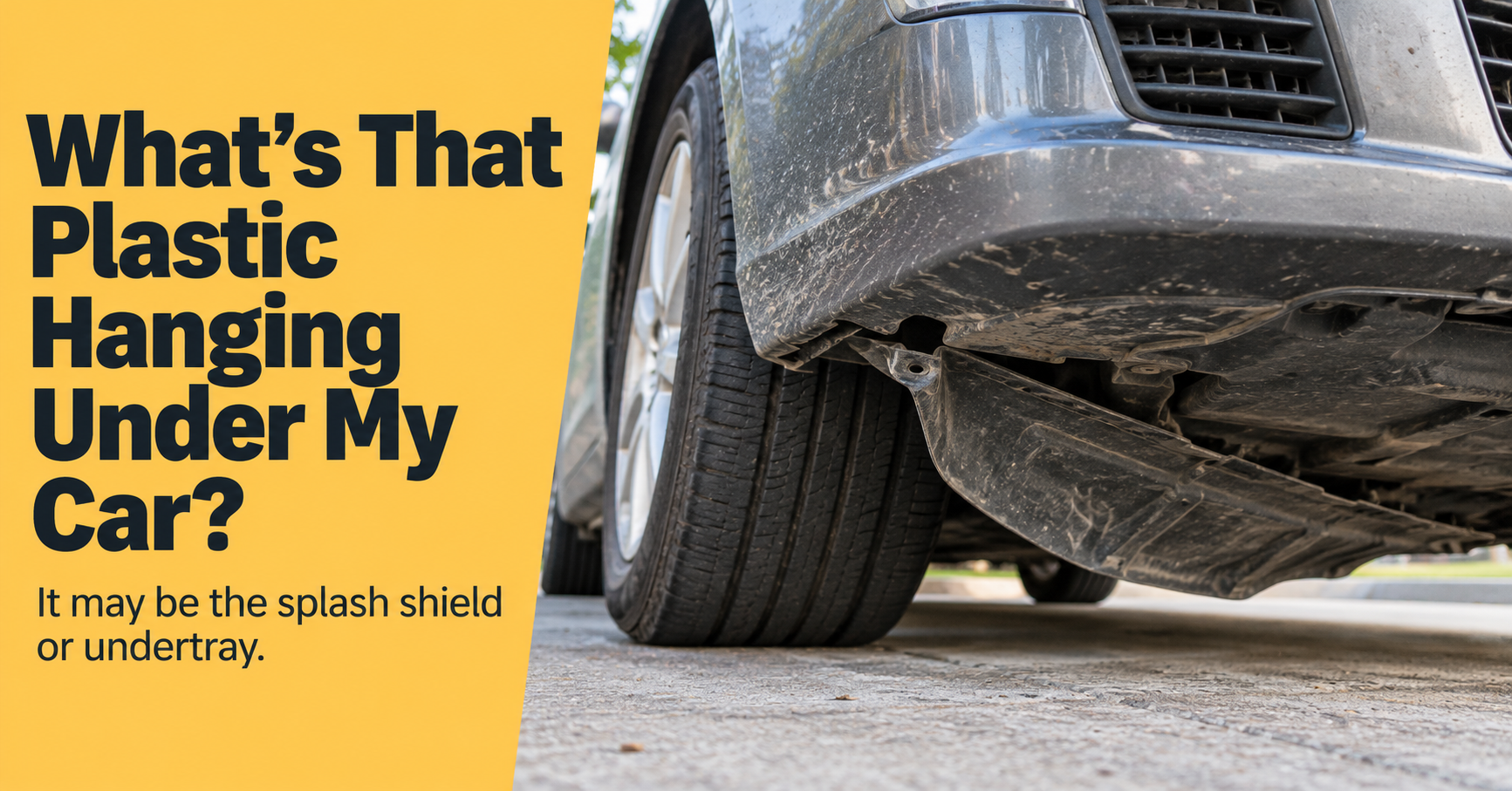
You might hear it when you pull out of a parking lot. It might flap when you pick up speed. Then you get out, look beneath the front of the car, and see a piece of plastic hanging down.
We’ve dealt with that on our 2011 Hyundai Sonata. The plastic panel beneath the engine came loose, and it was one more thing to sort out on a car that has now passed 300,000 miles.
I wouldn’t assume every piece of plastic under a car is the same part. I also wouldn’t keep driving with something dragging just because it looks thin and flimsy. First, I’d figure out what’s hanging, whether it’s touching the road or a tire, and what else may have come loose with it.
If It’s Dragging Right Now, Find a Safe Place to Stop
The sound might be harmless to the engine, but a loose panel can fold back, catch on something, or separate from the car. It can also become a hazard for the driver behind you.
Ease off the speed and pull into a safe parking area. Avoid stopping in a traffic lane or stepping out beside fast-moving traffic to look underneath.
Once the car is parked and off, take a look from the outside. Is the panel barely hanging down, or is a large section dragging? Is it close to a tire? Does it seem to be attached at the front, the back, or only one corner?
Don’t reach beneath a running car, and don’t crawl under a car that’s supported only by a jack. If you can’t see enough from a safe position, have a shop or roadside service inspect it.
NHTSA warns that items falling from vehicles can become road hazards. That’s why I’d deal with a panel that might break free before getting back on the highway.


What Is the Plastic Piece Under the Engine?
If it’s a broad, fairly flat panel beneath the front of the car, it may be an engine splash shield. You might also hear a shop call it an under-engine cover, undertray, or belly pan.
Its job varies by vehicle. It can help keep water, salt, and road debris away from components underneath. Some covers also contribute to airflow beneath the car.
That means I wouldn’t describe it as a useless bit of plastic just because the engine will start without it. AAA notes that an under-engine pan can help protect components from dirt, salt, and water.
It may be something else, though.
A smaller piece near a wheel could be part of the inner fender liner. A panel farther back could be an underbody cover. A thin metal piece that rattles near the exhaust could be a heat shield, which calls for a different inspection.
If you aren’t sure what you’re looking at, take a photo from the side of the parked car. A picture can help the shop identify the piece before you try to describe “the plastic thing underneath.”

Why Would It Suddenly Start Hanging Down?
Sometimes the panel itself breaks. Other times, the fasteners that held it in place are missing or damaged.
Plastic clips get brittle with age. A screw can back out. A mounting hole can tear so a new clip has nothing solid to grip.
The panel may also have caught on a parking curb, a steep driveway, deep snow, or road debris. An oil change or other work underneath the car can involve removing and reinstalling a cover, so recent service is worth mentioning if the noise started soon afterward.
I can’t tell you which of those happened to our Sonata. We know the panel under the engine was hanging. Its age and mileage alone don’t prove why it came loose.
What matters for the fix is whether the panel and its mounting points are still sound. Replacing a missing fastener is one job. Trying to attach a panel with several torn corners is another.
Can I Drive With a Splash Shield Hanging Down?
I wouldn’t give every hanging panel the same answer.
A small edge that has been properly secured is different from a panel scraping the road, rubbing a tire, or hanging by one remaining clip. If you can hear it dragging or flapping, get it inspected and secured before ordinary driving.
Don’t assume slowing down will solve it. Airflow can pull at a loose cover, and a bump can change where it sits.
I’d be especially cautious if the sound changed suddenly, the steering feels unusual, there’s a fluid leak, or you can see that something besides the cover was damaged. Those signs call for more than replacing a plastic clip.
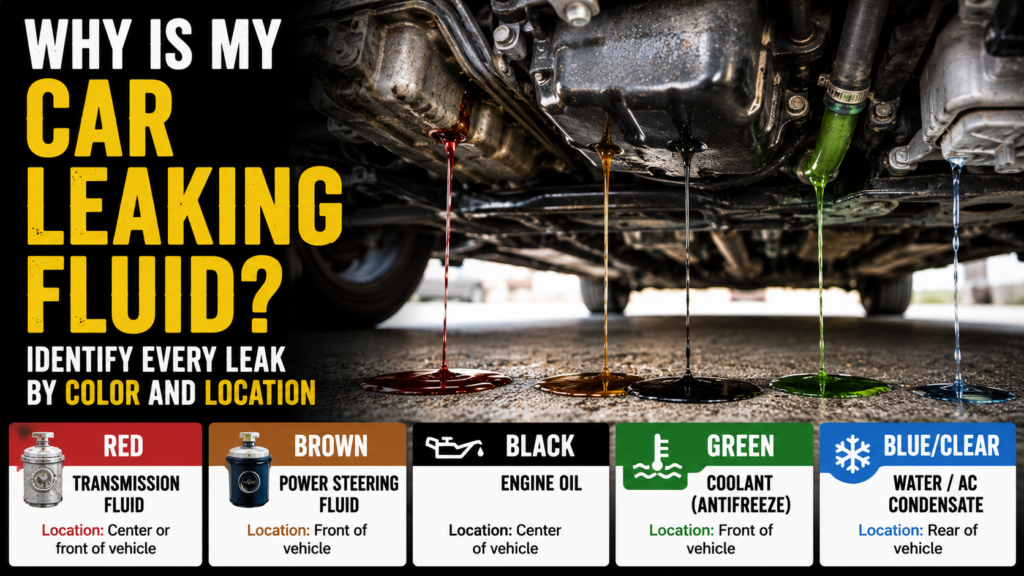
If you’ve also found a puddle beneath the car, our guide to identifying a fluid leak can help you describe what you’re seeing. The panel and the leak may be unrelated, so have both checked.

Should I Push It Back Up and Keep Going?
Pushing a loose panel back into place may make the scraping stop for a moment. It doesn’t tell you whether it will stay there.
Look at what was supposed to hold it. Is a fastener missing? Is the plastic cracked around the hole? Is another edge still hanging where you can’t see it well?
I wouldn’t trust a repair I couldn’t inspect afterward, particularly before a highway trip. And I wouldn’t attach anything where it could contact a hot exhaust part, a belt, a fan, or a tire.
A shop may be able to refasten an intact panel with the correct clips or screws. If the mounting points are damaged, they may recommend repairing those points or replacing the cover.
The important part is that the person doing the work checks why it came loose, not just whether the noise stopped.
Is It Okay to Remove the Panel?
That depends on which panel it is and what it protects on your car.
With our Sonata, the hanging plastic beneath the engine reached the point where it needed to come off. I understand the temptation to leave it off, especially on a 300,000-mile car where every expense deserves a second look.
But I’d ask a mechanic what I’m giving up before deciding not to replace it. Is it shielding wiring, belts, lines, or another component from water and road debris? Are nearby pieces still secure? Will anything else hang down without it?
I’d also ask them to check for damage from whatever loosened the panel. Removing the dangling piece addresses the immediate scraping. It doesn’t answer whether a mount broke or another part was hit.
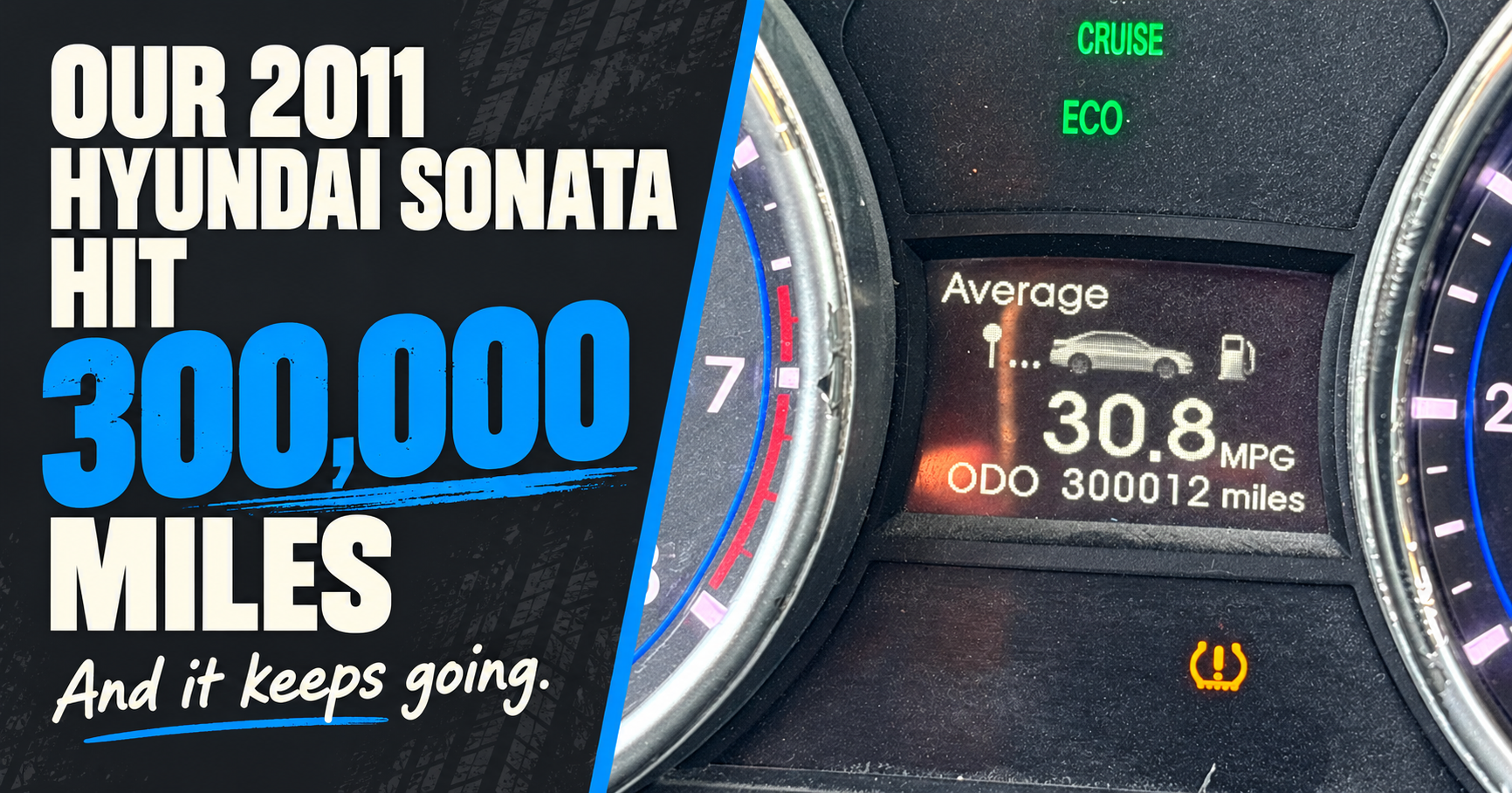
You can read more about what owning our 300,000-mile Sonata has actually been like. This panel was one of several smaller problems we’ve faced while continuing to use the car.

Splash Shield, Fender Liner, or Heat Shield?
The location gives you a useful clue, although it isn’t a diagnosis.
A broad plastic panel under the front of the car
This may be the engine splash shield or under-engine cover. It can scrape on dips or flap as air moves beneath the car.
A shop can check the whole panel, its attachment points, and anything normally covered by it.
Plastic hanging beside a wheel
This may be an inner fender liner. It helps separate the wheel well from parts of the engine bay and body.
If it’s rubbing the tire, don’t keep driving and hope it wears itself clear. Have it secured and check the tire for damage.
Metal rattling near the exhaust
This could be a heat shield rather than a plastic underbody panel.
Because it sits near hot exhaust components, I wouldn’t remove it on a guess. Have the loose piece identified and find out why it was installed there.
A small flap under the bumper
Some cars have air deflectors or lower trim pieces near the front bumper. They can look like part of the splash shield from a distance.
Again, a picture and the vehicle’s exact model help. The right repair depends on the part that’s actually loose.
What Should I Ask the Shop to Check?
I’d start with: “Can you show me what came loose and what holds it on?”
That’s a reasonable question, even if you know nothing about cars. Seeing a missing clip or a torn mounting hole makes the estimate easier to understand.
Then I’d ask whether the cover itself can be reused, whether its mounting points are intact, and whether the shop sees any damage behind it.
If replacement is recommended, ask whether the quote includes all necessary fasteners and installation. A new panel won’t help much if the broken mounting point that caused the problem remains broken.
You can also ask how urgent replacement is after the loose piece is secured or removed. That answer should be based on your car’s design and condition, not a blanket claim that every splash shield is essential or every one is disposable.


How Much Does It Cost to Fix?
There’s no price I’d promise without knowing the vehicle and what failed.
An intact cover that only needs the right fasteners is a different job from a torn cover or broken mounting brackets. The price of a replacement panel can vary, and labor depends on access and what else needs repair.
Get an estimate that says which part needs work. If the shop recommends replacing several panels, ask them to point out the damage on each one.
The FTC advises getting a written estimate that describes the condition, parts, and expected labor before authorizing repairs.
On an older car, I’d still put safety first. Then I’d weigh the benefit of replacing an underbody cover against its cost and the condition of the rest of the car. That’s the same approach we use when thinking through whether a 300,000-mile car is worth fixing.
What if the Scraping Stops by Itself?
I’d still look.
A panel can stop scraping because it folded back into place. It can also stop because it fell off.
When you’re safely parked, check whether the piece is still attached and whether another section is loose. If you think it came off while driving, let a shop check for exposed or damaged parts underneath.
A quiet car isn’t proof that the problem fixed itself. With anything hanging beneath a vehicle, I’d rather spend a few minutes finding out where the piece went than learn about it when the next panel starts dragging.
About the author: Daxon Weaver owns the 2011 Hyundai Sonata featured on Why Is My Car. He bought it used at roughly 150,000 miles and has kept it on the road past 300,000 miles.


