My car won’t start. I get a jump, it fires right up, and for a minute I think the problem is solved.
Then I shut it off and wonder whether it’ll start again.
That’s when people usually ask, “Is it the battery or the alternator?” It’s a fair question, but a jump-start alone won’t answer it. A weak battery, an alternator that isn’t charging, a bad connection, or something draining the battery while the car is parked can all lead to the same dead-car moment.
I’d pay attention to when the problem happens, then test the battery and charging system before buying either part. Otherwise, I could put in a new battery only to find it dead again next week.
The quickest way I think about the two parts
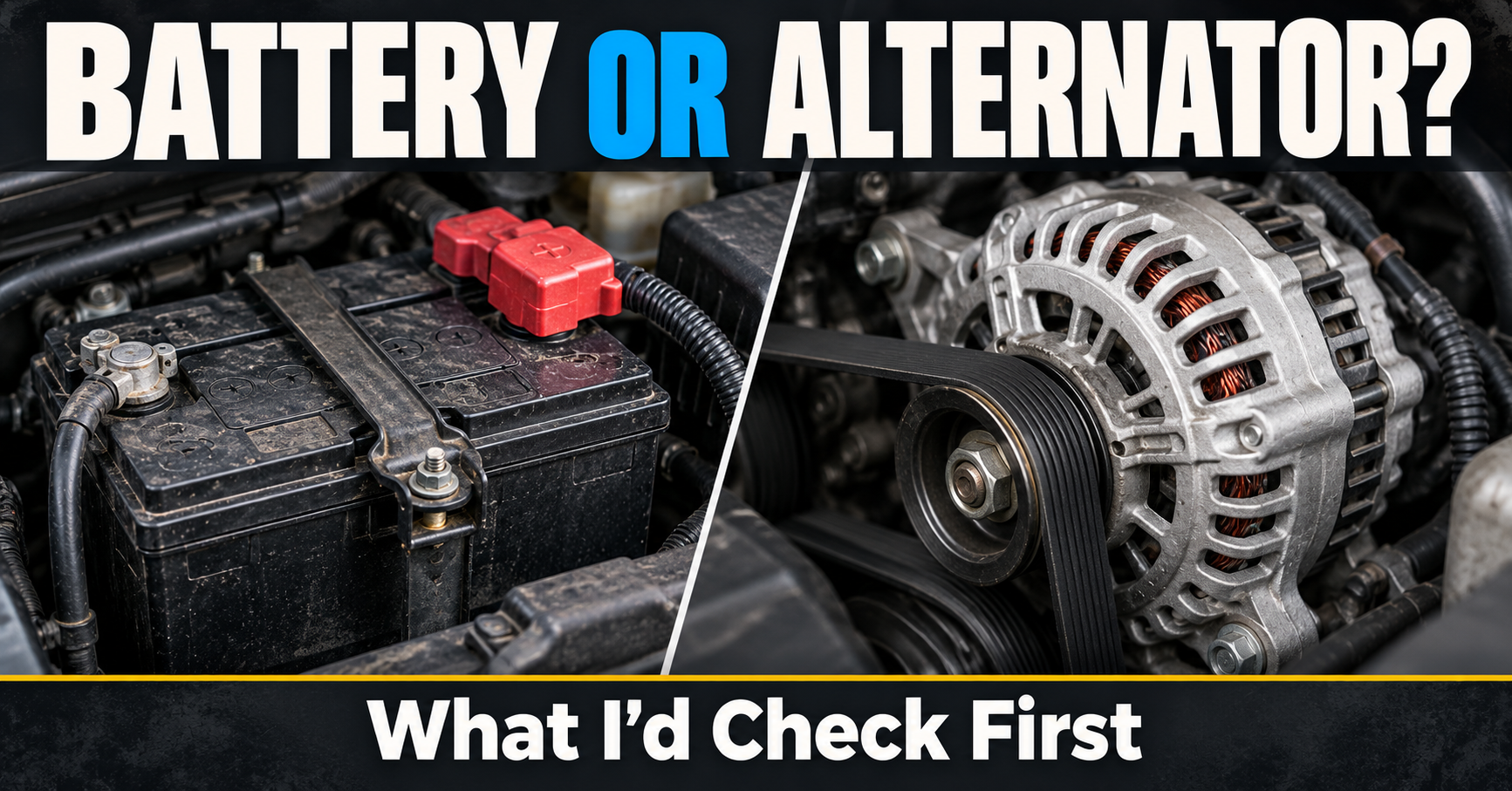
The battery gets the engine started. Starting takes a large burst of electricity, which is why a car with weak battery power may crank slowly, click repeatedly, or do nothing when I turn the key.
The alternator produces electricity while the engine runs. It powers the car’s electrical systems and replenishes the battery after starting.
The tricky part is that they affect each other. A bad alternator can leave an otherwise good battery discharged. A weak battery can cause starting trouble even when the alternator is working properly.
So when somebody says, “The battery is dead,” I hear a description of its current condition. I still want to know why it’s dead.



First, what does the car do when I try to start it?
I’d notice the exact sound and behavior before reaching for jumper cables.
It cranks slowly and finally starts
That sounds like the starter is having to work with limited power. The battery may be low on charge, worn out, or struggling through a poor connection.
If the slow start happens first thing in the morning but the car runs normally all day, I’d have the battery tested. I’d also ask whether it’s being charged properly during those daytime drives.
Cold weather can make this more noticeable. A battery that barely started the car on a warm afternoon may struggle on a freezing morning. The cold can expose a battery that was already weak; it doesn’t tell me why the battery is weak.
It clicks rapidly instead of cranking
A string of quick clicks often goes along with insufficient power reaching the starter. I’d look at the battery’s charge and its cable connections.
Corrosion and a loose terminal deserve a look. The lights may still turn on even when a connection can’t carry enough current to crank the engine. Headlights working does not prove the battery and its connections are fine.
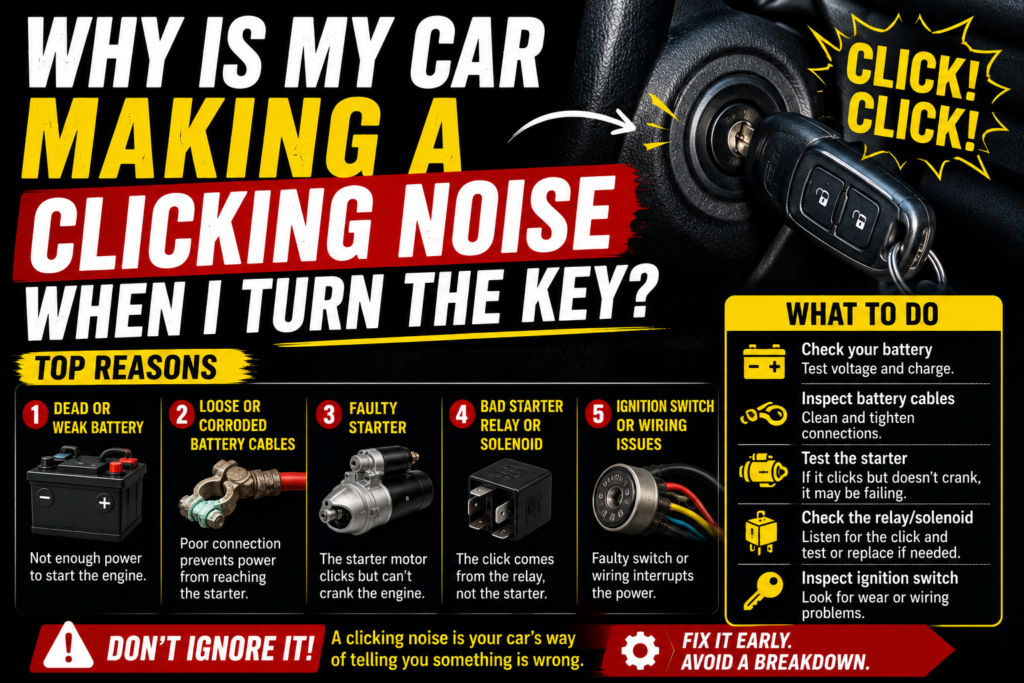
A single solid click is a different clue from rapid clicking. I explain that distinction more fully in what the different clicking sounds mean when a car won’t start.
The engine turns over normally but never starts
That’s when I’d back away from the battery-versus-alternator assumption. If the starter is spinning the engine at its normal speed, it has enough power to do that job at the moment.
The problem could be elsewhere, such as fuel delivery, ignition, or an engine-control issue. I wouldn’t replace a battery because the car wouldn’t start if it was already cranking normally.
It’s completely silent
A totally silent start attempt needs a closer look. I’d check whether the dash lights come on, whether the battery terminals are tight, and whether the car is properly in Park or Neutral.
A dead battery is possible, but so are problems with the starter circuit or other electrical connections. Silence by itself doesn’t identify the alternator.
What a jump-start proves and what it doesn’t
If my car starts with a jump, I know that adding outside power helped it start. That’s useful information.
It does not prove that the battery is bad. The battery could be healthy but discharged because the alternator wasn’t charging it. It could also have been drained while the car was parked.
And if the jump doesn’t work, I wouldn’t immediately rule the battery out. Poor jumper-cable contact, badly corroded battery terminals, or an inadequate jump pack can make a jump attempt fail.
I’d follow the vehicle’s jump-start instructions and pay attention to what happens after it starts. That next part provides better clues than the jump alone.
It starts with a jump, then dies while I’m driving
Now I’d be concerned about the charging system.
If the alternator isn’t supplying enough electricity, the car may run on whatever charge remains in the battery. Once that runs down, electrical systems can begin acting strangely and the engine may stall.
I’d look for a charging-system warning light, dimming lights, gauges behaving oddly, or a loss of electrical power. I wouldn’t keep driving to see how far the remaining charge takes me. I’d get somewhere safe and have the battery and charging system tested.
AAA describes starting with a jump and then stalling shortly afterward as a clue that the alternator may not be keeping the vehicle powered. It’s a clue, not permission to order an alternator without testing the belt, wiring, and connections too. You can read AAA’s explanation of how battery and alternator symptoms overlap.
It starts with a jump, runs fine, then won’t restart
That pattern makes me ask a few more questions.
How long did I drive it? A five-minute trip after a jump may not put enough charge back into a deeply discharged battery. I wouldn’t judge the battery or alternator by such a short run.
Was the battery properly charged and tested? A battery can run the car while the engine is on, yet fail to hold enough energy for the next start.
Was the alternator charging during the drive? If it wasn’t, the car might have continued running on battery power for a while before I shut it off.
I’d want a battery-health test and a charging-system test. If the battery is deeply discharged, it may need to be charged properly before the battery test gives me a useful answer. A quick jump and a short drive aren’t the same as fully charging it.
The battery keeps dying, but the alternator tests good
This is where a lot of people buy a second battery and end up with the same problem.
If the battery itself passes testing and the alternator charges properly, I’d ask what happens when the car is turned off. Something may be staying on and drawing power while it sits.

It could be as simple as an accessory left plugged into an always-powered outlet. My 2015 GMC Sierra’s front cigarette-lighter socket, for example, stays powered after I shut the truck off. That doesn’t mean the empty socket drains the battery, but an accessory left running in it can use battery power.
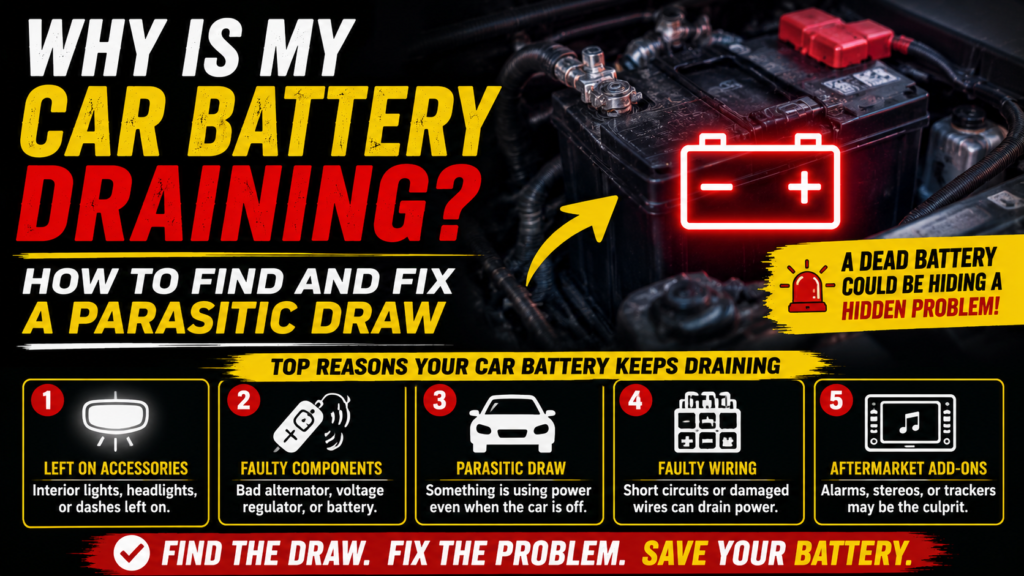
It could also be a light that stays on, aftermarket equipment, or an electrical component that fails to go to sleep. I go through that separate diagnosis in how I’d track down a car battery that keeps draining.
The important distinction is this: a car that loses power while driving and a car that loses power while parked may have different problems. I’d tell the shop which one is happening.

What symptoms point more toward a weak battery?
I’d suspect the battery more strongly if starting gets slower over time, particularly after the car has been parked, while everything appears normal once it’s running.
I’d also check its age. An older battery deserves testing, but I wouldn’t replace it based on the date sticker alone. A fairly new battery can fail, and an older one can test well.
Repeatedly needing a jump after the car sits is another reason to test the battery. It still doesn’t eliminate a parked-car drain, which is why I’d ask how the battery tested after it was fully charged.
A swollen, leaking, or damaged battery is a different matter. I wouldn’t try to jump or handle one that looks unsafe. I’d have it dealt with professionally.
I’ve written more about how battery age and starting symptoms fit together, but I’d still rely on a test before buying one.
What symptoms point more toward an alternator or charging problem?
Problems that appear with the engine running get my attention.
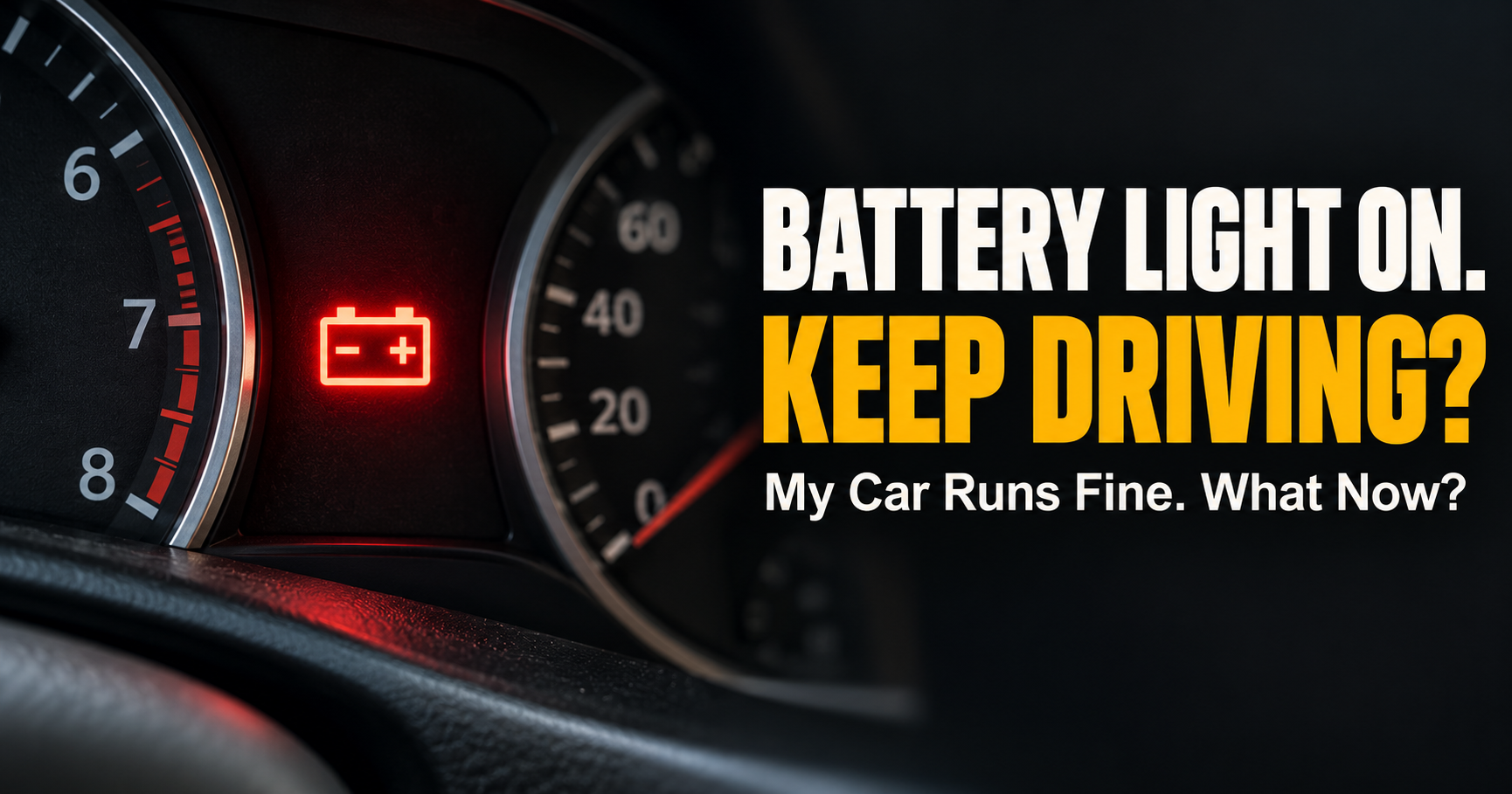
A charging-system warning light, lights that dim while driving, electrical features cutting out, or an engine that stalls after the battery has been jumped would make me want the charging system checked promptly.
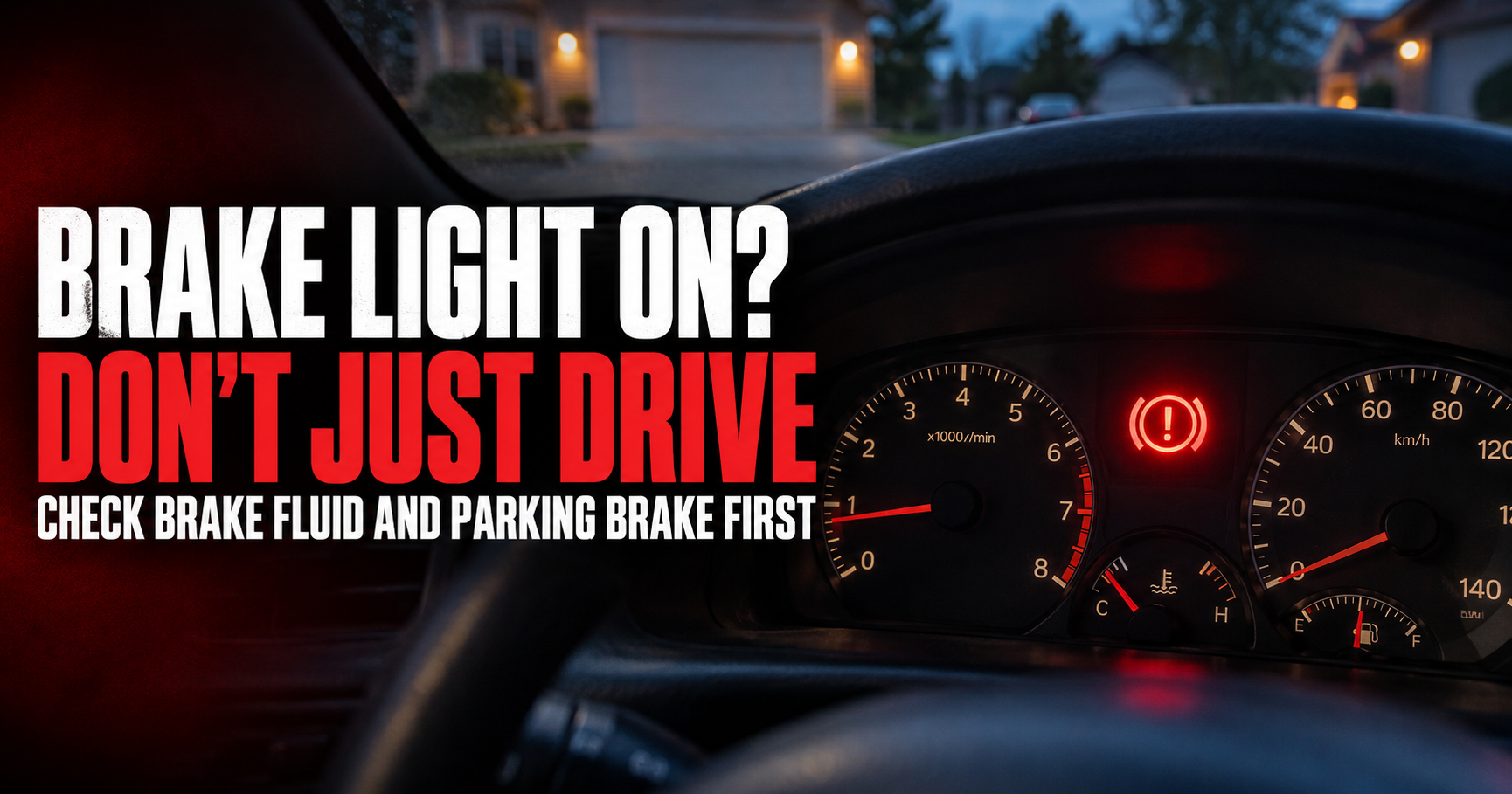
The battery-shaped warning light on the dashboard can be misleading. It doesn’t necessarily mean “buy a battery.” It can mean the car detected a charging-system problem.
I’d also want the belt that drives the alternator inspected. A charging problem isn’t always a failed alternator. The belt, electrical connections, ground connections, or charging-system controls can matter.
The Federal Trade Commission even points out that loose wiring can make an alternator appear defective. That’s a good reminder to ask what failed the test, rather than accepting “it must be the alternator” from symptoms alone.

Could both the battery and alternator be bad?
Yes.
If the alternator hasn’t charged the battery properly for a while, that battery may now be deeply discharged or damaged. A worn-out battery can also put extra strain on the charging system.
That doesn’t mean I’d automatically replace both. I’d want to know what each test showed, whether the battery was fully charged before testing, and whether the charging system works after the battery issue is addressed.
If a shop recommends both parts, I’d ask them to explain the separate evidence for each one. “They’re both old” isn’t as useful as actual test results.
Can a multimeter tell me which one is bad?
It can help, but I wouldn’t treat one voltage reading as a final diagnosis.
With the engine off, I can measure voltage across the battery terminals. That tells me something about its state of charge. It does not tell me by itself how well the battery will deliver power under the heavy load of starting.
With the engine running, I can measure again. Charging-system voltage is commonly higher than resting battery voltage. If it isn’t rising as expected, I’d investigate the charging system.
But there’s a catch: modern vehicles may control charging differently depending on battery condition, electrical demand, and driving conditions. One reading at idle isn’t enough for me to condemn an alternator. A professional charging-system test can check performance under appropriate conditions.
I’d keep hands, clothing, meter leads, and cables clear of belts and fans while the engine is running. If I wasn’t comfortable doing that, I’d skip the driveway test and let a shop handle it.



Why a battery can show good voltage but still fail to start the car
This one catches people because the number on a meter looks convincing.
A resting voltage reading measures electrical potential without asking the battery to do the hard part. Starting an engine asks it to deliver a large amount of current all at once.
A battery can look reasonably charged on a meter and still fail a test that puts it under load. Dirty or loose connections can create another problem: the battery may be capable of supplying power, but that power isn’t getting where it needs to go.
That’s why I’d ask for a battery-health test, not merely, “What voltage did it show?” Interstate Batteries explains the difference between a basic meter reading and a more complete battery test.
Why I’d check the cables before replacing parts
The battery and alternator depend on connections between them and the rest of the car.
If a battery terminal is loose, I might get an occasional no-start even though the battery tests fine. Corrosion can interfere with the starter’s demand for power. A damaged cable or ground connection can cause trouble that looks like a bad component.
I’d start with what I can see safely: Are the clamps seated firmly? Is there heavy white or bluish corrosion? Does a cable look damaged?
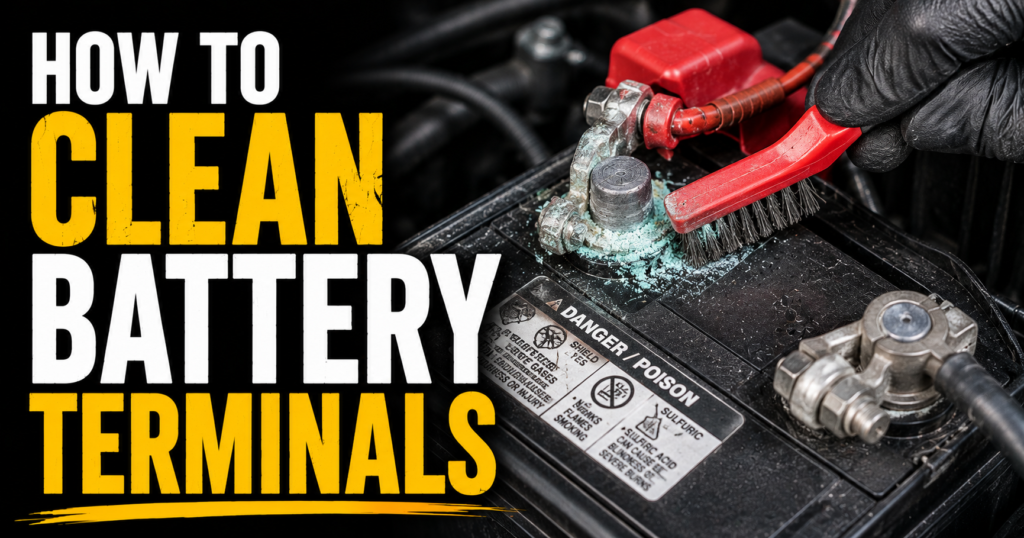
I wouldn’t disconnect or tighten things at random while the engine runs. If the connections need cleaning or repair, I’d follow the correct procedure for the car or have a mechanic do it. My battery-terminal cleaning guide covers that job in more detail.
What if the battery light comes on while I’m driving?
I wouldn’t wait for the car to stop before taking it seriously.
The car might still feel completely normal because it has enough battery charge to keep running for now. If the charging system isn’t working, that reserve can run down.
I’d turn off unnecessary electrical loads if it’s safe to do so, find a safe place to stop, and arrange a diagnosis. If the engine stalls or the electrical systems start failing, I wouldn’t count on another jump to get me reliably home.
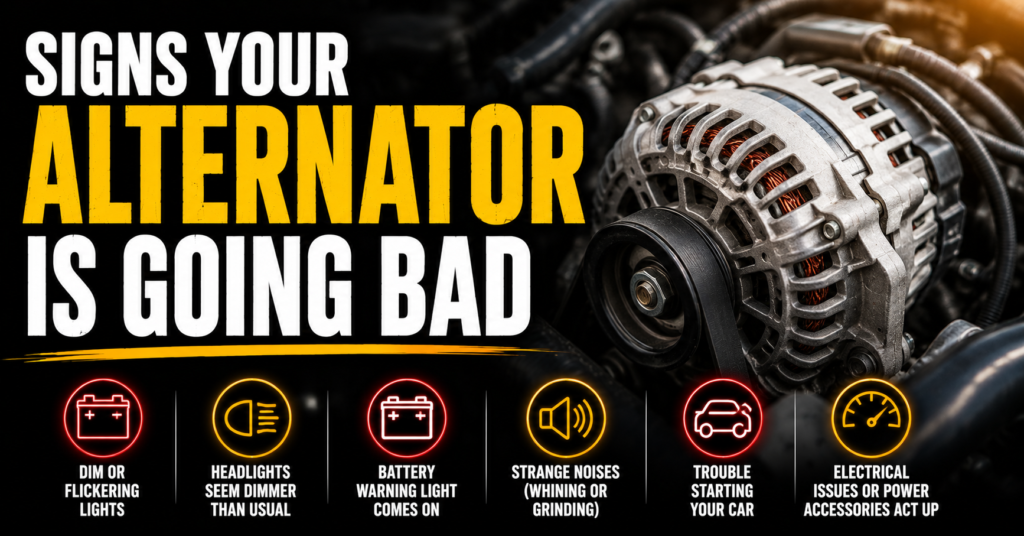
There’s a separate article on the signs an alternator may be going bad if the trouble began on the road rather than at the next start.
What if the car starts fine all week but dies after sitting?
That pattern makes me think about both battery condition and time parked.
A weak battery may hold just enough charge for daily starts but fail after several days without driving. An electrical draw while parked can produce a similar pattern, even with a battery that was good when the car was shut off.
I’d want the battery fully charged and tested first. Then I’d verify that the alternator charges it. If both pass and it still goes dead while parked, I’d ask for a parasitic-draw diagnosis.
I would also tell the technician whether the car sat for one night, three days, or two weeks. “It dies after sitting” is helpful; the actual amount of time is better.
What I’d ask for at a parts store or repair shop
I wouldn’t walk in and say, “I need an alternator,” unless I already had a reliable diagnosis.
I’d say what happened:
“My car cranked slowly, started with a jump, ran for half an hour, and wouldn’t restart.”
Or:
“The battery goes dead after the car sits for two days, but it starts and drives normally the rest of the time.”
Then I’d ask for a battery test and a charging-system test, including a look at the terminals and connections. If those results are good but the parked-car problem continues, I’d ask about testing for a draw while the car is off.
I’d also ask whether the battery was charged enough to test accurately. A discharged battery may need charging and retesting before someone can tell me whether it’s worn out.
The result I’d want before spending money
If someone says the battery is bad, I’d ask: Did it fail a battery-health or load test after it was charged?
If someone says the alternator is bad, I’d ask: What did the charging-system test show, and were the belt and connections checked?
If both supposedly test fine, I’d ask: What would explain the exact timing of the failure?
Those questions aren’t about arguing with a mechanic. I just want to buy the part that fixes the car. A new battery won’t solve an alternator that doesn’t charge, and a new alternator won’t fix an accessory draining the battery every night.

About the author: Daxon Weaver writes about maintaining his own vehicles and the questions he asks before paying for a repair. He owns a 2015 GMC Sierra 4×4 and drove his 2011 Hyundai Sonata past 300,000 miles.