
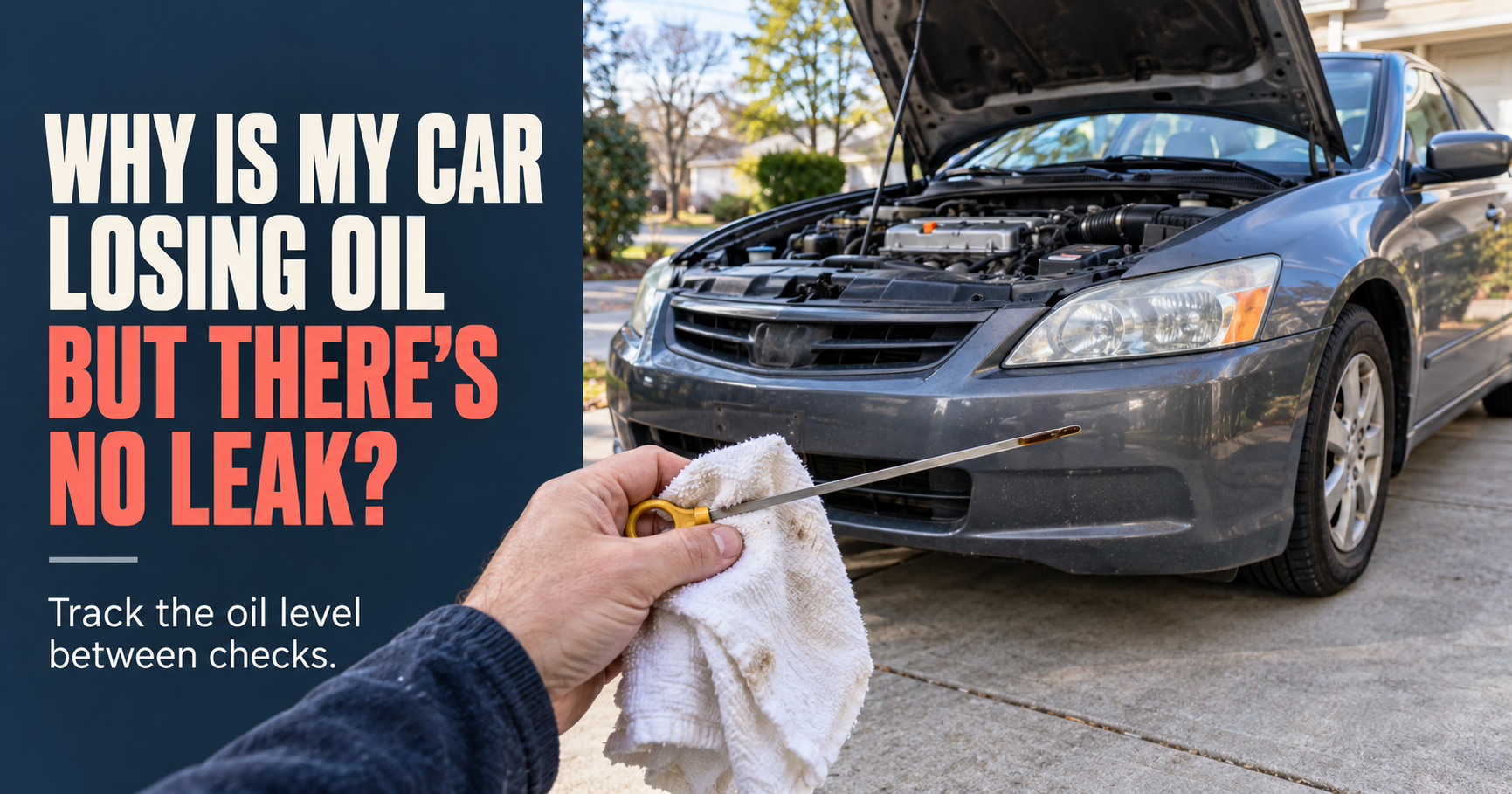
You check the dipstick and the oil is low again.
But the driveway is clean. There’s no puddle at work, either. So where is it going?
The frustrating answer is that oil can leave an engine without making an obvious spot on the ground. The engine might be burning it. It might be leaking only while you drive. Or a small leak might be landing on another part of the car instead of dripping onto the pavement.
Before buying an additive or assuming the engine is worn out, I’d want to know how much oil is disappearing and over how many miles. That one detail makes the rest of the search much more useful.
First, Make Sure You’re Checking It the Same Way Each Time
An oil reading can look different depending on where the car is parked and when you check it.
Use a level spot and follow the instructions in your owner’s manual. Give the oil time to drain back into the pan if the engine has been running. Pull the dipstick, wipe it, reinsert it fully, then pull it again to read the level.
If the dipstick has two marks, you want the oil within that range. Don’t assume every dipstick represents the same amount of oil between its marks.
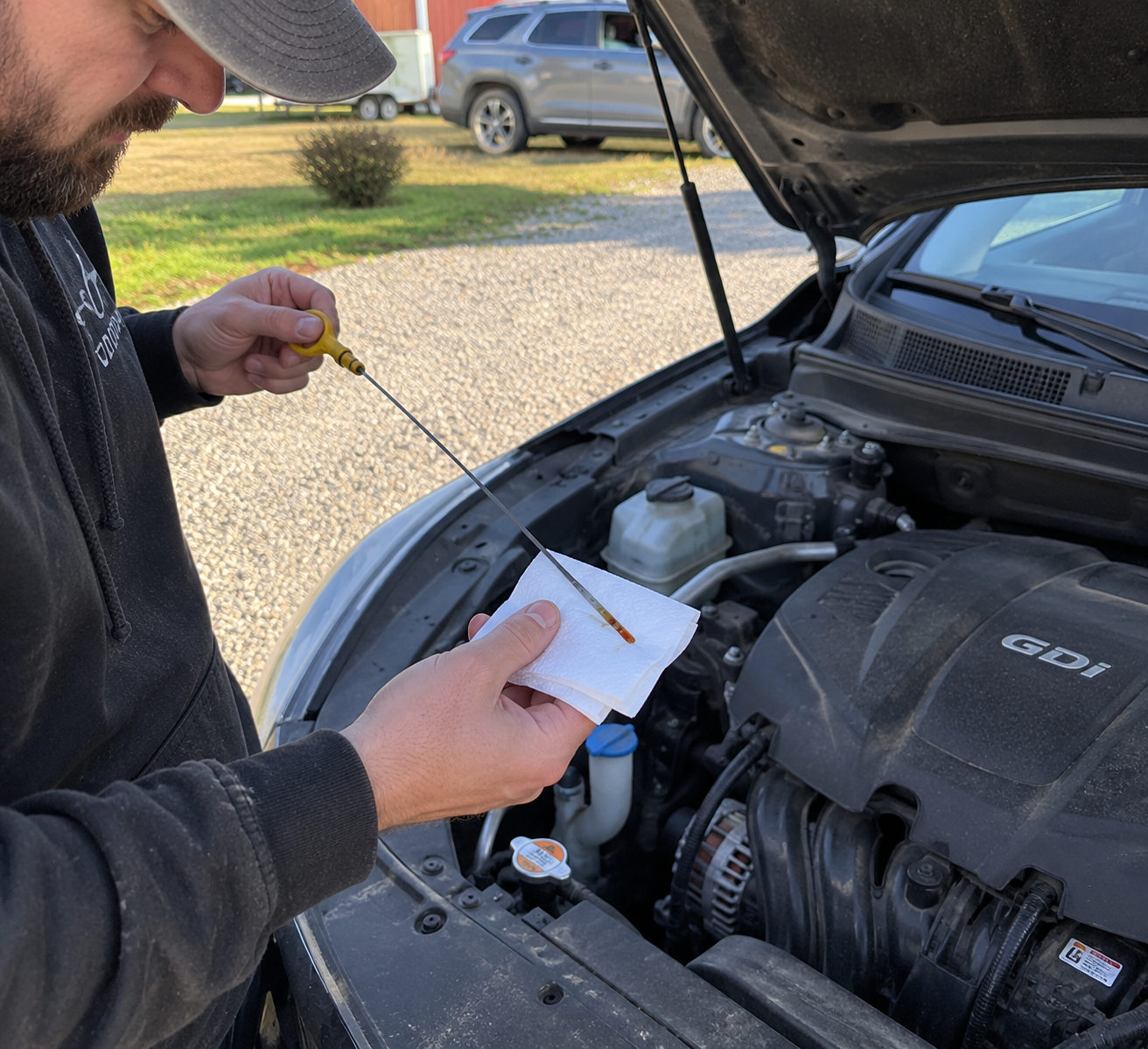
Write down the mileage and where the oil sits on the dipstick. If you add oil, record how much you added.
Then check again under similar conditions after you’ve driven a known number of miles.
That tells you far more than discovering it’s low every few weeks and trying to remember when you last looked.
Hyundai advises checking engine oil periodically between changes, even when no warning light is on. The same habit is useful in any car with a dipstick, especially one that has started losing oil.

No Puddle Doesn’t Rule Out a Leak
This is the part that trips people up. A clean driveway makes it seem like the oil must be burning inside the engine.
Maybe. But I wouldn’t jump there yet.
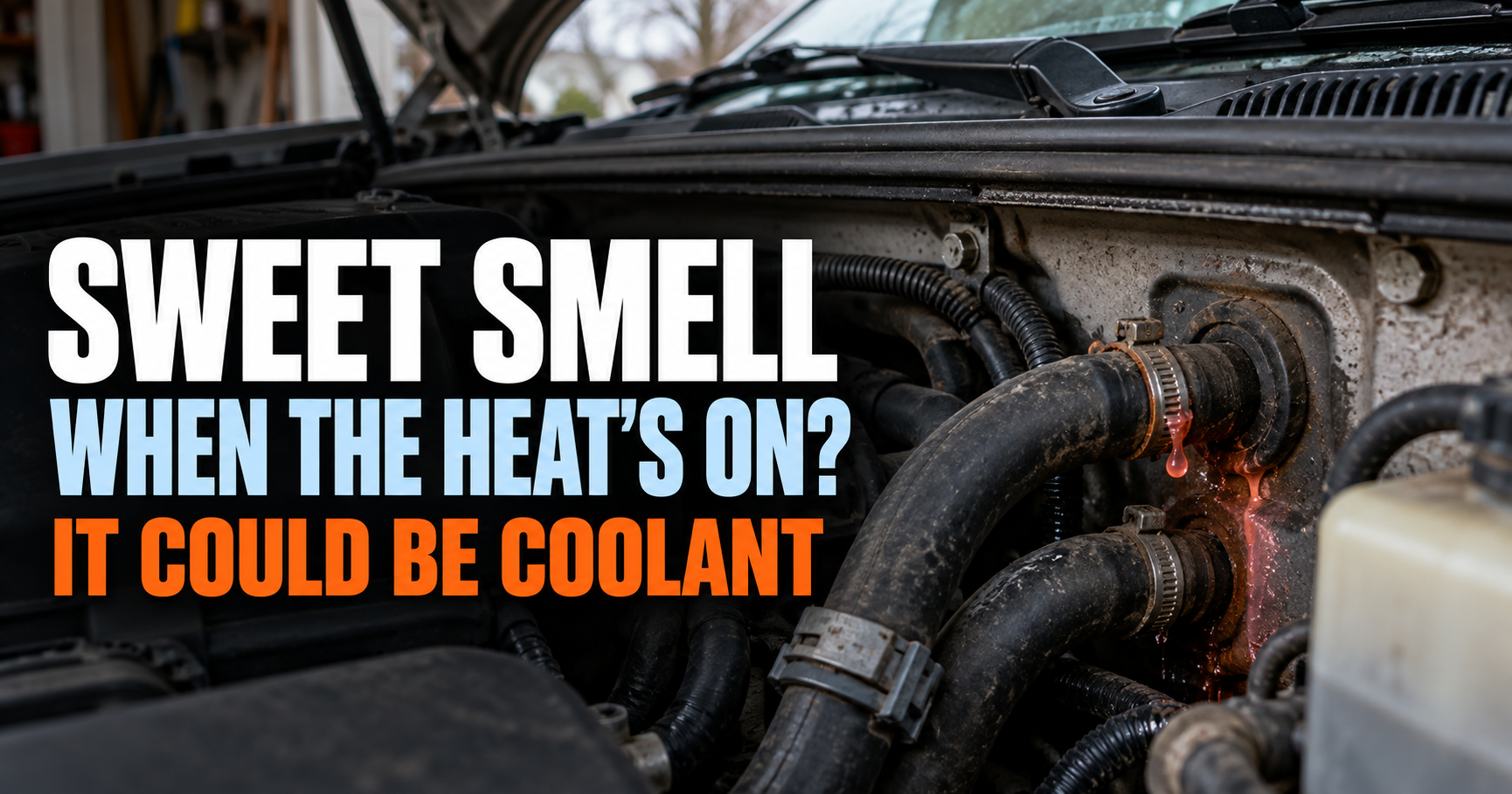
A slow leak can run down the engine and collect on a splash shield. Oil can spread across the underside while the car is moving. A leak near a hot exhaust part can burn off and leave a smell instead of a puddle.
Look for damp, dark buildup around the engine and underneath it. If you can see an oily spot without reaching near moving or hot parts, take a picture for the mechanic. Don’t crawl under a car supported only by a jack.
Think back to the last oil change, too. An oil filter, drain plug, or filler cap problem is worth ruling out if the oil loss began soon afterward. AAA lists these among possible places for an external leak.
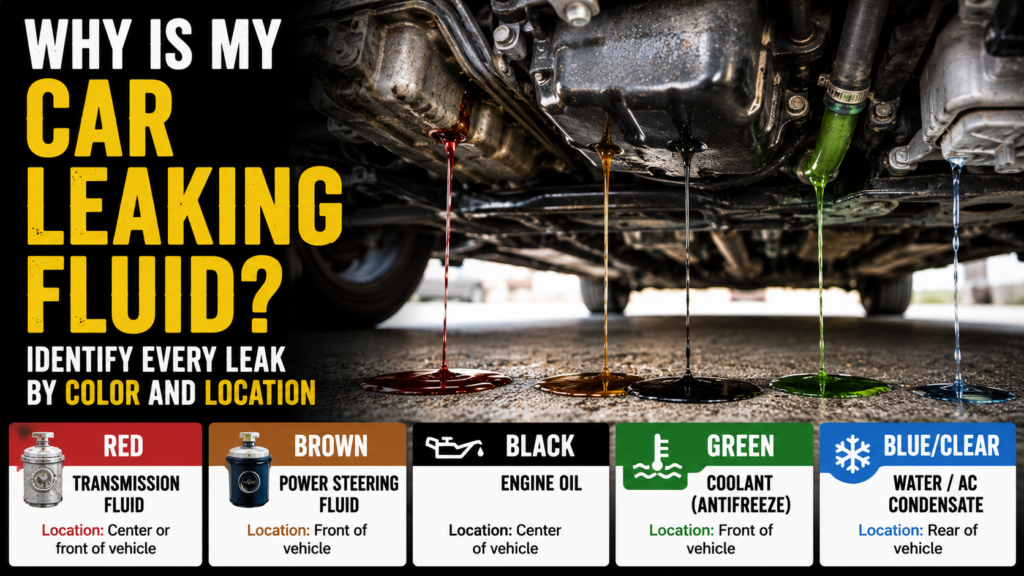
If you’ve noticed fluid on the ground but aren’t sure it’s engine oil, our guide to identifying car leaks by color and location can help you narrow down what you’re seeing.

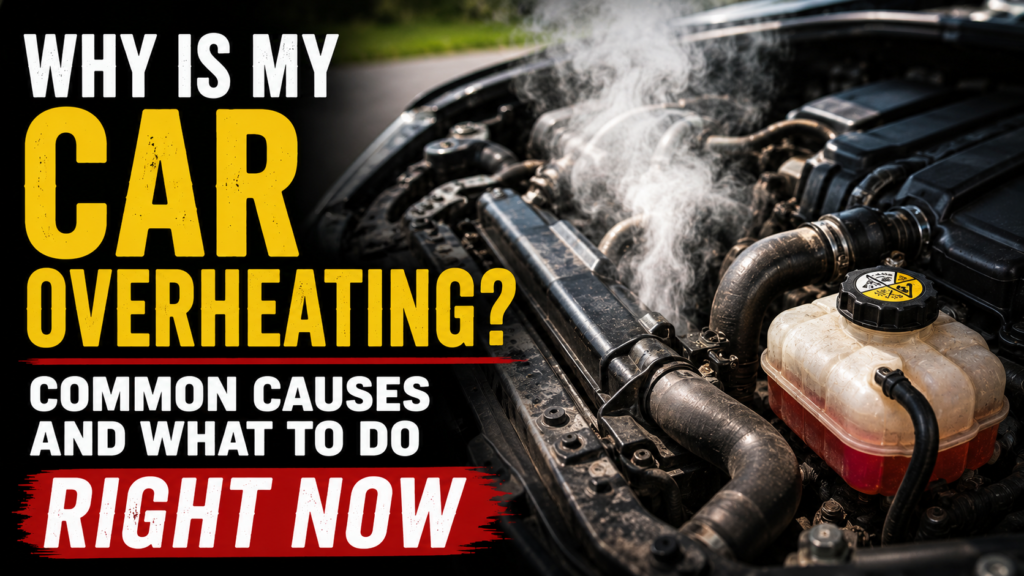
Watch for a Burning Oil Smell
A burning oil smell often points you toward the outside of the engine rather than straight to worn parts inside it.
Oil may be reaching a hot surface. You might notice the smell after parking, while sitting at a stoplight, or when the heater pulls outside air into the cabin.
Don’t use the smell alone as a diagnosis. A mechanic needs to find the source. Tell the shop when it happens and whether you’ve seen smoke from under the hood.
If smoke is heavy or the smell suddenly becomes strong, pull over safely, turn the engine off, and have the car checked. You don’t need to wait for a warning light before taking visible smoke seriously.
What If There’s Blue Smoke From the Tailpipe?
Blue or bluish-gray exhaust can be a clue that oil is entering the combustion process.
The timing can help a mechanic, although it won’t give you a certain diagnosis from the driver’s seat. Does smoke appear at startup? After idling? When accelerating? Ask someone to observe from a safe place while you drive normally, or tell the shop what you’ve noticed.
Possible causes include a problem with the crankcase ventilation system, valve seals, or piston rings. Those repairs differ enormously in cost, which is why guessing at a part from the color of the smoke isn’t a great plan. AAA identifies oil level loss and bluish exhaust as signs worth investigating and notes several possible internal causes.
You also might not see smoke at all.
That doesn’t prove the engine isn’t using oil. The amount may be small, the conditions may be hard to catch, or you may never see the exhaust from the driver’s seat.
Could It Be the PCV System?
The PCV system manages gases that get past the pistons and build pressure in the crankcase. If part of that system isn’t working properly, it can contribute to oil consumption or leaks.
That’s worth asking about because it’s a very different diagnosis from “the engine is worn out.”
But I wouldn’t buy a PCV valve and call the problem solved without checking the vehicle’s setup. On some cars it’s straightforward to inspect or replace. On others, the system is more involved. A mechanic can check the hoses, valve, and related parts as appropriate for your engine.
The useful question at the shop is simple: “Have we ruled out the PCV system and external leaks before assuming internal engine wear?”
Could Worn Piston Rings Be the Cause?
Yes, especially on an engine with a lot of miles. Piston rings help seal the space between the pistons and cylinder walls. If that seal isn’t doing its job, oil can make its way into the combustion chambers.
But mileage alone doesn’t prove worn rings.
Our family’s 2011 Hyundai Sonata recently crossed 300,000 miles. That number might make anyone suspicious of engine wear, yet I wouldn’t tell another owner they need an engine repair based solely on their odometer. They need a diagnosis tied to what their car is actually doing.
A shop might suggest tests to investigate the engine’s condition after checking for simpler causes. Ask what each test can tell you, what it costs, and how the result would change the repair decision.

What About Valve Seals?
Valve seals are another possible route for oil to enter the engine’s combustion chambers.
You may read online that smoke at a certain moment always means valve seals or that smoke under acceleration alwaysmeans piston rings. Real cars don’t make those rules so tidy.
Tell the mechanic when you see smoke, but let them use that clue alongside an inspection and any needed testing. Otherwise, it’s easy to pay for the repair you guessed was right and still have the same oil problem afterward.
How Much Oil Loss Is Too Much?
There isn’t one honest number that fits every vehicle and every situation.
Your owner’s manual or manufacturer may give guidance for your specific engine. What matters right now is whether the level is dropping, how quickly it drops, and whether the pattern has changed.
A car that needed no oil between changes and suddenly needs repeated top-offs deserves an inspection. So does one that starts leaving spots, smoking, or smelling like hot oil.
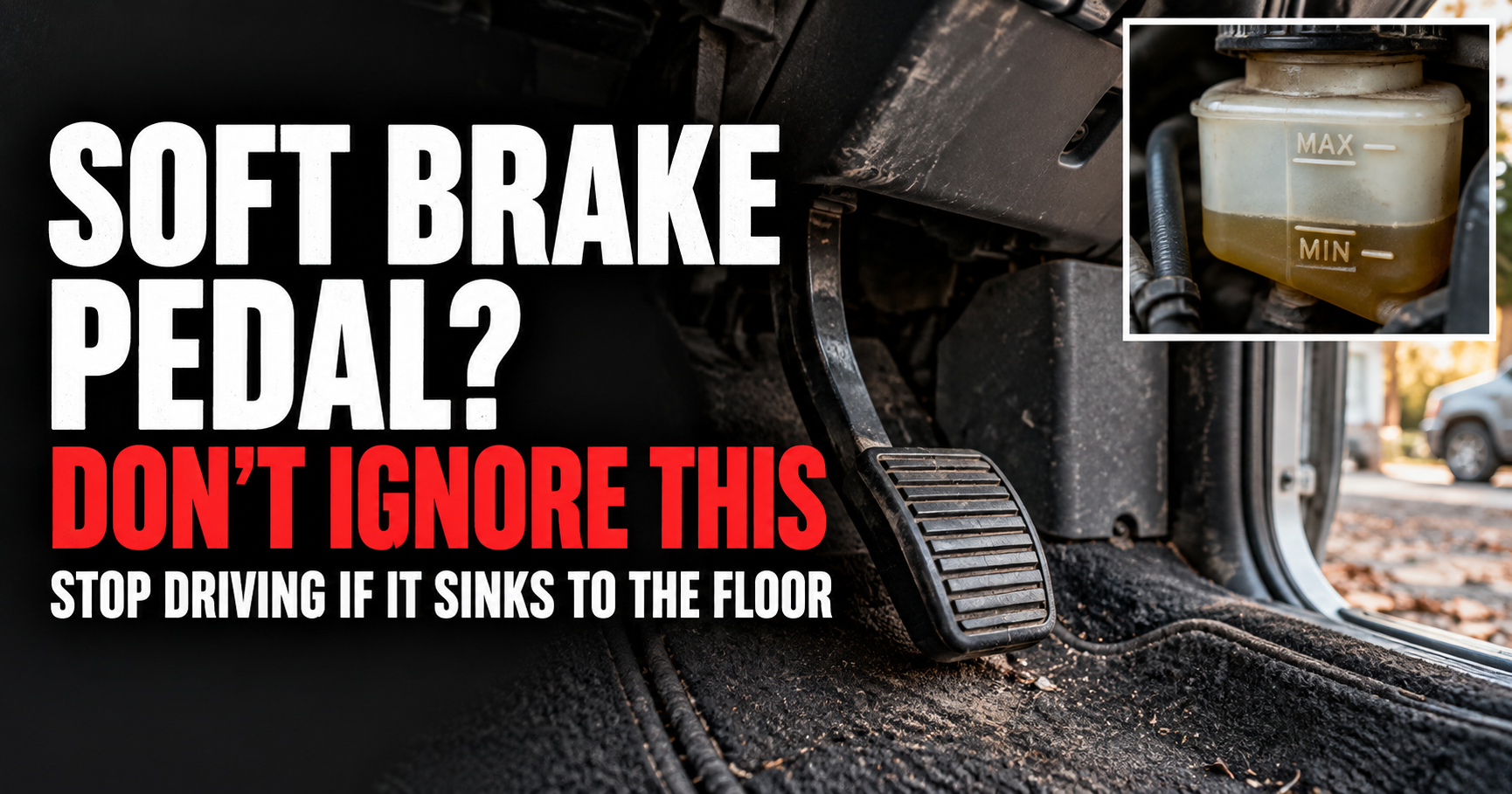
If the oil-pressure warning light comes on while driving, that’s a more urgent issue than discovering a low dipstick reading during a routine check. Pull over safely and shut the engine off. Hyundai warns that continuing to drive with low oil pressure can cause severe engine damage. If the light remains on after the level is corrected, do not keep driving.
Don’t rely on an oil-pressure light to tell you when to add oil. Check the dipstick.
Should You Just Keep Adding Oil?
Adding the correct oil to keep the level within the proper range is better than knowingly driving with too little. It buys you time to arrange a diagnosis. It does not tell you why the oil is disappearing.
Keep a container of the specified oil if your car has a known consumption issue, and check the level often enough that it doesn’t fall below the safe range. Add a little at a time and recheck so you don’t overfill it.
I’d still want to know whether it’s leaking onto something hot, leaving the tailpipe, or pointing to a repair that could get worse.
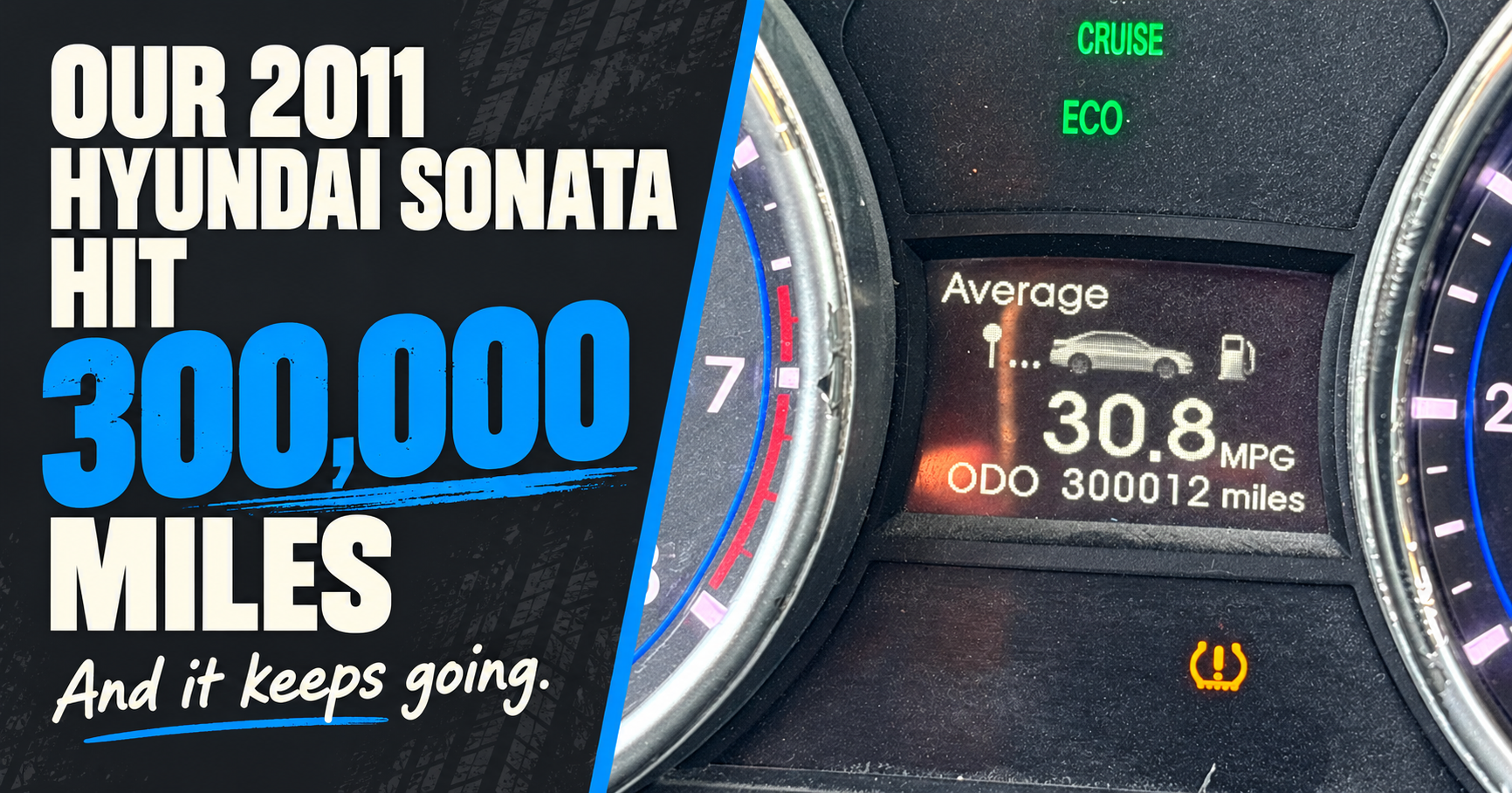
That matters even more if you’re deciding how much to invest in an older car. Our real-world look at keeping a 300,000-mile Sonata going explains why we judge each problem by what it means for the car today, rather than treating the odometer as a verdict.
Will Thicker Oil or an Additive Fix It?
I’d be careful here.
Using oil that doesn’t meet the specification for your engine can create a new problem while you’re trying to solve the old one. A product labeled “high mileage” doesn’t identify the cause of oil loss, either.
Check the oil grade and specifications in your owner’s manual. If you’re considering changing what you use because the engine is consuming oil, discuss it with a mechanic who has actually inspected the car.
I also wouldn’t pour in a stop-leak product before finding out whether there’s an external leak at all. If the oil is being burned inside the engine, a bottle marketed for leaks isn’t a diagnosis.

What to Tell the Mechanic
You’ll get more out of the visit if you bring a short record instead of saying, “It seems to use oil.”
Tell the shop the current mileage, the date and mileage of the last oil change, how much oil you’ve added, and roughly how far you drove between top-offs.
Mention any blue exhaust, burning smell, fresh spots on the ground, or visible oil under the hood. If the problem began after recent service, mention that too.
Then ask the shop to look for external leaks and explain what evidence points toward any internal cause. If they recommend a major repair, ask for the diagnosis and estimate in writing. The FTC recommends a written estimate that identifies the condition being repaired, needed parts, and expected labor.
What If the Fix Costs More Than the Car Is Worth?
That decision comes after you know what’s wrong.
A loose cap or accessible leak is a different conversation from major internal engine work. The same oil-loss symptom can lead to very different estimates.
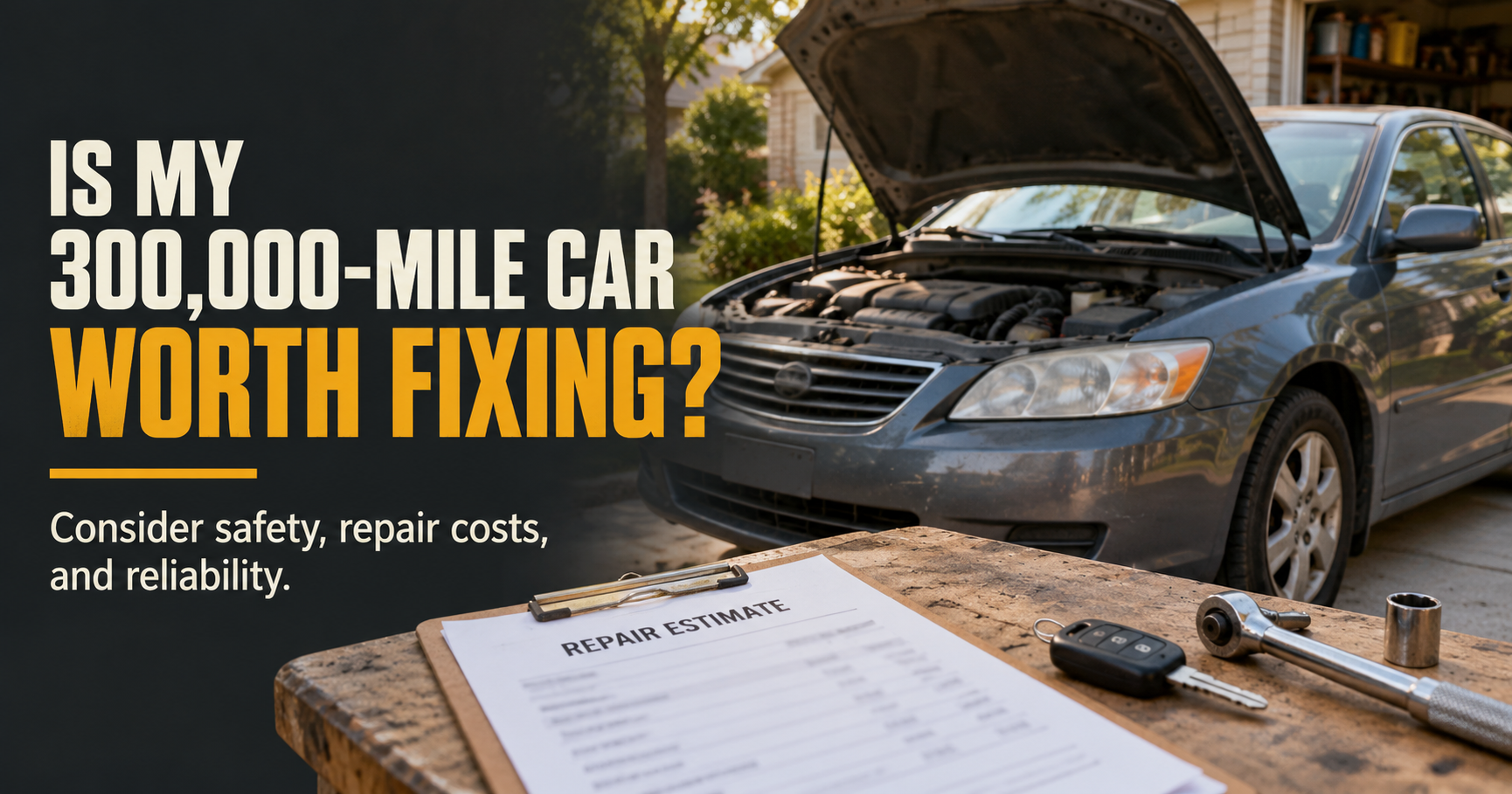
If your car has high mileage and the diagnosis is expensive, look at the rest of its condition, what other work is coming due, and what replacing it would cost. We walk through that choice in whether a 300,000-mile car is worth fixing.
For now, the most useful first step is the boring one: check the level consistently and write down exactly how much oil the car is losing. That gives you something solid to work from.
About the author: Morgan Ellis writes about car problems, maintenance, and the decisions that come with keeping an older vehicle on the road for Why Is My Car.

