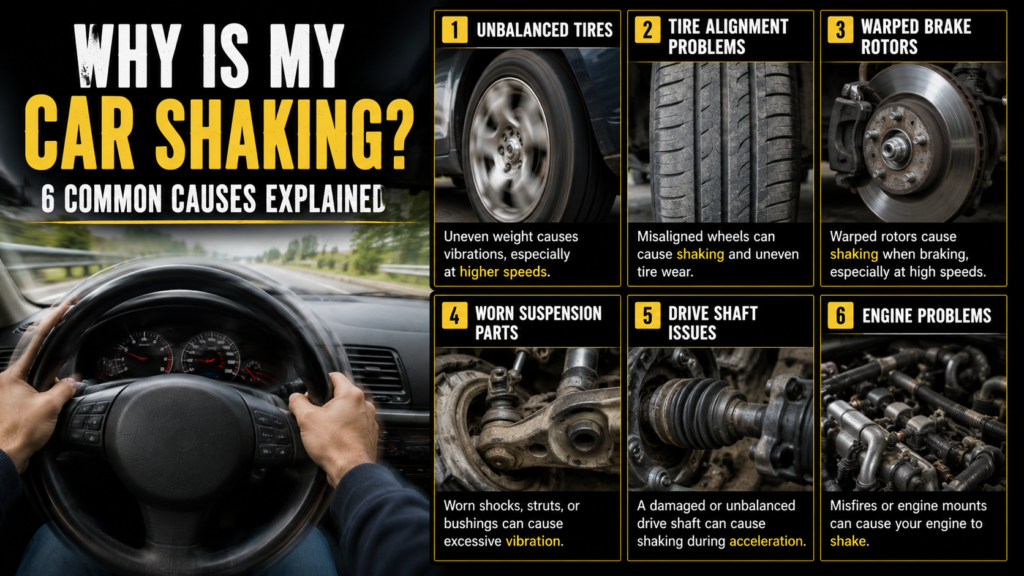
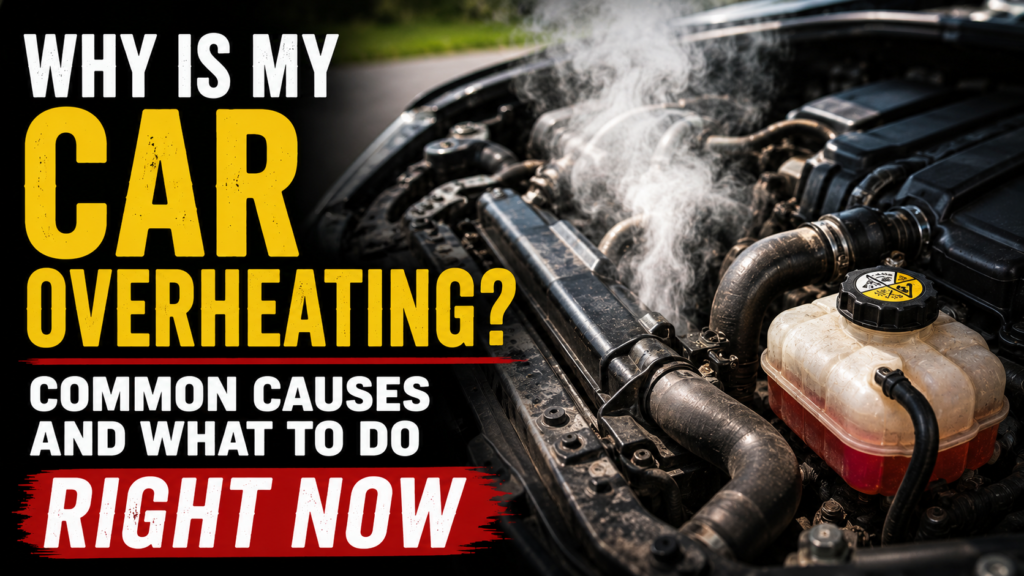
What you do in the first few minutes of an overheating event determines whether you drive away or get towed. Here’s every cause and the exact steps to take right now.
Your temperature gauge is climbing. The warning light just came on. Steam is rising from under the hood. Your car is overheating — and what you do in the next few minutes determines whether you drive away from this or get towed away from it.
Engine overheating is one of the most serious situations a driver can face. Modern engines operate within a narrow temperature range, and when that range is exceeded, damage happens fast. A blown head gasket. A warped cylinder head. In severe cases, a destroyed engine. The difference between a $200 repair and a $4,000 repair often comes down to how quickly you react and what you do next.
This guide covers every common cause of engine overheating, exactly what to do when it happens, and how to prevent it from happening again.
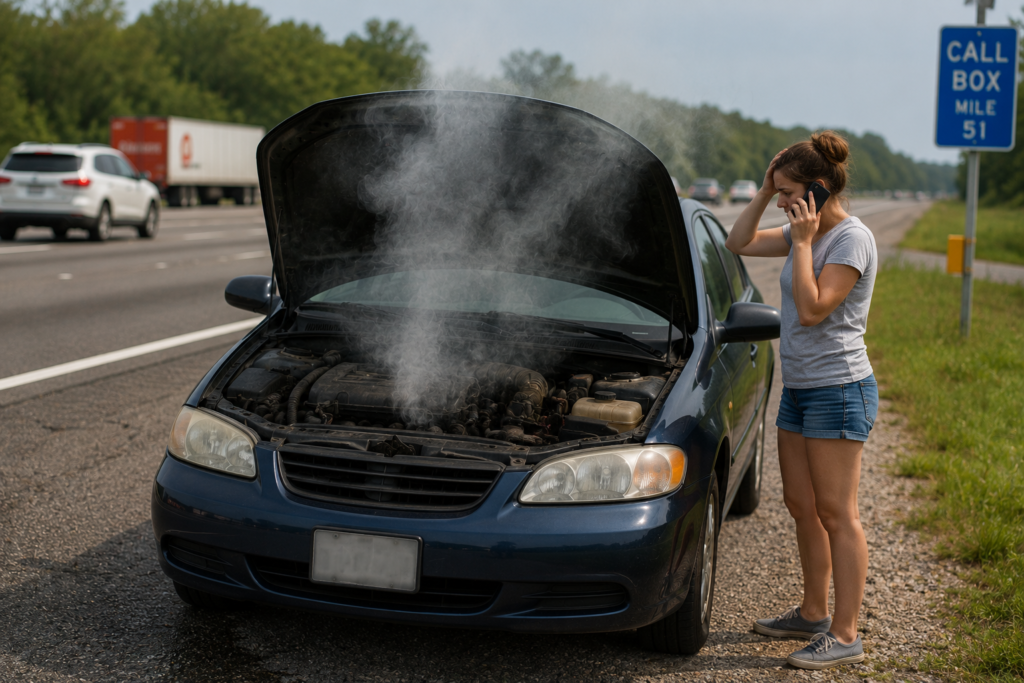
Quick Answer: If your car is overheating, pull over safely, turn off the engine immediately, and do not open the radiator cap. The most common causes are low coolant, a failed thermostat, a broken water pump, a clogged radiator, or a blown head gasket. Do not continue driving an overheating engine — the damage compounds rapidly with every mile. Once the immediate risk is handled, car troubleshooting guides can help you investigate other warning signs and symptoms.
What To Do Right Now If Your Car Is Overheating
Before causes and fixes — if you’re reading this because your car is overheating right now, here’s the exact sequence of steps.
Step 1: Turn off the A/C immediately. Air conditioning puts significant load on the engine. Turning it off reduces heat generation instantly.
Step 2: Turn the heater on full blast. This sounds counterintuitive but it works. The heater core acts as a second radiator — turning the heat on maximum pulls heat out of the engine coolant and into the cabin. It buys you time.
Step 3: Pull over as soon as safely possible. Don’t push through to the next exit if the gauge is in the red. Every mile you drive on an overheating engine risks catastrophic damage. Signal, pull to the shoulder, and stop.
Step 4: Turn the engine off. Not to accessory mode — fully off. Let it sit for at least 30 minutes before doing anything else.
Step 5: Do not open the radiator cap. A hot cooling system is pressurized. Opening the cap releases that pressure explosively — scalding coolant will spray out and cause serious burns. Wait until the engine is completely cool before opening anything.
Step 6: Once cool, check the coolant level. The translucent reservoir tank in the engine bay shows the level against MIN and MAX markings. If it’s empty or very low, that’s your first clue. Add coolant or water as a temporary measure to get to a shop — but find the leak source before driving regularly again.
Low Coolant — The Most Common Cause
Coolant is the fluid that carries heat away from the engine and releases it through the radiator. Without enough coolant in the system, the engine has nothing to transfer heat into and temperatures climb rapidly.
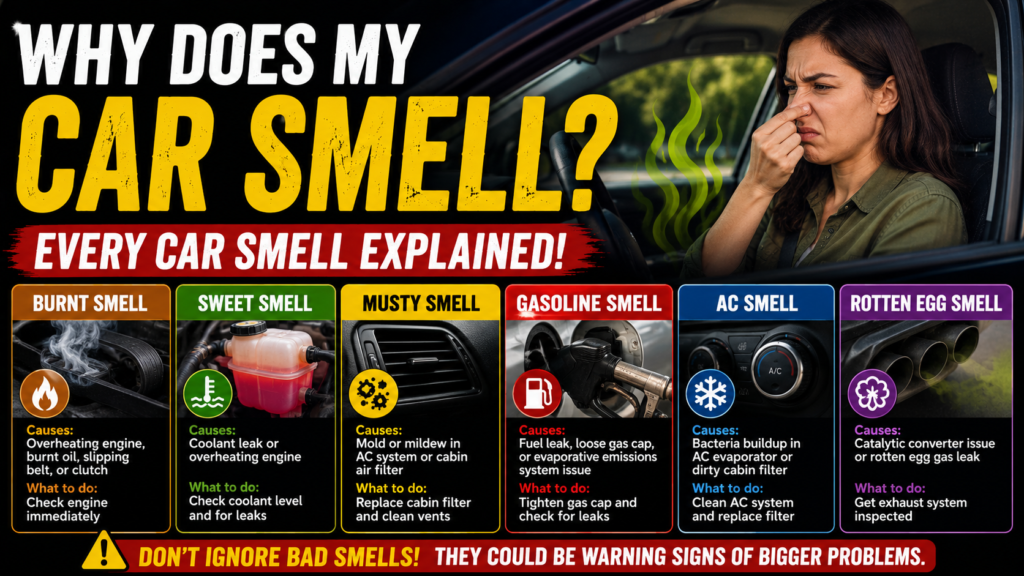
Low coolant almost always means there’s a leak somewhere — coolant doesn’t disappear on its own. Check the reservoir level regularly and watch for the signs of a coolant leak: puddles under the front of the car, a sweet smell from the engine bay, or white residue around hoses and fittings. A slow leak can drop the coolant level over weeks without you noticing until the engine overheats. The meaning of the meaning of a sweet car smell can help distinguish a coolant leak from other problems.
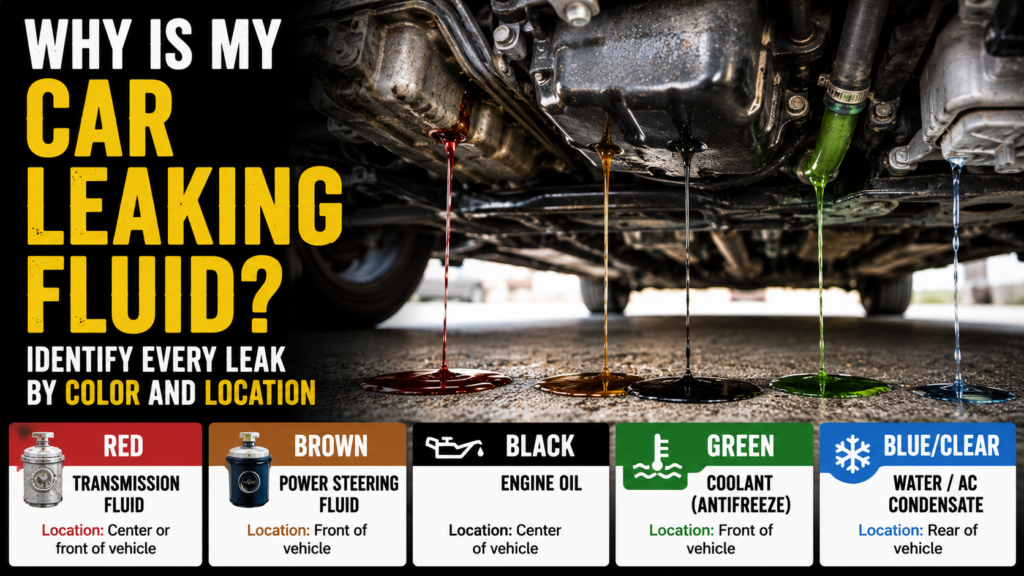
Our full guide on identifying fluid leaks by color and location covers coolant leaks in detail — including how to tell the difference between an external leak and coolant that’s being consumed internally through a head gasket.
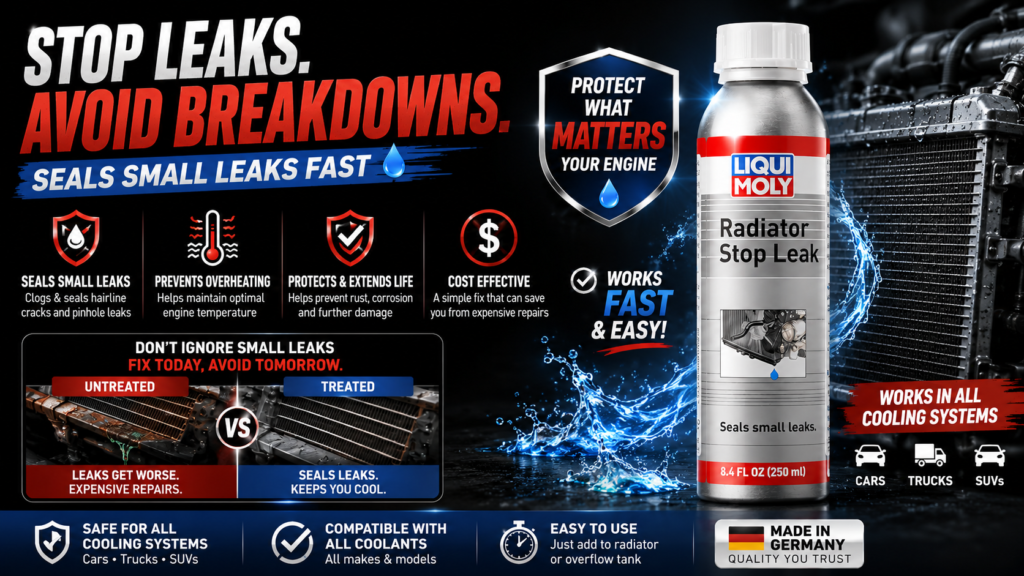
For minor coolant leaks from the radiator or heater core, a quality stop-leak product like Liqui Moly Radiator Stop Leak can seal the leak temporarily while you arrange a proper repair.

Failed Thermostat
The thermostat is a small spring-loaded valve that regulates coolant flow through the engine. When the engine is cold, the thermostat stays closed — keeping coolant in the engine to help it warm up faster. Once the engine reaches operating temperature, the thermostat opens and allows coolant to circulate through the radiator to be cooled.
When a thermostat fails stuck closed, coolant never flows to the radiator. The engine heats up with nowhere to send that heat and overheats rapidly. This is one of the most common single-component causes of overheating — and one of the cheaper repairs, since thermostats themselves cost $10–$30 and labor is typically under an hour on most vehicles.
How to Recognize a Thermostat Failure
The temperature gauge climbs to the red zone faster than normal — often within a few minutes of startup rather than the usual 5–10 minutes to reach operating temperature. Once overheating starts, it often happens quickly rather than gradually. The upper radiator hose stays cool even when the engine is hot — because coolant isn’t flowing through it.
Broken Water Pump

The water pump is what circulates coolant through the entire cooling system. It’s driven either by the serpentine belt or the timing belt depending on the engine. When the water pump fails — either through bearing failure, impeller damage, or seal failure — coolant stops moving. A cooling system full of coolant that isn’t circulating is almost as useless as one with no coolant at all. Inspecting the pump and belt area is easier with hands-free engine-bay lighting that can be positioned under the hood.
Signs of a Failing Water Pump
A whining or grinding noise from the front of the engine that changes with engine speed often indicates a failing water pump bearing. Coolant leaking from the water pump weep hole — a small hole at the bottom of the pump body — means the internal seal is failing. Overheating that gets worse as engine speed increases rather than decreasing suggests the pump isn’t moving coolant effectively under load.

Water pump replacement is a moderate repair — typically $200–$500 at a shop depending on the vehicle. On engines where the water pump is driven by the timing belt, replacing both at the same time is strongly recommended since the labor overlaps significantly. For DIY water-pump work, an automotive impact socket set can cover many of the fasteners involved.
Clogged or Damaged Radiator
The radiator is where your engine’s heat actually gets released into the atmosphere. Hot coolant enters the radiator from the engine, passes through dozens of narrow tubes surrounded by thin aluminum fins, and exits cooled by airflow through those fins. When the radiator is clogged, damaged, or has restricted airflow, it can’t release heat fast enough and the coolant returns to the engine still hot.
External Blockage
Road debris, bugs, leaves, and dirt accumulate on the front face of the radiator and block airflow through the fins. This is especially common on vehicles driven on dirt roads or those that haven’t had the engine bay cleaned in years. A garden hose sprayed gently through the fins from the engine side outward removes a surprising amount of buildup.
Internal Clogging
Old degraded coolant leaves deposits inside the radiator tubes that restrict flow over time. This is one of the reasons cooling system flushes are part of proper maintenance — fresh coolant with proper corrosion inhibitors keeps the internal passages clean. A radiator that’s severely internally clogged needs to be flushed professionally or replaced.
Physical Damage
A bent or crushed fin section from a minor impact reduces airflow through that portion of the radiator. This is often visible on inspection — look at the radiator face from the front of the vehicle for areas where the fins are compressed or bent flat.
Blown Head Gasket
The head gasket seals the joint between the engine block and the cylinder head. It has to contain combustion pressure, coolant passages, and oil passages all in one thin layer of material. When it fails — usually from overheating, age, or manufacturing defects — it allows combustion gases to enter the cooling system or coolant to enter the combustion chamber.
A blown head gasket can both cause overheating and result from overheating — it’s often both simultaneously. An engine that overheated once from another cause may have damaged the head gasket in the process, creating a second problem that causes continued overheating even after the original cause is fixed.
Signs of a Blown Head Gasket
White sweet-smelling smoke from the exhaust — coolant burning in the combustion chamber. The coolant reservoir bubbling or pressurizing rapidly after startup — combustion gases entering the cooling system. Milky brown oil on the dipstick or under the oil cap — coolant mixing with engine oil. Overheating that returns quickly even after topping off coolant — because the coolant is being consumed internally rather than leaking externally.
Head gasket repair is expensive — typically $1,000–$2,000 or more depending on the vehicle — because it requires removing the cylinder head. This is the primary reason not to continue driving an overheating engine. A $150 thermostat failure that causes a single overheating event can turn into a $1,500 head gasket replacement if driven through.


Cooling Fan Failure
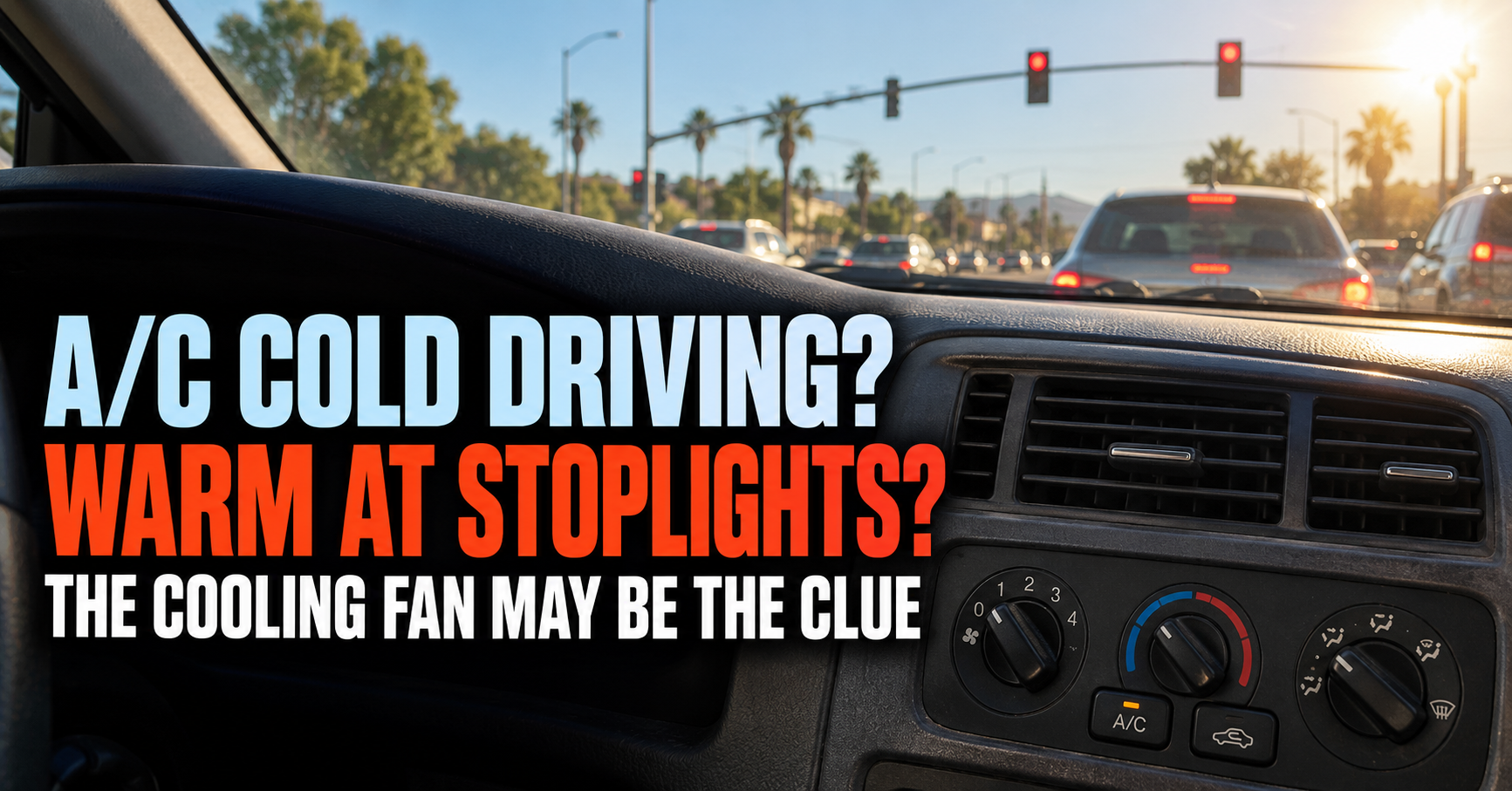
Your radiator needs airflow to release heat. At highway speeds, the vehicle’s forward motion pushes enough air through the radiator. At low speeds and idle — sitting in traffic, idling in a parking lot — there’s no forward airflow. That’s what the cooling fan is for.
Most modern vehicles use electric cooling fans that are controlled by the engine management system based on coolant temperature. When the fan motor fails, the fan relay fails, or the temperature sensor that triggers the fan fails, the fan doesn’t come on when needed. The result is overheating that happens at low speeds and idle but disappears at highway speeds — because highway airflow compensates for the absent fan.
How to Diagnose a Fan Problem
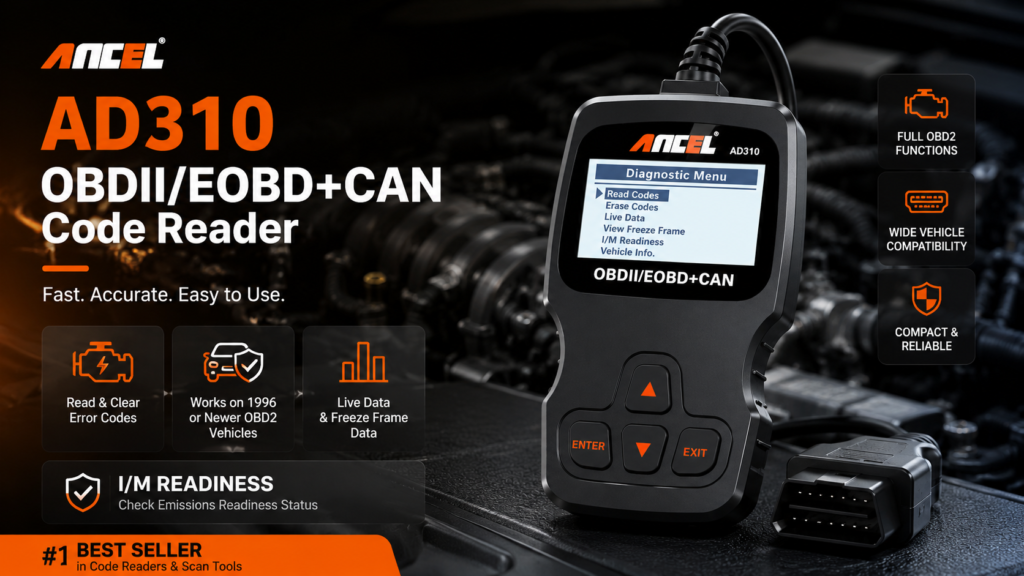
With the engine at operating temperature and the A/C on, look at the radiator fan — it should be spinning. If it’s not, the problem is the fan motor, relay, or triggering signal. An OBD2 scanner often reveals cooling fan circuit codes that point directly to the failed component.
Serpentine Belt Failure
The serpentine belt drives multiple accessories simultaneously — the alternator, power steering pump, A/C compressor, and on many engines the water pump. If the serpentine belt breaks or slips off, the water pump stops circulating coolant immediately. The engine overheats within minutes.
A broken or missing serpentine belt is visible on inspection — look along the front of the engine for the belt routing. A belt that’s present but glazed, cracked, or has missing chunks is a failure waiting to happen. Belt replacement is inexpensive — $50–$150 at a shop — and a failed belt leaves you stranded, so replacement at the first sign of wear is worthwhile.
Air Pocket in the Cooling System
This is a less obvious cause that trips up a lot of DIYers after cooling system work. Coolant systems need to be bled of air after any work that opens the system — replacing hoses, the thermostat, the water pump, or refilling after a leak. Air pockets in the cooling system create hot spots — areas where coolant isn’t flowing — that cause localized overheating even when the overall coolant level appears correct.
Some vehicles have dedicated bleed screws for this purpose. Others require running the engine with the radiator cap off at idle, allowing air to burp out as the thermostat opens. If your car started overheating shortly after cooling system work, an air pocket is the first thing to suspect.
How to Check Your Cooling System at Home
Regular checks catch cooling system problems before they become overheating events. Once a month takes less than five minutes.
Coolant level: Check the translucent reservoir tank — level should be between MIN and MAX when cold. Never open the radiator cap on a hot engine.
Coolant condition: Healthy coolant is brightly colored — green, orange, pink, or blue depending on type. Brown, rusty, or oily-looking coolant needs to be flushed. Coolant that looks milky or foamy suggests oil contamination from a head gasket issue.
Hose condition: Squeeze the upper and lower radiator hoses when cold. They should feel firm but pliable. Hoses that feel very soft and mushy, extremely hard and brittle, or that have visible cracks or swelling are due for replacement.
Belt condition: Inspect the serpentine belt for cracking, glazing, fraying edges, or missing sections. A belt that’s showing any of these signs is past due for replacement.
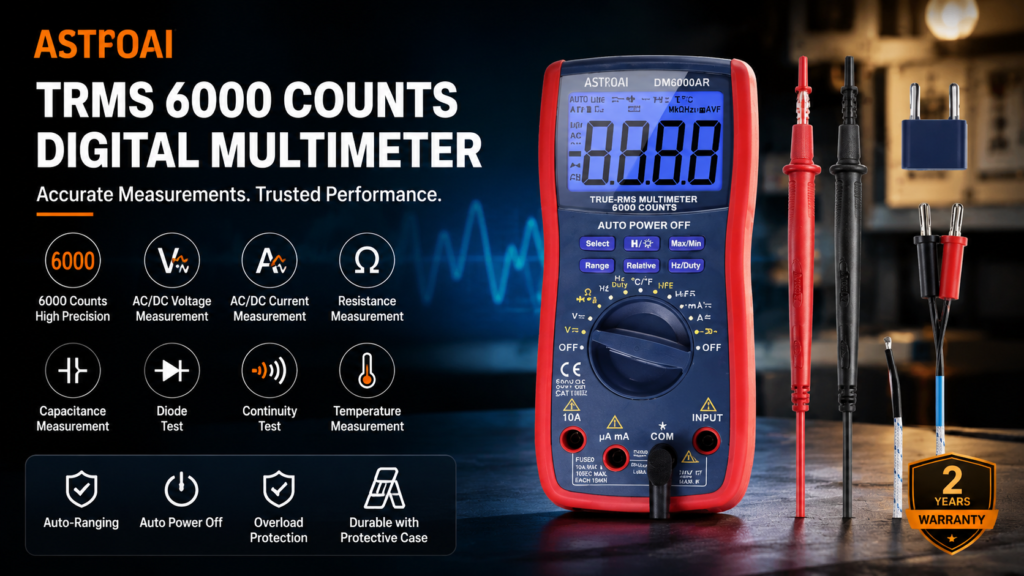
A digital multimeter can test the cooling fan motor directly — checking for proper voltage at the motor connector when the fan should be running tells you whether the problem is the motor itself or the control circuit upstream.


When to Drive and When to Call a Tow
Call a tow: Any time the temperature gauge reaches the red zone or the overheating warning light comes on. Any time you see steam coming from under the hood. Any time you smell coolant burning. Any time the engine has already overheated once and you haven’t identified and fixed the cause.
Can drive carefully to a shop: Temperature gauge running slightly higher than normal but not in the red, no warning lights, no steam, and you’ve just topped off low coolant and identified a minor leak that’s been addressed temporarily. Drive with the heater on full, watch the gauge constantly, and stop immediately if it climbs further.
Never drive: With the temperature gauge pegged in the red. With steam coming from under the hood. With an overheating warning light that won’t go off after pulling over and letting the engine cool.
The math is simple: a tow costs $75–$150. An engine damaged by overheating costs $1,500–$10,000. There is no scenario where pushing through an overheating situation saves money.
Preventing Overheating — The Maintenance That Actually Matters
Most overheating events are preventable with basic maintenance that most drivers skip. Coolant doesn’t last forever — it degrades, loses its corrosion inhibitors, and becomes acidic over time, attacking the aluminum and rubber components it’s supposed to protect. A cooling system flush every 30,000–50,000 miles (or per your manufacturer’s recommendation) keeps the system clean and the coolant effective.
Check coolant level monthly. Inspect hoses annually — they’re inexpensive and a burst hose leaves you stranded immediately. Replace the serpentine belt at the first sign of wear. Have the thermostat replaced at high mileage if the car has never had it done — they’re cheap insurance.
If you want to monitor your cooling system more closely, an OBD2 scanner that reads live data lets you watch coolant temperature in real time from your phone — and catches a rising temperature trend before it becomes an emergency.
Frequently Asked Questions
Can I drive my car if the temperature gauge is a little high but not in the red?
A gauge running slightly above normal is a warning to take seriously, not ignore. Turn on the heater, monitor it closely, and get to a shop as soon as possible. A gauge that’s creeping up is telling you the cooling system is struggling — pushing it until it reaches the red causes the damage you’re trying to avoid.
How long can I run the engine after it overheats before damage occurs?
Damage can begin within minutes of the temperature reaching the danger zone — especially to head gaskets and cylinder heads. There is no safe window for driving an overheating engine. Stop as soon as safely possible.
My car overheated once but seems fine now — should I be worried?
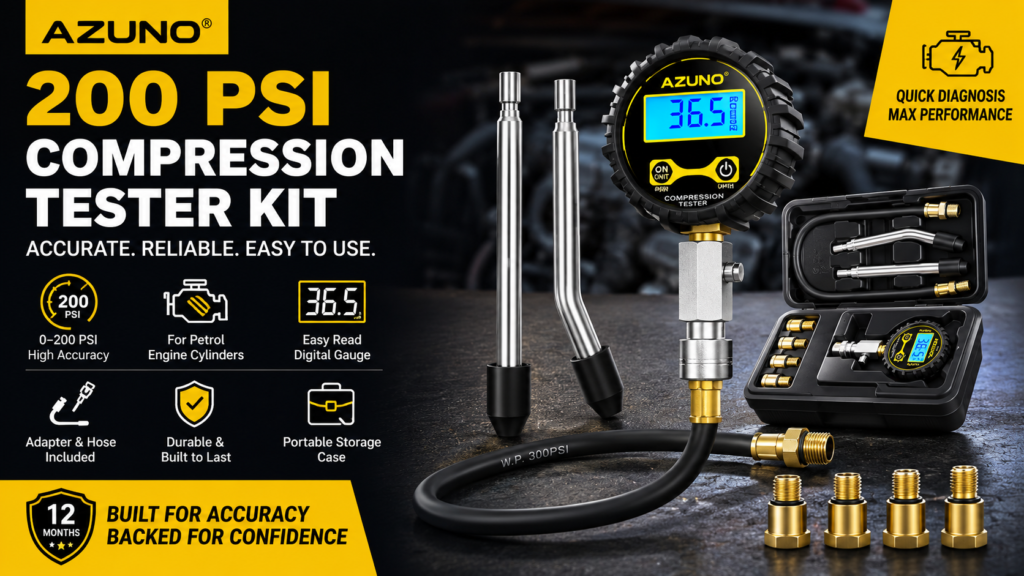
Yes. A single overheating event can damage head gaskets, warp cylinder heads, and cause internal seal failures that don’t show symptoms immediately. Have the cooling system inspected and the head gasket integrity checked — a compression test or coolant system pressure test can catch damage before it becomes catastrophic failure.
Will adding water instead of coolant damage my engine?
In an emergency, water is better than running out of coolant. Plain water doesn’t provide freeze protection or corrosion inhibition, but it prevents overheating in the short term. Flush and refill with proper coolant as soon as possible — don’t run on water long term.
Why does my car overheat only in traffic but not on the highway?
Classic sign of a cooling fan problem. At highway speeds, forward airflow cools the radiator adequately even without the fan. At low speeds and idle, the fan has to do the work — and if it’s not spinning, heat builds up in traffic. Check that the cooling fan runs when the engine reaches operating temperature.
How much does it cost to fix an overheating problem?
Depends entirely on the cause. Low coolant topped off temporarily — under $20. Thermostat replacement — $150–$300. Water pump — $200–$500. Radiator replacement — $300–$700. Head gasket — $1,000–$2,500 or more. Diagnosing the cause before authorizing repairs is essential — the symptom is the same but the cost difference is enormous.
About the Author: Dana Callahan
Dana has been diagnosing car problems for over a decade — first out of necessity (three kids, one income, no money for shop rates) and eventually out of genuine passion. She’s the person her whole neighborhood texts when a warning light comes on. Dana writes for WhyIsMyCar.com to give everyday drivers the kind of straight talk she wishes she’d had when she first started figuring this stuff out on her own. Based in Ohio.