
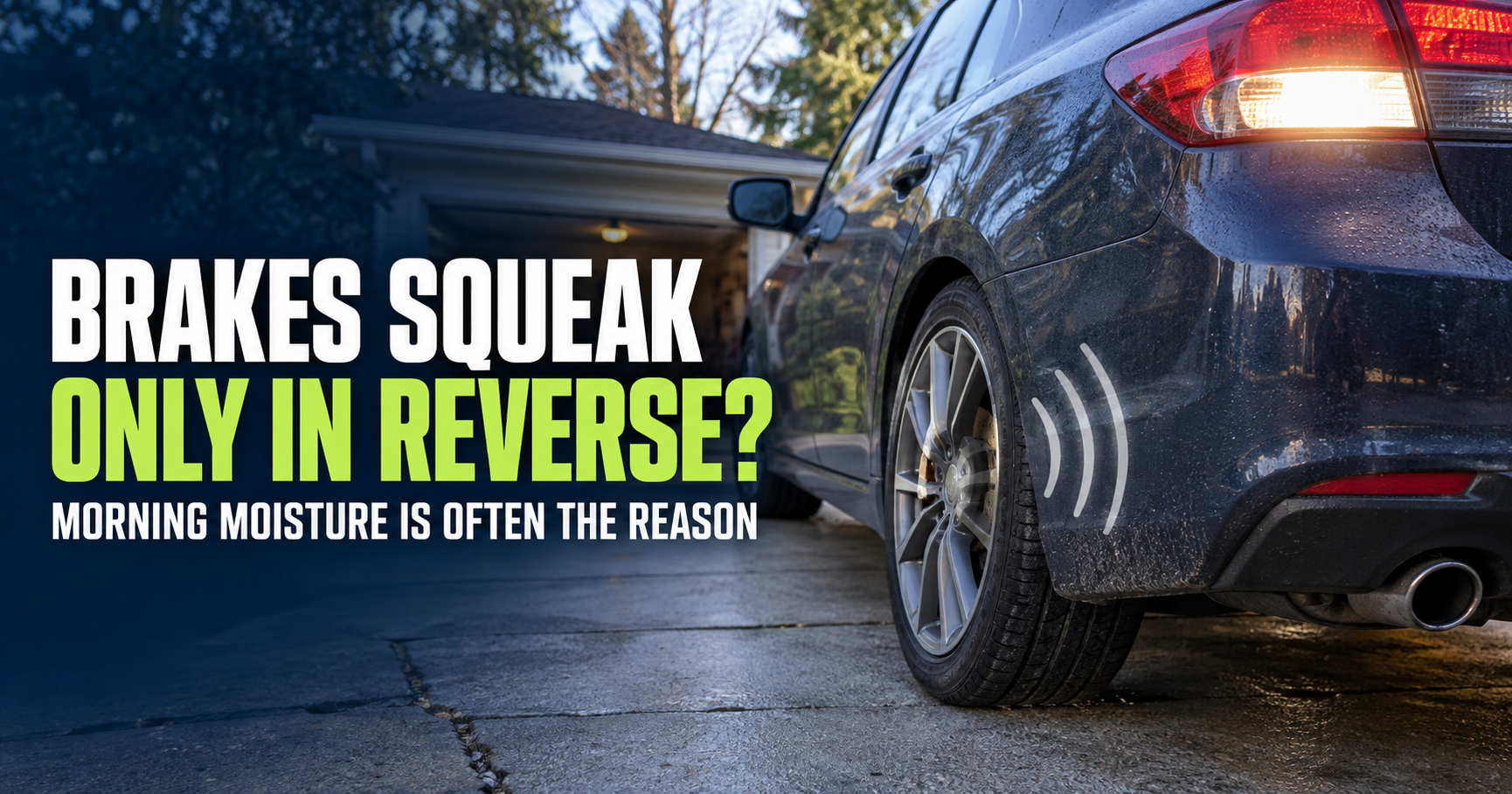
You back out of the driveway, touch the brake pedal, and hear a sharp squeak. Then you put the car in Drive and the noise disappears.
A brief squeak on the first reverse stop, especially after rain or an overnight park, can come from moisture and light surface rust on the brakes. A squeak that happens every time you back up can also involve brake pad movement, hardware, or wear. The fact that it disappears going forward does not identify the part or prove the brakes are fine.
Before you decide what to do, pay attention to when it squeaks. Is it only on the first stop of the morning? Only while the pedal is pressed? Does it continue as the car rolls backward without braking? Those details make this question much easier to answer.
Why Reverse Can Sound Different From Driving Forward
Brake pads and their hardware experience force in a different direction when the wheel turns backward. A small movement or vibration that you barely notice going forward may become audible when you back up and lightly apply the brakes.
That does not mean a reverse squeak has one special cause. Moisture, surface rust, pad material, loose or worn hardware, and other brake conditions can all create noise under the right circumstances.
The useful distinction is whether the squeak is a short-lived morning sound or a repeatable noise on every reverse stop. If it is new, persistent, or accompanied by a change in braking, arrange an inspection.


The First Reverse Stop of the Day
Picture a car parked outside overnight. The brakes have cooled, and damp air or rain has left moisture on the metal rotor surfaces. A thin film of surface rust can form while the vehicle sits.
When you back out and press the brakes, the pads contact that surface and may make a brief squeak or scraping sound. After a few normal stops, the sound may disappear as the braking surfaces clean up and warm.
If that is the entire pattern and the car stops normally, note it and watch whether the noise changes. If it grows louder, persists throughout the drive, or turns into grinding, have the brakes inspected. Do not assume every morning noise is harmless simply because moisture can cause one.
Squeaking Every Time You Back Up
A squeak that happens on every reverse stop, even after the car has been driven and the brakes are warm, deserves a closer look.
Brake pads need to sit and move correctly within their hardware. Clips, shims, and contact points help control movement and noise. If a part is worn, missing, loose, or not moving freely, a light brake application in reverse may bring out a squeak that you do not hear going forward.
A shop can check the hardware and pad wear on both sides. Replacing the pads without inspecting how they fit and move could leave the noise unchanged.
Does It Squeak Only When You Press the Pedal?
Try to remember whether the sound begins when you apply the brakes or whether it continues the entire time the car rolls backward.
A noise tied closely to pedal pressure makes brake contact and hardware especially relevant to the inspection. A continuous scraping noise while rolling, even with your foot off the brake, gives the shop a different clue. Something may be rubbing or not releasing as it should, although the sound alone cannot establish what it is.
Do not lean out of a moving vehicle or ask someone to stand close to a backing car to locate the sound. Tell the mechanic whether you hear it with the pedal applied, released, or both. That is enough to start.
A Brake Pad Wear Indicator May Be Making Noise
Some brake pads have a metal wear indicator intended to make a high-pitched sound when the pad becomes thin. Depending on how it contacts the rotor, you may notice the noise under particular driving conditions first.
Reverse-only squeaking is not proof that the pads are worn out. It is a reason to have their thickness checked if the noise is persistent or getting worse. Pad wear can differ between the inner and outer pads, so a quick look through the wheel may not tell the whole story.

Our broader article on what different noises when braking may mean helps separate a high squeal from scraping and grinding. Mention which sound you hear when you schedule an inspection.
New Brakes Can Squeak in Reverse Too
If the noise began right after brake work, call the shop that performed it. New pads and rotors can make some noise as their surfaces begin working together, but the shop should hear about a persistent or unusually loud squeak.
Tell them whether it started immediately after the repair, whether it happens on the first stop only, and whether the car also makes noise going forward. Ask them to check the pad and hardware installation if the sound does not settle.
Do not accept “new brakes always squeak” as an explanation for grinding, pulling, a burning smell, or weaker stopping. Those symptoms need inspection regardless of how recently the parts were installed.

Could a Sticking Caliper Be Involved?
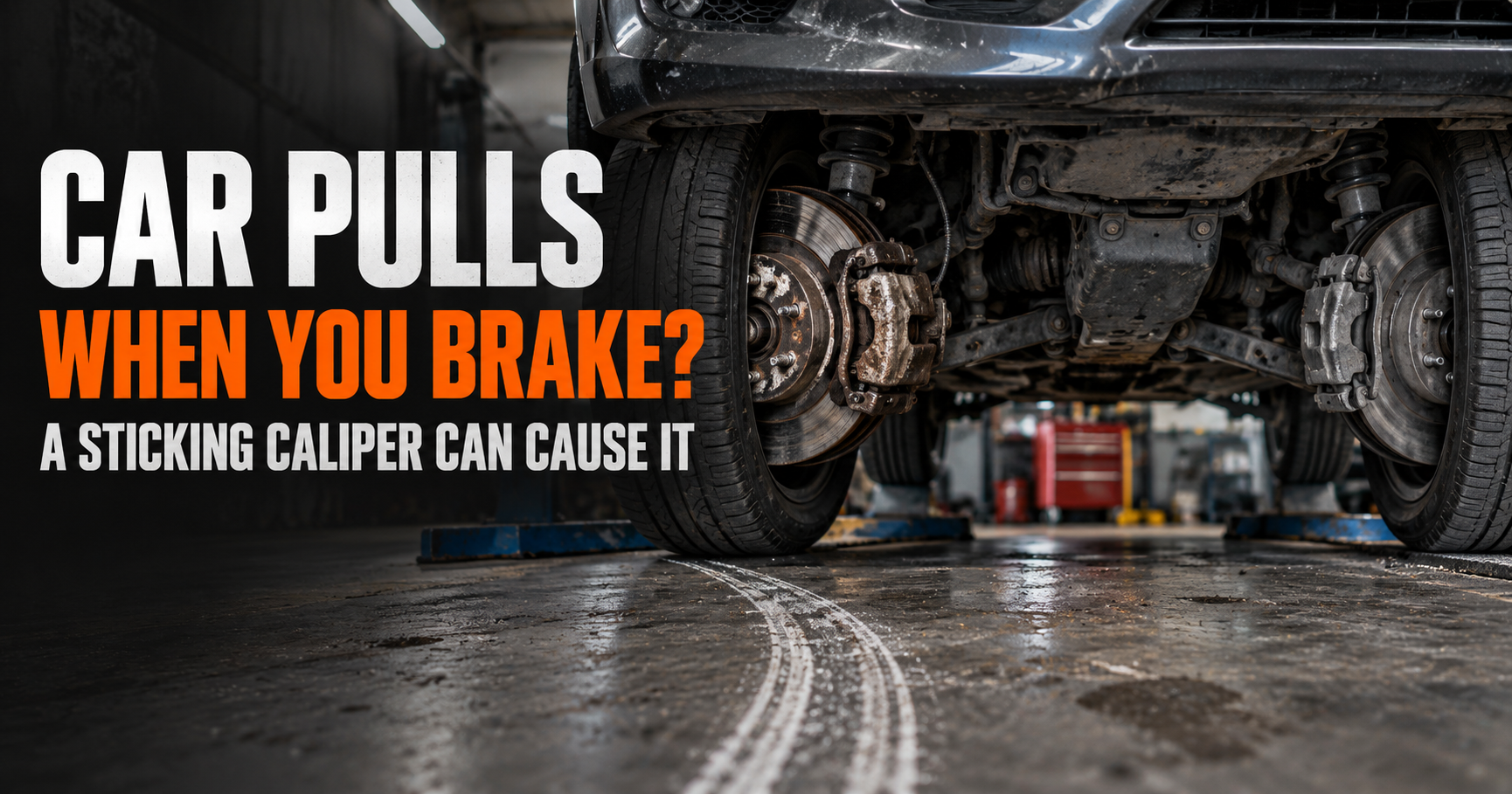
A caliper should apply the pads when you brake and allow them to release afterward. If it or its hardware does not move freely, a pad may continue contacting the rotor and making noise.
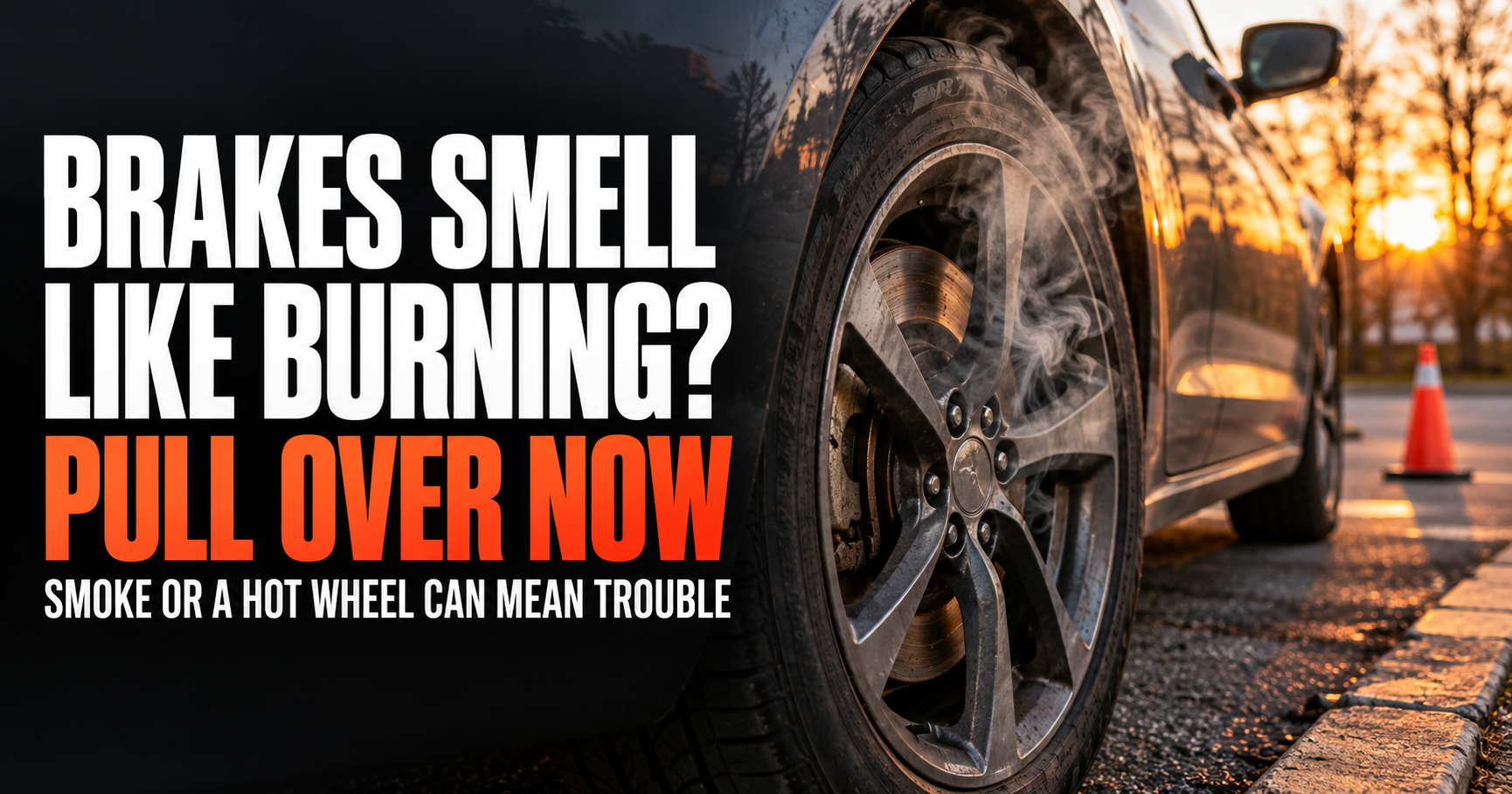
The squeak may not be the only symptom. You might notice a burning smell after a short drive, more brake dust at one wheel, or the car pulling as it slows. Our guide to brakes that smell like burning explains why an odor near one wheel deserves attention.
Do not touch the wheel or brake parts after driving to check for heat. Tell the shop about the smell and where you noticed it.
Rear Brakes and Parking Brake Hardware
A squeak while backing out may seem as though it comes from the rear of the car. That can be helpful to report, but sounds can travel through the vehicle and be difficult to locate from the driver’s seat.
Depending on the vehicle, rear brake and parking brake parts may be worth checking. Tell the shop whether the noise started after you used the parking brake, after the car sat for several days, or after rear brake service.
If the car feels held back while reversing, a parking brake warning stays on, or you smell something hot, stop and have it checked. Do not force the vehicle backward against a brake that may not have released.

What About a Squeak After Rain or a Car Wash?
Water can leave the brake surfaces damp. A brief noise on the first few brake applications may clear as the surfaces dry and normal contact removes light surface rust.
Look at the full pattern. Does it occur only after rain and disappear quickly? Or has it become a daily noise even in dry weather? Has the sound changed from a light squeak to a rough scrape?
Those observations help a technician decide whether the noise matches a temporary surface condition or calls for a closer inspection of the pads, rotors, and hardware. You do not need to make repeated stops just to test it.
Is a Reverse Squeak Dangerous?
A brief squeak is not, by itself, proof of an unsafe brake. It is also not a guarantee that everything is working correctly.
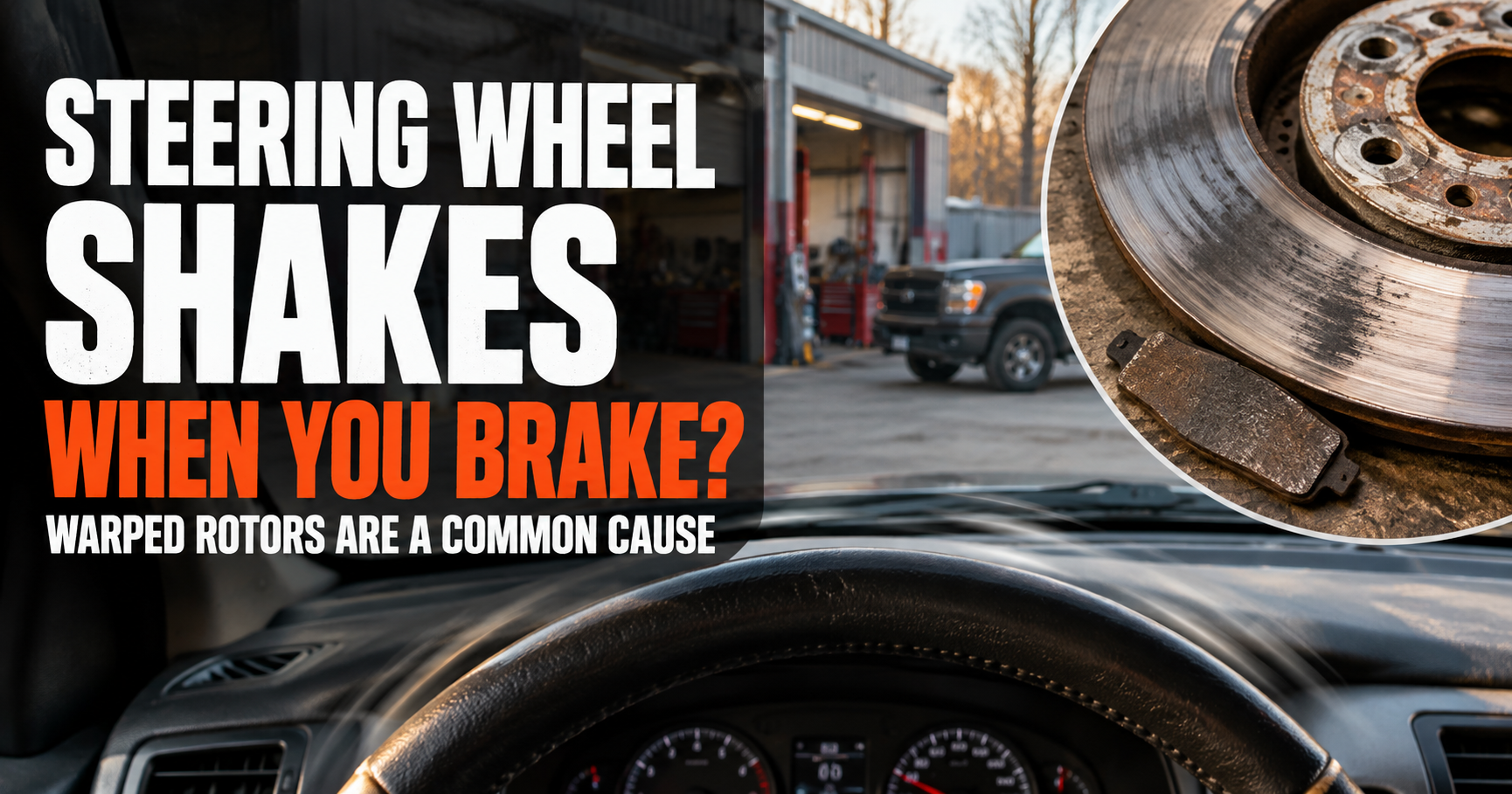
Arrange a brake inspection if the sound repeats after the brakes are warm, gets louder, or comes with uneven braking. Stop driving and seek help if you hear grinding, the pedal changes, the car pulls sharply, braking takes longer, or you see smoke or smell strong burning near a wheel.
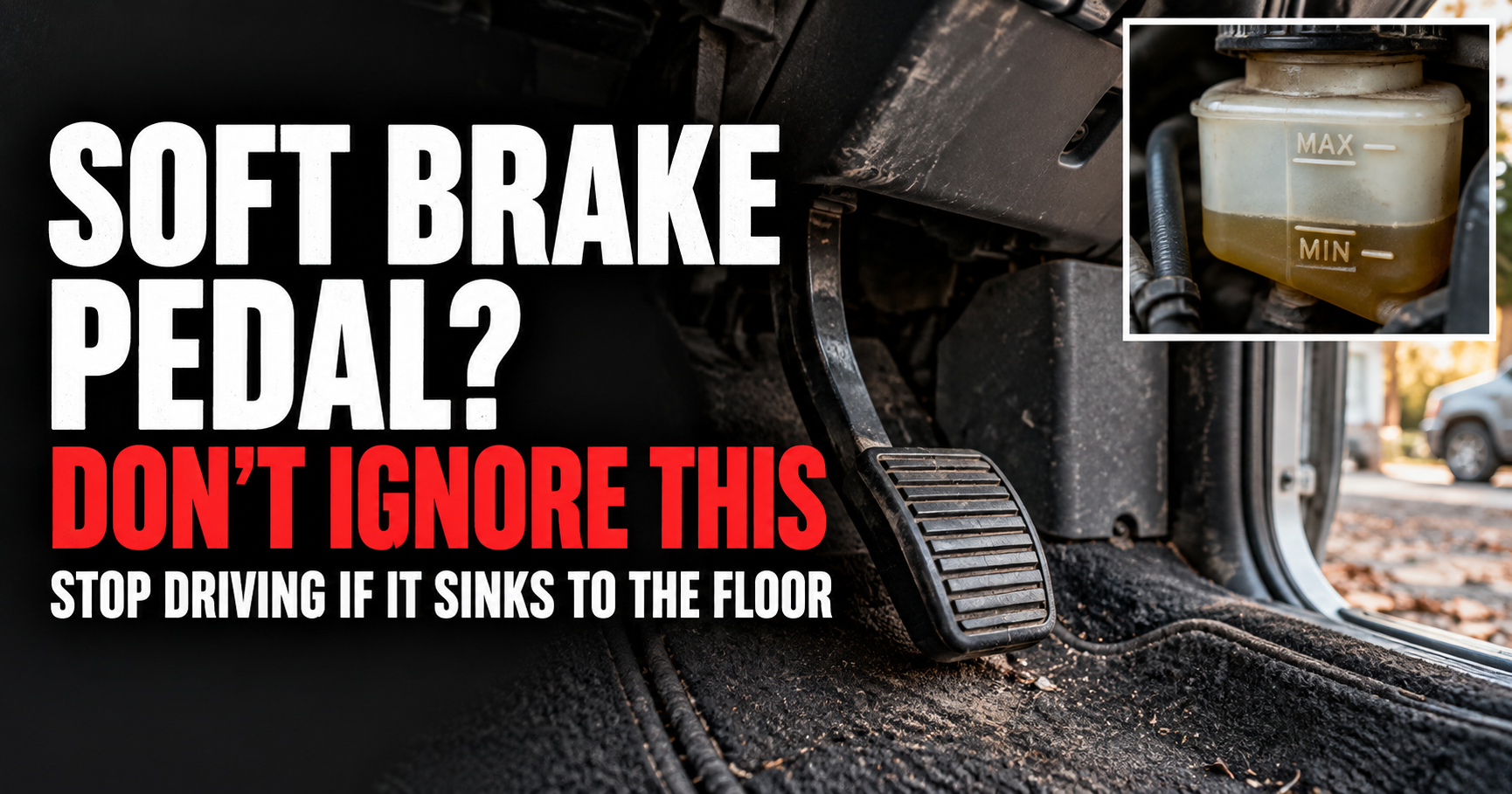
If the brake pedal has become unusually soft, our guide to what a soft brake pedal can mean explains why that change needs prompt attention even if the squeak seems minor.

What to Tell the Mechanic
A precise description can make a short visit much more productive. You might say:
“My brakes make one high-pitched squeak when I back out in the morning and press the pedal. It goes away after the first couple of stops. I haven’t heard it while driving forward.”
Or, if your experience is different:
“The right rear seems to squeak every time I brake in reverse, even after a long drive. It started after the rear brakes were replaced.”
Use only the details you have actually observed. Tell the shop whether the car was parked in rain, how long the noise lasts, whether it happens with the pedal released, and whether recent brake work was done.
Ask the technician to check pad thickness and wear, rotor condition, brake hardware, and whether the brakes apply and release normally. The right repair depends on what the inspection finds.
Questions About Brakes Squeaking in Reverse
Why do my brakes squeak only when I first back out?
Moisture or light surface rust after the car sits overnight is one possible cause, especially if the sound disappears after a few normal stops. If it persists, becomes louder, or braking changes, have the brakes inspected.
Why do my brakes squeak in reverse but not in Drive?
The direction of wheel rotation can change how the pads and hardware move and vibrate. Reverse-only noise does not point to one guaranteed fix. Pad wear, hardware, and brake movement should be checked if the squeak keeps happening.
Do squeaking brakes mean I need new pads?
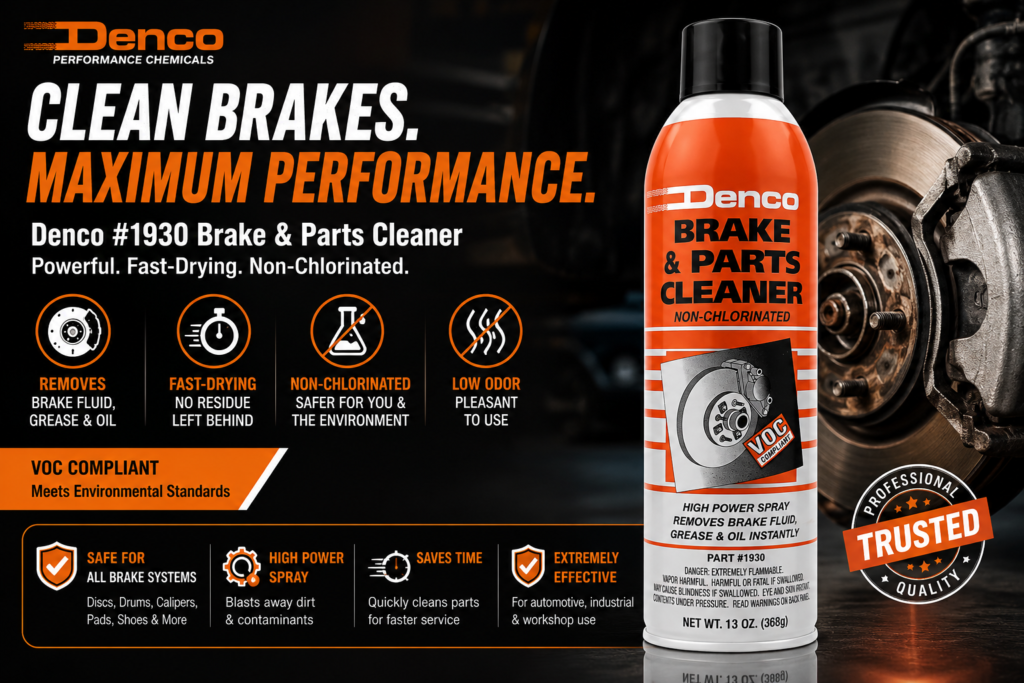
Sometimes worn pads squeal, but squeaking can also come from moisture, surface rust, pad material, or brake hardware. Have pad thickness measured before buying parts. If contamination is contributing to the noise, brake cleaner explains how to clean suitable brake surfaces before replacing parts.
Why did the squeak start after new brakes were installed?
New brake surfaces may make some temporary noise, but a persistent reverse squeak could also call for a check of the pads and hardware. Contact the shop that performed the repair and describe exactly when it happens.
Can I spray something on the brakes to stop the squeak?
Do not spray household lubricant onto pads or rotors. Brake friction surfaces must remain suitable for stopping the car. Have the cause identified and use the repair appropriate to the part involved.
By Dana Callahan, an automotive troubleshooting writer for Why Is My Car. Dana’s guides focus on when a symptom occurs, what drivers can safely observe, and the questions that help them understand a brake inspection before approving repairs.
