
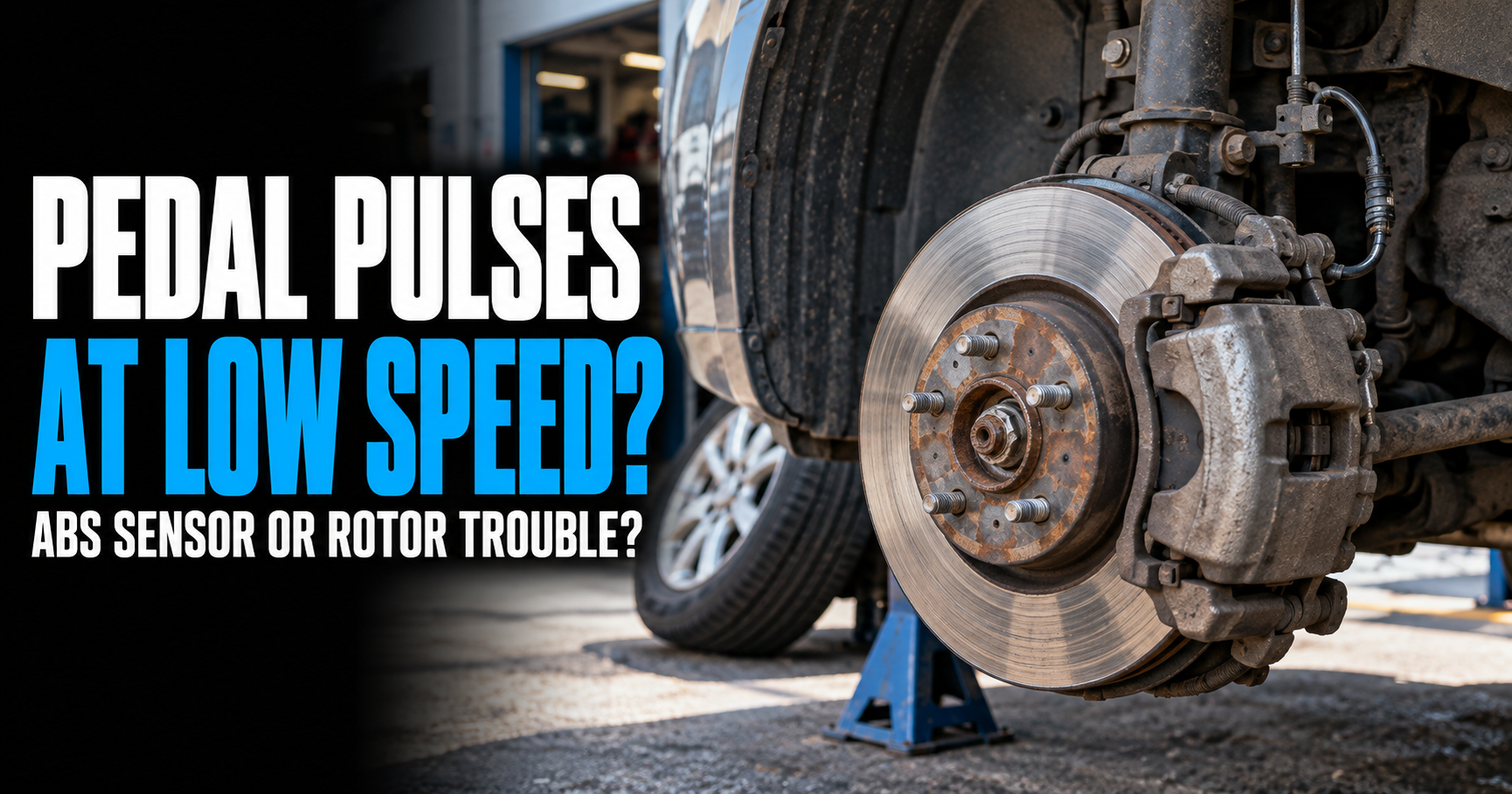
You brake gently toward a stop sign. The car slows normally at first, but just before it stops, the brake pedal suddenly kicks or chatters against your foot. It may feel as though the antilock brakes have switched on, even though the pavement is dry.
A low-speed pedal pulse can have more than one cause. The antilock braking system, or ABS, may be activating when a wheel speed signal makes the system think a wheel is about to lock. Uneven brake rotor contact can also create a repeated pulse. When the pulse happens and what it feels like help a technician tell those possibilities apart.
If the car takes longer to stop, pulls sharply, shows a brake warning light, or the pedal becomes soft or unusually hard, find a safe place to stop and arrange an inspection. Even if the car otherwise stops normally, a new pulse during routine low-speed braking is worth checking.
Does It Happen Only Just Before the Car Stops?
Start with the speed. Does the pedal feel smooth while you slow from 40 mph, then suddenly chatter in the last few feet? Or can you feel a regular vibration throughout the stop?
A sudden, rapid kickback at walking speed can feel like ABS activation. A more even, repeating pulse that changes rhythm as the wheels slow may lead an inspection toward the brake rotors and related parts. Those patterns are clues, not a diagnosis.
Try to describe the moment as precisely as you can. “It starts at about 5 mph on dry pavement” tells a mechanic much more than “my brakes vibrate.”
Do not make extra stops in traffic to test the symptom. If it has happened during normal driving, you already have enough reason to schedule a brake inspection.

What Normal ABS Activation Feels Like
ABS helps prevent wheel lock during braking. When it activates, the system rapidly adjusts braking pressure. You may feel the pedal pulse or push back and hear a buzzing or grinding-like mechanical sound.
That can be normal during a hard stop on a slippery road. If ABS activates in an emergency, keep applying firm, steady pressure and steer where you need to go. Do not pump the pedal.
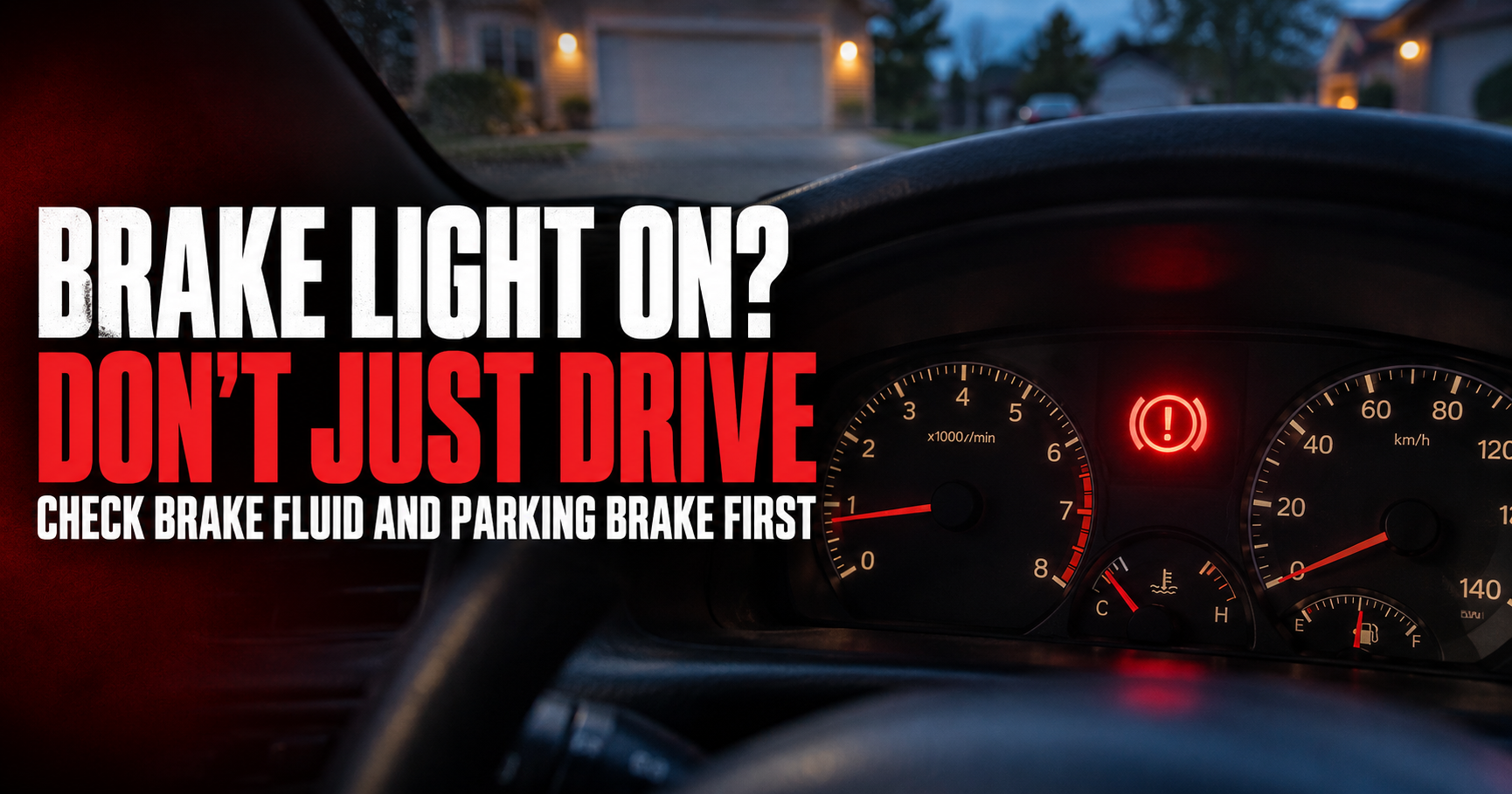
A different question arises when the same sensation happens during an easy stop on clean, dry pavement. ABS should not regularly surprise you during gentle braking toward your driveway or a stop sign. Tell the shop about that pattern, even if no warning light is on.
Why ABS Might Activate at the Wrong Time
The ABS system uses information about wheel rotation. If it receives an inaccurate wheel speed signal, it may respond as though a wheel is slowing more sharply than the others.
The cause could involve a sensor, its mounting area, wiring, a tone ring, or another part of the system. The exact arrangement depends on the vehicle. On some vehicles, rust or debris near a wheel speed sensor has been documented as a cause of unwanted ABS activation at very low speeds.
That does not mean cleaning a sensor is the fix for every car. A technician needs to inspect the vehicle and check the wheel speed data before deciding what needs repair.
Can This Happen With No ABS Warning Light?
Yes. A warning light is useful information, but its absence does not prove that every wheel speed signal is accurate during a stop.
An intermittent problem may appear only at low speed. The mechanic may need to reproduce the symptom and inspect live wheel speed readings rather than relying on whether a dashboard light stayed on.
When you book the appointment, say whether the ABS light appears, flashes briefly, or never comes on. Avoid telling the shop that the sensor is definitely bad based on the pedal sensation alone.
A Rotor Problem Can Also Make the Pedal Pulse
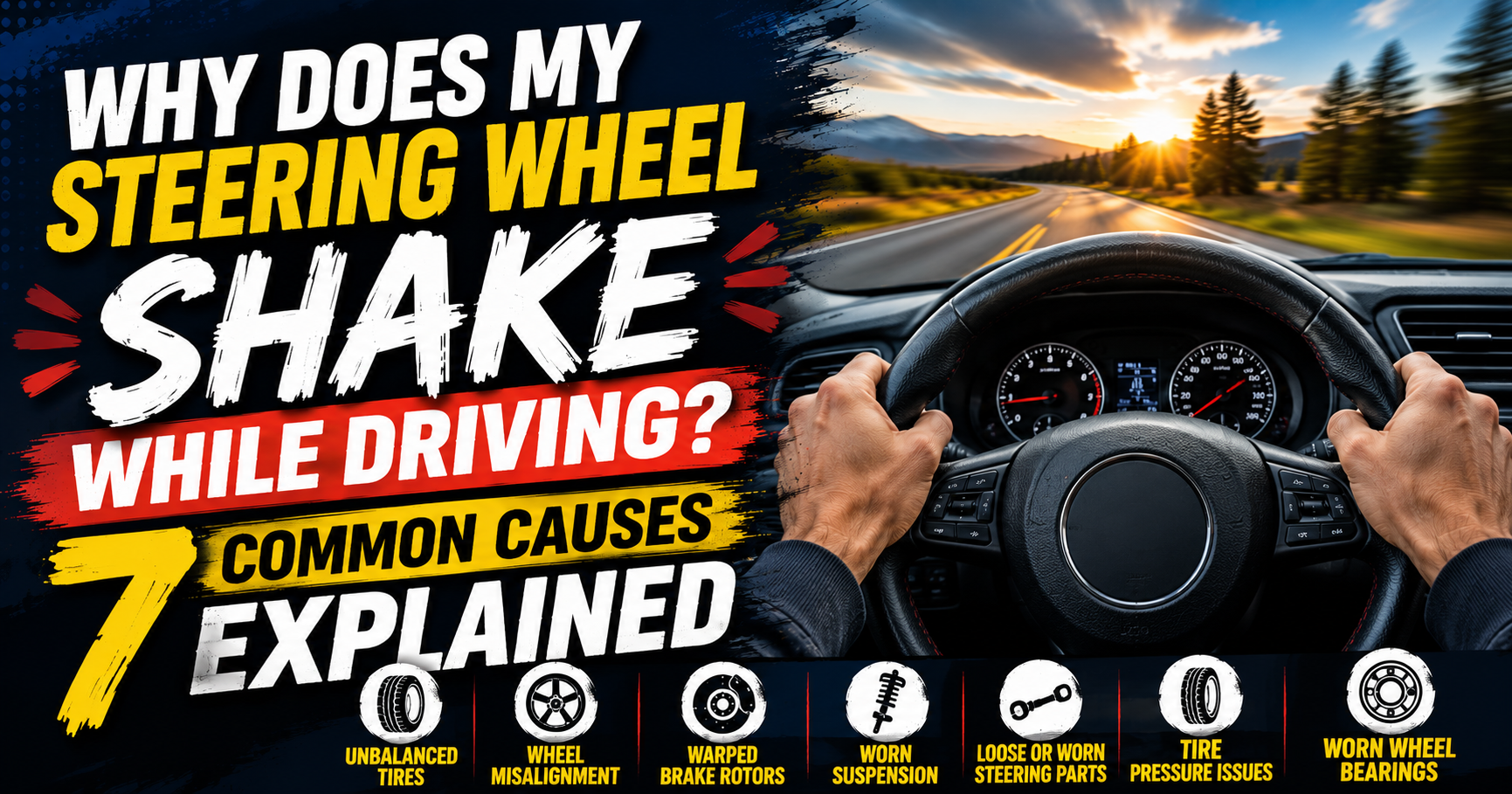
Brake pads grip rotating rotors as you slow down. If contact varies as a rotor turns, you may feel a repeating pulse through the pedal. A steering wheel shake or body vibration can happen along with it.
Rotor thickness variation, surface condition, and related brake problems need to be measured and inspected. “Warped rotors” is a common shorthand, but the sensation alone does not establish what happened to the rotor or whether replacement is necessary.
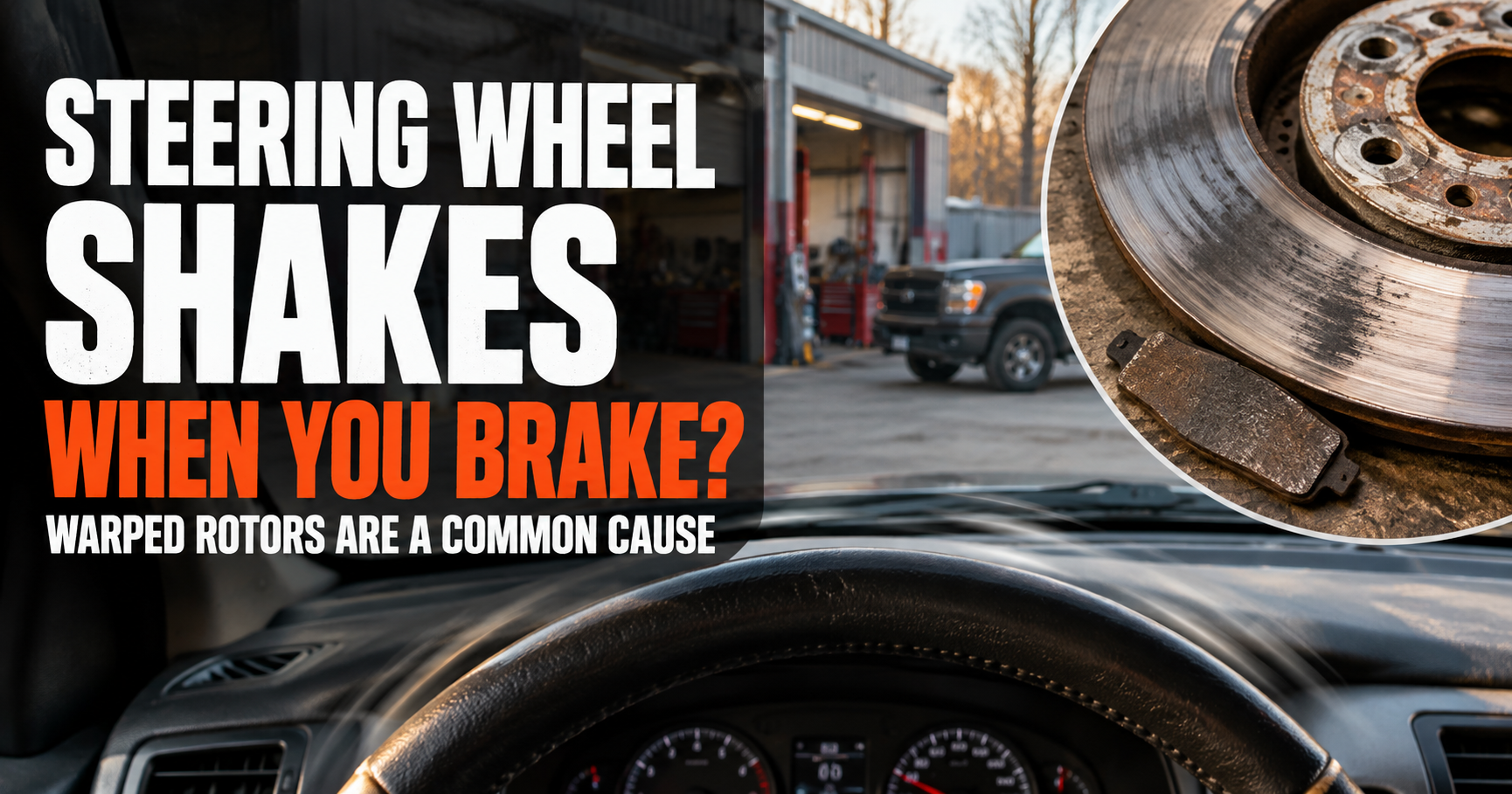
If the steering wheel also shakes during normal braking, our guide to why a steering wheel shakes when braking covers the other clues worth reporting. Let the shop know whether the wheel vibrates through the entire stop or only when the pedal kicks back near zero speed.
The Difference Between an ABS Kick and Brake Shudder
Think about the rhythm you feel under your foot.
ABS activity often feels like rapid, irregular kickback or chatter while the system actively changes pressure. Brake shudder often feels more like a repeating vibration linked to wheel rotation as the car slows.
You cannot prove the cause by feel alone, especially if you have never experienced normal ABS activation. The distinction helps you give the shop a useful description.

If the whole car shakes even when you are not braking, there may be a separate tire, wheel, or driving-speed issue. Our article on why a car shakes separates those situations.

What If It Happens Only on Gravel, Snow, or Wet Pavement?
Low-traction surfaces make ABS activation more likely, even at speeds that do not seem high. A tire can lose grip on gravel, ice, or a slick patch as you slow down.
Notice whether the pulse occurs only under those conditions or also on familiar, dry pavement during gentle stops. A pulse on a slick surface does not automatically mean something is broken. A recurring kickback on dry pavement deserves a closer look.
If the car is taking longer to stop on a slippery road, increase your following distance and drive for the conditions. Do not make a series of deliberate hard stops to see whether you can reproduce the pedal movement.
Could Tires Affect the Problem?
ABS responds to wheel behavior, and tires affect how each wheel grips the road. A tire that is badly worn, damaged, or significantly underinflated deserves attention whether or not it turns out to be the cause of the pedal pulse.
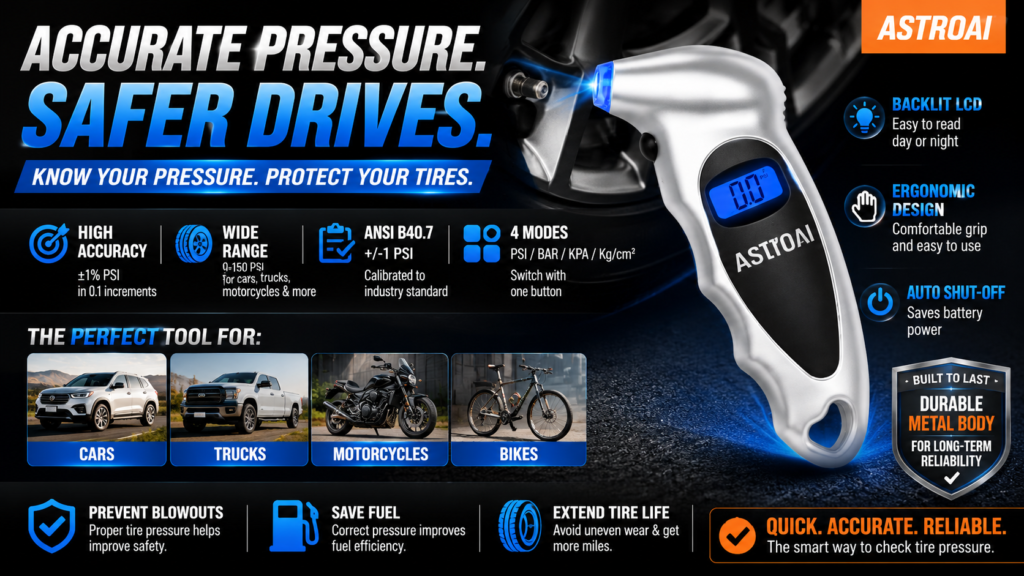
With the car parked, you can check for an obviously low tire and compare cold tire pressures against the vehicle’s door placard. Report uneven tire sizes or recent tire changes to the shop as well. A simple way to make that pressure check is with a tire pressure checker.
Tire condition is part of the inspection, but do not assume that adding air will fix a new ABS-like pedal kick on dry pavement.
What If It Started After a Wheel Bearing or Brake Repair?
Timing matters. If the symptom began immediately after work near a wheel, tell the shop what was replaced and bring the invoice.
Wheel speed sensing parts may be located in or around components that were serviced. A connector, sensor, or related part may need inspection. Recent brake work may also explain a new braking vibration for another reason.
The timeline helps the technician choose where to start. It does not, by itself, prove the previous repair was done incorrectly. Ask the shop to reproduce the low-speed pulse and explain what its checks show.
Does a Pulsing Pedal Mean the Brakes Are Failing?
A pulse by itself does not tell you whether the basic brakes are about to fail. Normal ABS operation can pulse the pedal. A rotor issue can pulse it. Unwanted ABS activation may also interfere with how the car slows during the final part of a stop.
Judge the whole situation. Has stopping distance changed? Does the car pull? Is the pedal also soft, sinking, or unusually hard? Are warning lights on?
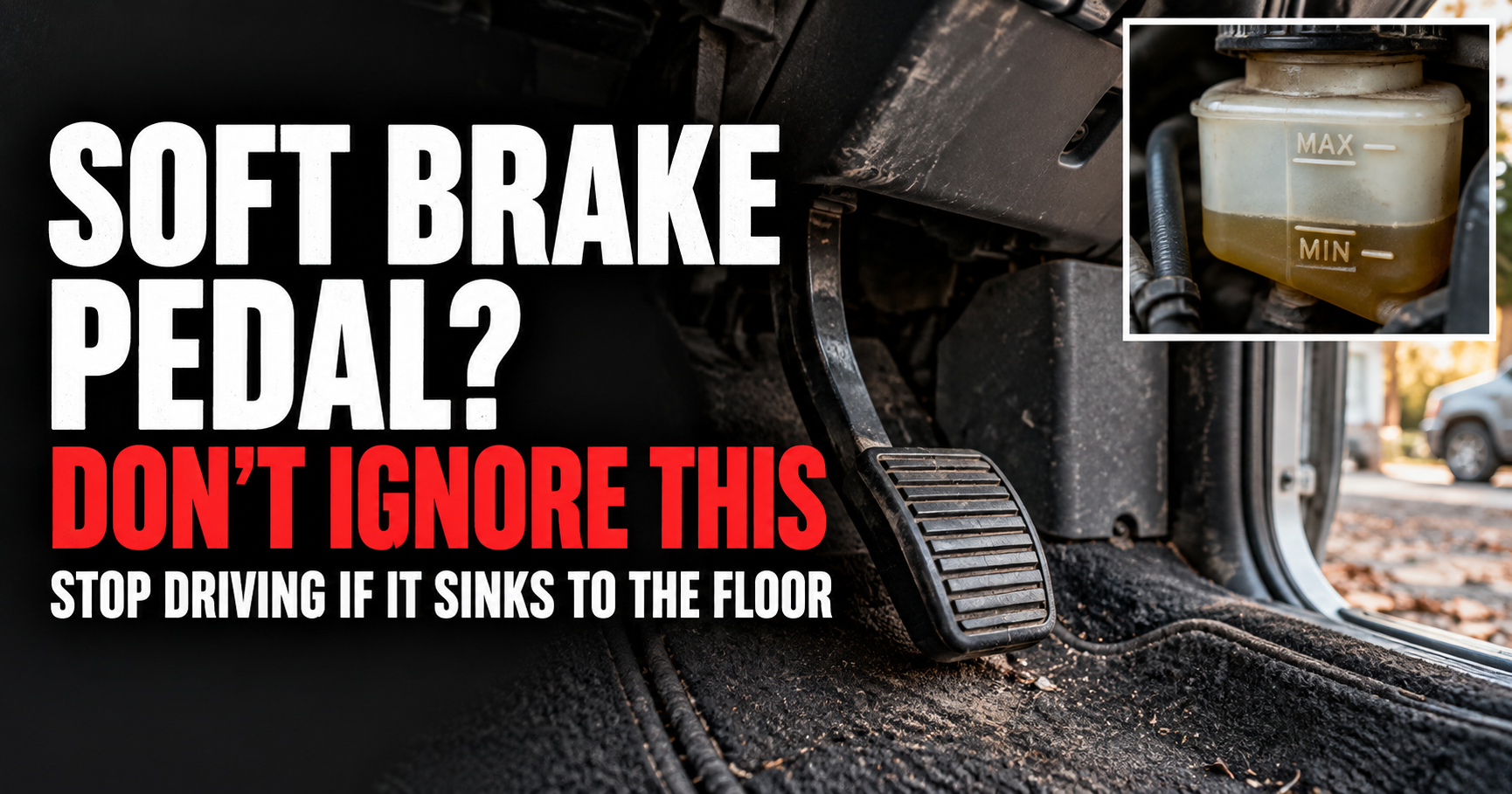
A soft brake pedal is a different symptom that calls for prompt attention. Tell the shop about both sensations if the pedal sometimes feels spongy and sometimes pulses.
What to Do Until the Car Is Inspected
If the pulse is new and keeps happening during ordinary stops, schedule a brake and ABS inspection promptly. Leave generous space ahead of you on any necessary drive and avoid assuming that the car will stop exactly as it used to.
If the car fails to slow normally, the pedal drops, a red brake warning appears, or it pulls sharply, stop safely and arrange a tow. Do not continue making trips to find out whether the symptom becomes more consistent.
If the pulse happened once during a hard stop on loose gravel and has not returned during normal braking, note the conditions. If you remain unsure whether that was normal ABS activity, describe it at your next service visit.
How a Shop Can Tell ABS Activation From Brake Rotor Pulsation
The difference matters because the repairs are completely different. A car with unwanted ABS activation may need work on a wheel speed signal or another ABS component. A car with mechanical brake pulsation may need attention to a rotor, caliper, or related brake part. Replacing rotors because the pedal pulses will not correct a faulty wheel speed reading.
A technician should begin by trying to reproduce the exact stop you described. If the pedal is smooth until the car slows to walking speed, then suddenly chatters, they can watch the wheel speed information while the vehicle slows. One wheel reading that drops out or behaves differently from the others may help point them toward a sensor, wiring, tone ring, or mounting issue. The reading has to be checked against what the car is actually doing. A stored trouble code may help, but the absence of a code does not settle the question.

If the pulse happens steadily through a wider range of speeds, the mechanical brakes need close inspection. A technician can check rotor condition and measurements, pad wear, caliper movement, and the way the rotor sits against the hub. A rotor can look acceptable through the wheel and still require measurement to evaluate a pulsation complaint. The inspection should also confirm proper wheel torque during brake work, since wheel installation can affect how the assembly sits against the hub.
This is also why the words you use at the shop matter. “The pedal kicks back rapidly only in the final few feet of a gentle stop” directs attention to a different pattern than “the pedal pulses evenly from 50 mph down to 20 mph.” Both are worth checking, but they should not automatically lead to the same estimate.
What If the Shop Says It Needs Rotors Without Checking ABS?
Ask how the technician distinguished mechanical pulsation from ABS activity. Did they reproduce the low-speed kick? Did the steering wheel shake too? Were the rotor measurements outside the vehicle’s specifications? Did they check wheel speed readings while the symptom occurred?
You are asking for the reason behind the repair, not demanding a particular test or part. If the shop has measurements or a clear observation that supports its diagnosis, it should be able to explain them in plain language.
The same principle applies if the estimate calls for a wheel speed sensor. Ask which wheel showed a problem and whether the wiring, sensor mounting area, and related components were inspected. A new sensor will not solve a problem caused elsewhere in its circuit.
Why the First Stop After Starting the Car Is Worth Mentioning
Some drivers feel a brief ABS-related sound or pedal sensation only once, shortly after setting off. Others experience the kickback on nearly every gentle stop. Those are different patterns.
Tell the shop if it happens only on the first stop after startup, only after the car has been driven for a while, or every time you slow below a certain speed. Note whether the ABS or traction control light appears before or after the sensation.
Do not assume a one-time event and a repeatable low-speed braking problem have the same cause. The vehicle’s owner’s manual can describe normal system behavior for your model, while a technician can check a new or changing symptom against the way that specific vehicle is supposed to operate.
Why I Would Avoid Guessing Based on Pedal Feel Alone
It is tempting to call every rapid pedal movement “ABS” and every steady vibration “rotors.” That can be a useful way to describe the sensation, but the two can be difficult to separate from behind the wheel. Road texture, tire grip, and how firmly you press the pedal can change what you feel.
The most useful thing you can do is record the conditions: approximate speed, road surface, weather, pedal pressure, any steering wheel movement, warning lights, and whether the car took longer to stop. That gives the technician a way to reproduce the symptom and confirm the cause before parts are ordered. If that observation includes the car moving to one side under braking, steering wheel movement explains what the pattern can mean and why the brakes, tires, and steering should be checked together.
What to Ask the Shop to Check
Begin with the symptom, not a request for rotors or a wheel speed sensor. You could say:
“The pedal rapidly kicks back just before the car stops, usually below about 5 mph. It happens during gentle braking on dry pavement. The steering wheel does not shake, and I haven’t seen an ABS light.”
Change that description to match your car. Include any warning lights, recent repairs, pulling, unusual noise, or change in stopping distance.
Ask whether the technician reproduced the symptom, checked the relevant ABS data, and inspected the mechanical brakes. If the estimate recommends a sensor, rotor, or other part, ask which finding supports that repair.
Questions About Low-Speed Brake Pulsing
Why does my brake pedal pulse only at the very end of a stop?
Unwanted ABS activation is one possibility when the pedal suddenly kicks back at walking speed, especially on dry pavement. Brake rotor or other mechanical issues can also cause pulsation. The timing helps guide an inspection but does not confirm the cause.
Is it normal for ABS to pulse at low speed?
ABS can activate at low speed if a wheel is losing traction, such as on ice or loose gravel. Repeated activation during gentle stops on dry pavement should be checked.
Can rotors cause a pulse only at low speed?
Rotor-related vibration can be noticeable at different speeds, but a low-speed pulse alone does not prove rotor damage. The shop should inspect and measure the brakes and consider ABS behavior before recommending rotors.
Why is there no ABS light?
An ABS-like symptom can sometimes occur without a warning light. Tell the technician when it happens so they can try to reproduce it and inspect the wheel speed information.
Should I replace a wheel speed sensor myself?
Do not replace one based only on a pedal pulse. The problem could be a sensor, its mounting surface, wiring, or a mechanical brake issue. A proper diagnosis can prevent buying a part that does not solve the problem.
By Dana Callahan, an automotive troubleshooting writer for Why Is My Car. Dana’s guides help drivers describe exactly when a symptom occurs, recognize changes in stopping performance, and ask informed questions before approving a repair.

