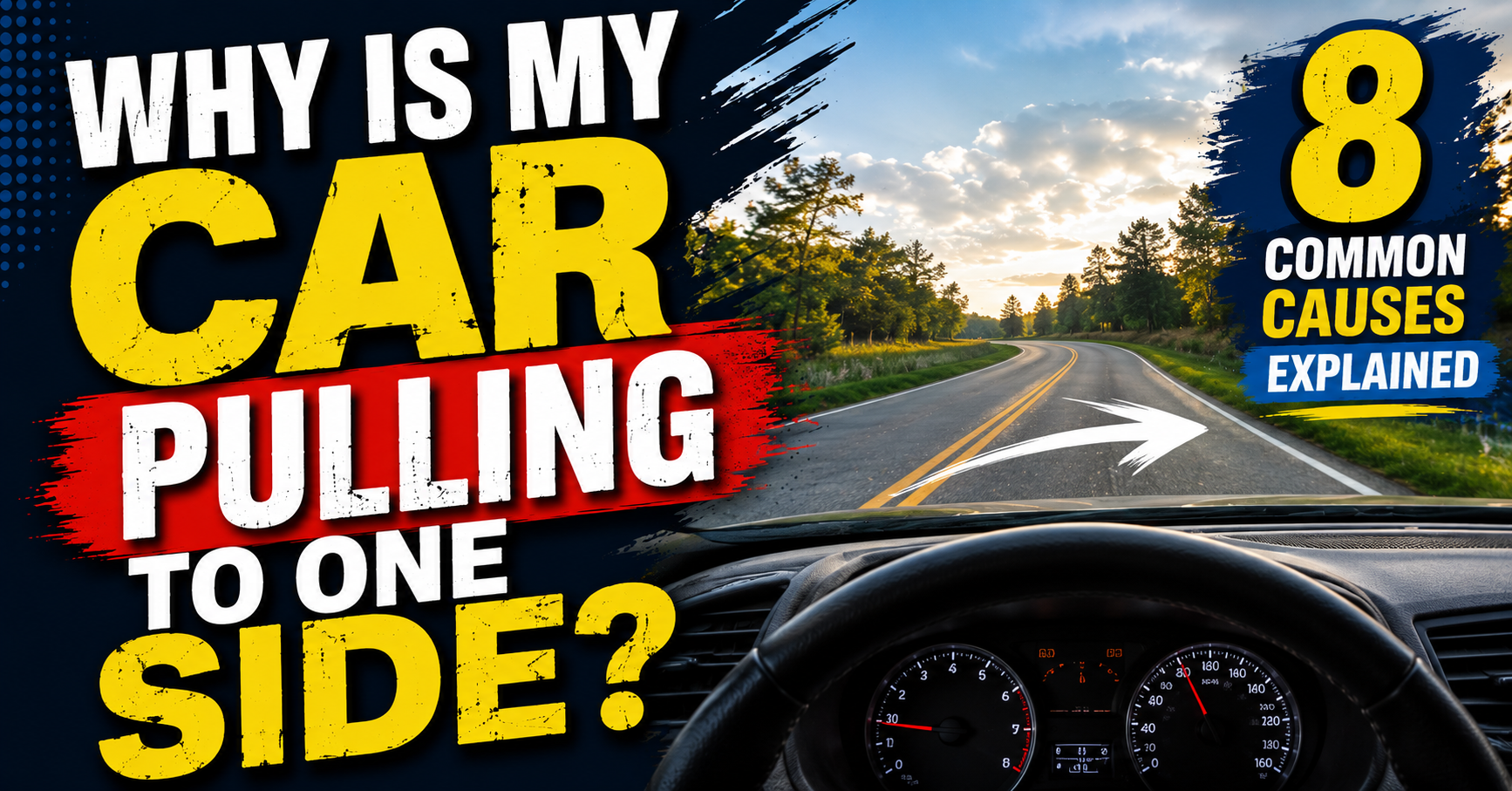
Few things are more frustrating than trying to drive straight while your car seems determined to head toward the shoulder of the road. Whether it slowly drifts to the left, pulls hard to the right, or only does it when you hit the brakes, it’s a problem you shouldn’t ignore.
Sometimes the cause is something simple like low tire pressure. Other times, it could point to worn suspension parts, brake problems, or an alignment that’s well overdue.
The good news is that many of the most common causes can be identified fairly quickly, and some are inexpensive to fix if you catch them early.
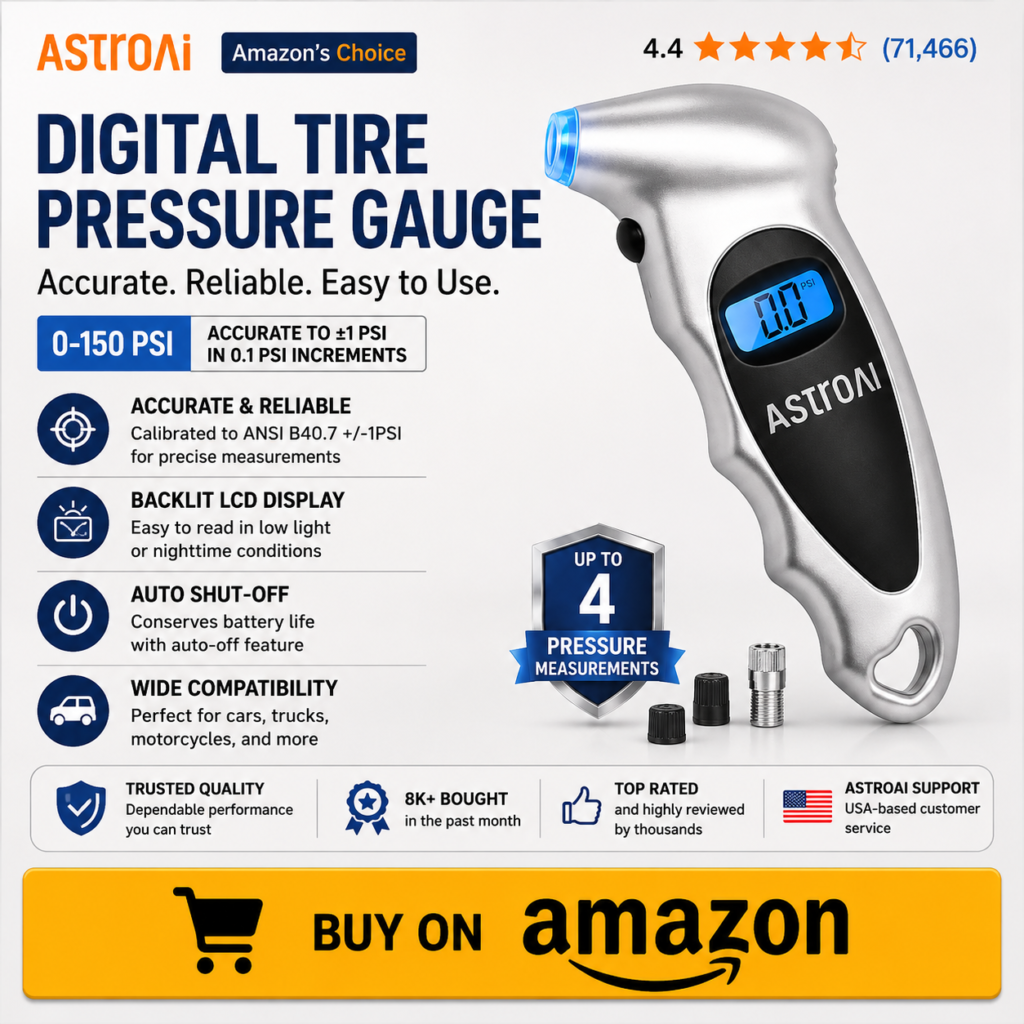
Before scheduling an alignment or replacing parts, start with the basics. One of the first things I recommend is checking the air pressure in all four tires. Even a tire that’s only a few pounds low can cause your vehicle to drift. This AstroAI Digital Tire Pressure Gauge is one of my favorite tools because it’s accurate, easy to read, and small enough to keep in the glove box. You can check today’s price here: https://amzn.to/3PkTs1P.
Why Does a Car Pull to One Side?
When your steering wheel is centered, your vehicle should naturally continue traveling in a straight line on a level road.
If it consistently pulls left or right without you turning the steering wheel, something is preventing both sides of the vehicle from working equally.
That could be as simple as uneven tire pressure or as complicated as damaged suspension components.
The important thing is figuring out the cause before it creates uneven tire wear or affects your ability to control the vehicle safely.
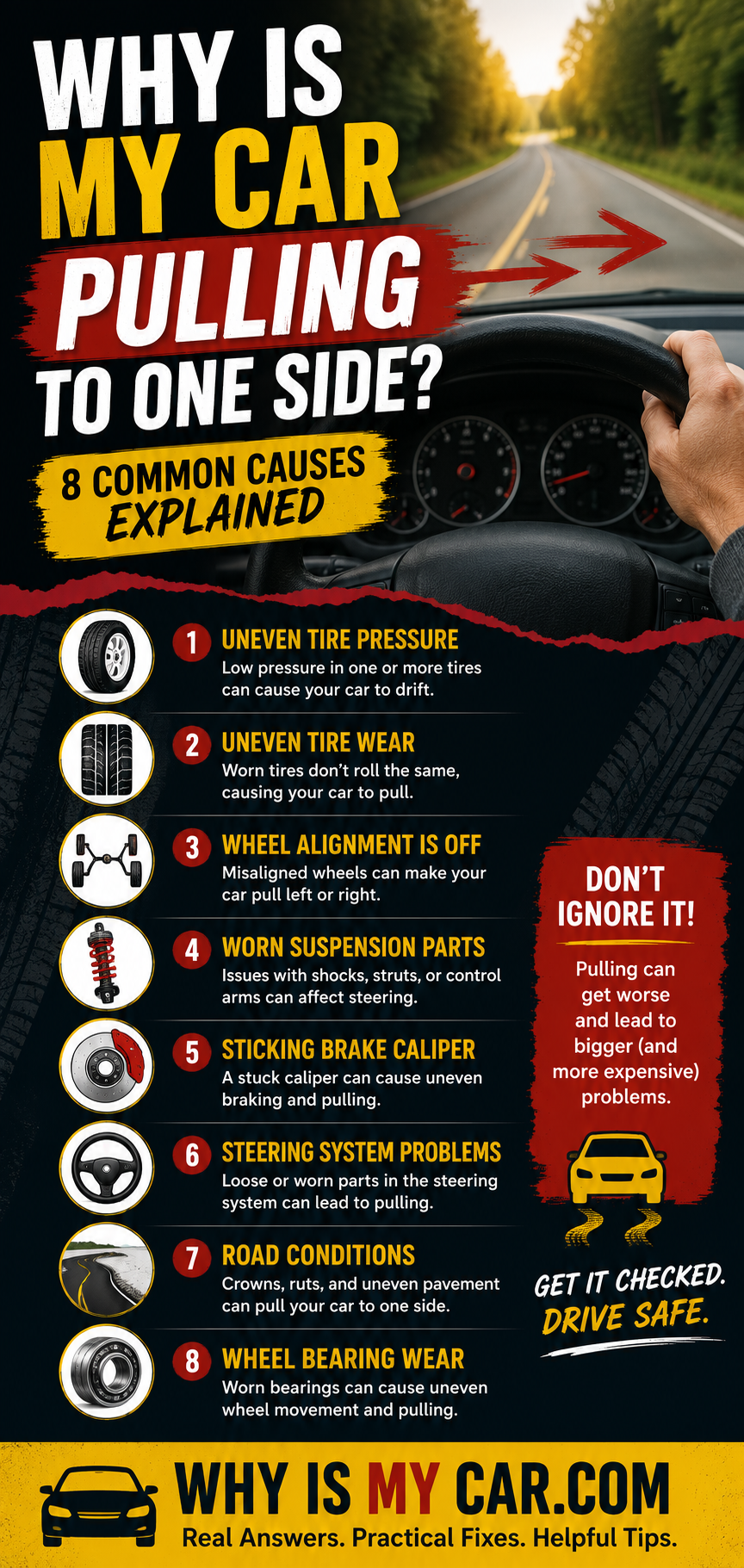
1. Low Tire Pressure
This is by far one of the most common reasons a car starts pulling.
If one front tire has noticeably less air than the other, it creates more rolling resistance. That extra resistance causes the vehicle to drift toward the side with the lower tire pressure.
The fix is simple.
Check all four tires while they’re cold and inflate them to the pressure listed on the sticker inside your driver’s door, not the maximum pressure printed on the tire itself.
If one tire is low, don’t just add air and forget about it. Keep an eye on it over the next few days. A tire that continues losing pressure could have a nail, a leaking valve stem, or damage to the wheel.

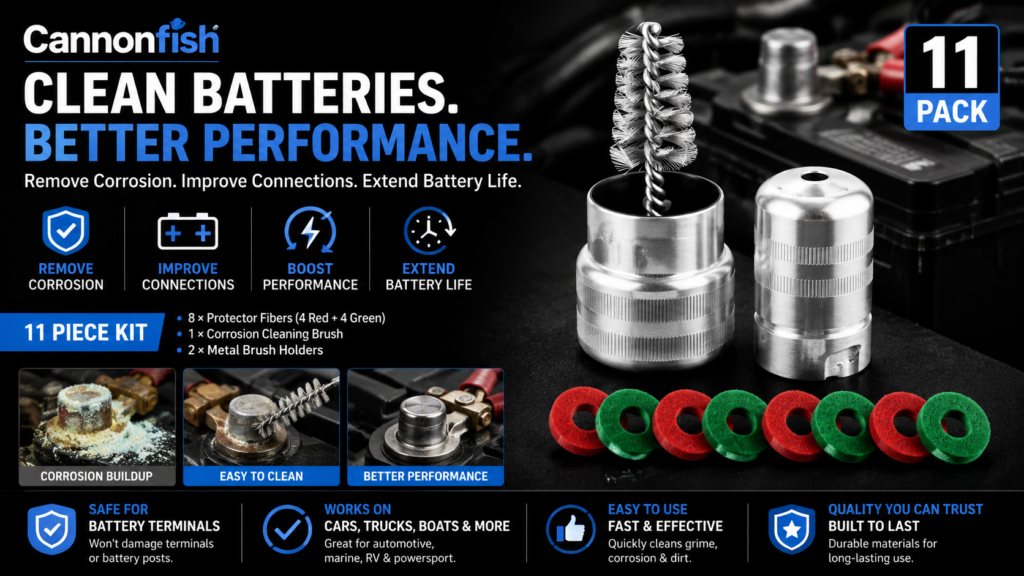
If your tires need air, a portable inflator makes the job much easier at home or on the road. I recently reviewed an excellent cordless portable tire inflator that’s perfect for keeping in your trunk for exactly these situations.
2. Your Wheel Alignment Is Off
If your tire pressures are correct but the car still pulls to one side, the next thing I’d suspect is the alignment.
Every time you hit a pothole, bump a curb, or drive over rough roads, the suspension can shift slightly out of specification.
When the alignment changes, the tires no longer point in exactly the same direction.
Common signs of a bad alignment include:
- The steering wheel isn’t centered while driving straight.
- Uneven tire wear.
- The vehicle drifts without steering input.
- The steering wheel feels slightly crooked.
- You constantly need to make small steering corrections.
Ignoring an alignment problem usually means replacing tires much sooner than necessary.
3. Uneven Tire Wear
Even if your alignment is correct today, tires that have worn unevenly can still cause pulling.
Run your hand across the tread on both front tires.
If one tire feels noticeably more worn than the other or has uneven tread blocks, it may no longer roll the same way as the opposite tire.
Rotating or replacing the affected tire often solves the problem.
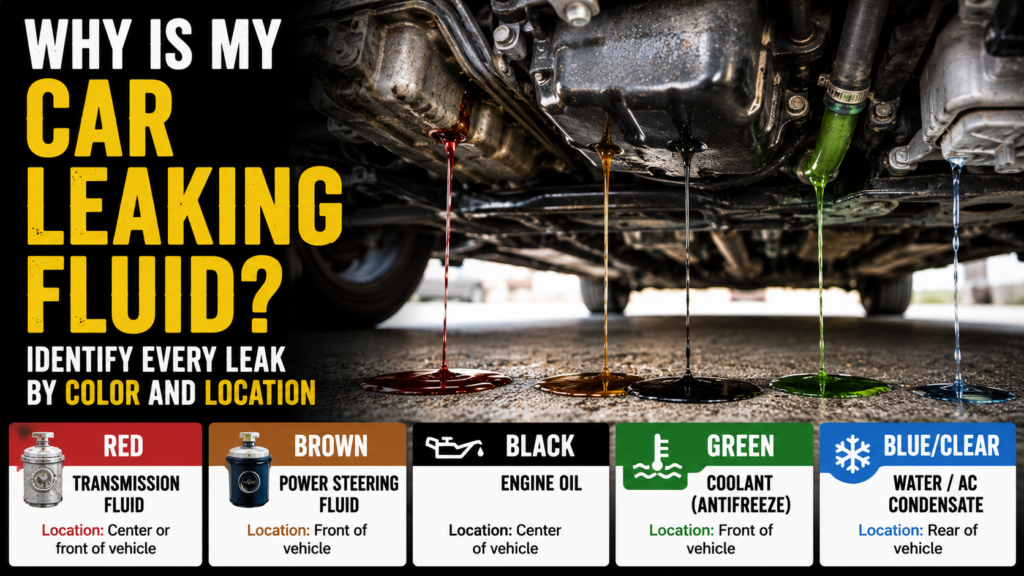
4. A Brake Caliper Is Sticking
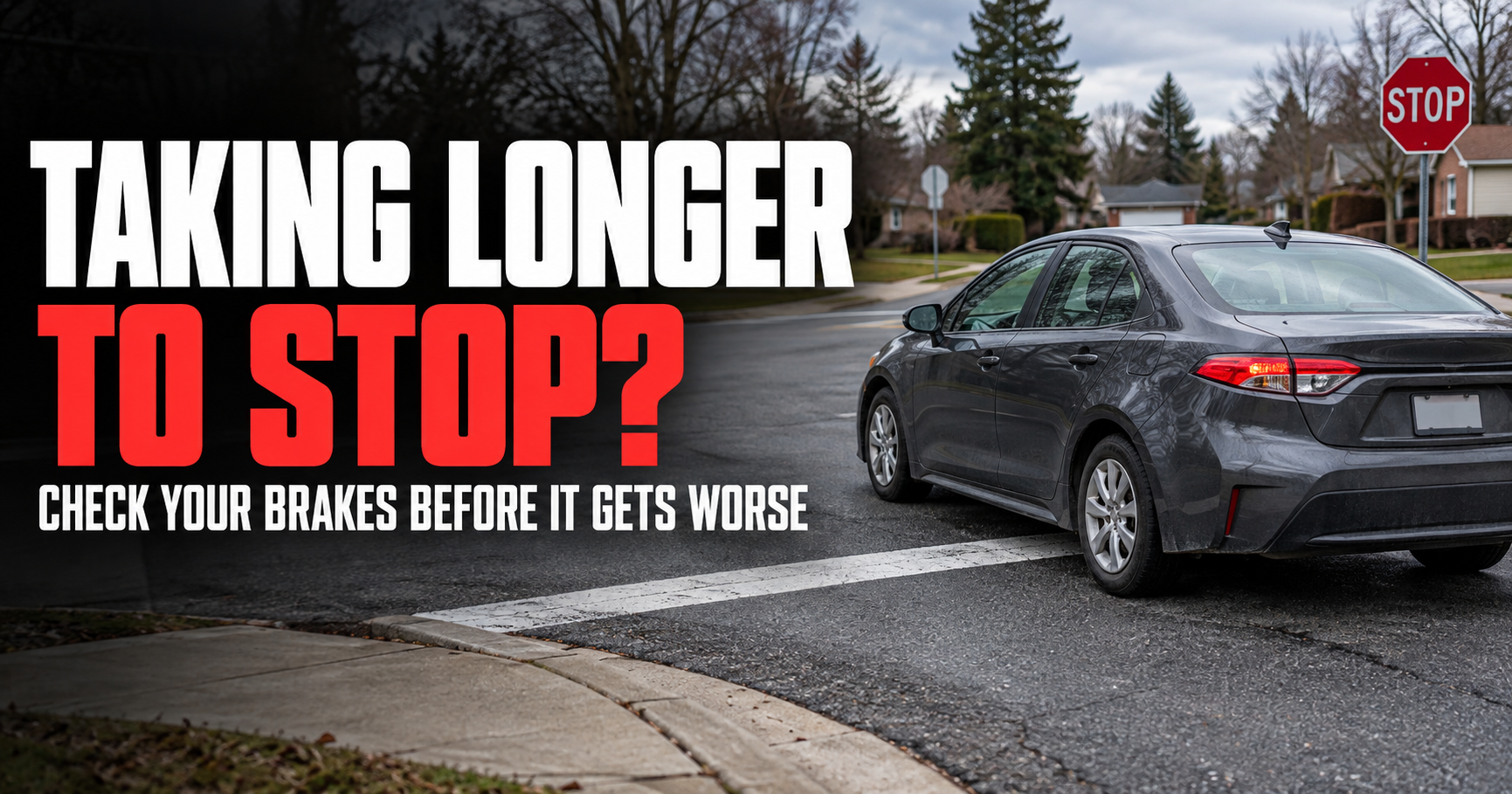
If your vehicle only pulls while braking, a sticking brake caliper should move near the top of your suspect list.
When one brake applies more force than the other, the vehicle naturally pulls toward that side.
You may also notice:
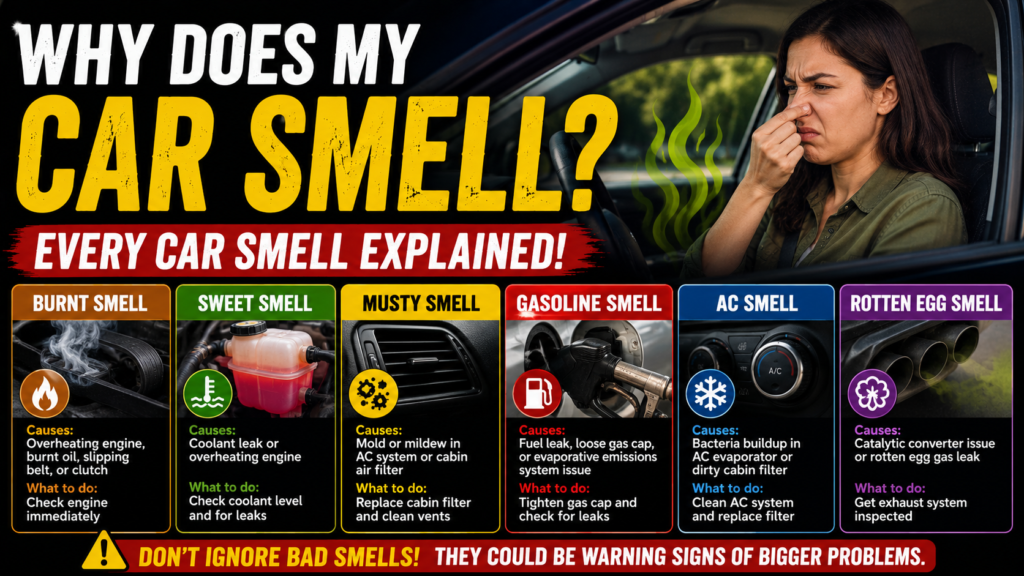
- A burning smell after driving.
- One wheel much hotter than the others.
- Uneven brake pad wear.
- Reduced fuel economy.
- Your car making noise while braking.
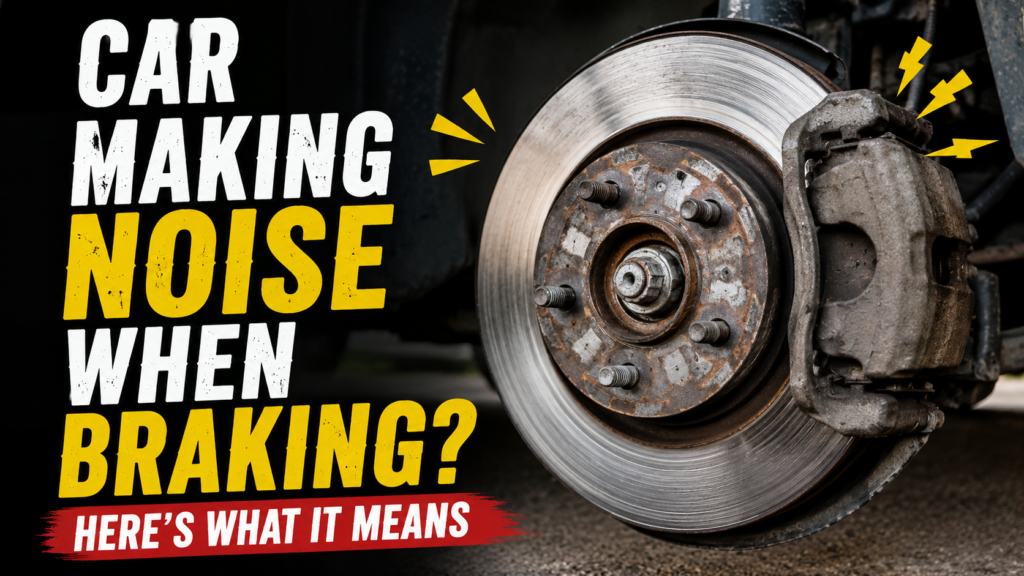
If you’ve also started hearing squealing or grinding, it’s worth reading my guide explaining what different brake noises usually mean because those sounds often point to the underlying problem before it becomes more serious.
5. Worn Tie Rod Ends
Your tie rods connect the steering system to the front wheels, allowing you to steer accurately while keeping the wheels pointed where they should be.
As tie rod ends wear out, they can develop excessive play. That looseness makes it harder for the front wheels to stay properly aligned, causing the vehicle to wander or pull to one side.
Besides pulling, you may also notice:
- Loose or wandering steering.
- A steering wheel that doesn’t feel as responsive.
- Clunking noises when driving over bumps.
- Uneven tire wear.
- A steering wheel that’s no longer centered.
Because worn tie rods directly affect steering, they should be inspected and repaired as soon as possible.
6. Suspension Components Are Worn
Your suspension does much more than provide a comfortable ride.
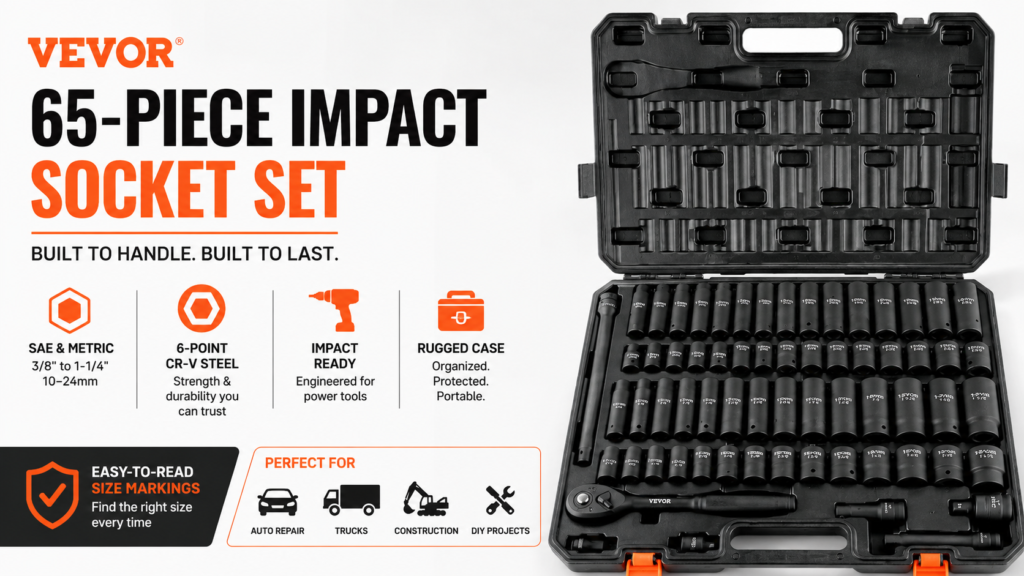
Parts like ball joints, control arm bushings, and struts help keep your wheels positioned correctly. As these components wear, your vehicle’s alignment can change while you’re driving. For drivers handling the inspection or repair at home, sockets for suspension repairs covers many of the sizes used on suspension hardware.
Unlike a simple alignment issue, worn suspension parts often continue causing problems until the damaged components are replaced.
Other signs of suspension problems include:
- Clunking over bumps.
- Excessive bouncing.
- Uneven tire wear.
- Steering that feels unstable.
- A vehicle that leans excessively while turning.
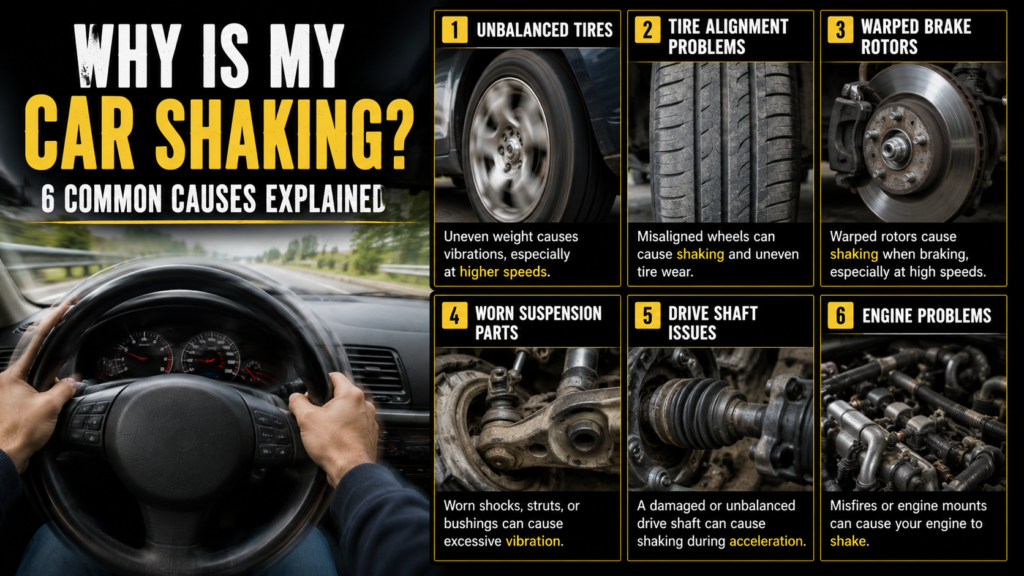
If you’ve also noticed your vehicle vibrating, you may want to read my guide on the most common reasons a car starts shaking while driving. Suspension problems are one issue that can sometimes cause both symptoms.
7. A Wheel Bearing Is Beginning to Fail
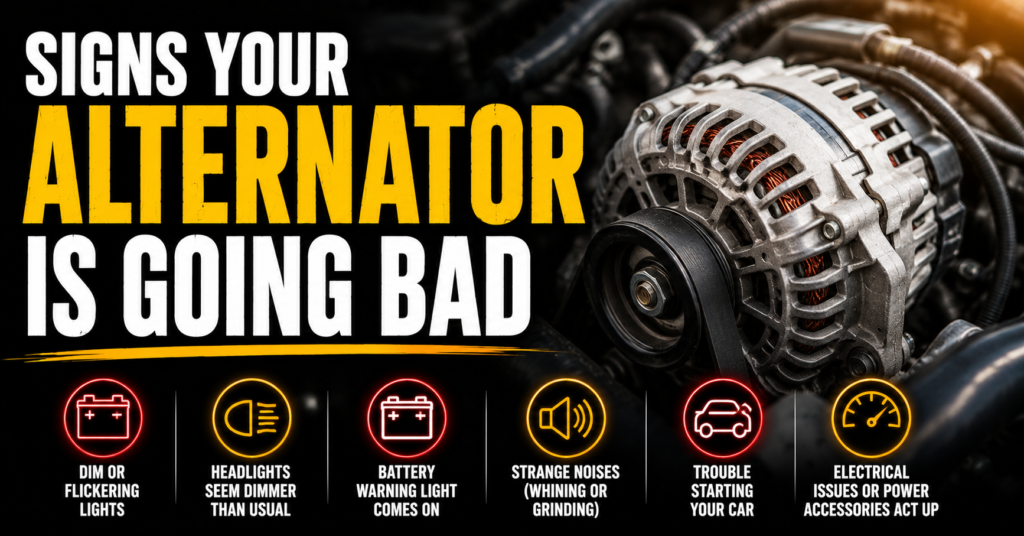
Although wheel bearings don’t always cause a vehicle to pull, they can contribute to steering problems as they wear.
More commonly, a failing wheel bearing produces a humming, growling, or rumbling noise that changes with vehicle speed.
In advanced cases, excessive bearing wear can allow the wheel to develop slight movement, affecting how the vehicle tracks down the road.
If you hear a constant humming noise that gets louder as you drive faster, it’s worth having the bearings inspected.
8. Tire Damage or Internal Tire Failure
Not every tire problem is visible from the outside.
A tire can develop internal belt separation or structural damage after hitting a pothole, striking a curb, or simply because of age.
Even if the tire still holds air, internal damage can cause the vehicle to pull consistently toward one side.
Inspect each tire carefully for:
- Bulges in the sidewall.
- Uneven tread wear.
- Cuts or impact damage.
- Objects embedded in the tread.
- Irregular wear patterns.
If you suspect tire damage, replacing the affected tire is usually the safest option.
Could It Just Be the Road?
Sometimes, yes.
Many roads are intentionally built with a slight slope from the center toward the edges. This design, called the road crown, helps rainwater drain off the pavement.
Because of that slope, it’s normal for many vehicles to drift slightly toward the right side of the road if you completely relax your grip on the steering wheel.
A true pulling problem usually has these characteristics:
- The vehicle consistently pulls in the same direction on different roads.
- You constantly need to correct the steering.
- The pull is strong enough to notice almost immediately.
- The steering wheel isn’t centered while driving straight.
Testing your vehicle on several different roads can help determine whether you’re dealing with road crown or an actual mechanical problem.
Is It Safe to Drive if My Car Pulls to One Side?
That depends on what’s causing it.
If the issue is simply one tire that’s slightly low on air, inflating it to the correct pressure may solve the problem.
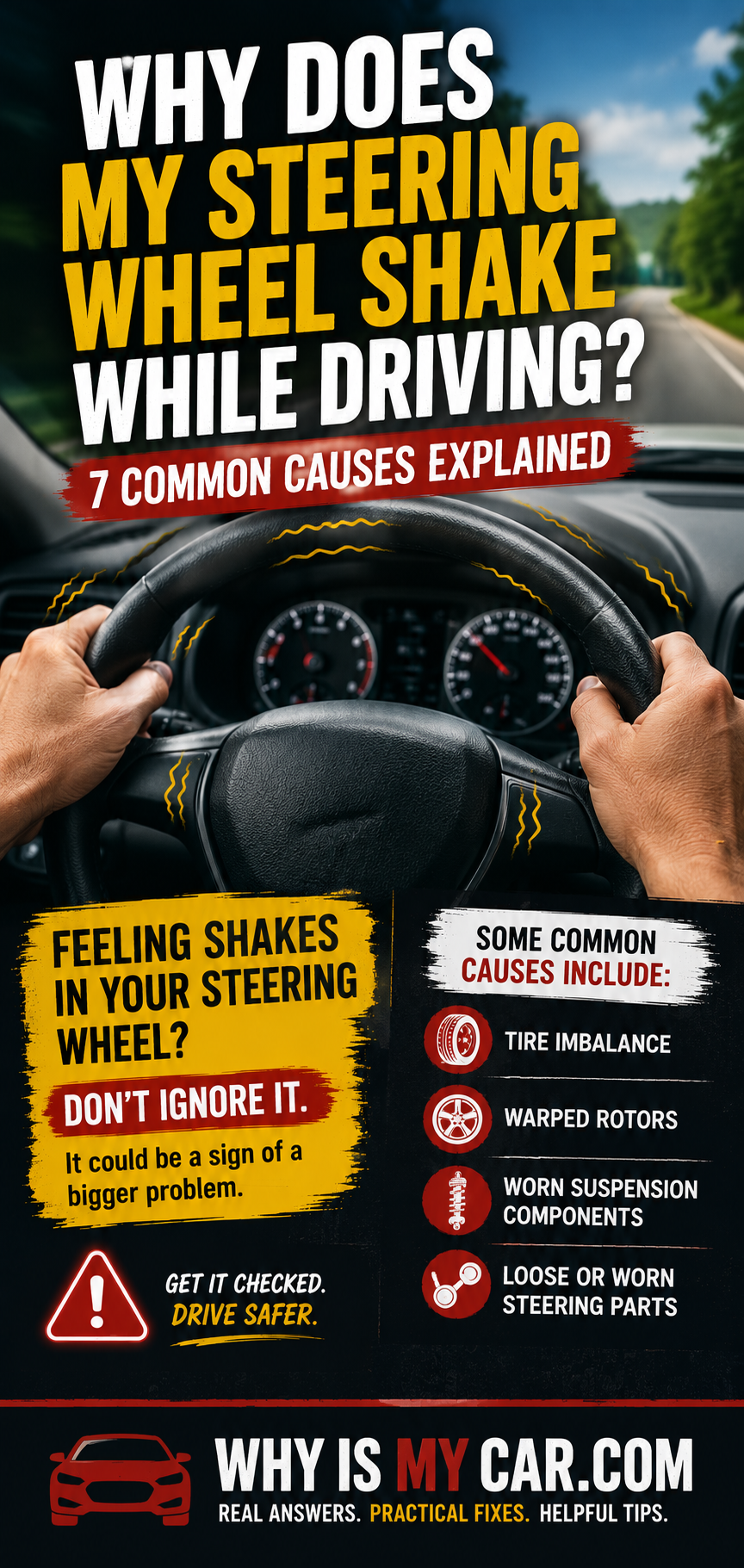
However, if the pull is severe, suddenly appeared, or is accompanied by unusual noises, vibration, or poor braking performance, I wouldn’t ignore it. When a pulling problem also includes vibration in the steering wheel, the underlying wheel, brake, or suspension issue deserves closer attention.
Driving with worn steering or suspension components can reduce your ability to control the vehicle, especially during emergency maneuvers.
Likewise, if the pull only happens while braking, have the braking system inspected before continuing to drive long distances.
How to Diagnose the Problem at Home
Before scheduling a repair appointment, there are a few things you can check yourself.
Start by measuring the air pressure in all four tires. A reliable pressure gauge makes this first check easier to perform accurately: a reliable pressure gauge.
Next, inspect the tires for uneven wear, bulges, nails, or obvious damage.
Then take the vehicle for a short drive on a flat, lightly traveled road and pay attention to exactly when the pulling occurs.
Ask yourself:
- Does it pull all the time?
- Only while braking?
- Only during acceleration?
- Does the steering wheel sit crooked?
- Has the problem become worse over time?
Answering these questions can make diagnosing the problem much easier.
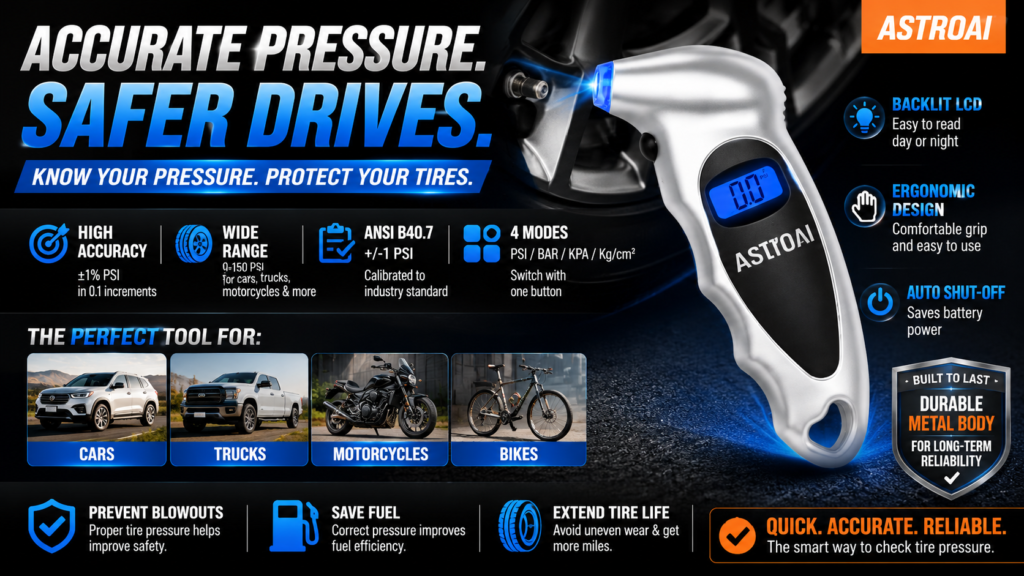
I also recommend keeping a quality digital tire gauge in every vehicle. It’s one of the simplest tools you can own, yet it helps prevent poor handling, uneven tire wear, and reduced fuel economy. If you don’t already have one, you can see why I recommend the AstroAI Digital Tire Pressure Gauge in my full review: AstroAI Digital Tire Pressure Gauge Review: Most Accurate at This Price.
How Much Does It Cost to Fix a Car That Pulls to One Side?
The repair cost depends entirely on what’s causing the problem.
If one of your tires is simply low on air, the fix may cost nothing more than a few minutes of your time.
An alignment is usually one of the more affordable repairs and is often all that’s needed after hitting a pothole or replacing suspension components.
On the other hand, worn steering or suspension parts, damaged tires, or brake problems can increase the repair cost depending on which components need to be replaced.
The important thing is finding the problem early. Continuing to drive a vehicle that’s pulling to one side can cause uneven tire wear and place additional stress on other suspension and steering components, leading to even more expensive repairs down the road.
Can Pulling Damage Your Tires?
Yes.
When your vehicle constantly pulls to one side, your tires no longer contact the road evenly.
Over time, this can create uneven tread wear, shorten tire life, reduce traction in wet weather, and even increase your stopping distance.
Replacing a set of tires is far more expensive than correcting a simple alignment or replacing a worn steering component.
What Happens If You Ignore the Problem?
Many drivers simply get used to holding the steering wheel slightly off-center and continue driving for months.
Unfortunately, the underlying problem usually doesn’t improve.
Instead, you may notice:
- Tire wear becomes much worse.
- Steering becomes less predictable.
- Fuel economy decreases slightly.
- Additional suspension parts begin wearing out.
- The vehicle becomes more difficult to control during emergency maneuvers.
Catching the issue early almost always saves money.
Frequently Asked Questions
Why does my car pull to one side after getting new tires?
New tires don’t automatically cause pulling, but they can reveal an alignment problem that already existed.
It’s also possible for one tire to have a manufacturing variation that causes a slight pull, although this is much less common.
If the problem started immediately after new tires were installed, return to the shop and have them inspect the alignment and verify the tire installation.
Why does my car pull only when I accelerate?
A vehicle that only pulls during acceleration can sometimes point to suspension problems, worn engine mounts, torque steer in front-wheel-drive vehicles, or other drivetrain issues.
If the pull is noticeable every time you accelerate, it’s worth having the suspension and steering system inspected.
Why does my car pull only while braking?
If the vehicle tracks straight until you press the brake pedal, a sticking brake caliper, uneven brake pad wear, contaminated brake components, or a brake hydraulic issue may be responsible.
Ignoring brake problems isn’t something I’d recommend because your ability to stop safely could eventually be affected.
Can bad tires cause a car to pull?
Absolutely.
Uneven tread wear, internal belt separation, incorrect tire pressure, or mismatched tires can all cause a vehicle to drift to one side.
That’s why checking the tires should always be one of the first steps when diagnosing this problem.
Can a bad wheel bearing cause pulling?
Sometimes.
While a failing wheel bearing is more likely to create a humming or growling noise, severe bearing wear can eventually affect how the wheel tracks down the road.
My Recommendation
If your car has suddenly started pulling left or right, don’t automatically assume you need an expensive repair.
Start with the basics.
Check the tire pressure, inspect the tires for obvious damage, and pay attention to when the pulling occurs. Those simple observations often point you in the right direction before you spend money replacing parts you don’t actually need.
If your tires are low, getting them back to the proper pressure is one of the quickest and least expensive fixes you can make. I always recommend keeping both a reliable tire pressure gauge and a portable inflator in your vehicle. If you haven’t picked one up yet, take a look at my review of the Airmoto portable tire inflator. It’s one of those tools you hope you never need, but you’ll be glad to have it when you do.
You should also make it a habit to check your tire pressure regularly with a quality digital tire gauge. Proper tire pressure not only helps prevent pulling but also improves tire life, fuel economy, and overall handling.
About the Author
Logan Pierce is an automotive writer and lifelong DIY car enthusiast who enjoys helping drivers understand common vehicle problems in plain English. He researches repair procedures, diagnostic techniques, and automotive tools to create practical guides that help readers identify problems early, avoid unnecessary repairs, and make confident decisions about maintaining their vehicles.