
The alternator is the part of your car that most drivers never think about until it fails — and when it does, it takes everything with it. Dimming lights, a dead battery, a car that stalls out of nowhere. The alternator powers every electrical system in your vehicle while the engine runs and keeps the battery charged at the same time. When it starts failing, the symptoms creep up gradually before everything shuts down at once.
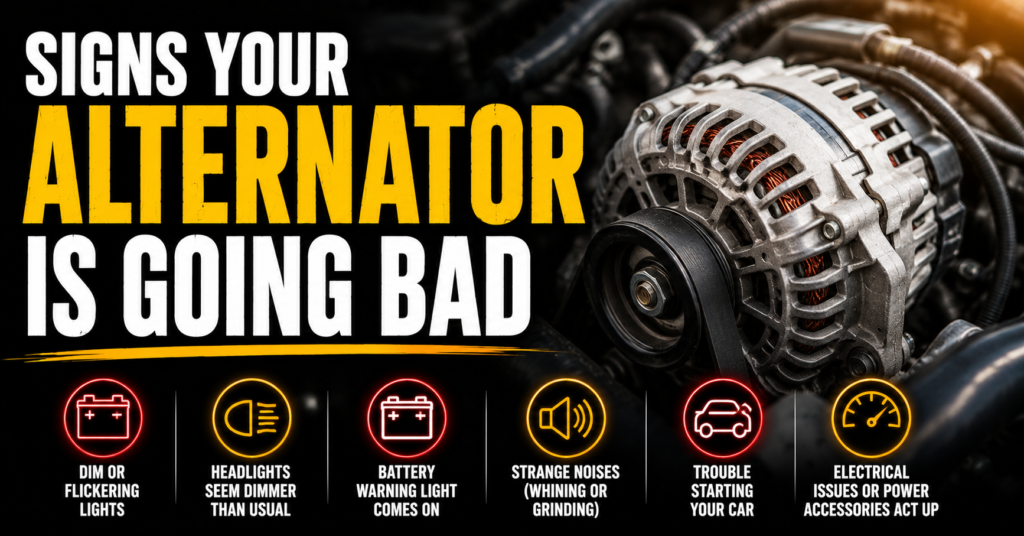
The good news is a failing alternator gives you plenty of warning. Know what to look for and you can catch it before it leaves you stranded.
Quick Answer: The most common signs of a failing alternator are dimming headlights, a battery warning light, electrical accessories acting erratically, a whining or grinding noise from the engine, and a battery that keeps dying despite being new. Test charging voltage at the battery with the engine running — it should read 13.7–14.7 volts. Below 13.5V means the alternator isn’t keeping up.
What the Alternator Actually Does
Before symptoms make sense, it helps to understand what the alternator is doing. The alternator is a generator driven by the serpentine belt — it converts mechanical energy from the engine into electrical energy that powers your car’s systems and recharges the battery simultaneously.
Every electrical load in your vehicle — headlights, A/C compressor clutch, infotainment system, heated seats, power windows — draws current from the alternator while the engine runs. The alternator has to supply all of that demand plus push enough extra current into the battery to keep it fully charged. A healthy alternator handles all of it easily. A failing one starts falling behind — and you feel that shortfall through your car’s electrical behavior.


Dimming or Flickering Headlights
This is the most visible alternator symptom and often the first one drivers notice. Headlights that dim at idle and brighten when you rev the engine are a classic sign of an undercharging alternator — the system doesn’t have enough electrical output at low RPM to power everything properly, and the lights dim as voltage sags.
Flickering — lights that pulse or vary in brightness while driving — indicates an alternator that’s producing inconsistent output. Worn brushes inside the alternator, a failing voltage regulator, or damaged windings can all produce this kind of erratic output.
Interior lights that seem dimmer than usual, a radio that cuts out momentarily, or a dashboard that flickers are all variations of the same symptom — insufficient alternator output causing voltage to sag under electrical load.
Battery Warning Light
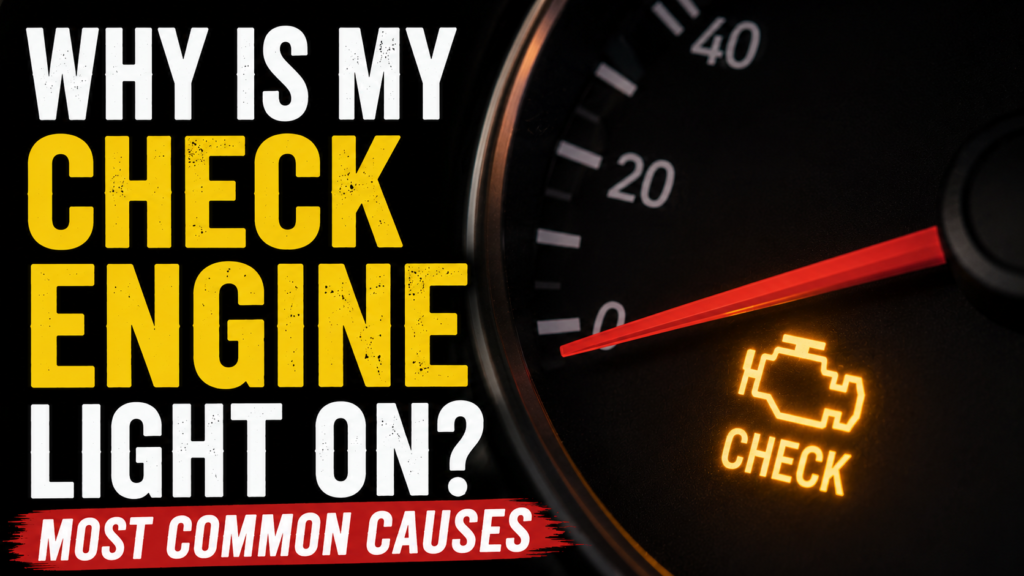
The battery-shaped warning light on your dashboard doesn’t specifically mean the battery is bad — it means there’s a problem with the charging system, which includes the alternator, the battery, and the wiring between them. The light triggers when system voltage falls outside the expected range.
An undercharging alternator causes system voltage to drop below normal, triggering this light. An overcharging alternator causes voltage to spike above normal, also triggering it. Either way, the light is telling you to test the charging system before the battery gets too depleted to start the car.
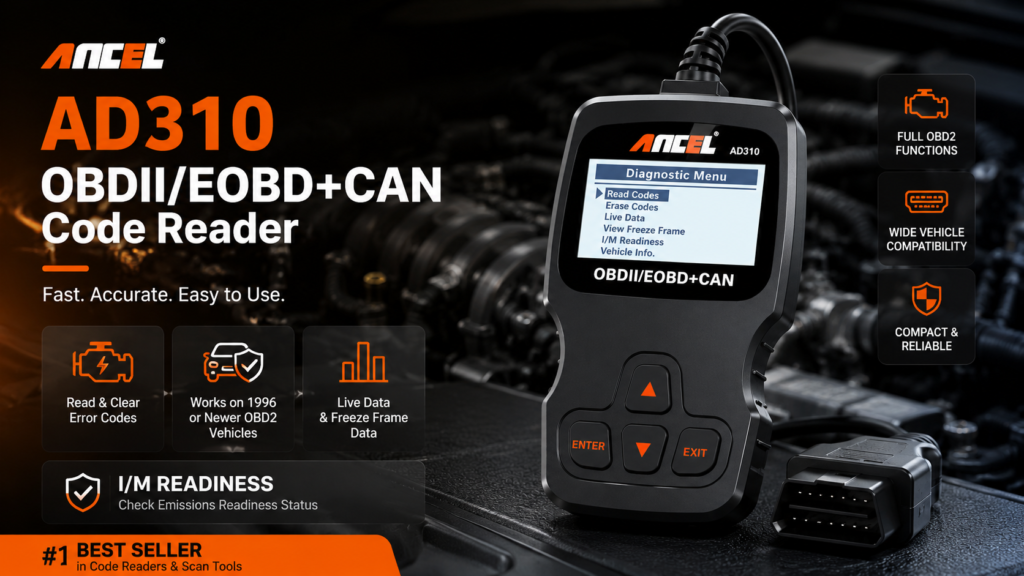
Use an OBD2 scanner to check for charging system codes when this light appears — codes like P0562 (system voltage low) or P0563 (system voltage high) point directly at the charging system and help confirm whether the alternator or another component is the source.
Battery That Keeps Dying
If you’ve replaced your battery and it keeps dying, the alternator is the first thing to suspect. A new battery that keeps going dead isn’t a defective battery — it’s a battery that’s never getting properly recharged because the alternator isn’t doing its job.
The alternator is supposed to recharge the battery continuously while the engine runs. An undercharging alternator sends the battery into each key-off period partially depleted. Over days and weeks the battery never fully recovers and eventually can’t start the car. This cycle looks exactly like a parasitic draw from the outside — but the battery tests fine and there’s no excessive current draw when the car is off. The problem is what’s happening when the car is on.
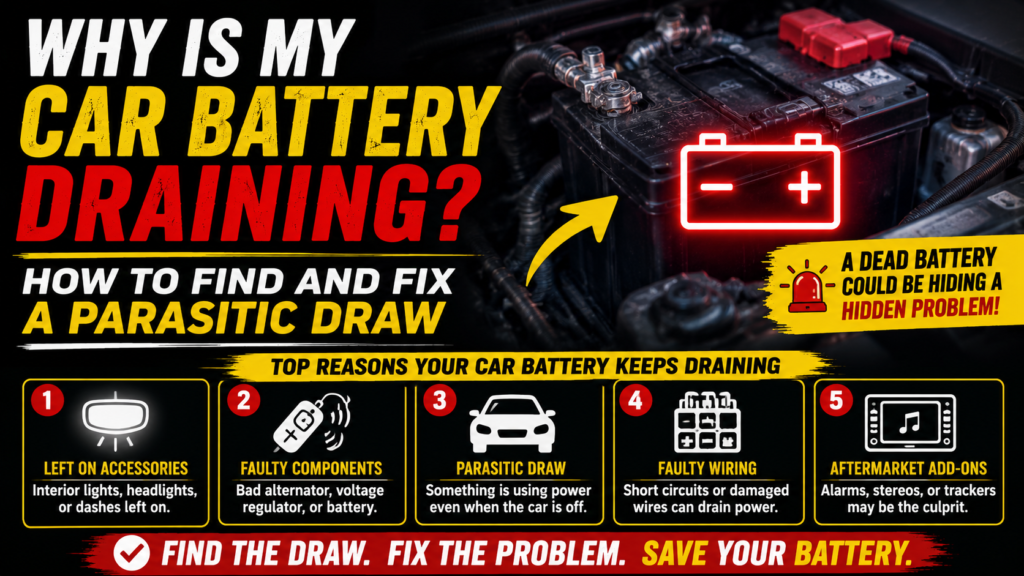
See our full guide on why car batteries keep draining to work through the complete diagnosis — alternator testing is a critical step in that process.
Electrical Accessories Acting Erratically
Modern vehicles are full of electronics that are sensitive to voltage fluctuations. When the alternator starts failing and voltage becomes unstable, you start seeing strange behavior across multiple systems simultaneously.
Power windows that move slower than usual. The radio resetting itself. The infotainment system rebooting randomly. Climate control behaving erratically. Heated seats that cycle on and off. TPMS warnings appearing without a tire pressure change. These seemingly unrelated glitches are often connected by one common thread — the electrical system isn’t getting stable, adequate voltage.
If multiple electrical systems start misbehaving around the same time and you can’t find an obvious cause for any individual one, test charging voltage before chasing individual component failures. A failing alternator is a much simpler explanation than multiple simultaneous component failures across unrelated systems.
Whining, Grinding, or Squealing Noise
Alternator bearing failure produces a distinctive whining or grinding noise that changes with engine speed — getting higher in pitch as RPM increases. It’s coming from under the hood, roughly from the area of the alternator, and it’s distinct from the squealing a slipping belt makes.
A squealing noise specifically — high-pitched, often worse when electrical load increases like when you turn on the A/C or headlights — often indicates the serpentine belt is slipping on the alternator pulley. A belt that can’t grip the pulley properly can’t drive the alternator at full efficiency, reducing output and potentially causing undercharging symptoms.
A grinding noise from the alternator is more serious — it usually means a bearing has deteriorated significantly and the alternator is close to seizing. A seized alternator locks the serpentine belt, which can cause the belt to break and take the water pump with it — resulting in an overheating situation on top of an electrical failure. If you hear grinding from the alternator area, address it promptly. Because a seized alternator can disable the water pump, what causes engine overheating explains the warning signs and immediate steps to take.
Burning Smell

Two distinct burning smells can come from a failing alternator. A burning rubber smell may indicate the serpentine belt is slipping excessively on the alternator pulley — friction from the slip generates heat and burns the belt surface. An electrical burning smell — sharper, more acrid — can come from the alternator itself when internal windings or the voltage regulator are overheating from excessive load or internal failure. Compare those warning odors with burning smells from a car to judge whether the belt or electrical system needs immediate attention.
Either smell from the alternator area warrants immediate inspection. A belt that’s slipping can fail completely without much additional warning, and an alternator that’s overheating internally can fail suddenly.
Car Stalls or Is Hard to Start
A severely undercharging alternator can cause the engine to stall — the ignition system and fuel injectors need stable electrical power to function, and an alternator that’s producing far below normal output may not sustain them under load. This typically happens late in alternator failure after other symptoms have been present for a while.
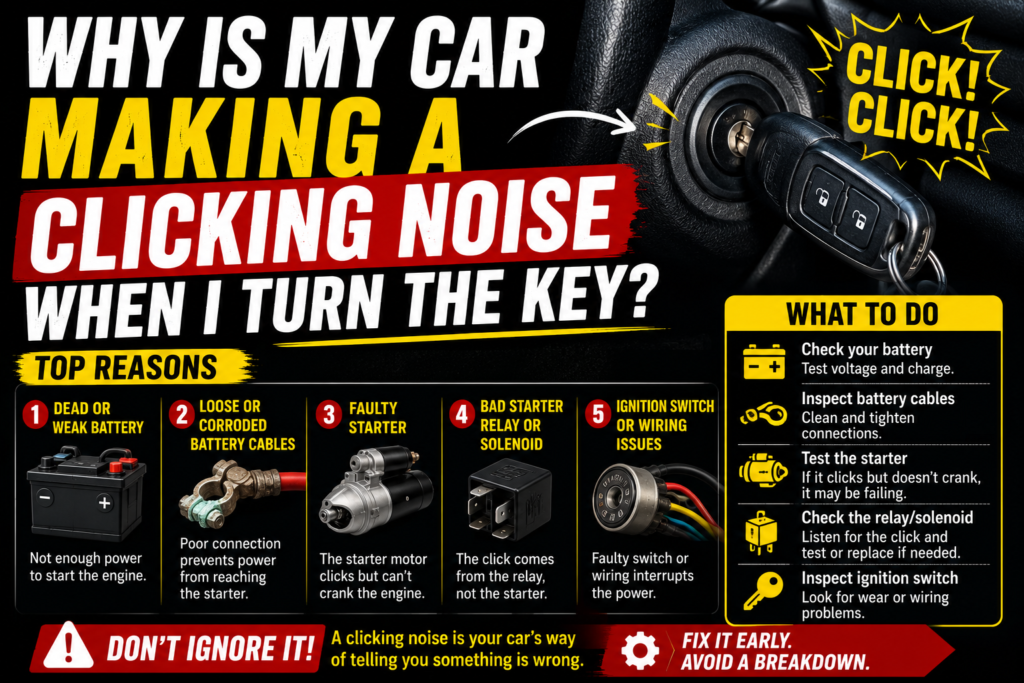
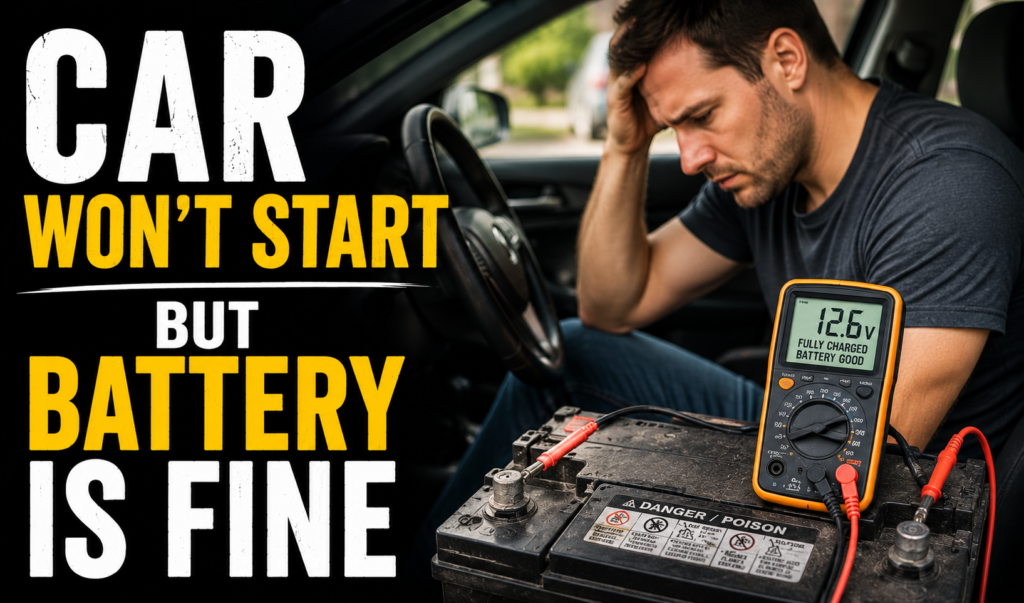
Hard starting despite a battery that tested good can also point to an alternator that’s been chronically undercharging — the battery is depleted enough that it struggles to crank the engine even though it isn’t completely dead. Checking charging voltage catches this before the battery gets to the point of not starting the car at all. If that undercharged battery leaves you hearing a click at startup, why the starter only clicks explains how to identify the likely cause.
How to Test Your Alternator at Home

Testing the alternator takes about 60 seconds with a digital multimeter.
Step 1: Start the engine and let it reach normal operating temperature.
Step 2: Set the multimeter to DC voltage.
Step 3: Touch the red probe to the positive battery terminal and the black probe to the negative terminal.
Step 4: Read the voltage with the engine running. A healthy charging system reads 13.7–14.7 volts.
Below 13.5V: The alternator is undercharging. The battery is being depleted faster than it’s being recharged.
Above 15V: The alternator is overcharging. This damages the battery and can harm sensitive electronics.
Step 5: Turn on major electrical loads — headlights on high beam, A/C on maximum, rear defroster. Voltage should stay above 13.5V even under this load. A voltage that drops significantly under load indicates an alternator that’s struggling to keep up with demand.
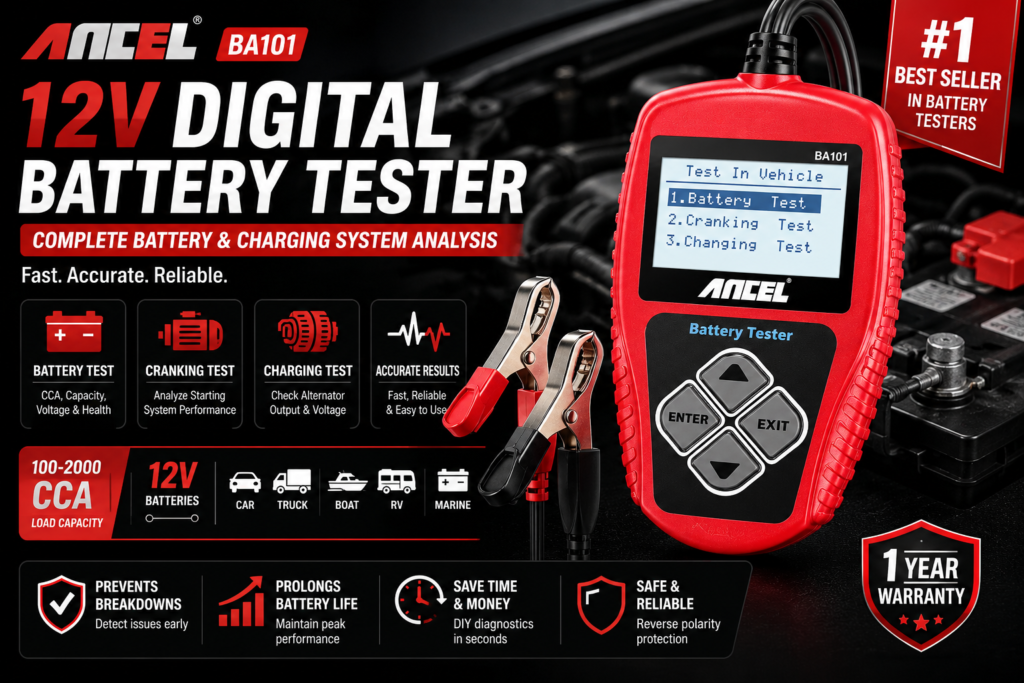
The ANCEL BA101 battery tester also tests alternator output directly — it gives you a pass/fail result on charging system performance without needing to interpret voltage numbers yourself.
How Long Can You Drive With a Bad Alternator
Not far — and not reliably. Once the alternator stops charging, the car runs entirely off the battery. A fully charged battery in good condition powers the car for roughly 30–60 minutes of driving depending on electrical load. With the A/C, headlights, and other accessories running, that window shrinks significantly.
If you suspect your alternator is failing and you need to get somewhere, turn off every non-essential electrical load — A/C, radio, heated seats, rear defroster — to extend battery life. Drive directly to a shop or home and don’t shut the engine off unless you have a way to restart it. Once parked with a failed alternator, the battery may not have enough charge left to restart.


Alternator Replacement Cost
Alternators typically run $150–$350 for a remanufactured unit, $250–$500 for a new one. Labor adds $100–$200 on most vehicles where the alternator is reasonably accessible. Total shop cost usually runs $300–$700 depending on the vehicle. Some vehicles — particularly those with the alternator buried behind other components — can run higher on labor.
On many vehicles alternator replacement is a straightforward DIY job — disconnect the battery, remove the serpentine belt, unbolt the alternator, disconnect the wiring, reverse to install. If you’re comfortable with basic mechanical work, the part cost alone is significant savings.
Frequently Asked Questions
Can a bad alternator destroy my battery?
Yes, in two ways. An undercharging alternator repeatedly depletes the battery through partial discharge cycles that cause sulfation and reduce capacity permanently. An overcharging alternator pushes excessive voltage into the battery that damages the plates and can cause the battery to overheat, swell, and fail. Either failure mode damages the battery — which is why both battery and alternator should be tested when either shows symptoms.
How do I know if it’s the battery or the alternator?
Test both. A battery tester tells you battery health independent of the charging system. A multimeter with the engine running tells you alternator output. A battery that tests good but keeps dying points to the alternator. An alternator that tests good but the battery keeps dying points to a parasitic draw or a failed battery that won’t hold charge. Test both components before replacing either. The battery side of that diagnosis is covered in battery health and replacement signs, including the signs that replacement is due.
Can I jump start my car if the alternator is bad?
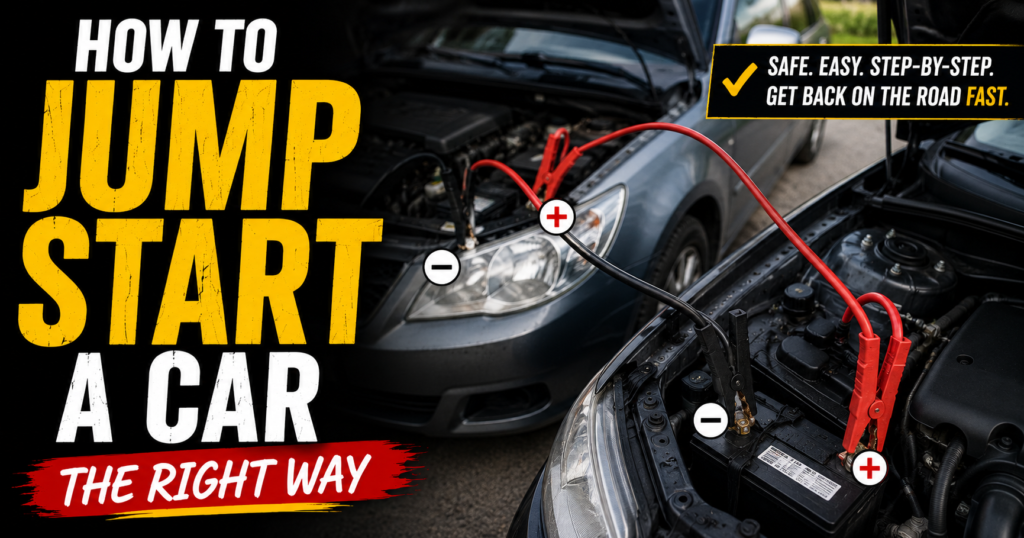
Yes — a jump start gets the engine running. But without a functioning alternator the battery will deplete while driving and the car will eventually stall. Jump starting buys you time to get to a shop, not a solution. See our guide on how to jump start a car correctly if you need to move the vehicle.
Does the alternator charge the battery while idling?
Yes, but less efficiently than at higher RPM. At idle, alternator output is lower — sufficient to power basic electrical loads but slower to recharge a depleted battery. Extended idling to recharge a dead battery is less effective than driving at normal speeds. A dedicated battery charger does a better job of fully recharging a depleted battery than extended idling.
What causes alternators to fail?
Bearing wear from age and heat is the most common cause — alternators spin continuously at high RPM and the bearings eventually wear out. Brush wear reduces the electrical contact that generates output. Voltage regulator failure causes overcharging or undercharging. Overloading from excessive electrical accessories beyond the alternator’s rated output accelerates wear. Most alternators simply wear out after 100,000–150,000 miles of normal use.
About the Author: Jake Merritt
Jake spent eight years as a service advisor at a regional auto dealership before going independent. He’s owned everything from a ’98 Civic with 240,000 miles to a diesel truck that taught him more than any training course. He started writing for WhyIsMyCar.com because he was tired of watching people get talked into repairs they didn’t need — or ignore problems that were genuinely serious. Jake lives in Tennessee with his wife, two kids, and a garage that’s never quite organized enough.