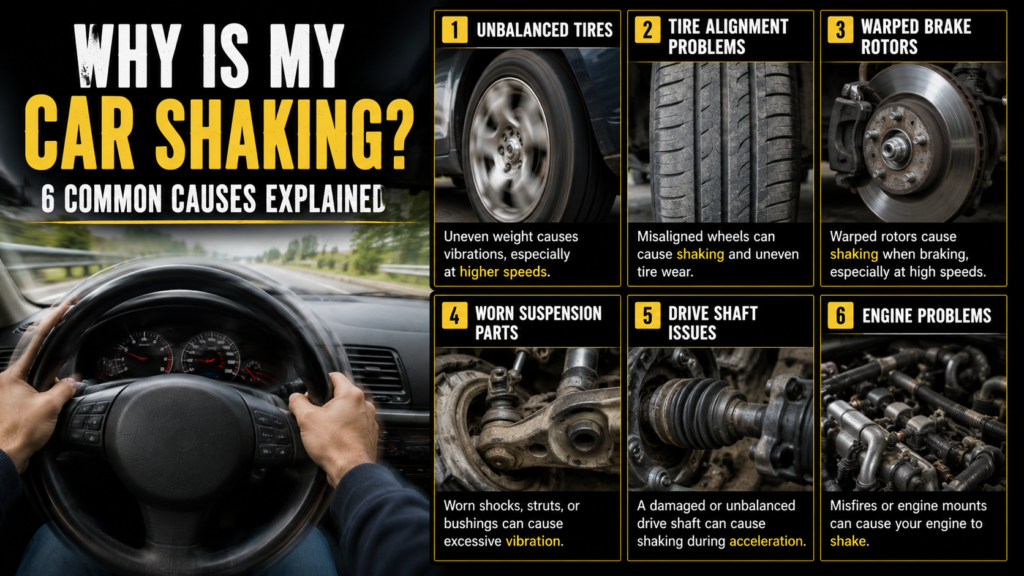
You tested the battery. It’s good. You tested the alternator. It’s fine. The terminals are clean. And the car still won’t start. This is the scenario that sends people down a frustrating rabbit hole of replacing parts that don’t need replacing — because the most common causes of a no-start with a good battery aren’t obvious to most drivers. A reliable multimeter can help confirm those initial electrical tests, as covered in AstroAI Digital Multimeter Review – Best for Car Owners?.
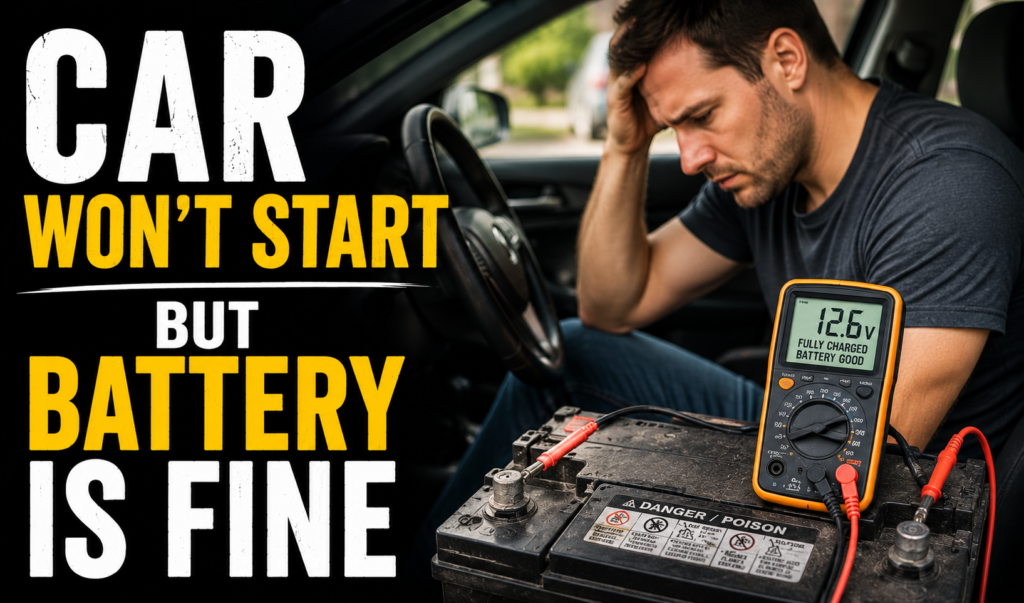
This guide covers every realistic cause of a car that won’t start despite a healthy battery, in order from most common to least common, so you can work through the diagnosis systematically rather than guessing.
Quick Answer: If your battery is good but the car won’t start, the most common causes are a bad starter motor, a failed fuel pump, no spark from the ignition system, a security system lockout, or a failed crankshaft position sensor. Listen carefully to what happens when you turn the key — the sound tells you which direction to go first.
Start With What You Hear
The sound — or absence of sound — when you turn the key is your most important diagnostic clue. Before checking anything under the hood, identify exactly what happens when you attempt to start.
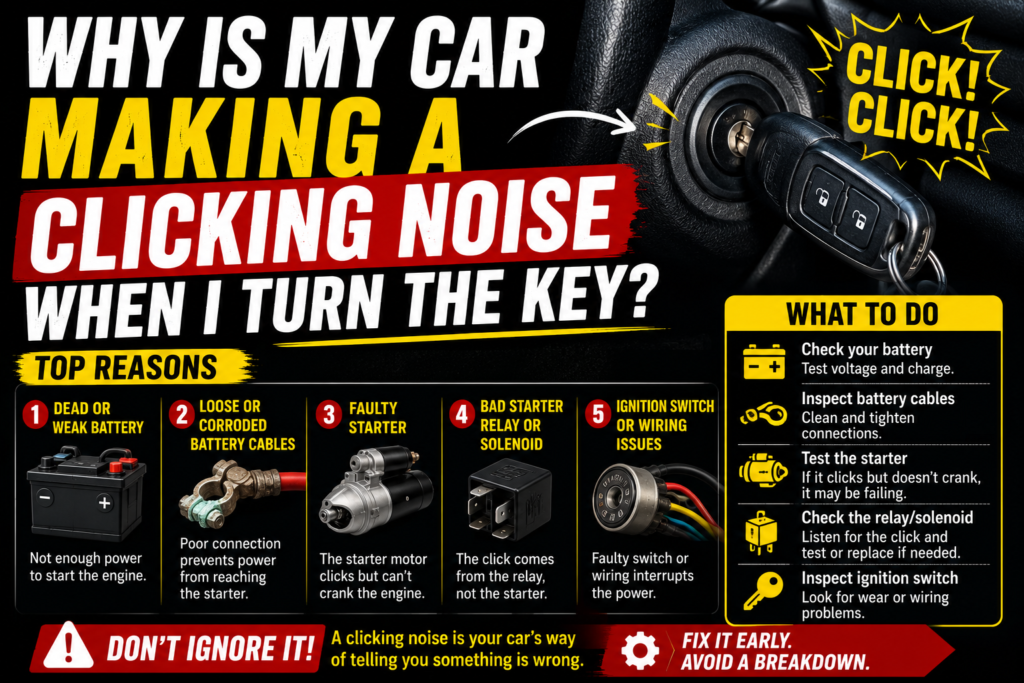
Single click, no crank: Starter solenoid engaging but motor not following. Points to a bad starter, bad starter connection, or in rare cases a seized engine. See our full breakdown of what clicking means when starting your car.
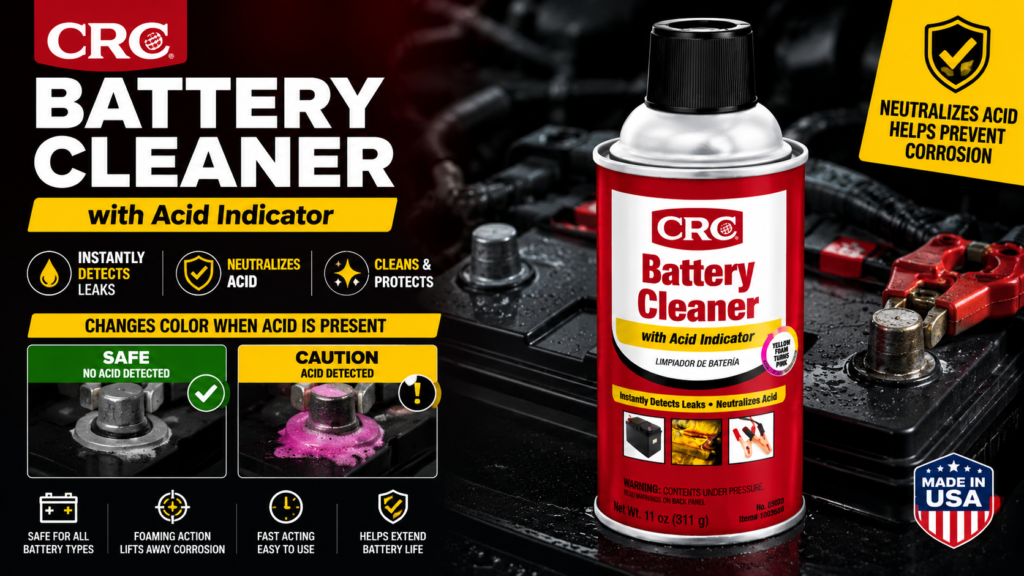
Rapid clicking: Almost always battery related — but if the battery genuinely tests good, check for a bad ground connection before assuming the battery tester is wrong. Before ruling out the battery connections, review this guide to Battery Cleaner Review – Does It Actually Work?.
Cranks normally but won’t fire: The starter is working — the engine is turning over — but it won’t catch and run. This points to fuel, spark, or compression. This is the scenario this article is primarily focused on.
Nothing at all — completely silent: No click, no crank, complete silence. Points to a blown fuse, failed ignition switch, failed neutral safety switch, or a security system lockout.


Bad Starter Motor
A starter that produces a single click with no crank — on a vehicle where the battery tests fully healthy and connections are clean — is almost certainly a failed starter motor. The solenoid fired but the motor didn’t spin.
Starters fail from worn brushes, a seized armature, burned windings, or a failed solenoid contact. They can fail suddenly with no prior warning, or they can develop intermittent failure — starting fine most of the time but occasionally producing a single click. Intermittent failure always becomes complete failure eventually.
The tap test helps confirm a starter diagnosis — have someone tap the starter body firmly with a hammer while you turn the key. A starter with worn brushes sometimes starts after a tap as the brushes find contact. If it starts after tapping, you’ve confirmed the starter is the problem. This gets you moving once — it’s not a fix.

Starter replacement typically runs $250–$600 at a shop depending on the vehicle. On many vehicles it’s accessible enough for DIY replacement with basic tools including a quality socket set and a cordless drill and impact driver for removing stubborn bolts.
No Fuel — Failed Fuel Pump or Empty Tank
An engine that cranks normally but won’t fire is often a fuel delivery problem. The starter is turning the engine over — you can hear it cranking — but without fuel reaching the cylinders, combustion can’t happen.
Check the Obvious First
An empty fuel tank causes exactly the same symptoms as a failed fuel pump — the engine cranks but won’t start. Fuel gauges can read incorrectly, especially on older vehicles with faulty sending units. If you’re not completely certain of the fuel level, add a gallon before diagnosing further.
Fuel Pump Failure
The fuel pump is submerged in the fuel tank on most modern vehicles. When it fails — from age, heat, running the tank consistently low, or contaminated fuel — it can’t deliver fuel to the injectors. The engine cranks but gets no fuel.
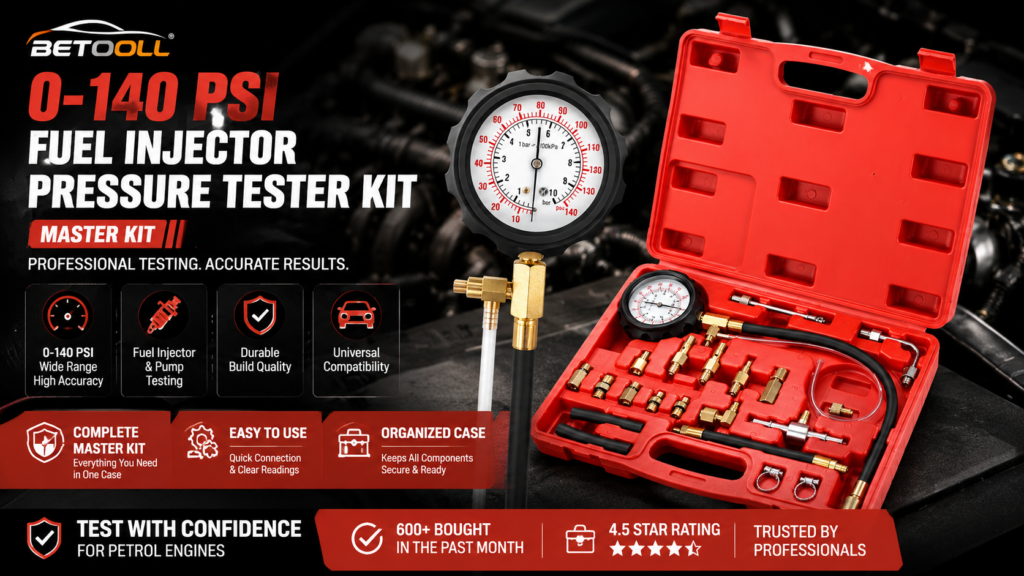
A quick test: turn the key to the on position without cranking — you should hear a brief hum from the fuel pump as it pressurizes the system. About 2 seconds of hum is normal. No sound at all suggests the pump isn’t running. Checking fuel pressure with a fuel pressure tester confirms whether the pump is delivering adequate pressure — zero pressure with the pump running points to a failed pump or severely clogged filter.
An OBD2 scanner sometimes reveals fuel system codes — P0087 (fuel pressure low) or P0230 (fuel pump circuit fault) — that confirm fuel delivery as the issue.
No Spark — Ignition System Failure
Fuel without spark doesn’t burn. An engine that cranks but won’t start needs both fuel and spark at the right time. Ignition system failures that cause a no-start include failed spark plugs, failed ignition coils, a failed crankshaft position sensor, and a failed ignition control module.
Spark Plugs
Severely worn or fouled spark plugs — usually on very high mileage engines that haven’t had spark plug service — can fail to produce enough spark to ignite the mixture. This is more commonly a rough idle and misfire issue than a complete no-start, but severely fouled plugs can prevent starting entirely. Pull one plug and inspect — heavy carbon fouling, oil fouling, or a worn electrode gap all indicate plugs that need replacement.
Ignition Coils
Modern coil-on-plug ignition systems have one coil per cylinder. A single failed coil causes a misfire on that cylinder but rarely a complete no-start — the remaining cylinders keep the engine running, albeit poorly. A failed ignition control module that takes out all coils simultaneously causes a no-start. Scan for misfire codes with an OBD2 scanner — multiple misfire codes across all cylinders simultaneously points to a common ignition system component rather than individual coils.
Crankshaft Position Sensor
The crankshaft position sensor tells the ECU where the crankshaft is in its rotation — information needed to time fuel injection and spark delivery correctly. A failed crank sensor means the ECU doesn’t know when to fire the injectors or coils, and the engine cranks but never fires despite having both fuel and spark available. This is one of the more common causes of a crank-no-start on modern vehicles and almost always sets a P0335 or P0336 code readable with a scanner.
Security System Lockout
Modern vehicles have immobilizer systems that prevent the engine from starting if they don’t recognize the key. When the immobilizer triggers — from a key fob battery that’s too low, a failed transponder in the key, or a fault in the immobilizer system itself — the engine cranks normally but the fuel system or ignition is disabled. The car sounds like it’s trying to start but just won’t fire.
How to Recognize It
A security or immobilizer warning light on the dashboard — often a small car with a key symbol or a padlock symbol — illuminates when the system is active. The engine cranks but won’t start. No other obvious mechanical cause exists.
What to Try
Try the spare key if you have one — a faulty transponder in the primary key causes this. Replace the key fob battery — some immobilizers are sensitive to low fob battery voltage. On some vehicles, holding the physical key near the ignition cylinder while starting bypasses a failing fob. If none of these work, the immobilizer system itself may need reprogramming — typically a dealer or locksmith job.
Failed Neutral Safety Switch
The neutral safety switch — also called the transmission range sensor — prevents the engine from starting in any gear other than Park or Neutral. This is a safety feature. When the switch fails or gets out of adjustment, it can read the transmission as being in gear even when it’s in Park — preventing the starter from engaging entirely.
Symptoms: completely silent when turning the key in Park, but the car starts normally in Neutral. Or: the car starts in Park sometimes but not others. Moving the shifter firmly into Park or slightly wiggling it while turning the key sometimes gets a no-start to fire — this is a classic neutral safety switch symptom.
On manual transmission vehicles the equivalent is the clutch safety switch — the car won’t start unless the clutch pedal is fully depressed. A failed clutch switch prevents starting entirely. Pressing the clutch pedal harder than usual while starting sometimes bypasses a marginally failed switch.
Low Compression
An engine that cranks but won’t start — and where fuel delivery and ignition both check out — may have a compression problem. Severely worn piston rings, a blown head gasket, or burned valves can reduce compression to the point where combustion can’t sustain itself. The engine cranks over easily — low compression engines are noticeably easy to crank because there’s little resistance — but never fires. Since a blown head gasket can affect both compression and engine temperature, blown head gasket symptoms details the signs that help distinguish this failure.
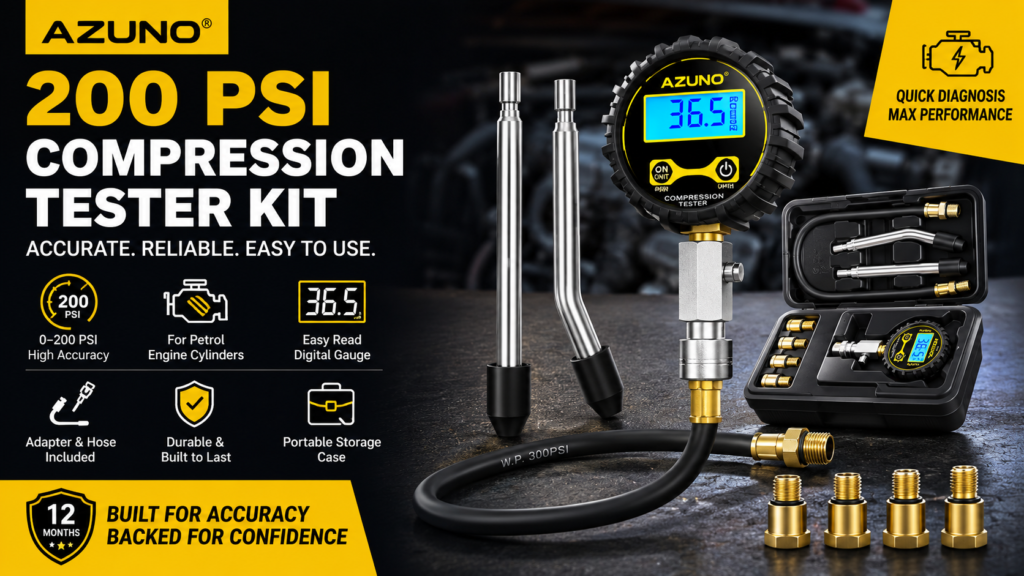
A compression tester confirms this quickly. Insert the tester into each spark plug hole and crank — healthy engines produce 135–180 PSI per cylinder. Readings significantly below that, especially if uneven between cylinders, indicate a mechanical issue that’s beyond basic electrical diagnosis.
Timing Belt or Chain Failure
A broken timing belt or jumped timing chain causes the engine to crank easily — often with a distinctive rattling sound — but never fire. The timing belt or chain keeps the camshafts synchronized with the crankshaft. Without that synchronization, valves don’t open at the right time relative to piston position, and combustion can’t occur.
On interference engines — where the pistons and valves occupy the same space at different times — a broken timing belt often causes catastrophic valve damage simultaneously. The engine may crank but compression will be zero or near zero on affected cylinders.
This is a situation that typically requires professional repair. Timing belt or chain replacement on most vehicles is a significant job requiring specific tools and procedures.
How to Diagnose a No-Start Systematically
Work through this sequence before replacing anything.
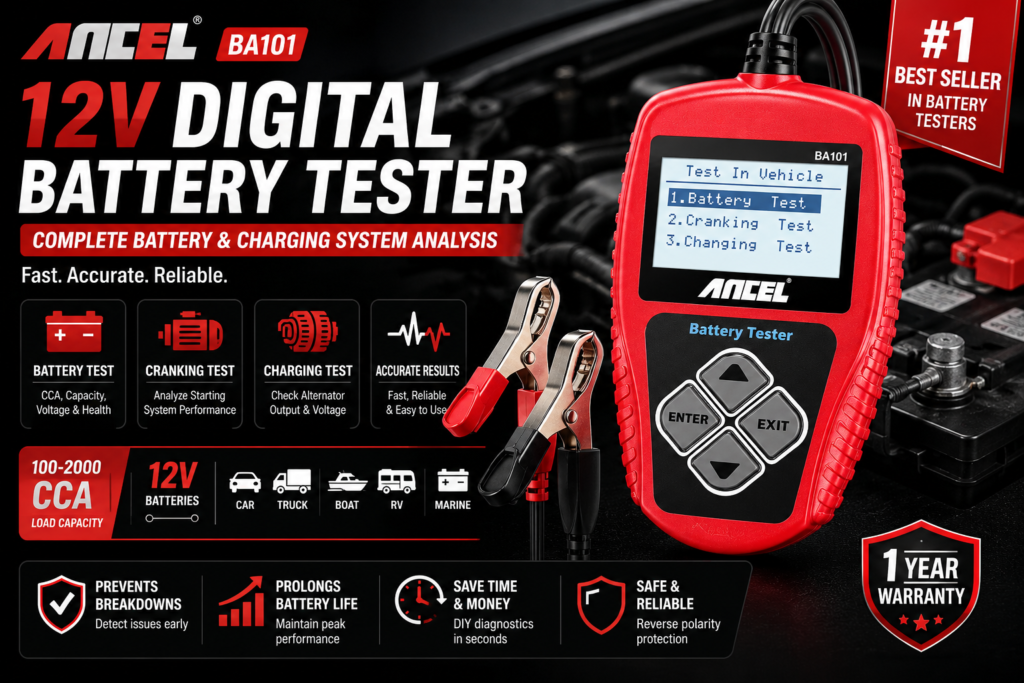
1. Confirm battery health. Test with a battery tester — not just voltage. A battery can show 12.6V and still fail under load.
2. Check all fuses. A blown main fuse or fusible link can prevent starting. Check both fuse boxes — under the hood and inside the cabin. Look for any fuse that looks melted or discolored.
3. Scan for codes. Connect an OBD2 scanner and read all stored codes. Crankshaft sensor codes, fuel system codes, and security system codes all point directly at the cause.
4. Listen for the fuel pump. Key on, don’t crank — listen for the 2-second fuel pump hum from the rear of the vehicle.
5. Check for spark. Pull a spark plug wire or coil connector, insert a spark plug, ground it against the engine block, and crank — you should see a strong blue spark. Weak orange spark or no spark indicates ignition system failure.
6. Check compression. If fuel and spark are both present, test compression in all cylinders.
This sequence covers the vast majority of no-start causes systematically. Each step either identifies the problem or eliminates a category, narrowing the diagnosis without random parts replacement.
Frequently Asked Questions
My car won’t start but all the lights work — is it the battery?
Not necessarily. Lights draw relatively little current compared to the starter motor. A battery can power lights while being too weak to crank the engine. But if the battery tests genuinely healthy, look at the starter, fuel system, and ignition system as described above.
My car cranks but won’t start after sitting overnight — what causes that?
Fuel pressure bleed-down overnight is a common cause — the fuel system loses pressure while sitting, requiring extra cranking to rebuild pressure before the engine fires. A leaking fuel pressure regulator or leaking injectors cause this. Cranking for 5–10 seconds before the engine fires suggests low fuel pressure on startup. A fuel pressure tester confirms it.
Could a bad ground cause a no-start?
Yes. The engine block ground strap connects the engine to the chassis and completes the starter circuit. A corroded or broken ground strap prevents the starter from getting full current even with a good battery and clean terminals. Check that the ground strap between the engine block and chassis is tight and corrosion-free.
My car won’t start when it’s hot but starts fine when cold — why?
Heat-related no-start is often a failing crankshaft position sensor or ignition coil that works when cold but fails when hot. Some fuel pumps also fail only when hot — the pump runs fine cold but vapor locks or fails under heat. Letting the car cool for 20–30 minutes before it starts again is a classic heat-soak no-start pattern.
Should I call a tow truck or can I diagnose this myself?
Run through the systematic checks above first — scan for codes, check fuel pump operation, confirm spark. Many no-start causes are diagnosable at home in under 30 minutes. If the diagnosis points to a fuel pump, starter, or crankshaft sensor, those are all parts that can be ordered and installed at home with basic tools. If diagnosis reveals a timing belt failure or internal engine damage, a tow to a shop is the right call.
About the Author: Dana Callahan
Dana has been diagnosing car problems for over a decade — first out of necessity (three kids, one income, no money for shop rates) and eventually out of genuine passion. She’s the person her whole neighborhood texts when a warning light comes on. Dana writes for WhyIsMyCar.com to give everyday drivers the kind of straight talk she wished she’d had when she first started figuring this stuff out on her own. Based in Ohio.