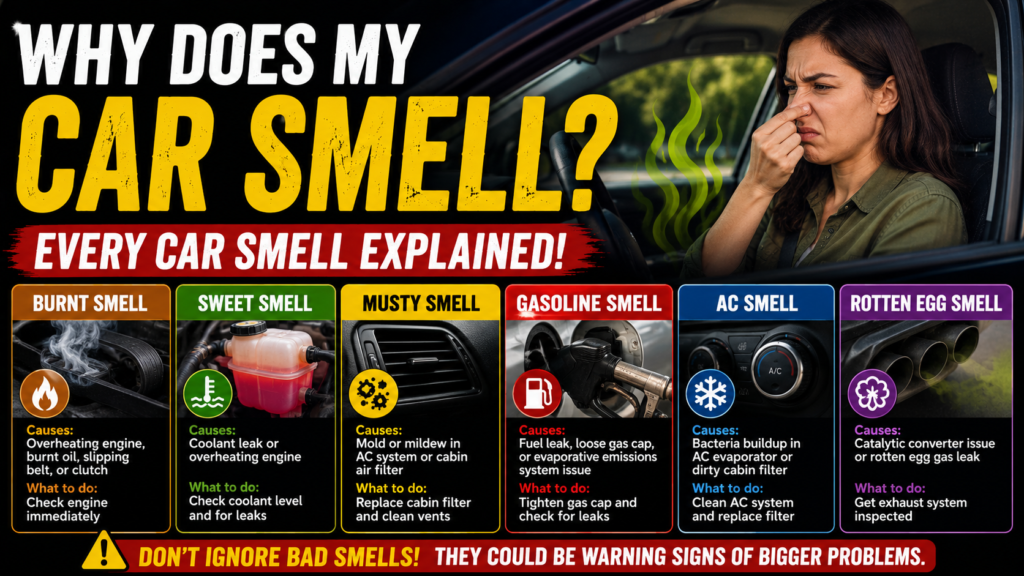
Your nose knows something is wrong before your eyes do. A burning smell, a sweet smell, a rotten egg smell — each one is your car communicating something specific. Some smells are harmless. Others mean pull over right now. Knowing the difference takes about two minutes of reading this guide.
We’re going to go through every common car smell, exactly what causes it, how serious it is, and what to do about it. By the end you’ll be able to diagnose by nose — which is honestly one of the most useful skills any driver can have. Readers dealing with other warning signs can also browse car symptom guides for practical next steps.

Quick Answer: Burning rubber means something is contacting the exhaust or a belt is slipping. Sweet smell means coolant leak. Rotten egg smell means catalytic converter or battery issue. Burning oil smell means oil is dripping onto hot engine components. Raw gasoline smell means a fuel leak — stop driving immediately. Musty smell from the vents means mold in the A/C evaporator.
Burning Rubber Smell
Burning rubber is one of the most alarming smells from a car — and one of the most common. It has several distinct causes depending on when you smell it and where it seems to be coming from.
Something Is Touching the Exhaust
The exhaust system runs extremely hot — hot enough to melt plastic, rubber, and wiring insulation on contact. A plastic bag picked up from the road, a piece of debris lodged against the exhaust, or a rubber hose that’s sagged into contact with an exhaust pipe all produce an intense burning rubber smell that fills the cabin quickly. Pull over and inspect underneath — the source is usually visible and removable by hand once it cools.
Slipping Serpentine Belt
A serpentine belt that’s glazed, worn, or misaligned slips against its pulleys and produces a burning rubber smell — often accompanied by a squealing sound. The smell intensifies when accessories like the A/C put extra load on the belt. A belt that’s slipping needs inspection and likely replacement — a belt that fails completely leaves you stranded and potentially causes the engine to overheat if the water pump is belt-driven.
Burning Brake Smell After Heavy Use
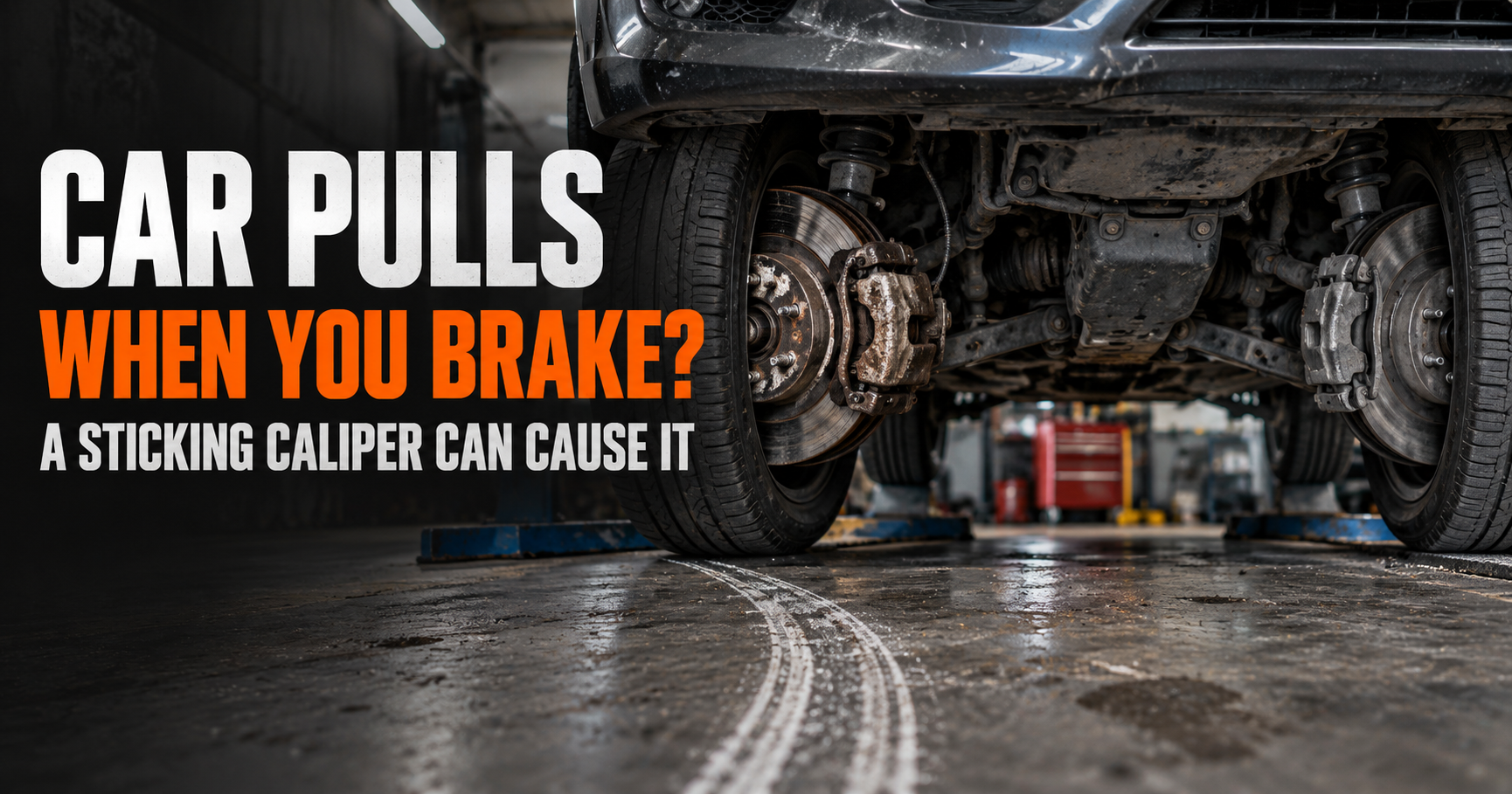
New brake pads have a break-in period where the resin in the pad material cures under heat — producing a burning smell during the first few hundred miles of use. This is normal and temporary. Brakes that smell burning after normal driving — not after extended downhill braking or track use — suggest the calipers may be sticking and not fully releasing. A caliper that drags constantly overheats the rotor and pad and produces exactly this smell. If your brakes feel slightly grabby or the car pulls to one side, a sticking caliper is worth investigating. Cleaning brake components with brake cleaner spray removes contamination that can contribute to drag.
Clutch Smell on Manual Transmissions
A burning smell specific to manual transmission vehicles — especially during hill starts or stop-and-go traffic — is almost always clutch slip. Riding the clutch or slipping it excessively burns the clutch disc material and produces a sharp burning smell. Occasional clutch smell in difficult traffic is normal. Frequent burning clutch smell means driving technique or clutch condition needs attention.

Sweet Smell — Coolant Leak
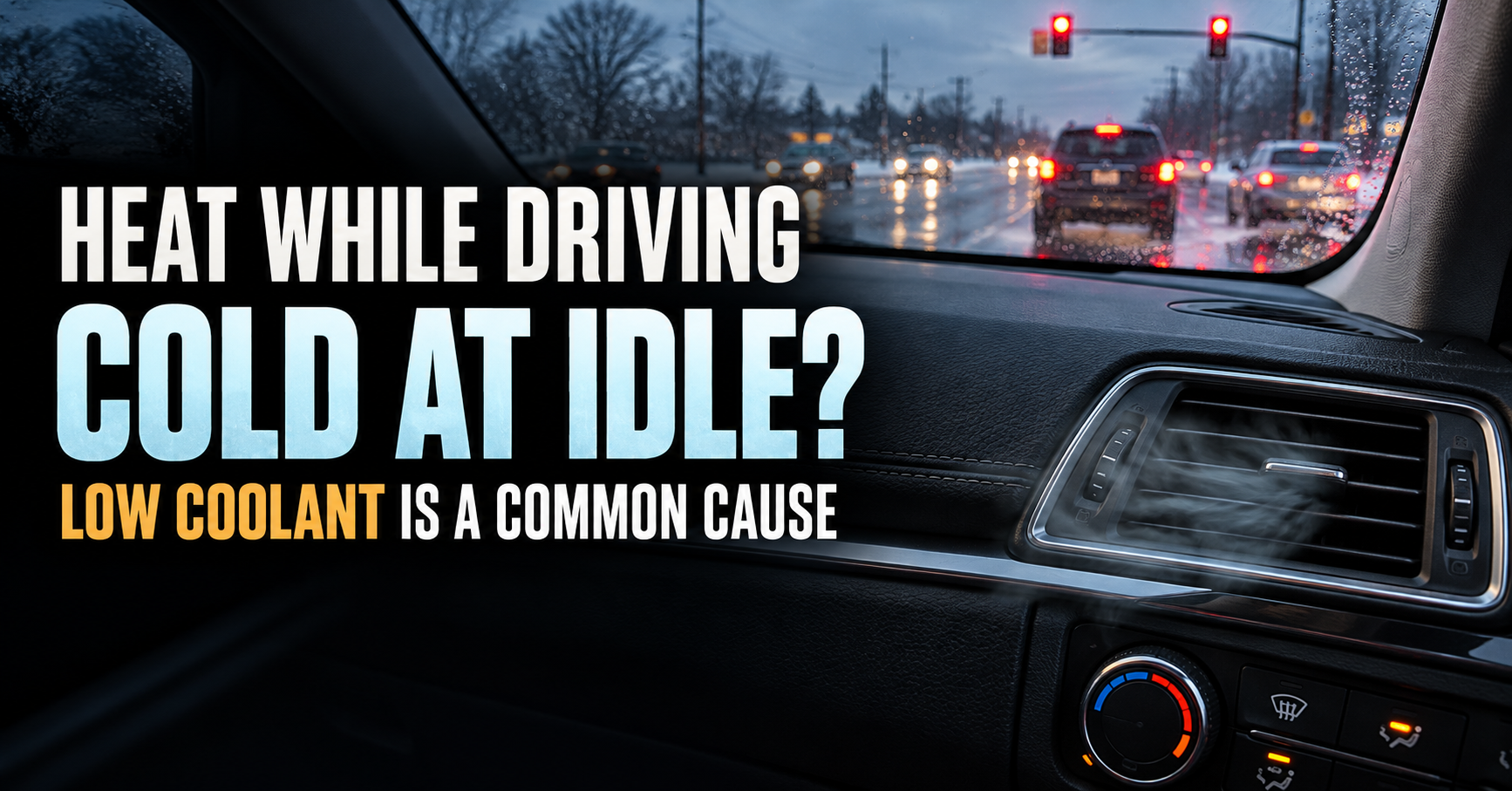
A sweet, slightly syrupy smell — often described as similar to maple syrup or candy — coming from the engine bay or through the vents is coolant. Ethylene glycol, the base of most antifreeze formulations, has a distinctive sweet smell that’s hard to confuse with anything else once you’ve encountered it.
Coolant can smell sweet from outside the car near the engine bay, from under the dashboard if the heater core is leaking, or even from the vents if coolant vapor is entering the cabin air system. A sweet smell through the defroster specifically often points to a heater core leak — and you may notice a slight fogging on the inside of the windshield or a greasy film on the interior glass.
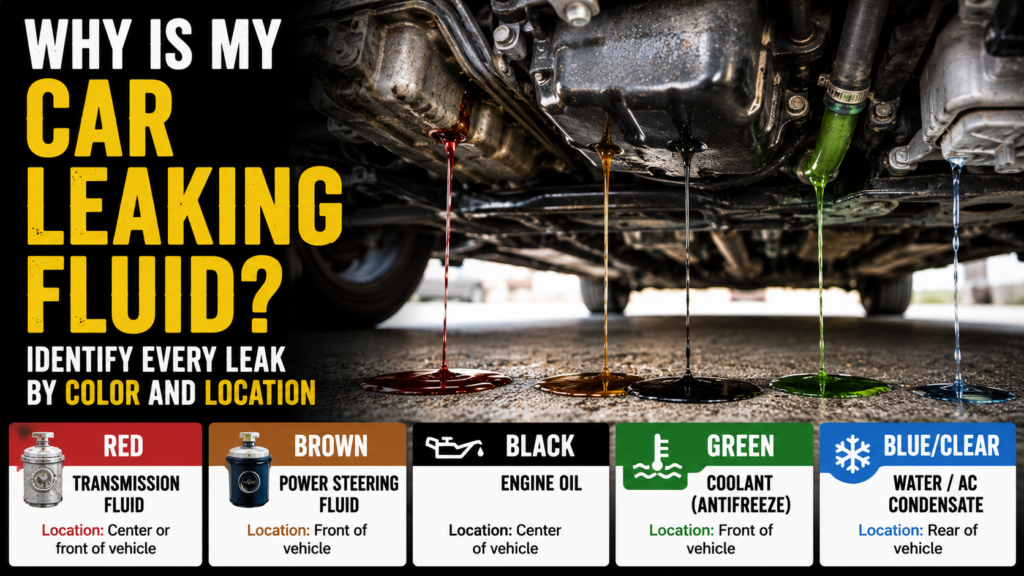
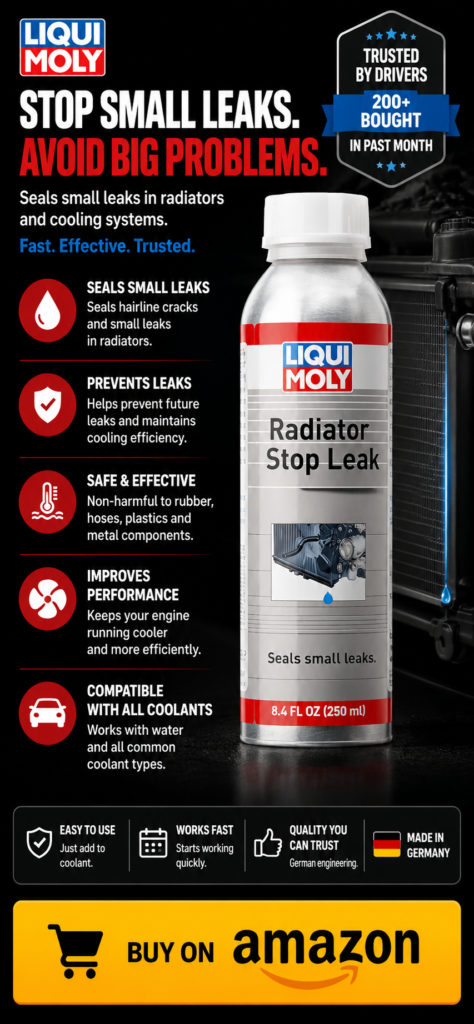
Check your coolant reservoir level immediately. If it’s dropping, there’s a leak. Our full guide on identifying fluid leaks by color covers coolant leaks in detail. For minor radiator seeps, Liqui Moly Radiator Stop Leak can seal minor leaks while you arrange a proper repair.
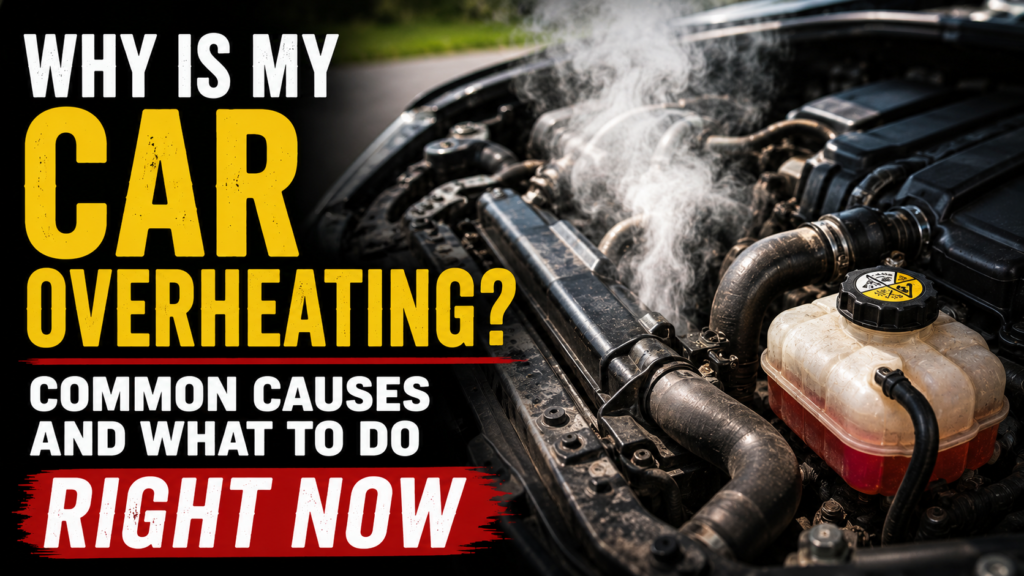
Never ignore a coolant smell — a cooling system that’s losing fluid will eventually cause your engine to overheat, and overheating causes damage that ranges from a blown head gasket to a destroyed engine. See our complete guide on why cars overheat for the full picture.


Rotten Egg or Sulfur Smell
The rotten egg smell — hydrogen sulfide — has two main sources in a vehicle, and both are worth knowing.
Failing Catalytic Converter

The catalytic converter processes exhaust gases and converts harmful compounds including hydrogen sulfide into less harmful output. When the converter is failing — clogged, damaged, or running too rich — it can’t process all the sulfur compounds and they pass through as that distinctive rotten egg smell. A failing catalytic converter often triggers a P0420 or P0430 code — check engine light on, efficiency below threshold. An OBD2 scanner reads these codes in seconds and confirms whether the converter is the source.
Overcharging Battery
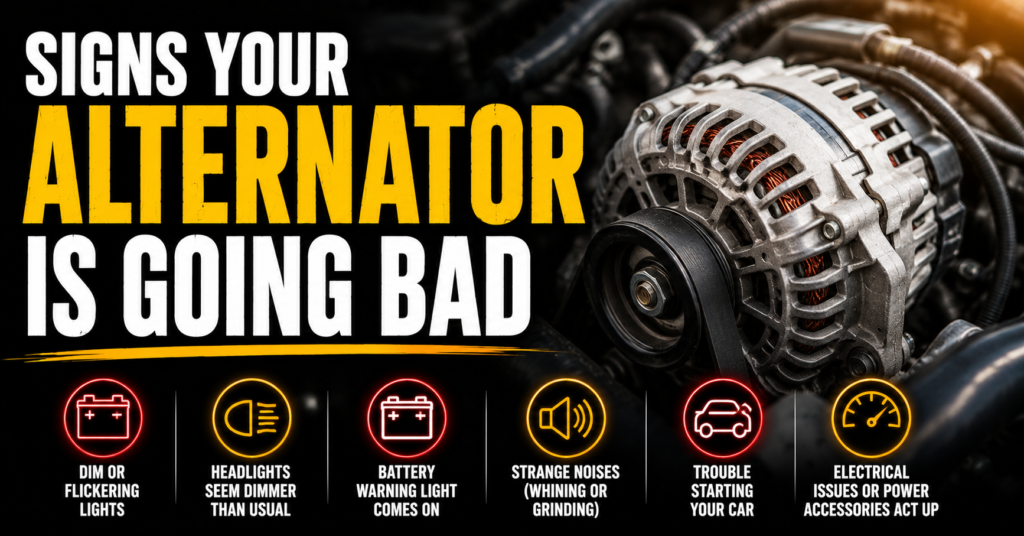
A car battery that’s being overcharged by a faulty voltage regulator or alternator releases hydrogen sulfide gas from the battery cells — producing a rotten egg smell specifically near the battery. This is accompanied by a battery that’s hot to the touch and possibly bulging or leaking. If the smell is strongest near the battery rather than from the exhaust, check charging voltage immediately — it should read 13.7–14.7 volts with the engine running. Anything above 15 volts is overcharging and damaging the battery. The smell is an urgent clue, and alternator overcharging warning signs explains the other symptoms and voltage checks that can confirm an alternator problem.
Burning Oil Smell
Burning oil has a distinct hot, acrid smell that’s different from burning rubber or exhaust. It’s caused by engine oil dripping or seeping onto hot engine components — the exhaust manifold, the turbocharger, or hot engine surfaces — where it burns off.
The smell is usually strongest right after parking while the engine is still hot — oil that was dripping during driving hits the hot exhaust and burns off as the engine sits. A blue tinge to the exhaust smoke, especially on startup, also indicates oil burning — either from external leaks dripping onto exhaust components or from oil entering the combustion chamber through worn rings or valve seals.
Check your oil level with the dipstick. If it’s dropping between oil changes faster than it should, oil is either leaking or burning internally. Either way it needs attention — an engine running low on oil wears rapidly. Using a quality fuel system cleaner like Sea Foam Motor Treatment through the crankcase helps dissolve sludge and varnish that contributes to seal degradation on high-mileage engines.
Raw Gasoline Smell
The smell of raw gasoline — not exhaust, but actual unburned fuel — is a serious safety concern. Gasoline is extremely flammable and a fuel leak near hot engine components or the exhaust is a fire hazard. This is one of the few car smells that means stop driving immediately.
Inside the Car
Gasoline smell inside the cabin suggests a fuel leak somewhere in the system — possibly a fuel injector O-ring, a cracked fuel line, or a leaking fuel pressure regulator. The fuel system runs at significant pressure and even a small leak can produce a strong smell. Don’t start the engine if you smell raw fuel strongly inside the car — find the source first.
After Filling the Tank
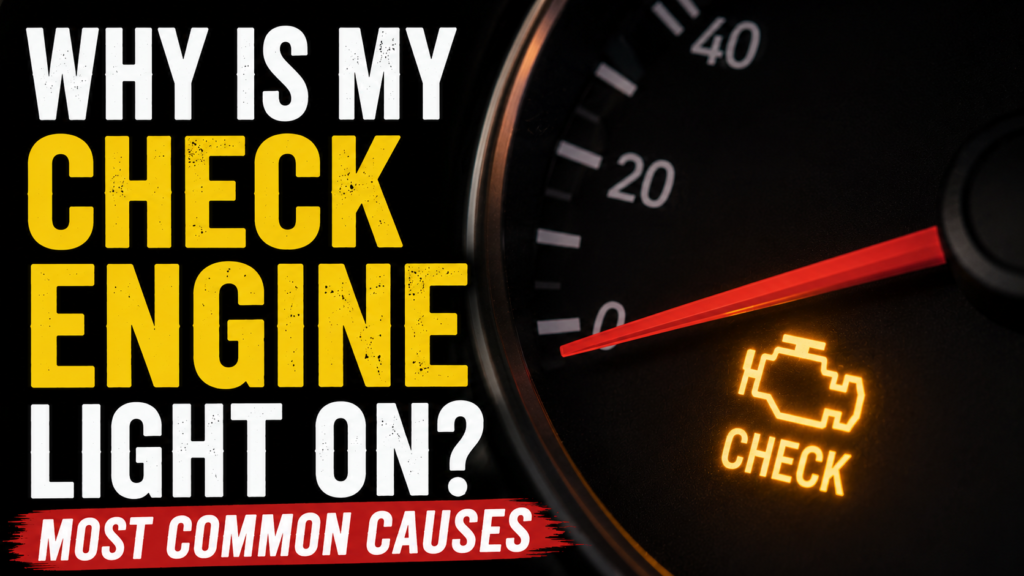
A brief gasoline smell immediately after filling the tank is normal — fuel vapor escapes during filling. A smell that persists well after fueling suggests a fuel cap that isn’t sealing correctly, an evaporative emissions system leak, or fuel that spilled during filling. A loose or damaged gas cap also triggers the check engine light with an EVAP system code.
Under the Hood
Fuel smell from the engine bay — especially combined with poor performance or a rich-running engine — points to a fuel delivery system leak. Fuel injector O-rings are the most common source on high-mileage engines. Turn the engine off, don’t restart it, and have it inspected before driving.
Musty or Mildew Smell From the Vents
A musty, moldy smell that appears when you turn on the A/C or heater is almost always mold or mildew growing on the evaporator core — the A/C component inside the dashboard that cools the cabin air. The evaporator gets cold and wet during A/C operation, and if it doesn’t dry out properly between uses, mold grows in the moisture.
This is extremely common in humid climates and on vehicles where the A/C is used heavily. The smell is worst at startup when the system first blows air over the damp evaporator surface.
How to Fix It
Turn the A/C off and run the fan on high for the last few minutes of every drive — this dries out the evaporator before parking. An evaporator cleaner spray — available at any auto parts store — kills mold and mildew in the system. Also replace the cabin air filter if it hasn’t been done recently — a moldy, saturated cabin filter is often contributing to or causing the smell entirely. Cabin air filters are a 5-minute DIY job on most vehicles.

Burning Plastic Smell
Burning plastic has a sharp, acrid smell that’s distinct from burning rubber or oil. The most common cause is an electrical problem — a wire shorting against a hot component, a fuse that’s overloaded, or an electrical component that’s failing and generating heat internally.
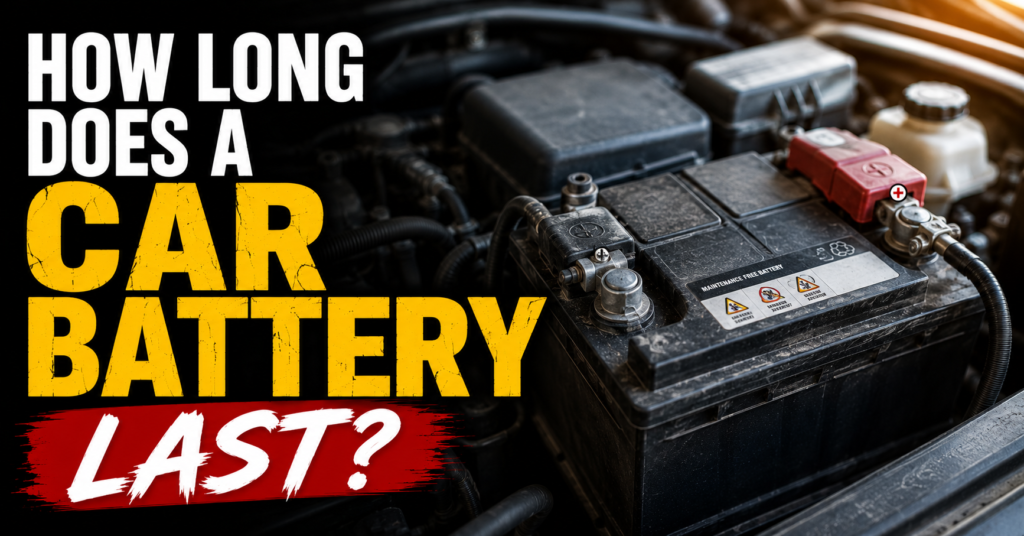
A burning plastic smell combined with an electrical system that’s behaving erratically — flickering lights, accessories that cut out, warning lights — warrants immediate attention. Electrical fires in vehicles start small and escalate quickly. If the smell is strong and you can’t immediately identify a harmless source, pull over and investigate before continuing to drive.

Check your fuse boxes for any fuses that look melted, discolored, or have heat marks around them. A digital multimeter can test individual circuits for shorts and overloads that cause wiring to overheat.
Exhaust Smell Inside the Car
Exhaust gases inside the cabin — the smell of carbon monoxide and combustion byproducts — is a serious safety issue beyond just a car problem. Carbon monoxide is odorless in its pure form, but exhaust contains other compounds that produce that distinctive exhaust smell. If you’re smelling exhaust inside a moving vehicle, something is wrong.
Common causes include a cracked exhaust manifold, a leaking exhaust pipe or joint, or a failed exhaust gasket that’s allowing exhaust to enter the engine bay and then the cabin through the firewall. A rusted-through exhaust pipe under the vehicle can leak exhaust that gets pulled into the cabin through the floor or ventilation system.
Drive with windows open if you must continue to a shop, and get it repaired promptly. Carbon monoxide poisoning from vehicle exhaust causes headaches, dizziness, and nausea before incapacitation — symptoms that are easy to misattribute to other causes while driving.

New Car Smell — and When It’s Not Normal
The classic new car smell is off-gassing from plastics, adhesives, and upholstery materials — it fades over time and is harmless in normal concentrations with adequate ventilation. A similar smell in an older vehicle after interior work — new carpet, new seats, new headliner — is the same phenomenon.
What’s not normal is a chemical smell that appears suddenly in a vehicle that hasn’t had recent interior work. A sudden chemical or solvent smell from the vents in an older vehicle can indicate a heater core leak (coolant), a refrigerant leak from the A/C system, or a fluid leak from another system that’s found its way into the ventilation.
When to Drive and When to Stop
Stop immediately: Raw gasoline smell. Strong burning plastic smell with electrical symptoms. Exhaust smell inside the cabin. Coolant smell with rising temperature gauge.
Get to a shop soon: Burning oil smell with dropping oil level. Rotten egg smell from exhaust. Burning rubber that doesn’t go away after removing debris from the exhaust.
Monitor and address: Musty A/C smell. Burning brake smell after new pad installation. Brief fuel smell immediately after filling the tank.

Frequently Asked Questions
Why does my car smell like burning when I first start it?
A brief burning smell on cold startup — especially after the car has sat for several days — is often dust burning off the exhaust system. Dust and debris settle on hot exhaust components while the car sits and burn off during the first few minutes of operation. This is normal if it’s brief and doesn’t recur during the drive. A burning smell that persists after warmup needs investigation.
Why does my car smell like gas but there’s no check engine light?
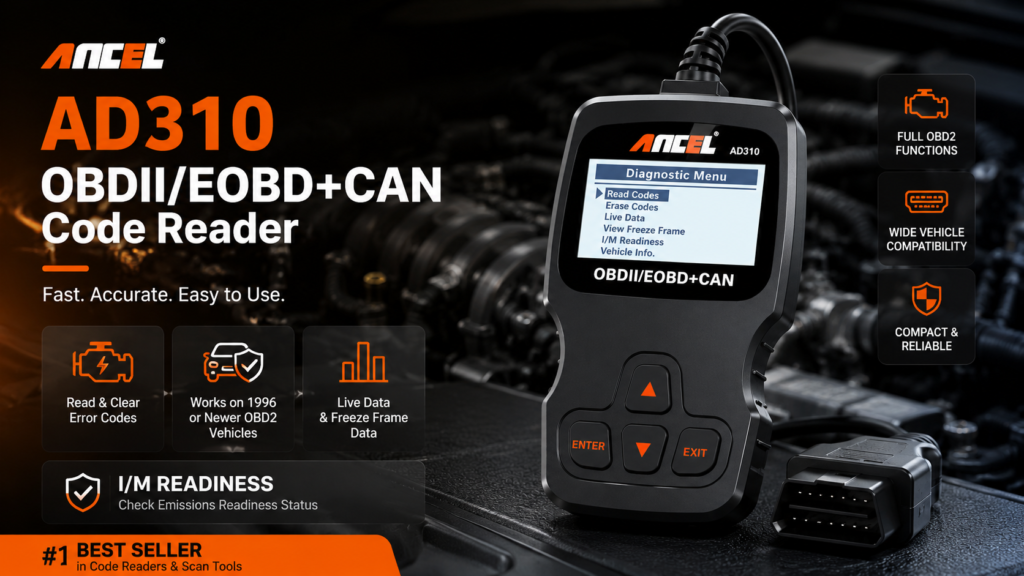
Not all fuel system leaks trigger the check engine light — the EVAP system monitors for certain types of vapor leaks but doesn’t catch all fuel odor sources. A leaking injector O-ring or a cracked fuel line may produce a strong smell without any codes. Don’t rely on the absence of a warning light to conclude there’s no problem. When a warning light does appear, an affordable way to diagnose check engine codes can help narrow down the problem.
My car smells sweet only when the heater is on — what is that?
Almost certainly a heater core leak. The heater core is a small radiator inside the dashboard that uses hot engine coolant to heat the cabin. When it leaks, coolant drips inside the dashboard and vaporizes when the heater runs — producing that sweet smell through the vents. You may also notice a slight film on the inside of the windshield and a greasy feel to the interior glass.
Why does my car smell like rotten eggs after sitting?
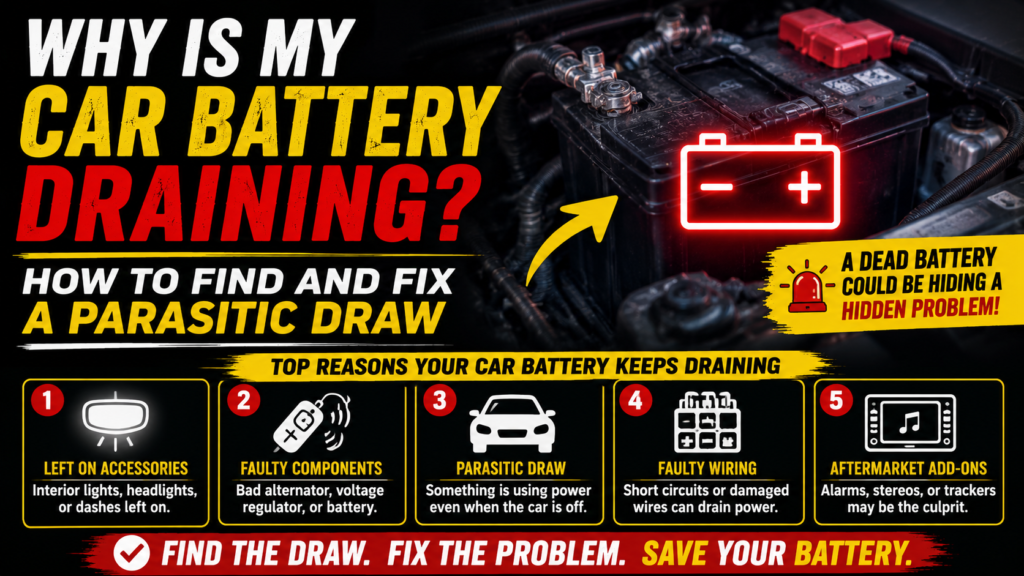
If the smell is strongest near the battery, the battery may be overcharging or failing internally and releasing hydrogen sulfide. If it comes from the exhaust area, the catalytic converter may be running inefficiently. Check charging voltage and scan for codes — both causes are diagnosable with basic tools. If the battery keeps losing charge without an obvious cause, battery-related electrical problems explains how to test for an abnormal draw.
Can a cabin air filter cause a bad smell?
Absolutely. A cabin air filter that’s saturated with moisture, leaves, mold, or debris produces a musty, dirty smell every time the fan runs. Cabin air filters should be replaced every 15,000–25,000 miles or annually — it’s one of the most overlooked maintenance items and one of the cheapest fixes for persistent interior smells.
About the Author: Dana Callahan
Dana has been diagnosing car problems for over a decade — first out of necessity (three kids, one income, no money for shop rates) and eventually out of genuine passion. She’s the person her whole neighborhood texts when a warning light comes on. Dana writes for WhyIsMyCar.com to give everyday drivers the kind of straight talk she wished she’d had when she first started figuring this stuff out on her own. Based in Ohio.