If your engine is misfiring or burning oil and nothing else explains it, a compression test is your next move. Here’s what this kit does and how to use it. Before testing mechanical compression, you can also check engine misfire codes to see whether the vehicle has stored diagnostic information.
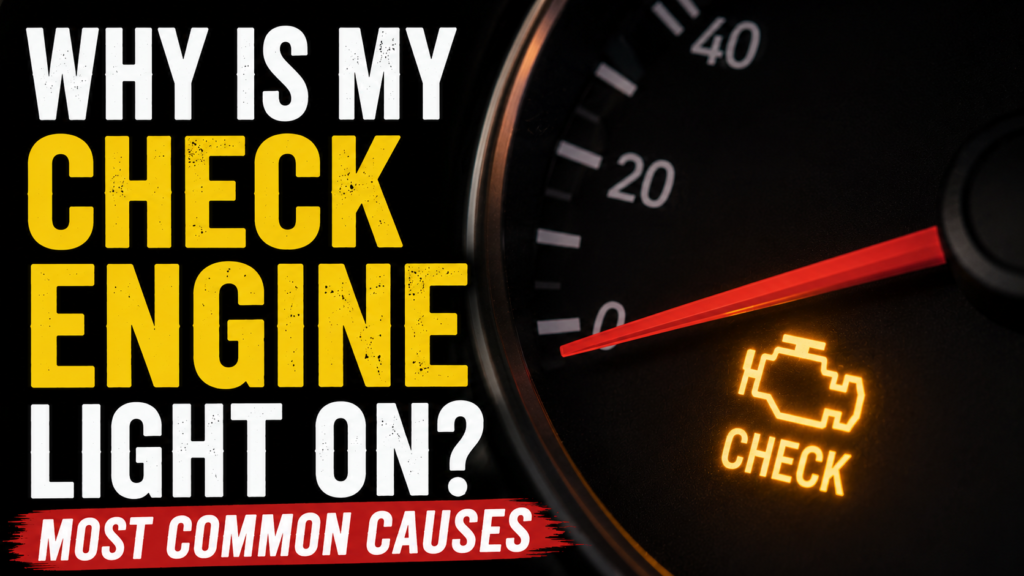
When your car is misfiring, losing power, burning oil, or just running rough and nothing obvious explains it — compression is where you look next. A compression test tells you the mechanical health of your engine in a way no code reader or scan tool can. And with a digital compression tester like this one, you get accurate results fast without needing a lift or a degree in automotive engineering. Before moving to mechanical testing, Why Is My Check Engine Light On? Most Common Causes can help identify common fault-code causes behind a misfire or rough-running engine.
Most people don’t think about compression testing until something is already seriously wrong. But knowing your engine’s compression numbers can be the difference between catching a problem early and discovering later that you needed a full engine rebuild. This tool pays for itself the first time you use it.
What Is a Compression Test and Why Does It Matter
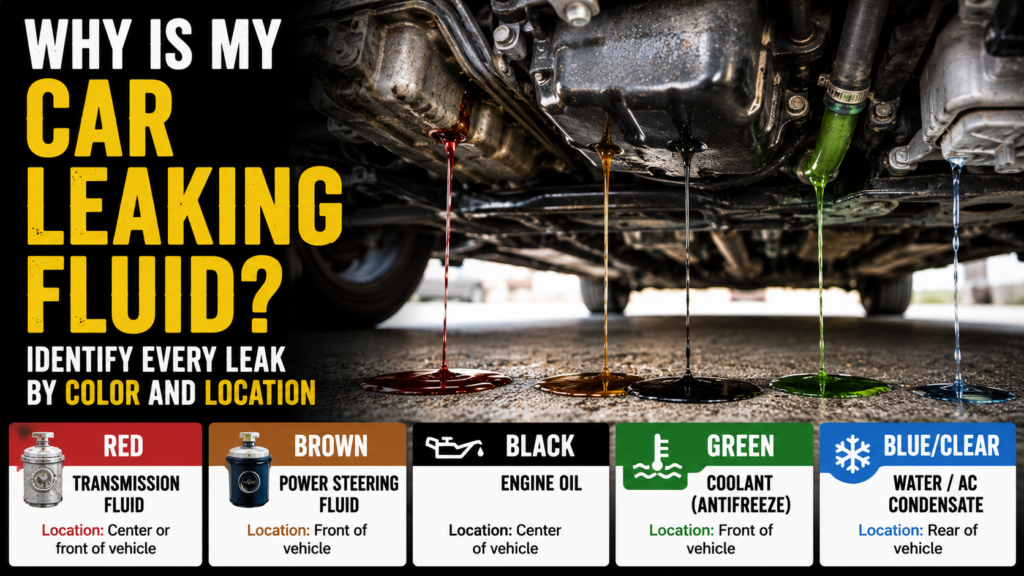
Every cylinder in your engine relies on compression to function. The piston compresses the air-fuel mixture before ignition — the tighter that compression, the more power the explosion produces. When compression drops in one or more cylinders, the engine loses power, runs rough, misfires, and eventually starts burning oil or coolant as seals fail.
A compression test measures the peak pressure each cylinder builds during the compression stroke. Healthy gasoline engines typically produce 135–180 PSI depending on the design. More important than the number itself is the consistency — all cylinders should read within about 10% of each other. A cylinder reading significantly lower than the others is a problem worth investigating.
What Low Compression Means
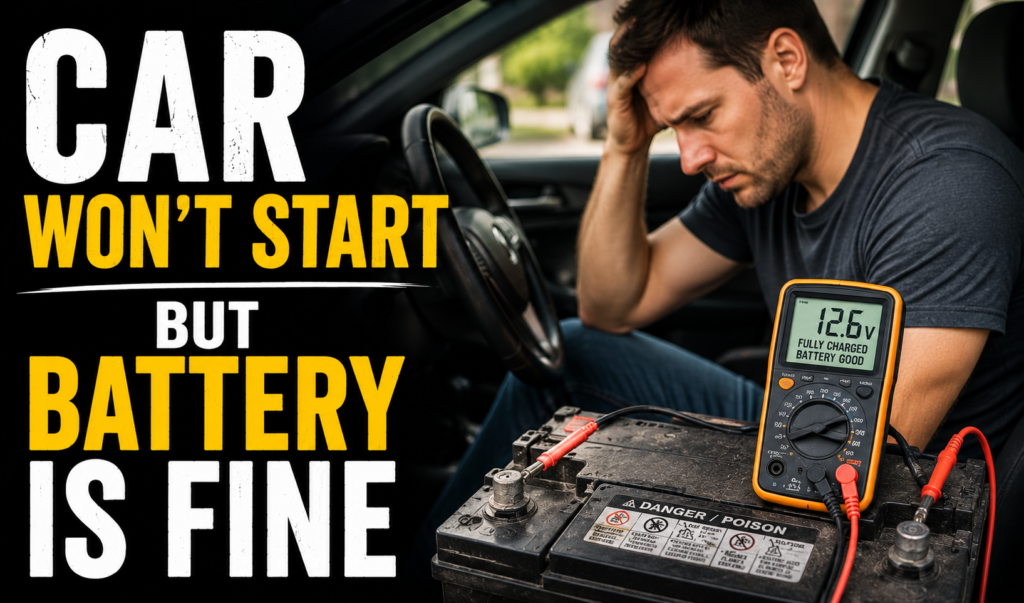
Low compression in one cylinder points to worn piston rings, a damaged valve, a blown head gasket, or in severe cases a cracked cylinder wall. The wet/dry compression test method — retesting with a small amount of oil squirted into the cylinder — helps narrow it down further. If compression comes up significantly after adding oil, the rings are likely the issue. If it doesn’t change, the problem is probably valves or a head gasket. When low compression is suspected after normal cranking, compression-related no-start causes explains how this problem fits into a broader crank-no-start diagnosis.
What Comes in the Kit
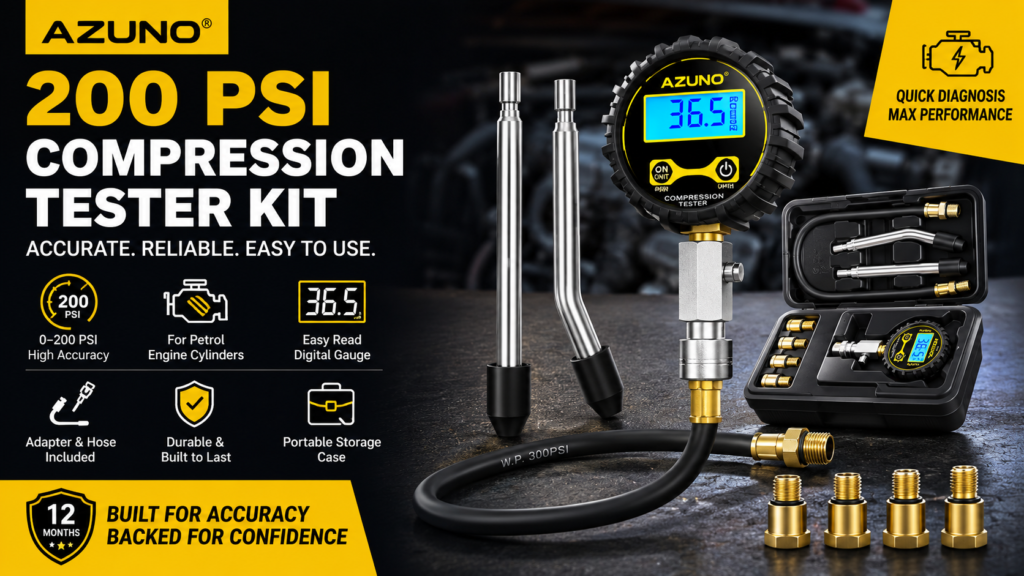
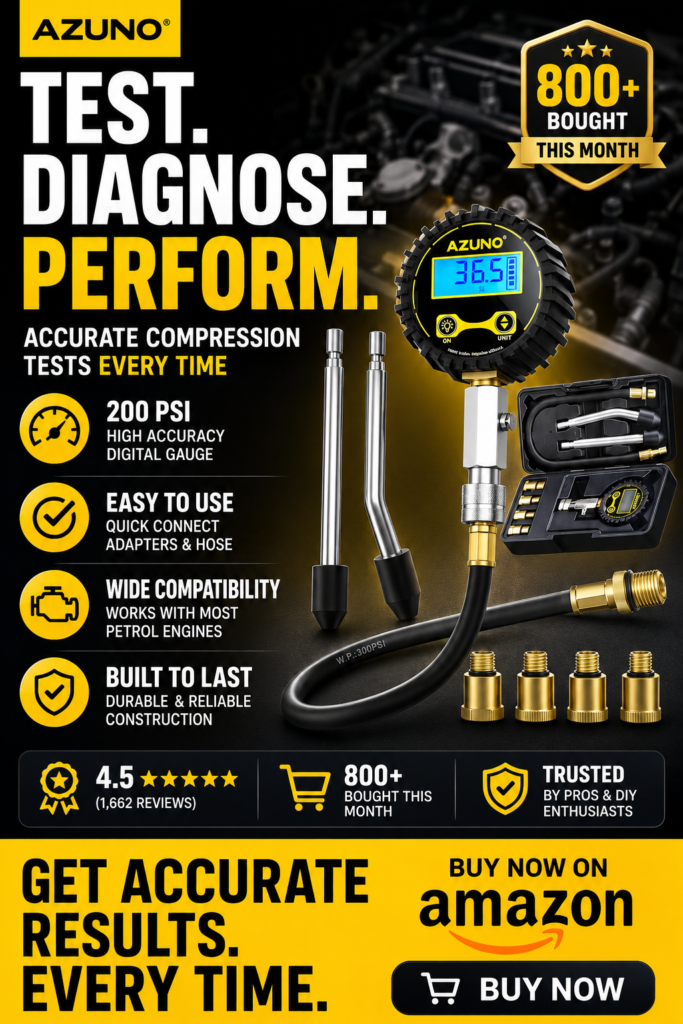
This tester comes with a digital gauge reading up to 200 PSI with clear 0.1 PSI resolution, a flexible extension hose for accessing hard-to-reach cylinders, and a full set of threaded adapters covering the most common spark plug thread sizes. The digital display gives you a clear reading without having to interpret an analog needle — you see the exact number, not an approximation.
The kit covers 10mm, 12mm, 14mm, and 18mm spark plug threads, which handles the vast majority of gasoline passenger vehicles on the road. The flexible hose is long enough to reach cylinders on engines where the spark plugs are tucked away in awkward locations — a genuine quality-of-life feature that cheaper kits skip.
How to Perform a Compression Test
Step 1: Warm the engine up to normal operating temperature, then turn it off. A warm engine gives more accurate results than a cold one.
Step 2: Remove all spark plugs. Labeling the wires or coil-on-plug connectors as you go saves headaches during reinstallation.
Step 3: Disable the fuel system — pull the fuel pump fuse or relay — so fuel doesn’t flood the cylinders during testing.
Step 4: Thread the correct adapter into the first spark plug hole by hand until snug. Connect the compression tester hose.
Step 5: Have someone crank the engine for 4–6 compression strokes while you watch the gauge. Note the peak reading and write it down.
Step 6: Repeat for every cylinder. Compare all readings. They should all fall within 10% of each other.
Step 7: If a cylinder reads low, perform the wet test — add a tablespoon of engine oil through the spark plug hole, retest, and compare results.
When You Should Do a Compression Test

Any time you’re dealing with a persistent misfire that spark plugs and ignition coils don’t fix. Any time the engine is burning oil faster than normal. Any time you’re buying a used vehicle and want to know the true engine condition. Any time the engine has overheated — head gaskets are vulnerable to heat damage and a compression test can catch a failing gasket before it becomes a catastrophic failure. If overheating is the immediate concern, engine overheating guidance explains how to react safely and what can cause it.
It’s also a smart baseline test for any higher-mileage engine you plan to keep long term. Knowing your compression numbers now means you can track changes over time.
See the Compression Tester Kit on Amazon →


Frequently Asked Questions
What is a normal compression reading for a car engine?
Most gasoline passenger car engines produce between 135 and 180 PSI per cylinder. The exact number varies by engine design — what matters most is consistency between cylinders. All readings should be within 10% of each other. A cylinder reading 20% or more below the others indicates a problem worth investigating.
Can I do a compression test by myself?
You can do most of it solo, but having a second person crank the engine while you watch the gauge makes it easier. Alternatively, some testers have a hold feature that retains the peak reading so you can crank and check yourself.
Will this work on my diesel engine?
This kit is designed for petrol (gasoline) engines. Diesel engines require a separate high-pressure compression tester since diesel compression runs 300–500 PSI — far beyond the range of this tool.
What does it mean if all cylinders are low?
Uniformly low compression across all cylinders usually indicates general engine wear — rings worn down over high mileage. It can also indicate incorrect valve timing. Compression low in all cylinders is less alarming than one cylinder significantly lower than the rest, but still warrants attention on a vehicle you plan to keep long term.
How often should I do a compression test?
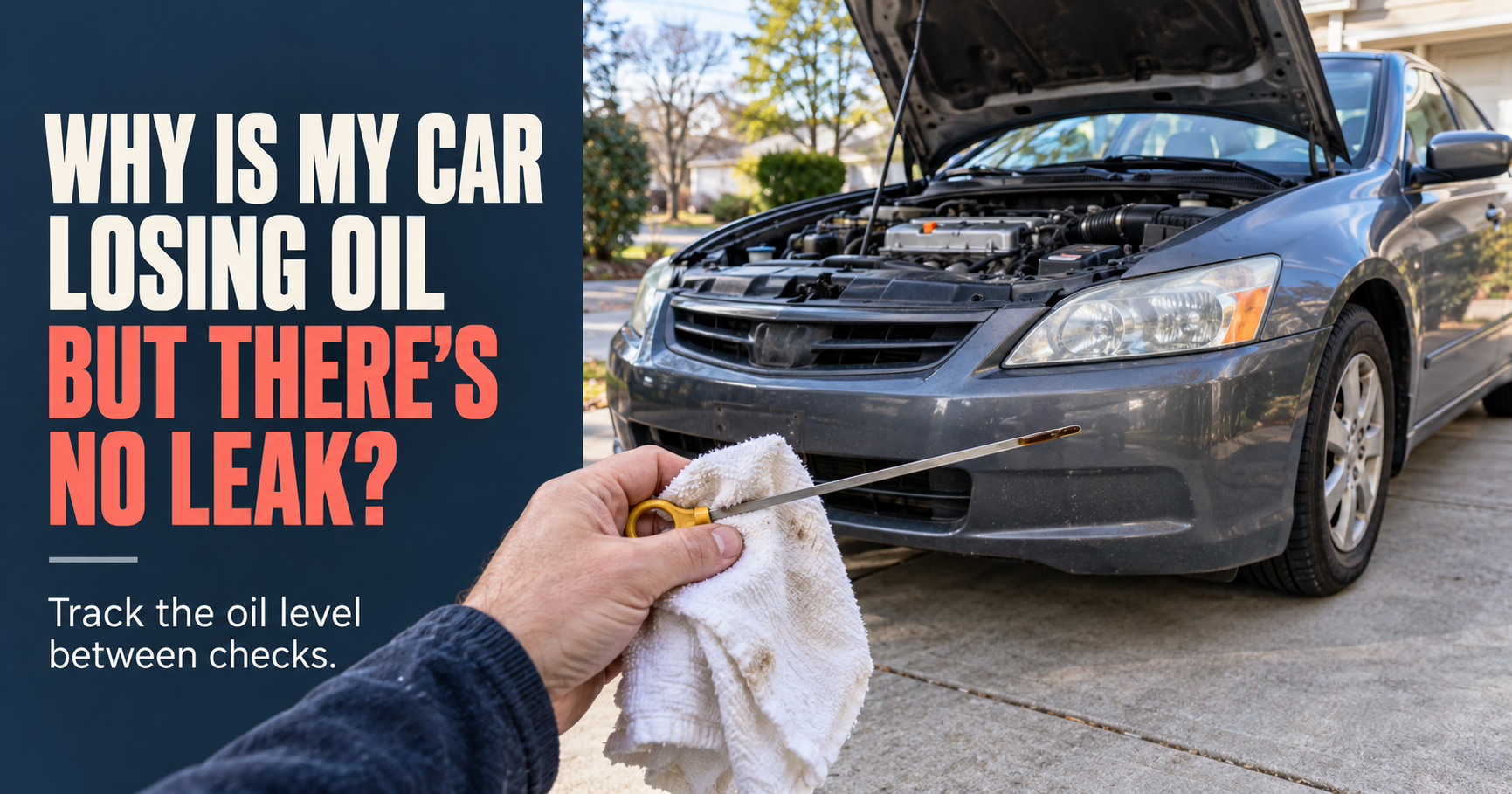
There’s no fixed interval. Do one when you’re buying a used car, when diagnosing a misfire or power loss, when the engine starts burning oil, or after any overheating event. It’s a diagnostic tool rather than a routine maintenance item.
Dana has been diagnosing car problems for over a decade — first out of necessity (three kids, one income, no money for shop rates) and eventually out of genuine passion. She’s the person her whole neighborhood texts when a warning light comes on. Dana writes for WhyIsMyCar.com to give everyday drivers the kind of straight talk she wishes she’d had when she first started figuring this stuff out on her own. Based in Ohio.