
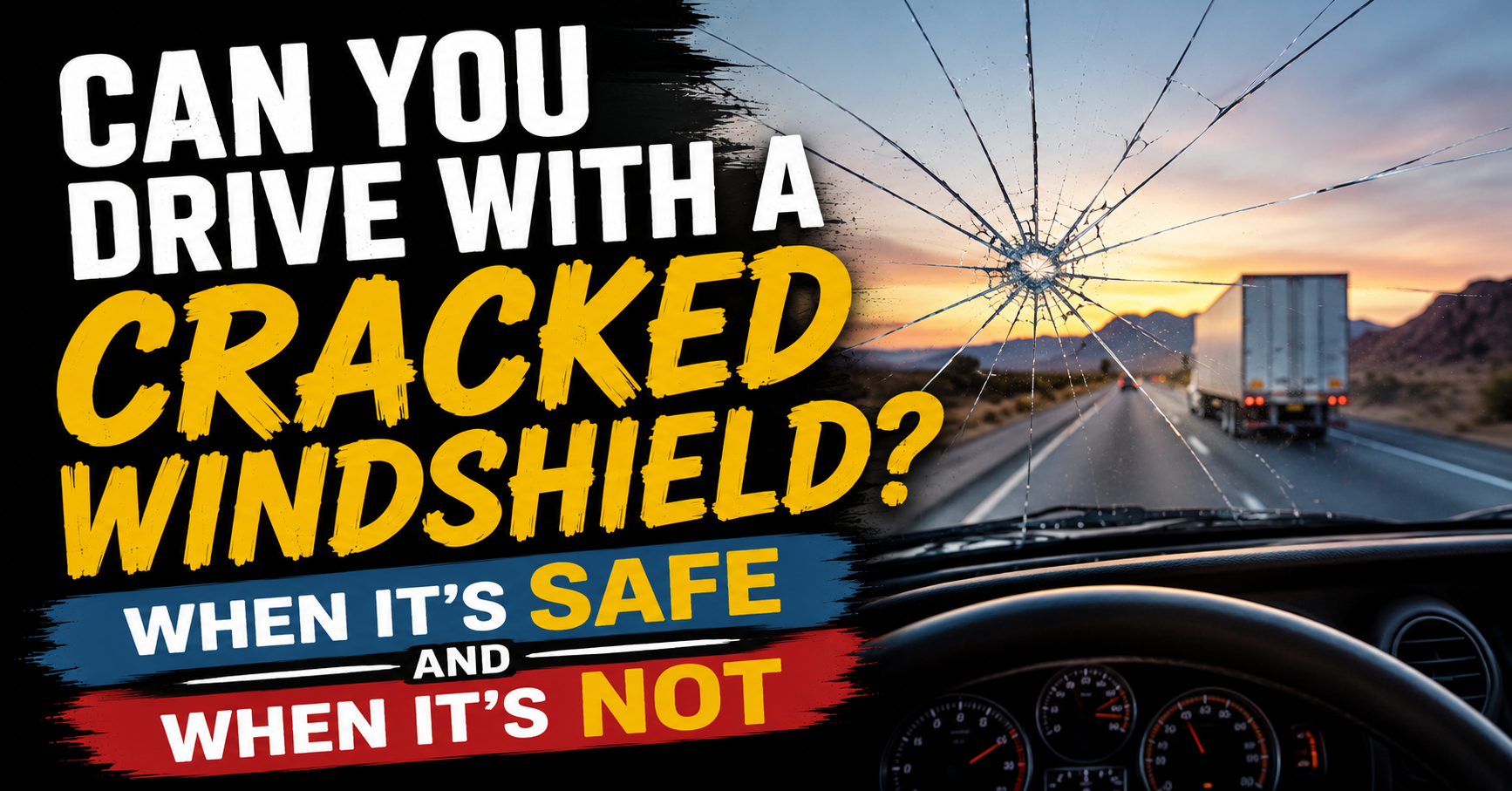
You’re driving down the road when you notice it. Maybe it’s a tiny crack that wasn’t there yesterday, or perhaps a small rock chip has suddenly grown into a line stretching across your windshield.
Your first thought is probably, “Can I still drive my car, or do I need to fix this right away?”
The answer depends on several factors, including the size of the crack, where it’s located, and whether it’s continuing to spread.
In many cases, you can drive for a short time with minor windshield damage. In other situations, driving with a cracked windshield can become a serious safety issue that shouldn’t be ignored.
If your windshield was just damaged and it’s still only a small rock chip, you may be able to repair it before it turns into a large crack. I recently put together a guide explaining how to fix a rock chip in your windshield before it spreads. Acting quickly can often save you from replacing the entire windshield.
Why a Cracked Windshield Is More Serious Than Most People Think
Many people assume the windshield simply keeps the rain and wind out of the car.
In reality, it’s one of your vehicle’s most important safety components.
A modern windshield helps:
- Support the roof during a rollover.
- Keep passengers inside the vehicle during a collision.
- Provide a solid surface for the passenger airbag to deploy against.
- Maintain the structural strength of the front of the vehicle.
When the glass is damaged, its strength may be reduced, especially if the crack continues growing.
That’s why even a crack that seems minor deserves your attention.


When Is It Usually Safe to Keep Driving?
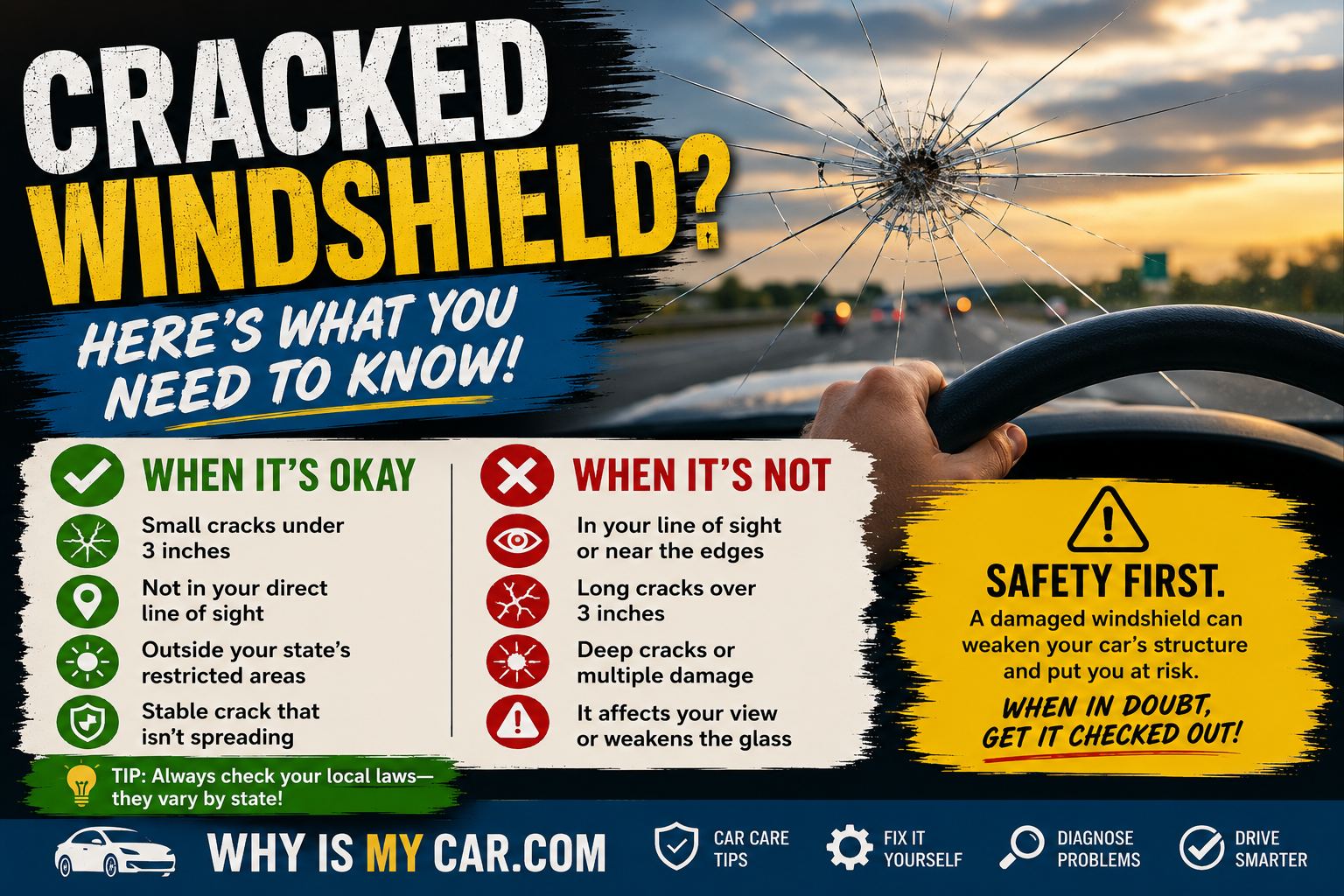
There are situations where driving for a short period is generally reasonable.
For example, you may be able to continue driving if:
- The crack is very small.
- It’s not directly in your line of sight.
- The damage isn’t reaching the edge of the windshield.
- The crack isn’t getting longer.
- Visibility remains completely clear.
That doesn’t mean you should ignore it.
Small cracks have a habit of becoming much larger when you least expect it.
When You Should Stop Driving As Soon As Possible
Some windshield damage creates a much greater safety risk.
You should arrange for repair or replacement as soon as you can if:
- The crack blocks your vision.
- The damage reaches the edge of the windshield.
- Multiple cracks are spreading in different directions.
- The windshield has been struck more than once.
- Pieces of glass are beginning to loosen.
- The crack suddenly becomes much longer after driving.
If you’re questioning whether it’s safe, having the windshield inspected is always the better choice.
Why Windshield Cracks Get Bigger
One of the most frustrating things about windshield damage is that it rarely stays the same size.
A crack that measures only an inch today can become several inches long tomorrow.
That’s because your windshield is constantly expanding, contracting, and flexing while you drive.
Some of the biggest reasons cracks spread include:
- Hot summer temperatures.
- Freezing winter mornings.
- Rough roads.
- Potholes.
- Railroad crossings.
- Slamming the vehicle doors.
- Running the defroster on very cold glass.
None of these things would normally damage a healthy windshield, but they can quickly make existing damage worse.
Can a Small Crack Be Repaired?
Sometimes.
If the damage is still very small and hasn’t spread significantly, a repair may still be possible.
However, once the crack becomes too long or reaches the edge of the windshield, replacement is often the safest solution.
That’s why repairing fresh rock chips before they become cracks is almost always the better approach. For small chips that have not spread, how to fix a windshield rock chip explains an early repair approach.
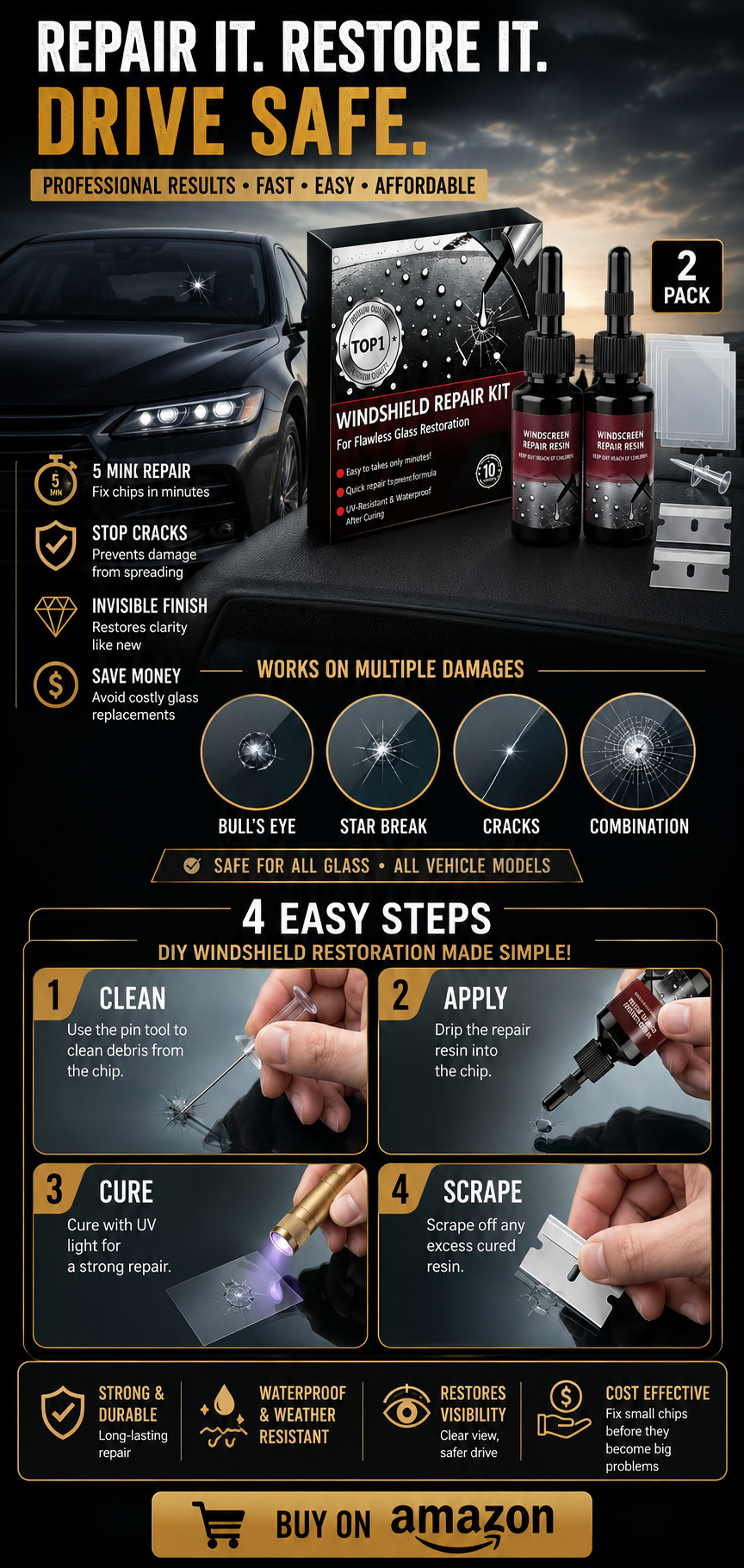
If your damage is still minor, this 2-Pack Nano Windshield Repair Kit may help stop the problem before it becomes much more expensive. You can see the latest price here: https://amzn.to/4eWtlXC.
Does Weather Make a Difference?
Absolutely.
Temperature changes are one of the biggest reasons windshield cracks spread unexpectedly.
For example:
- Parking in direct sunlight after a cold night.
- Turning the heater on high during freezing weather.
- Running ice-cold washer fluid onto hot glass.
- Sudden hail storms.
- Rapid temperature swings between day and night.
Even if you aren’t driving very much, weather alone can make existing damage worse.
Is Driving With a Cracked Windshield Illegal?
That depends on where you live.
Many states have laws that prohibit windshield damage if it blocks the driver’s vision or creates an unsafe condition.
Even if your state doesn’t specifically prohibit small cracks, a police officer may still consider severe windshield damage to be a safety concern.
It’s worth checking your local vehicle inspection and traffic laws if you’re unsure.
Can a Windshield Crack Suddenly Get Worse?
Yes, and it happens more often than many people realize.
You might park your car overnight with a crack that’s only a couple of inches long and wake up to find it has doubled in size. Sometimes the change is gradual, but other times it seems to happen all at once.
Several things can cause a crack to spread unexpectedly, including:
- Driving over potholes or rough roads.
- Sudden changes in outside temperature.
- Slamming your vehicle’s doors.
- Hitting another piece of road debris.
- Normal twisting and flexing of the vehicle’s body while driving.
Once a crack starts growing, it usually won’t stop on its own.

What If the Crack Is in Your Line of Sight?
This is one situation where I wouldn’t recommend waiting.
Even a small crack or chip directly in front of the driver can scatter sunlight or headlights from oncoming traffic, making it harder to see the road clearly.
At night or during heavy rain, that distortion becomes even more noticeable.
If the damage is affecting your vision, replacing the windshield is usually the safest decision.
Repair vs. Replacement
One of the most common questions people ask is whether a damaged windshield can simply be repaired.
The answer depends on how far the damage has progressed.
A repair is often possible when:
- The damage is a small rock chip.
- The crack is very short.
- The damage isn’t near the edge of the windshield.
- The chip is still clean and hasn’t collected dirt or moisture.
A replacement is usually recommended when:
- The crack continues growing.
- The damage reaches the edge of the windshield.
- There are multiple cracks.
- The driver’s view is affected.
- The windshield’s structural strength has been compromised.

If your windshield only has a fresh rock chip, don’t wait until it becomes a crack. I explain the entire repair process in my guide on fixing a windshield rock chip before it spreads, including when a simple DIY repair can save you from replacing the entire windshield.

How Much Does It Cost to Replace a Windshield?
Replacement costs vary depending on your vehicle.
Basic vehicles without advanced safety systems are usually less expensive than newer models equipped with lane departure cameras, rain sensors, heated windshields, or heads-up displays.
While prices vary, replacing a windshield almost always costs significantly more than repairing a small rock chip.
That’s why taking care of minor damage early can save a considerable amount of money later.
Does Insurance Cover Windshield Damage?
Many comprehensive auto insurance policies include some type of glass coverage.
Depending on your policy, your insurance company may cover:
- Windshield chip repairs.
- Partial replacement costs.
- Full windshield replacement.
Some insurers even waive the deductible for chip repairs because repairing a small chip is much cheaper than paying for a complete windshield replacement later.
It’s worth checking with your insurance company before scheduling a repair.
Tips to Help Prevent Windshield Damage
You can’t prevent every rock from hitting your windshield, but you can reduce the chances.
A few simple habits can make a difference:
- Leave extra space behind gravel trucks and construction vehicles.
- Slow down on loose gravel roads whenever it’s safe.
- Replace worn windshield wipers before they scratch the glass.
- Avoid sudden temperature changes whenever possible.
- Repair chips before they become cracks.
Unfortunately, windshield damage is simply part of driving. The goal is catching problems early before they become expensive.
Other Vehicle Problems You Shouldn’t Ignore
A cracked windshield isn’t the only small problem that can turn into a costly repair if it’s ignored.
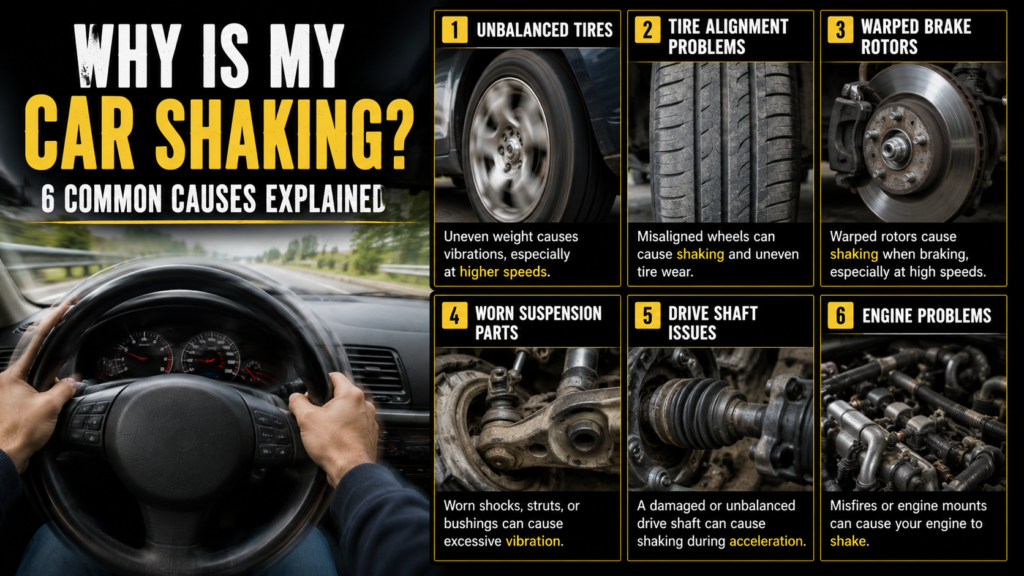
For example, if your vehicle has started shaking while you drive, it’s worth learning what causes a car to shake while driving before the problem becomes worse.
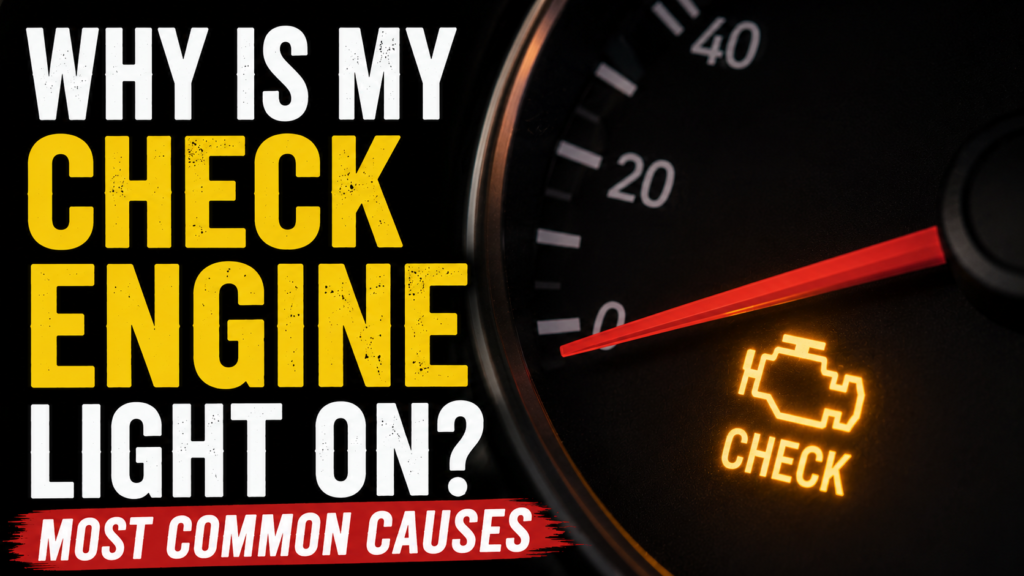
Likewise, if a warning light suddenly appears on your dashboard, our guide explaining the most common reasons a check engine light comes on can help you understand what your vehicle may be trying to tell you before scheduling repairs.
Frequently Asked Questions
Can I drive on the highway with a cracked windshield?
That depends on the size and location of the crack.
A very small crack that isn’t growing and doesn’t interfere with your view may not be an immediate problem for a short drive. However, highway speeds create more wind pressure and vibration, which can cause existing damage to spread faster.
If you’re planning a long trip, it’s always better to repair or replace the windshield beforehand.
Can a cracked windshield shatter while I’m driving?
It’s possible, but it’s not common.
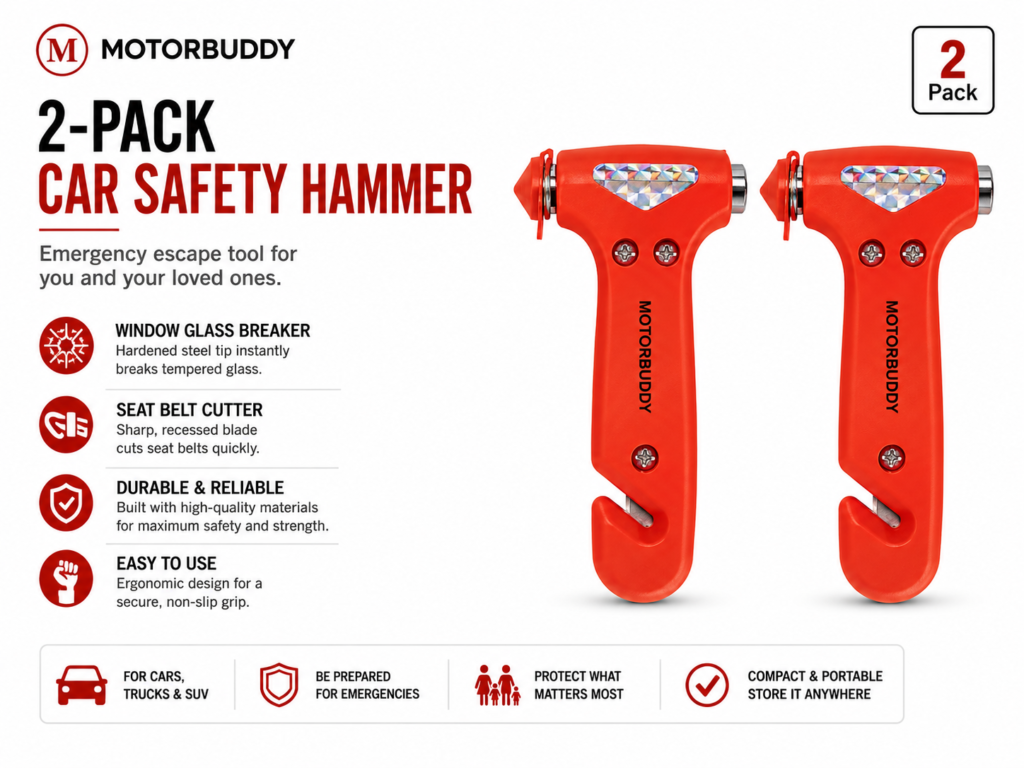
Modern windshields are made from laminated safety glass, which is designed to stay together even when it’s damaged. Instead of shattering into thousands of sharp pieces, the glass usually remains bonded to the plastic layer in the middle. Because laminated windshields are not designed to shatter, review these vehicle escape tool options for breaking side-window glass and cutting a seatbelt in an emergency.
Even so, a severely damaged windshield has lost some of its structural strength, which is one reason you shouldn’t ignore large or expanding cracks.
How long can I wait before fixing a cracked windshield?
There’s no exact timeline.
Some cracks stay the same size for weeks, while others spread within hours.
The safest approach is to have the damage repaired as soon as possible. Waiting almost always increases the chances that a repairable chip or crack will become a much larger problem.
Will a cracked windshield fail a vehicle inspection?
It might.
Many states have inspection requirements that prohibit windshield damage if it blocks the driver’s vision or creates a safety concern.
Even if your state doesn’t require inspections, driving with severe windshield damage may still violate traffic laws depending on where you live.
Can cold weather make a windshield crack worse?
Yes.
Cold temperatures cause the glass to contract, while warm temperatures make it expand. Those repeated changes place additional stress on damaged areas and can cause cracks to grow.
That’s one reason many people notice their windshield suddenly cracks farther after a cold winter night.
Can I stop a windshield crack from spreading?
Sometimes, but it depends on how far the damage has progressed.
If the damage is still a fresh rock chip or a very small crack, repairing it immediately gives you the best chance of preventing it from spreading.
Once a crack becomes long or reaches the edge of the windshield, replacement is usually the safest option.
My Recommendation
If you’re looking at a small crack and wondering whether you can keep putting off the repair, my advice is simple: don’t wait any longer than necessary.
Windshields rarely fix themselves, and cracks almost never stop growing on their own.
The sooner you deal with the damage, the better your chances of avoiding a full windshield replacement.
If your windshield only has a fresh rock chip or very minor damage, it’s worth taking a look at this 2-Pack Nano Windshield Repair Kit before the problem gets worse. You can check the latest price and read customer reviews here: https://amzn.to/4eWtlXC.
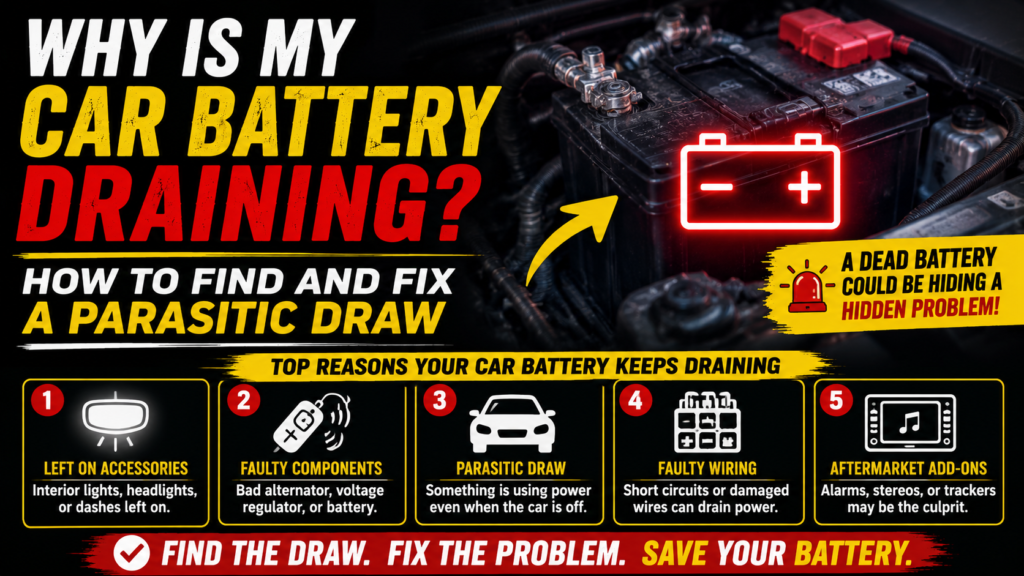
Keeping your windshield in good condition is just one part of staying safe behind the wheel. It’s also important to keep your battery, brakes, tires, and engine in good shape before small issues become expensive repairs. If you’re working through other vehicle problems, you may also find our guide on what causes a car battery to keep draining helpful, along with our article explaining what to do when your car clicks but won’t start.
About the Author
Ethan Caldwell is an automotive writer with a passion for helping everyday drivers understand common vehicle problems without the confusing technical language often found in repair manuals. He researches automotive maintenance, diagnostic procedures, and repair products to create practical guides that help readers make informed decisions, save money when possible, and know when it’s time to seek professional repairs.