
A car with 200,000 or 300,000 miles can make every new noise feel expensive.
You hear a rattle and wonder if it’s finally giving up. Then the car starts the next morning, drives to work, and acts like nothing happened.
That’s the awkward part of owning an older car. You don’t want to panic over every sound, but you also don’t want to miss something small that turns into a breakdown.
Our 2011 Hyundai Sonata recently passed 300,000 miles. I can’t point to one magic product or trick that got it there. What I can say is that, at this mileage, paying attention to changes matters a lot more than pretending everything is fine until the car stops.
Keep Up With the Basics, Even If the Car Isn’t Worth Much
It’s easy to look at an old car and think, Why spend money maintaining something with almost no resale value?
Because you’re maintaining the transportation you use, not polishing it for the next buyer.
Start with the service schedule in your owner’s manual. That gives you a better starting point than a generic “high-mileage package” offered at the counter. Your driving conditions and service history matter, too. The FTC recommends comparing a shop’s suggested services with the manufacturer’s schedule for your kind of driving.
If you don’t know when something was last done, say so. A mechanic can inspect what’s accessible and help you prioritize. Guessing that every fluid and part must be replaced immediately can get expensive fast.
Check the Oil Between Changes
Getting the oil changed on time is one part of the job. Knowing whether the engine is keeping its oil is another.
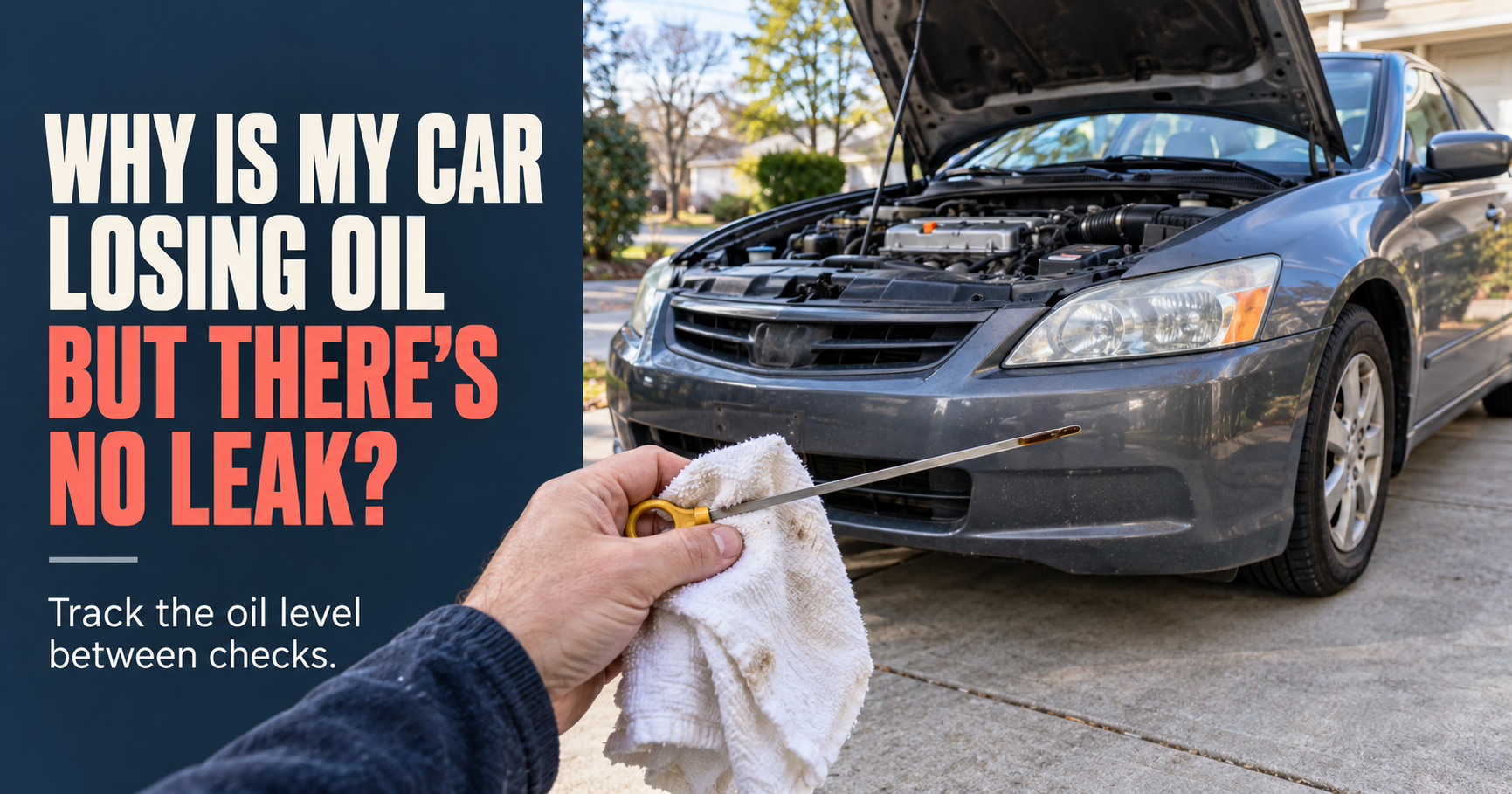
Park on level ground and follow your owner’s manual for checking the dipstick. Make sure the level is within the marked range. If it’s low, use the oil specification your vehicle calls for and avoid overfilling it.
How often should you look? More often if you’ve noticed the level dropping, a new leak, or a burning oil smell. Hyundai advises owners to check oil levels regularly and use the grade and change interval specified for their vehicle.
A car that needs oil added between changes deserves attention. Note how much you add and how many miles it takes to get low again. That information is much more useful to a mechanic than “I think it uses some oil.”
If the oil-pressure warning comes on while driving, treat that differently from an ordinary maintenance reminder. Pull over safely and shut the engine off. Don’t assume you can finish the trip just because the engine still sounds normal.
Don’t Ignore a Slow Coolant Loss
Coolant shouldn’t be disappearing without a reason.
When the engine is completely cool, you can look at the level in the reservoir and watch for changes over time. Don’t remove a radiator cap from a hot engine.
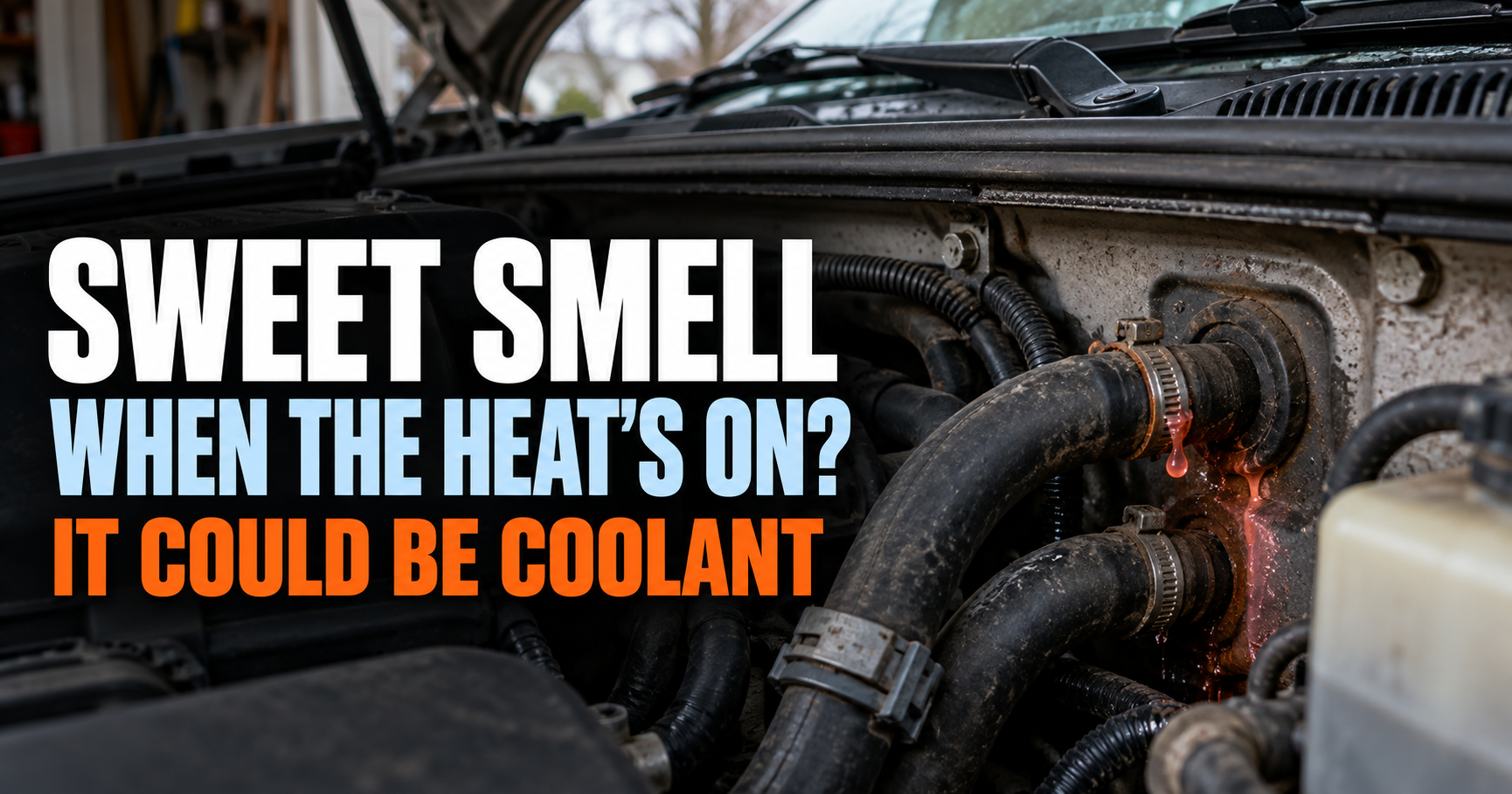
A low level could point to a leak. A sweet smell, damp carpet, visible dripping, or a rising temperature gauge gives you more clues, but none of those proves where the coolant is going.
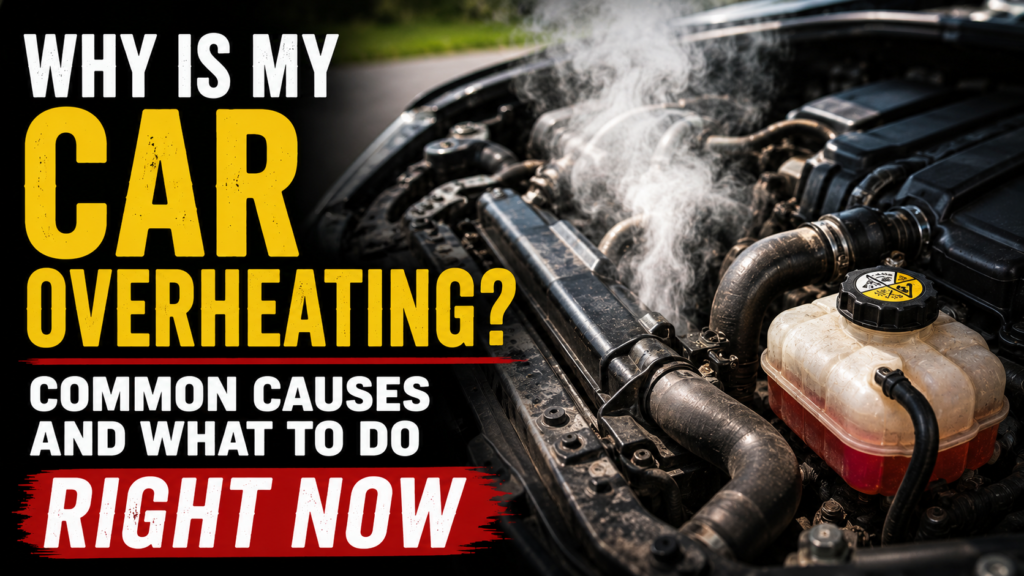
Our guides to a car that’s overheating and a heater that smells sweet can help you describe the symptoms before you call a shop.
An overheating engine is not something I’d try to “just get home” with. The damage from continuing to drive could be far worse than the original problem.
Take Tires, Brakes, and Steering Seriously
A high-mileage car can still run beautifully while something underneath it needs work.
Our Sonata has needed ball joints replaced over time. That experience taught us not to treat every clunk as background noise just because the car is old. If the steering feels loose, the car starts pulling, or you hear a new knock over bumps, have it checked.
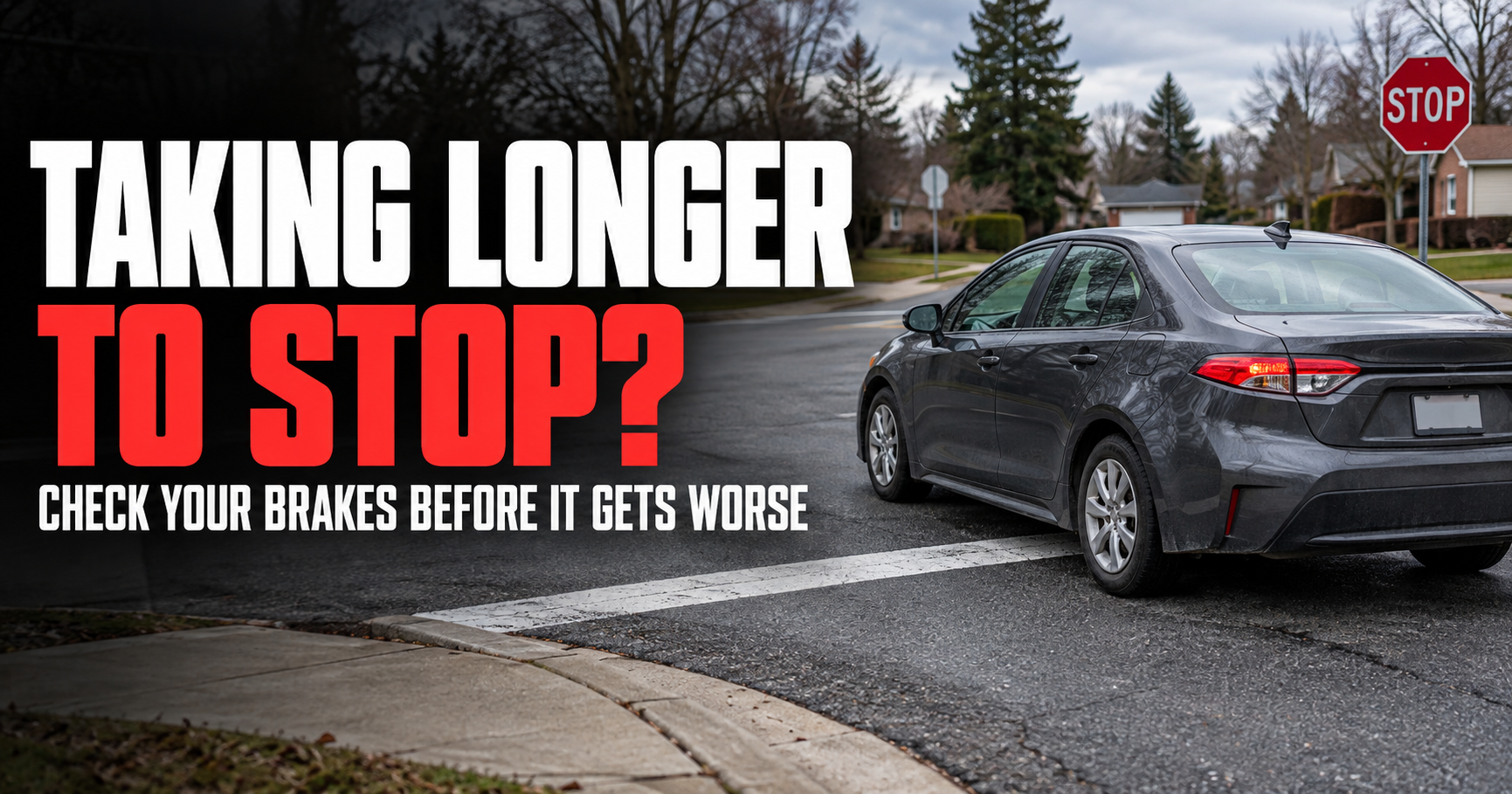
Pay attention to braking changes as well. A pedal that suddenly feels soft, a longer stopping distance, or a pull during braking deserves a prompt inspection. These clues behind a car taking longer to stop are worth knowing before the problem gets worse.
Check tire pressure with a gauge rather than waiting for a warning light. NHTSA notes that tire-pressure monitoring systems may not warn you until a tire is significantly underinflated. Check pressures when the tires are cold and use the pressure on the driver’s door label, not the maximum printed on the tire.
Also look at the tires while you’re there. Uneven wear, a bulge, exposed cords, or a tire that repeatedly loses air needs more than another quick fill-up.
A New Smell or Noise Is Information
You don’t need to diagnose a car by ear. You can notice when it changes.
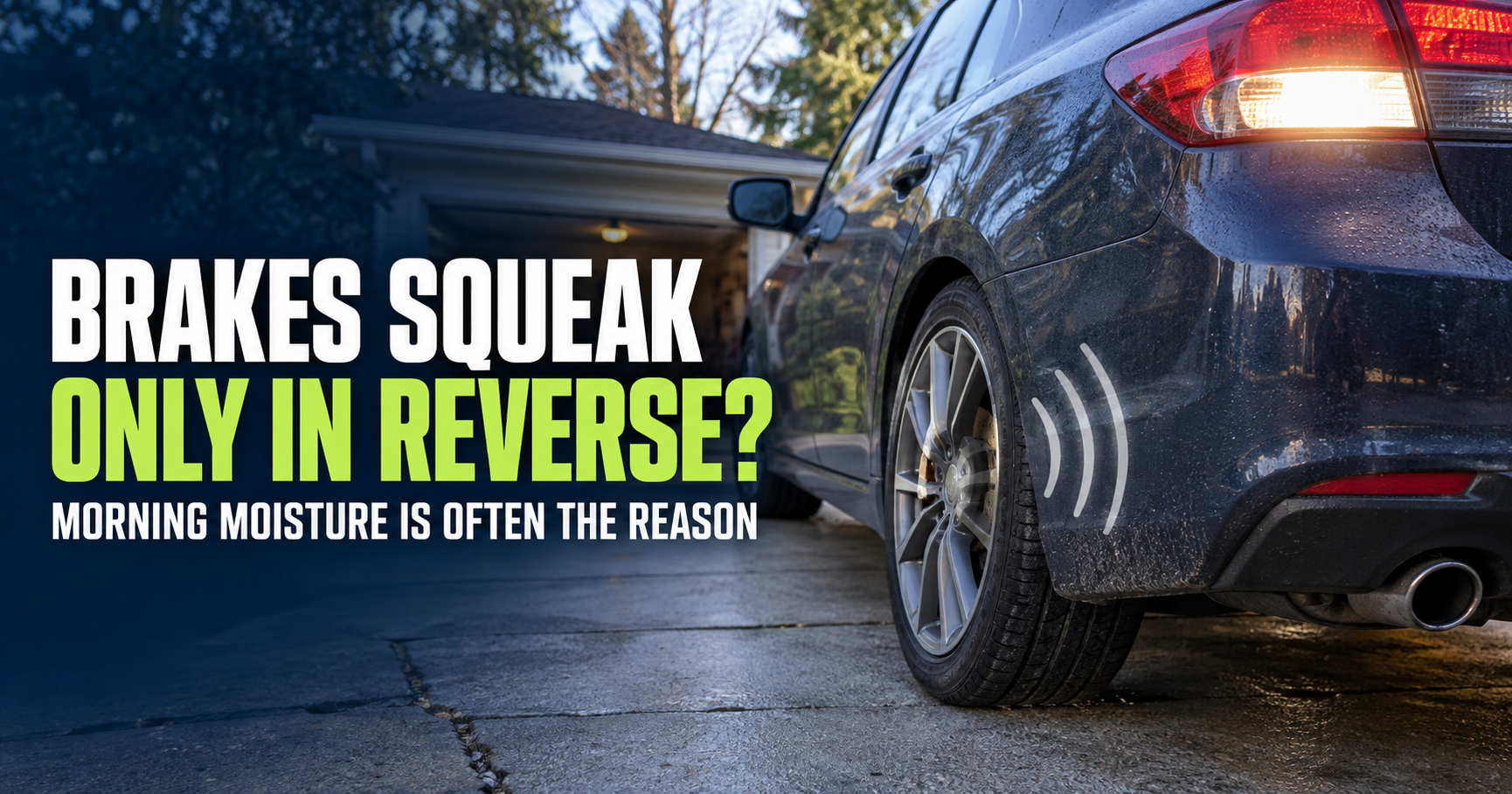
Was the sound there yesterday? Does it happen only while braking, turning, accelerating, or going over bumps? Does the smell show up after a short drive or only when the heater is on?
Write down those details. Even a short note on your phone can help when the car behaves perfectly during its appointment.
Our Sonata’s exhaust has developed rust and needed attention. If an exhaust system gets louder or you smell fumes inside the car, have it inspected. Don’t assume a loud muffler is only an annoyance.
The same goes for a plastic shield hanging beneath the engine. It might look minor, but you need to know whether it can catch on the road or whether something behind it has been damaged. Have it secured or properly removed by someone who can see what it protects.
Keep a Simple Repair Record
You don’t need an elaborate spreadsheet. A folder of receipts or a note on your phone is enough to start.
Record the date, mileage, what was replaced, and what the mechanic said to watch. If you add oil between changes, write that down, too.
This helps in two ways. You won’t pay for work that was already done recently, and you’ll have a better picture of whether problems are occasional or piling up.
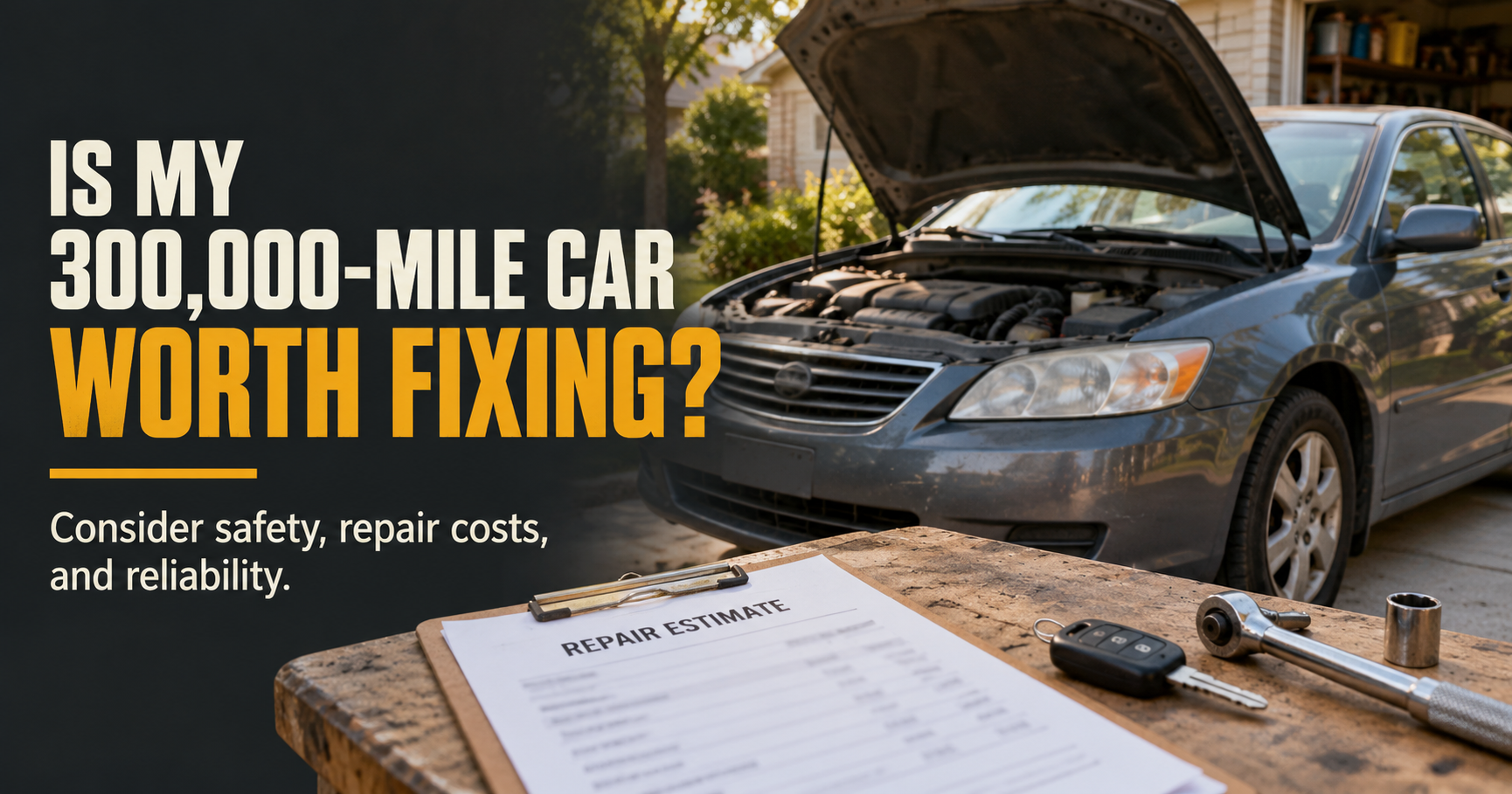
That second part matters when a big estimate arrives. We covered how to decide whether a 300,000-mile car is worth fixing because the answer depends on the car’s overall condition, not the odometer by itself.

Check for Open Recalls by VIN
This is one check that’s easy to forget on a car you’ve owned for years.
Look up your vehicle’s VIN through NHTSA’s recall tool. It checks for unrepaired safety recalls specific to that vehicle. An open recall repair is performed free at a dealership, according to NHTSA.
Don’t assume a used car had every recall handled before you bought it. Checking the VIN gives you an answer.
Know Which Repairs Can Wait and Which Can’t
Keeping a high-mileage car going doesn’t mean fixing every imperfection.
Our Sonata’s automatic light function no longer works properly, so we operate the lights manually. That takes attention, but it hasn’t kept the car from running. A loose ball joint, failing brake component, overheating engine, or exhaust fumes in the cabin belongs in a very different category.
When the shop finds a problem, ask one plain question: “What happens if I wait a month?”
Ask whether it affects safety, whether waiting could damage another part, and what signs mean you should stop driving. A good explanation helps you spend money where it matters most.
About the author: Morgan Ellis writes practical car care and troubleshooting guides for Why Is My Car.


