Overtightened lug nuts warp brake rotors. Undertightened ones can let a wheel come loose. Here’s why a click torque wrench is essential — and how this one performs.
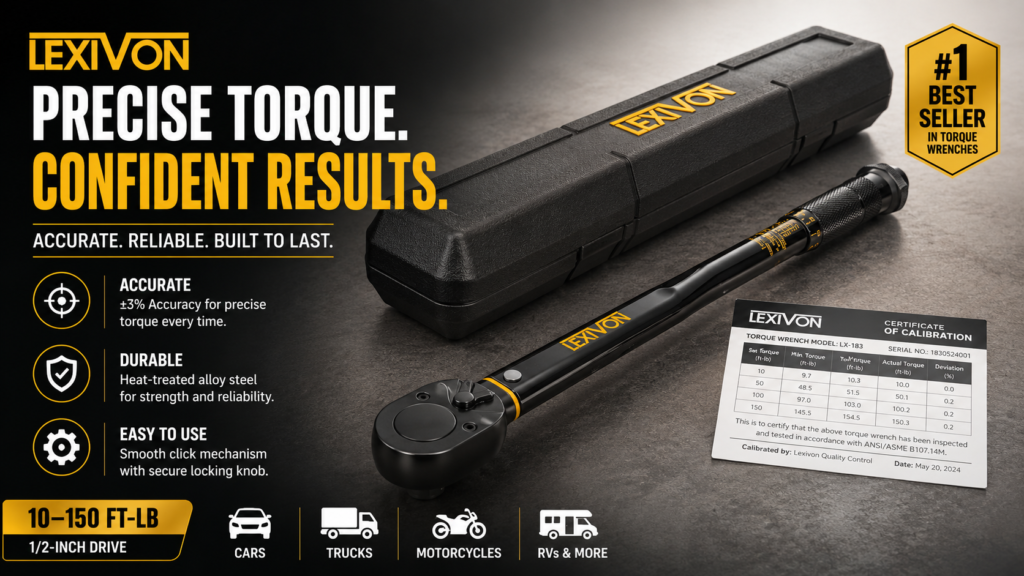
Overtightened lug nuts strip threads and warp brake rotors. Undertightened ones can let a wheel come loose at speed. A torque wrench isn’t a fancy extra tool — it’s the difference between a wheel that’s properly secured and one that’s guessed at. The LEXIVON 1/2-Inch Drive Click Torque Wrench takes the guesswork out completely, with a satisfying click when you hit your target torque every single time.
Any time you put a wheel back on a vehicle, you need to torque the lug nuts. This applies to tire rotations, brake jobs, suspension work, or any time a wheel comes off the car for any reason. The correct torque spec varies by vehicle — typically 80–120 ft-lb for most cars and trucks — and hitting that spec precisely protects your rotors from warping and your wheel studs from damage.
Why Proper Torque Matters More Than Most People Realize
Brake Rotor Warping
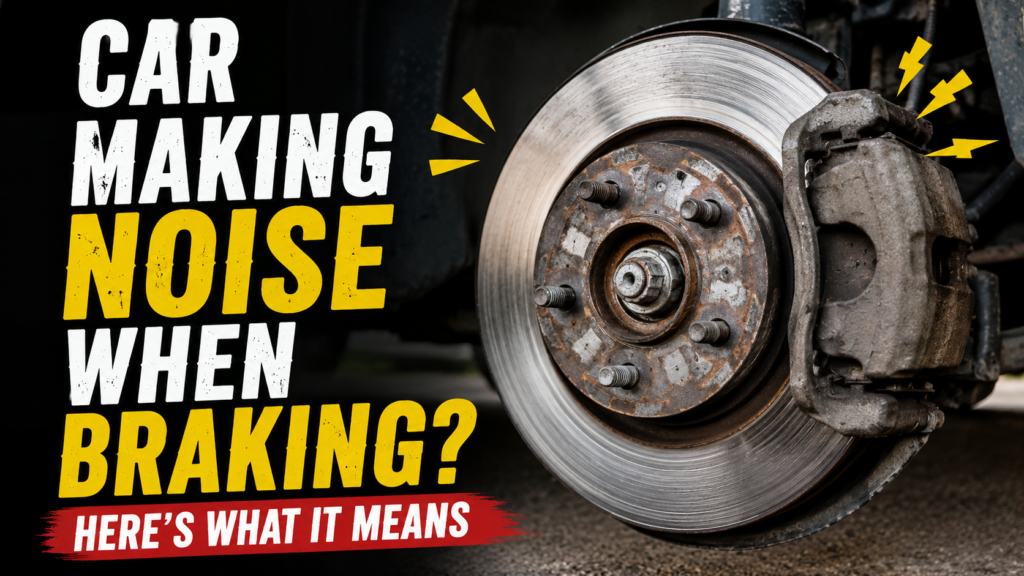
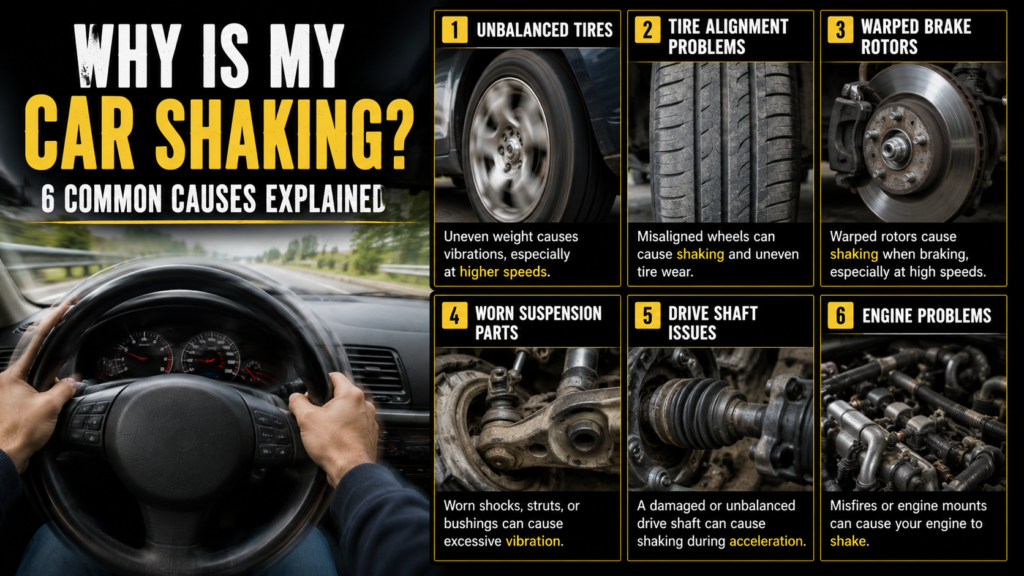
This is the most common consequence of improper lug nut torque. When lug nuts are overtightened unevenly — as happens when you use an impact gun at a gas station or tire shop without a torque stick — they stress the hub and rotor unevenly. Over the next few heat cycles of braking, that uneven stress causes the rotor to warp. The result is the brake pulsing and steering wheel shudder that so many drivers experience after a tire change. Torquing lug nuts properly and in a star pattern prevents this entirely. If warped or damaged rotors are producing unfamiliar sounds, Car Making Noise When Braking? Here’s What It Means explains what different brake noises can indicate.
Wheel Stud Damage
Overtightened wheel studs can stretch, crack, or fail — sometimes not immediately but under the stress of a hard corner or pothole. A broken stud is a safety issue and an expensive repair. The click mechanism on a torque wrench prevents going past the target torque no matter how much force you apply.
Thread Stripping
Aluminum wheels and aluminum hubs are especially vulnerable to thread stripping from overtightening. Once threads are stripped, you’re looking at a much more involved repair than proper torque ever cost you.
Proper Wheel Installation Helps Prevent Vibrations
Using the correct torque specification isn’t just about preventing loose lug nuts. Properly tightened wheels help ensure the wheel sits evenly against the hub, reducing the chance of vibration caused by uneven installation.
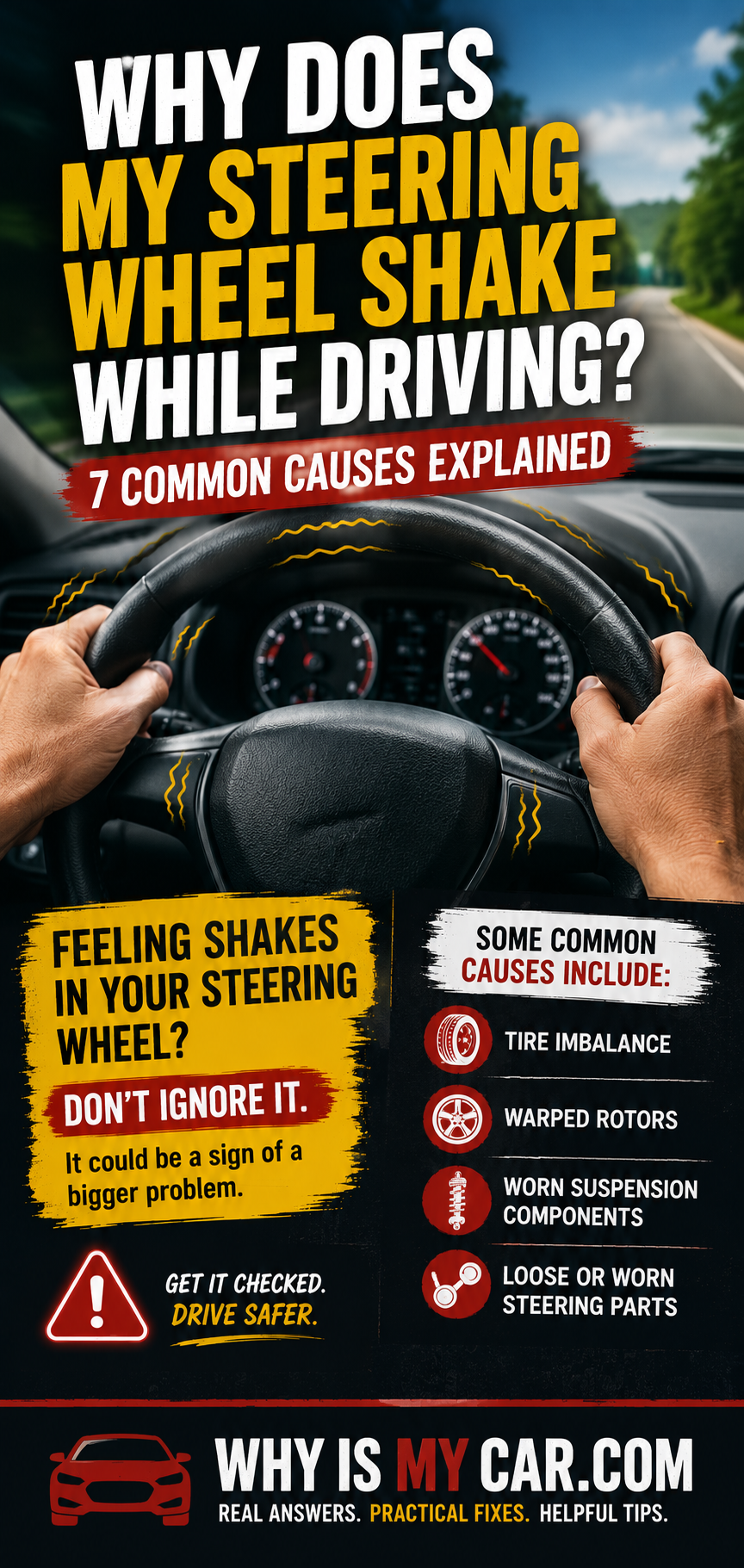
If you’ve recently rotated your tires or replaced a wheel and now notice vibration, our guide on why a steering wheel shakes while driving walks through the most common causes and the steps you should take to diagnose the problem.

How to Use a Click Torque Wrench
Step 1: Look up your vehicle’s lug nut torque specification. It’s in the owner’s manual, on a sticker in the door jamb on some vehicles, or a quick search online for your year, make, and model.
Step 2: Set the torque wrench to your target torque by turning the handle grip to adjust the scale. The main scale and vernier scale work together — the main scale shows tens, the grip scale shows single units.
Step 3: Snug all lug nuts by hand first, then in a star pattern to seat the wheel evenly.
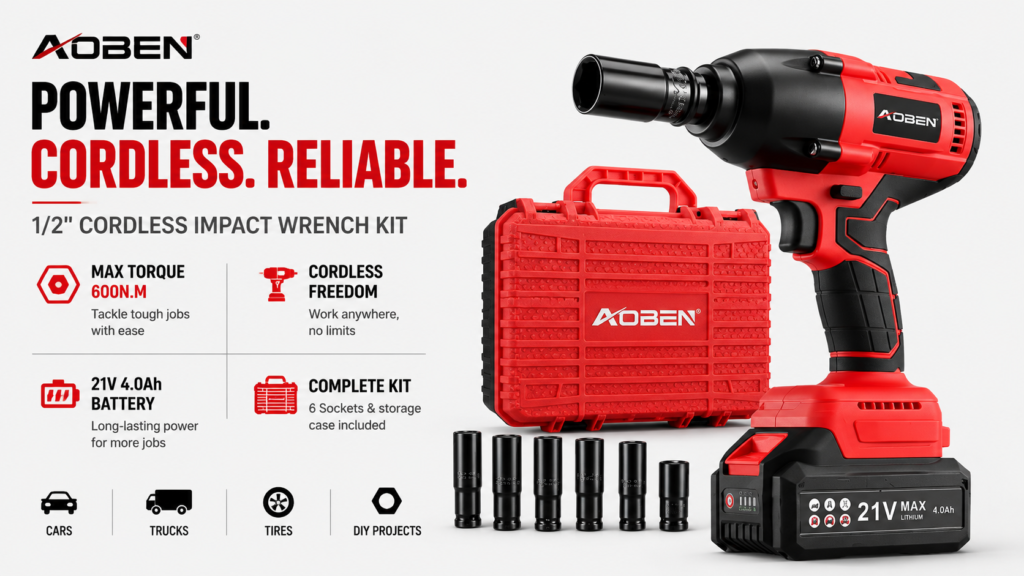
Step 4: Apply the torque wrench in a star pattern, applying smooth, steady pressure. When the wrench reaches the set torque, you’ll hear and feel a distinct click. Stop immediately — the click means you’re at torque, not that you should keep going. Use an impact wrench to remove and initially snug the lug nuts, then follow this final torque-wrench step for accurate reinstallation: Best Cordless Impact Wrench for Changing Tires – Honest Review.
Step 5: After driving 25–50 miles, retorque — wheels can settle slightly after initial installation and lug nuts sometimes loosen marginally.
Step 6: After use, store the wrench at its lowest torque setting to relieve spring tension and maintain calibration accuracy over time.
Range and Applications
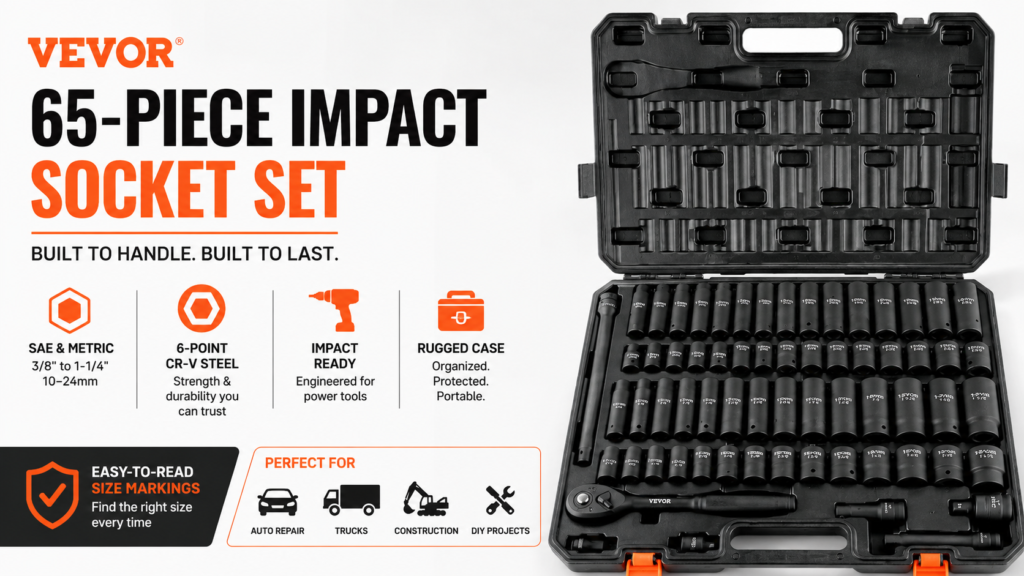
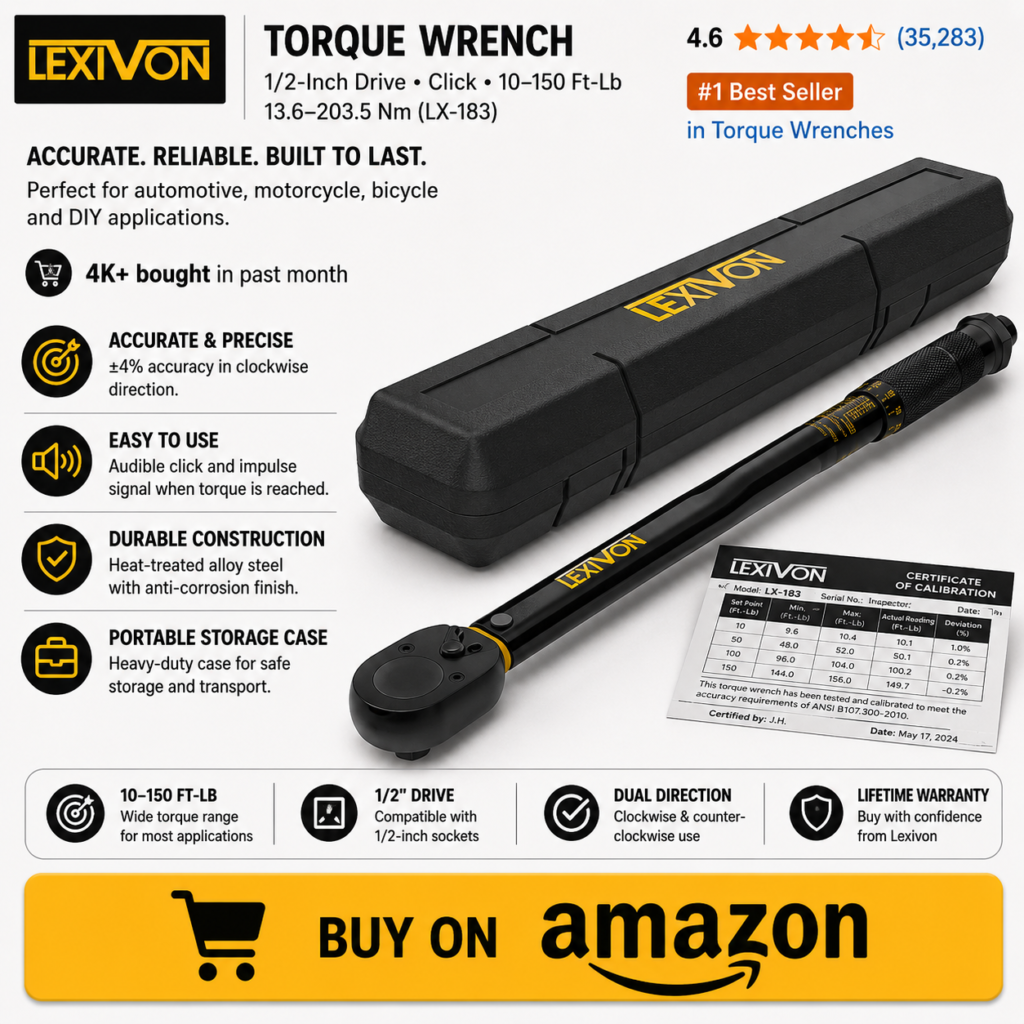
The 10–150 ft-lb range covers lug nuts on virtually all passenger cars, trucks, and SUVs. It also handles brake caliper bolts, suspension components, and most other chassis fasteners. It won’t cover very high-torque applications like axle shaft nuts on some trucks, which can require 200+ ft-lb, but for typical wheel and brake work it covers everything you’ll encounter. You’ll also need a suitable range of socket sizes for wheel and brake work when working on those fasteners.
The reversible ratchet head allows use in both directions — tightening in clockwise mode and loosening in counterclockwise mode, useful for breaking loose fasteners that have been overtightened.
See the LEXIVON Torque Wrench on Amazon →
Frequently Asked Questions
Do I really need a torque wrench just for lug nuts?
If you ever change your own tires, rotate your own wheels, or do brake work — yes. It’s one of the most important tools for anyone doing their own wheel work, and the consequence of not using one (warped rotors, loose wheels, damaged studs) is expensive enough to justify the purchase immediately.
How accurate is it?
LEXIVON rates it at ±4% accuracy in the mid-range, which is well within the acceptable range for automotive fastener work. The included calibration certificate confirms the individual unit has been tested to spec at the factory.
Should I store it at its lowest setting?
Yes. Storing at low torque setting relieves tension on the internal spring mechanism, which preserves calibration accuracy over years of use. Storing at a high setting compresses the spring permanently and causes calibration drift over time.
What’s the correct torque for my lug nuts?
It varies by vehicle. Most passenger cars run 80–100 ft-lb. Half-ton trucks often run 100–140 ft-lb. Your owner’s manual has the exact spec, or search online for your year, make, model, and lug nut torque spec — it takes about 10 seconds.
Can I use it for spark plugs?
The 10 ft-lb minimum may be too high for some spark plug applications — spark plugs typically require 10–25 ft-lb depending on the plug and engine. Check your vehicle’s spark plug torque spec. For the lower end of that range, a smaller 3/8-inch drive torque wrench with a lower minimum is more appropriate.
Ryan is a former fleet mechanic who spent twelve years maintaining commercial vehicles before transitioning to writing about automotive issues for regular drivers. He’s worked on everything from economy sedans to full-size diesel trucks and has a particular obsession with electrical gremlins that make no sense until suddenly they do. Ryan contributes to WhyIsMyCar.com because most car content online is either too technical or too vague — he aims for the middle ground where people actually learn something.