That grinding, squealing, or clunking noise coming from your brakes the moment you press the pedal is one of those sounds that’s impossible to ignore — and honestly, you shouldn’t. Brake noises are your car’s most direct way of telling you something is wrong, and figuring out exactly what kind of noise you’re hearing can tell you almost everything you need to know about what’s going on and how urgent it really is.
Quick Answer: Squealing when braking is almost always worn brake pads — most pads have a built-in metal wear indicator that squeals on purpose to warn you. Grinding means metal-on-metal contact, which means the pads are gone and the rotors are being damaged. Clunking or knocking points to loose hardware or suspension issues. Squealing is a warning. Grinding is an emergency.
Not all brake noises mean the same thing, and not all of them mean you’re about to lose your brakes entirely. But every single one of them means something — and knowing the difference between a squeal and a grind could save you hundreds of dollars and keep you a lot safer on the road.
Let’s break down exactly what each noise means, what’s causing it, and what you need to do about it.
What Each Brake Noise Is Telling You
The type of noise matters more than anything else here. Before you even think about costs or repairs, identify which sound you’re actually hearing.
Squealing or Squeaking When You Brake
This is the most common brake noise by a wide margin, and the good news is it’s usually the least urgent — though that doesn’t mean you should ignore it.
Worn brake pad indicators. Most brake pads have a small metal tab built into them called a wear indicator. When the pad wears down to a certain point, that tab contacts the rotor and makes a high-pitched squealing sound specifically designed to get your attention. It’s not damaging anything yet — it’s just a warning that your pads need to be replaced soon. You probably have a few weeks to a couple of months depending on how much you drive.
Morning squeal that goes away. If your brakes squeal for the first few stops of the day and then quiet down, that’s usually surface rust on the rotors. Overnight, especially in humid conditions, a thin layer of rust forms on the rotor surface. The first few times you brake it gets scraped off, and the noise stops. This is completely normal and not a cause for concern.
Glazed brake pads or rotors. If you’ve done a lot of hard braking — towing, mountain driving, or just aggressive driving in general — the pads and rotors can develop a hardened glaze on the surface. This causes a squealing or scraping sound and also reduces braking efficiency. A mechanic can sometimes resurface the rotors to fix this, though replacement is often the better call. When contamination is contributing to brake noise, brake cleaner can remove grease, dust, and residue from suitable brake components: Denco Brake Cleaner Review – When and How to Use It
What it costs: Brake pad replacement typically runs $150–$300 per axle including labor. Do both front or both rear at the same time — never just one side.
Grinding When You Brake
This is the sound you do not want to hear. Grinding means metal is contacting metal, and that means your brake pads are completely worn through. The metal backing plate of the pad is now grinding directly against your rotor every time you stop.
This is actively damaging your car every time you drive it. Every stop is scoring grooves into your rotors. What might have been a $300 brake job is turning into a $600 brake job the longer you wait, because rotors that get scored deeply can’t be resurfaced — they have to be replaced.
Beyond the cost, grinding brakes mean your stopping distance is getting longer. You are not stopping as fast as you should be. In an emergency situation, that matters.
What it costs: Brake pads plus rotor replacement on one axle typically runs $250–$500 depending on your vehicle. If you’ve let it go long enough that the calipers are damaged too, costs can climb higher. This is genuinely one of those times where acting fast saves real money.
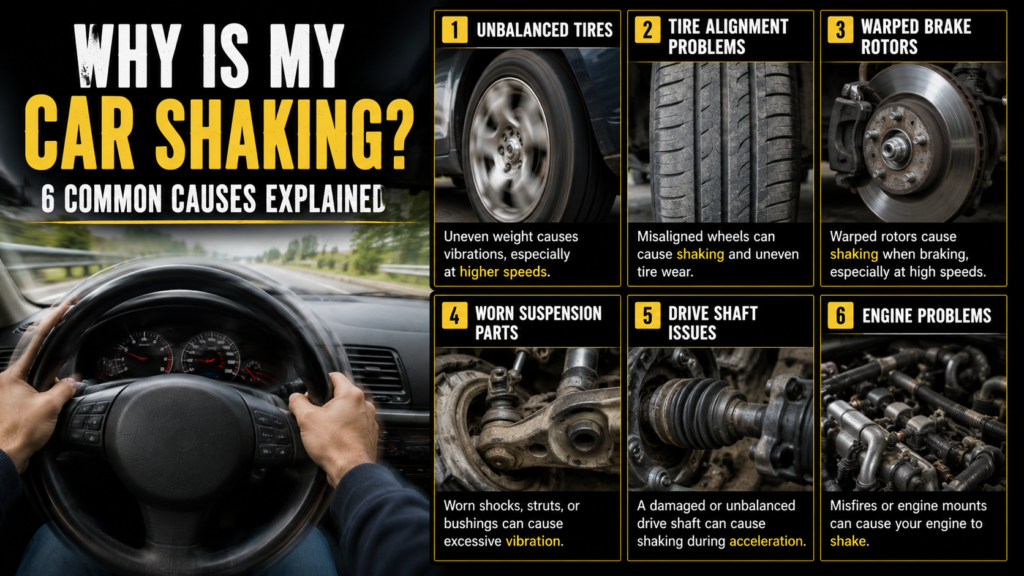
If your car is also shaking when you brake, that’s a strong sign your rotors are warped or badly scored on top of the pad issue. The two problems often show up together.
Clunking or Knocking When You Brake
A clunk or knock when you brake — especially a single thud at the beginning or end of stopping — is different from squealing or grinding. It usually points to something loose rather than something worn through.
Loose brake hardware. Brake pads sit in a caliper bracket held in place by clips and hardware. When that hardware wears out or a clip breaks, the pad can shift slightly and clunk against the caliper when braking force is applied. This is relatively inexpensive to fix but shouldn’t be ignored since loose hardware can lead to uneven braking.
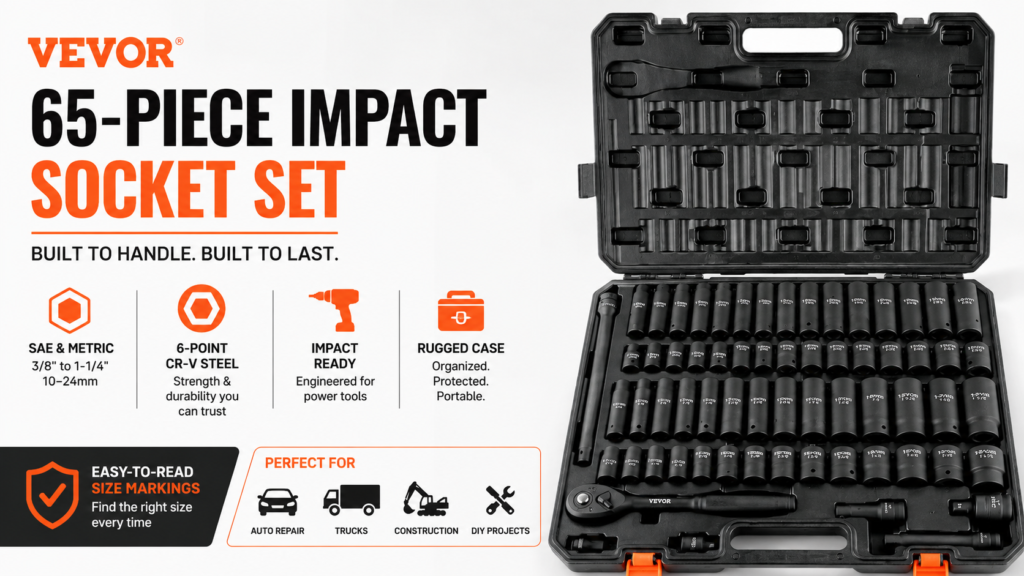
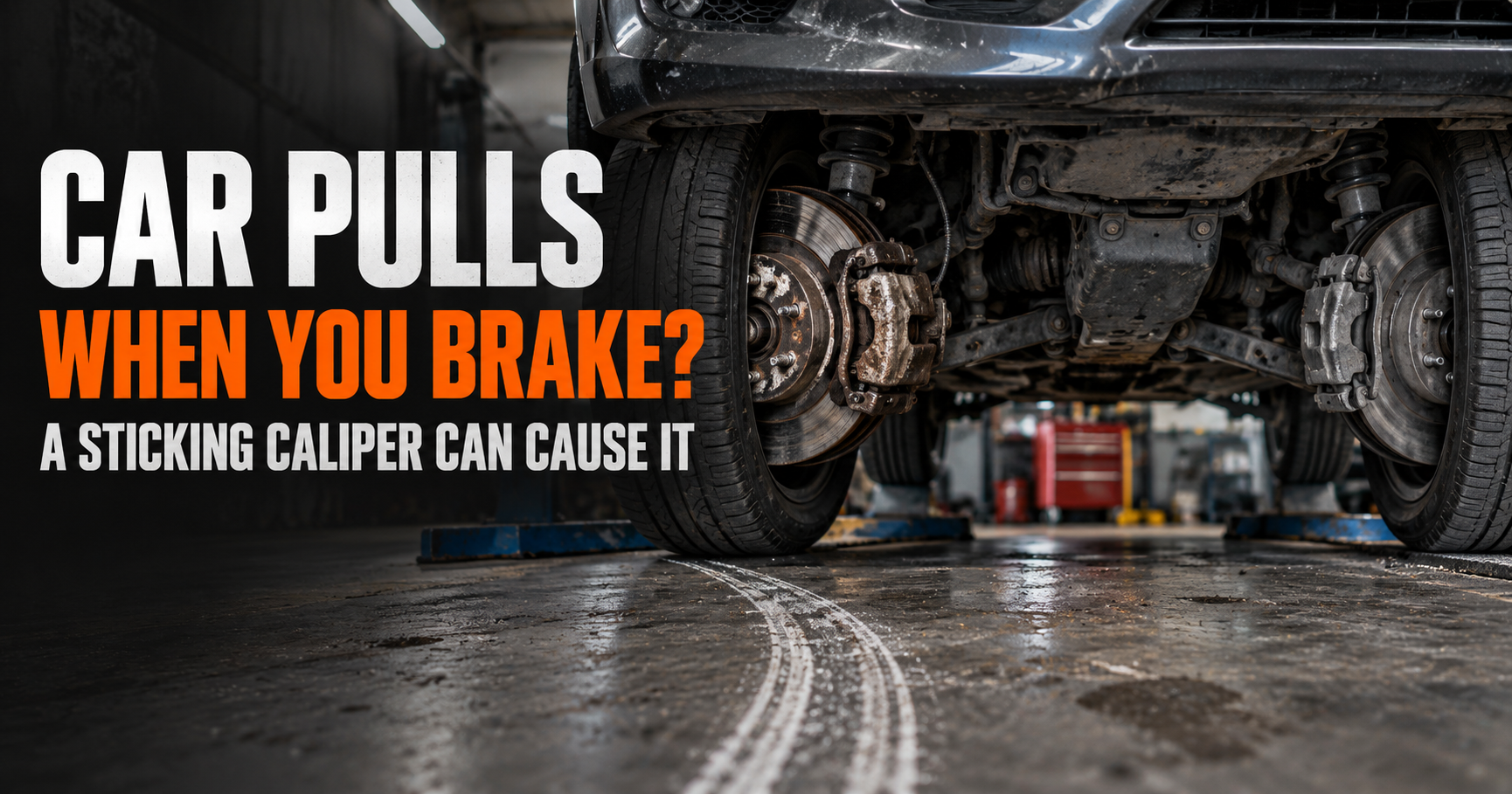
Worn caliper slide pins. Calipers slide on pins that allow them to apply even pressure to both sides of the rotor. When those pins seize or wear out, the caliper can knock or cause uneven braking. You might also notice the car pulling to one side when you brake. If you’re inspecting the caliper hardware yourself, socket set for brake caliper work can cover the common fastener sizes.
Suspension components. Sometimes what feels like a brake noise is actually a suspension noise that happens to occur during braking because that’s when weight transfers to the front of the car. Worn ball joints, tie rod ends, or sway bar links can all produce clunks that feel like they’re coming from the brakes. If a mechanic checks your brakes and finds nothing wrong, ask them to look at the front suspension too.
What it costs: Hardware and clip replacement is usually $50–$150. Caliper slide pins are $100–$250 per caliper with labor. Suspension components vary widely — see the breakdown in our guide on why your car might be shaking for more detail on those costs.
Scraping Sound That’s Constant — Not Just When Braking
If you hear a scraping or grinding sound that happens all the time — not just when you press the brake pedal — that’s a different problem entirely.
Debris caught in the brake. Rocks, sticks, and road debris can get lodged between the brake pad and rotor. It creates a constant scraping sound and usually goes away on its own after a few stops, but if it persists you’ll want someone to take a look before it scores the rotor.
Worn or collapsed wheel bearing. A failing wheel bearing often produces a grinding or humming sound that’s present all the time and changes with vehicle speed. It can be hard to distinguish from a brake noise without getting the car on a lift. If the noise changes when you shift your weight side to side while driving at highway speed, a wheel bearing is likely involved.
Bent dust shield. Behind each rotor is a thin metal dust shield. These are easy to bend if you’ve hit a curb, driven over something, or had any suspension work done recently. A bent shield that’s touching the rotor makes a constant scraping sound that can drive you absolutely crazy — and fortunately it’s one of the cheapest fixes on this list. Most shops can bend it back in a few minutes.
How to Tell Exactly Where the Noise Is Coming From
Before you go to a shop, do a quick assessment yourself. It’ll help you describe the problem accurately and avoid being upsold on things you don’t need.
Front or Rear?
With the windows down, drive slowly in a quiet area and brake gently. Most people can tell whether the noise is coming from the front or the back. Front brake noises often transmit through the steering wheel. Rear brake noises are more often felt in the seat or heard from behind you. If you need to inspect the brakes after identifying the noise, magnetic lights for brake work can illuminate the wheel well or suspension area without requiring a second set of hands.
Left or Right?
Harder to tell, but sometimes you can narrow it down. A noise that gets louder when you turn slightly in one direction while braking can indicate which side is the issue, since weight transfer loads that wheel more heavily.
Only When Cold?
If the noise only happens on the first few stops and then disappears, morning rotor rust is almost certainly the explanation and you don’t need to do anything.
Getting Worse Over Time?
Any brake noise that is progressively getting louder or happening more frequently needs attention sooner rather than later. Brakes don’t heal themselves.
Is It Safe to Drive With Noisy Brakes?
Here’s the straight answer:
Squealing from wear indicators: You have some time — days to weeks — but don’t push it. Get the pads replaced at your next opportunity.
Morning squeal that goes away: Completely fine. Normal. Nothing to do.
Grinding: Stop driving it as much as possible and get it in immediately. Every mile is costing you money and potentially your safety.
Clunking: Get it checked soon. Loose components can become dangerous components.
Constant scraping: Get it looked at. Could be nothing (debris, bent shield) or could be a wheel bearing that’s getting worse fast.
What To Do Right Now
If it’s squealing: Call your shop and get a brake inspection scheduled. Most places do free or low-cost brake inspections. Don’t wait until it turns into grinding.
If it’s grinding: Minimize driving and get it in as soon as possible. Every additional stop is making the repair more expensive. Call ahead and describe the sound so they can have parts ready.
If you want to check pad thickness yourself: Look through the wheel spokes at the rotor. You should be able to see the brake pad pressed against it. If the pad material looks thinner than about a quarter inch, they’re getting low. If you can’t see any pad material at all, they’re gone.
Picking up a can of brake cleaner spray is also useful — it removes dust, debris, and light surface contamination from rotors and can sometimes quiet a minor squeal caused by glazing or buildup. It won’t fix worn pads, but it’s a good thing to have around for maintenance.
Is Your Steering Wheel Shaking Too?
Brake problems don’t always cause noise by themselves.
If your steering wheel also shakes while slowing down, especially at highway speeds, warped brake rotors could be responsible. However, vibrations can also come from tire, wheel, or suspension problems that become more noticeable during braking. When brake work or wheel installation is involved, proper wheel torque explains how proper wheel torque can help prevent rotor and stud problems.
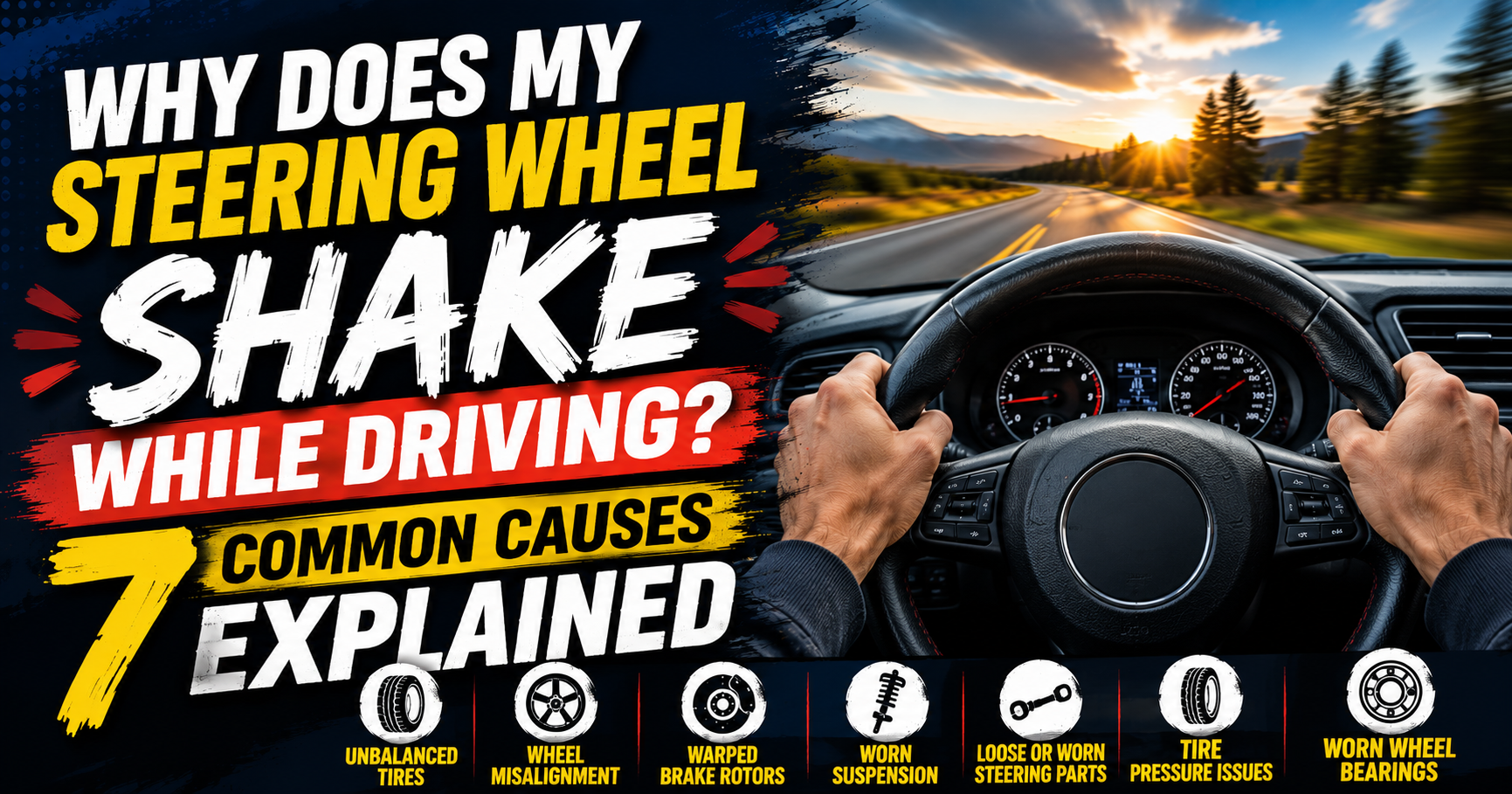
If you’re dealing with both symptoms, our guide explaining why a steering wheel shakes while driving can help you determine whether the vibration is coming from your brakes or another part of the steering system.
Frequently Asked Questions
Why do my brakes squeal but my mechanic says the pads are fine?
This happens fairly often. Glazed pads, cheap aftermarket pads, or dust and debris buildup can all cause squealing even when pad thickness is acceptable. Some brake pad compounds are also naturally noisier than others. Ask your mechanic specifically about glazing and whether a rotor resurface might help. Switching to a higher-quality brake pad can also eliminate noise in many cases.
Why does my car make a noise when I brake at low speeds but not high speeds?
Low-speed brake noise is often related to the brake pad wear indicators, which are designed to contact the rotor at light braking pressure. At higher speeds with harder braking, the noise can disappear because the pad is pressed more firmly and the indicator isn’t making contact the same way. It’s still a warning — don’t let the disappearing noise at speed fool you into thinking it’s resolved.
Can new brake pads squeal?
Yes, brand new pads often squeal for the first few hundred miles while they bed in. This is normal and usually resolves on its own. If squealing continues well past the break-in period, the pads may not have been bedded properly, or the specific pad compound is noisier than average. Going back to the shop and asking them to bed the brakes properly — a process of controlled hard stops — can help.
Why does only one brake squeal?
Brakes on the same axle should wear at roughly the same rate, but it’s not uncommon for one side to wear faster. A seized caliper can cause one side to do all the work. Uneven rotor thickness, a stuck slide pin, or simply natural variation can also cause one pad to wear faster. If only one side is squealing, have both sides inspected — the other side may not be far behind.
How long can I drive on squealing brakes?
With the wear indicator squeal, you typically have anywhere from a few hundred to a few thousand miles left depending on how worn the pads already are. There’s no precise answer because it depends on how much you drive and how hard you brake. A conservative rule: once you hear the squeal, plan to get pads replaced within two to three weeks. Don’t let it turn into grinding.
Check engine light on? That could mean something else, see our article about check engine lights!
About the Author: Dana Callahan
Dana has been diagnosing car problems for over a decade — first out of necessity (three kids, one income, no money for shop rates) and eventually out of genuine passion. She’s the person her whole neighborhood texts when a warning light comes on. Dana writes for WhyIsMyCar.com to give everyday drivers the kind of straight talk she wishes she’d had when she first started figuring this stuff out on her own. Based in Ohio.